Lake Nakuru National Park offers flamingos, rhinos, giraffes, lions, buffalo, birdlife, viewpoints, waterfalls, and cultural sites for a rich Kenya safari
Lake Nakuru National Park is one of Kenya’s most accessible and rewarding safari destinations, located in the Great Rift Valley just a few hours from Nairobi. Known worldwide for its flamingo-filled lake, the park offers travelers a compact yet diverse safari experience that combines birdlife, mammals, and dramatic landscapes. Its unique mix of alkaline waters, acacia woodlands, and open grasslands creates habitats where wildlife thrives in high density, making sightings frequent and reliable. For visitors with limited time, Lake Nakuru provides an efficient way to enjoy a Kenya safari without compromising on quality or variety.
Beyond its famous flamingos, the park is home to endangered black and white rhinos, Rothschild’s giraffes, lions, leopards, and large buffalo herds, ensuring strong chances of ticking off major safari highlights. Scenic viewpoints such as Baboon Cliffs and Out of Africa add depth to the experience, while cultural sites like Hyrax Hill connect travelers to Kenya’s human history. Seasonal attractions like Makalia Falls and birdwatching opportunities further enrich the visit. Whether you are seeking wildlife photography, conservation insights, or panoramic views, Lake Nakuru delivers a balanced Kenya safari experience that blends nature, culture, and accessibility, making it a must-visit destination in the country
Best Kenya safari packages
The Top Kenya safari attractions in Lake Nakuru National Park
The Flamingos at Lake Shore Flamingo Belt
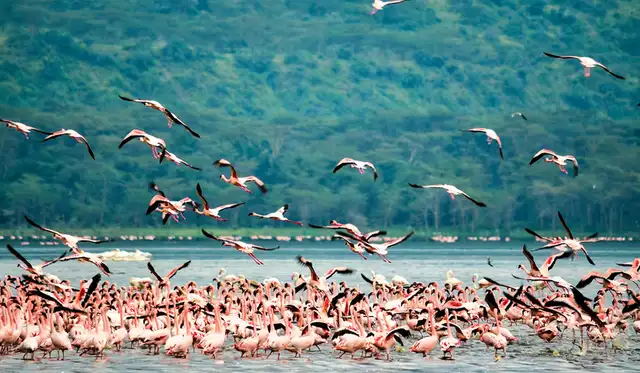
Flamingos are the highlight of Lake Nakuru, creating a striking pink shoreline that defines the park’s reputation. During a Kenya safari, travelers can witness thousands, sometimes millions, of lesser and greater flamingos feeding on algae in the soda-rich waters. When they rise together, the sight forms a dramatic “pink cloud” that is perfect for photography. The best times to view them are mid-morning or late afternoon, when light enhances the colors. While flamingo numbers change with water levels, pelicans, storks, and other waterbirds remain year-round, ensuring birdwatchers always have something to see. A Kenya safari here guarantees memorable birdlife moments, with flamingos as the centerpiece of the lake’s vibrant ecosystem.
Black and White Rhinos
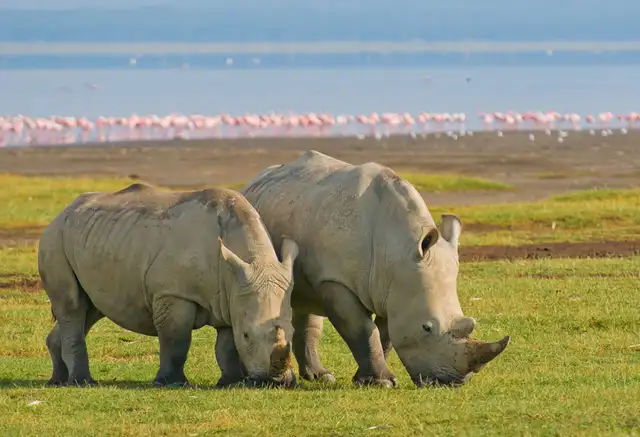
Lake Nakuru is Kenya’s first rhino sanctuary and remains one of the strongest places to see both black and white rhinos during a Kenya safari. White rhinos, larger and square-lipped, graze openly on grasslands, while the rarer black rhinos, with hooked lips, prefer browsing in dense bush. This sanctuary provides one of the best chances in Kenya to observe these endangered species up close, making it a vital stop for conservation-focused travelers. The park’s protection efforts have allowed rhino populations to grow steadily, offering reliable sightings. For anyone planning a Kenya safari, Lake Nakuru stands out as a destination where rhinos are not just present but thrive, making it a cornerstone for Big Five viewing.
Rothschild’s Giraffes
Lake Nakuru is among the few places where Rothschild’s giraffes roam freely, making it a unique highlight on a Kenya safari. These giraffes are easily recognized by their pale legs and lack of markings below the knees, a distinct feature that sets them apart from other subspecies. Reintroduced in the 1970s, they now move gracefully through acacia forests and savannah edges, offering excellent photographic opportunities in golden morning or afternoon light. Their presence adds diversity to the park’s wildlife and provides travelers with a rare chance to see an endangered species in its natural habitat. For those seeking variety on a Kenya safari, Rothschild’s giraffes are a valuable addition to the overall experience.
Lions and Leopards the Big Cats
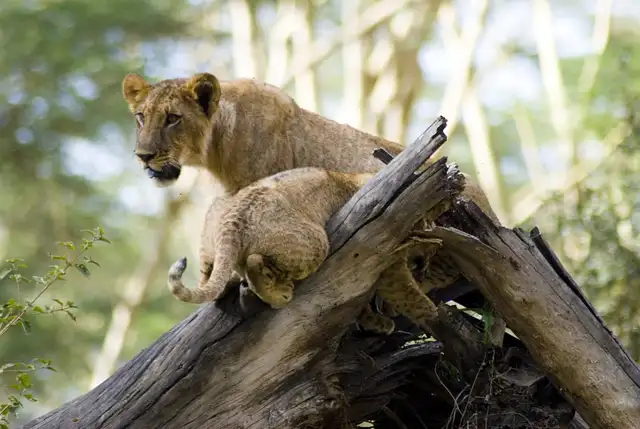
Lake Nakuru hosts healthy populations of lions and leopards, making it a strong destination for big cat sightings on a Kenya safari. Lions are often seen resting in grasslands or climbing acacia trees, a behavior that has become increasingly common here. Leopards, though more elusive, are frequently spotted lounging on branches or moving through fever-tree forests, especially in early mornings. These predators add excitement to the park’s wildlife mix and ensure that visitors have a chance to see some of Africa’s most powerful animals in action. For travelers focused on big cats, a Kenya safari in Lake Nakuru provides consistent opportunities to observe lions and leopards in diverse habitats.
Large Buffalo Herds
African buffalo are a dominant presence in Lake Nakuru, often seen in large herds grazing across open plains or near the lake shore. Their size and strength make them one of the Big Four species found here, alongside rhinos, lions, and leopards. Calves are often seen within herds, adding to the dynamic viewing experience. For travelers on a Kenya safari, buffalo sightings are reliable and frequent, offering a chance to observe their social behavior and resilience. Their abundance ensures that visitors can easily tick them off their wildlife list, making Lake Nakuru a practical destination for those aiming to see multiple large mammals in one park.
Baboon Cliffs for Panoramic Viewpoint
Baboon Cliffs provide sweeping views of Lake Nakuru and the Rift Valley escarpment, making them a must-stop during a Kenya safari. Named after the olive baboons and vervet monkeys that often gather nearby, the cliffs are ideal for photography, picnics, and sunset watching. The elevated position offers a clear perspective of the lake and surrounding landscapes, giving travelers a broader sense of the park’s scale. For those who value combining wildlife with scenery, Baboon Cliffs deliver both. A Kenya safari here is not only about animals but also about appreciating the dramatic geography that frames the park, making this viewpoint a practical addition to any itinerary.
Makalia Falls
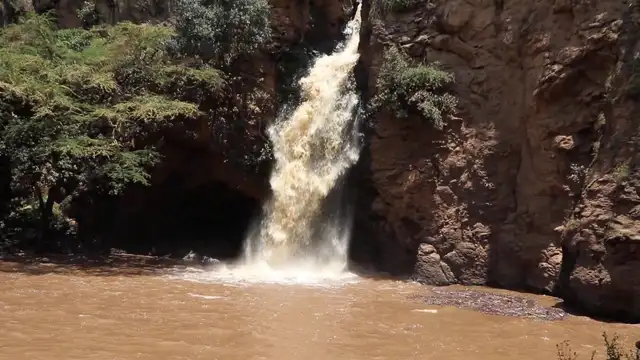
Makalia Falls, located in the southern part of Lake Nakuru, adds a tranquil element to a Kenya safari. During the rainy season, water cascades down rugged rocks into a shallow pool, surrounded by vegetation. Though access requires a 4x4, the effort is rewarded with a peaceful picnic spot away from busier areas. The falls provide a refreshing contrast to the plains and lake, offering travelers a chance to rest while still being immersed in nature. For those seeking variety on a Kenya safari, Makalia Falls is a worthwhile stop that balances wildlife viewing with relaxation in a serene setting.
Out of Africa Viewpoint
The Out of Africa Viewpoint offers one of the most cinematic panoramas in Lake Nakuru, making it a valuable stop on a Kenya safari. From the eastern escarpment, visitors can see the lake, acacia woodlands, and distant Mau Escarpment, especially striking at sunrise or sunset. Wildlife silhouettes often appear below, adding depth to the view. Named after the famous film, the viewpoint emphasizes the park’s dramatic landscapes and complements the wildlife experience. For travelers who want both strong animal sightings and memorable scenery, a Kenya safari here benefits greatly from including this viewpoint in the itinerary.
Birdwatching Beyond Flamingos
Lake Nakuru is a birdwatcher’s paradise, with over 450 species recorded, making it a standout destination for a Kenya safari. Beyond flamingos, travelers can spot African Fish Eagles, Great White Pelicans, Lilac-breasted Rollers, Grey Crowned Cranes, and migratory birds from Europe and North Africa between November and April. The diversity ensures that birdlife remains a constant attraction throughout the year. For those who value variety, birdwatching adds another dimension to the safari, complementing the Big Four mammals. A Kenya safari here is not only about large animals but also about appreciating the rich avian life that thrives around the lake and its surrounding habitats.
Hyrax Hill Prehistoric Site
Hyrax Hill, located just outside Lake Nakuru’s main gate, adds cultural depth to a Kenya safari. This archaeological site features remains of Neolithic and Iron Age settlements, including burial sites, pottery, and tools. The on-site museum displays artifacts, while a short walking trail leads to panoramic views of Nakuru town and the lake. For travelers interested in combining wildlife with history, Hyrax Hill provides a meaningful complement to the safari experience. A Kenya safari here becomes more than just animal viewing it connects visitors to the human past of the Rift Valley, offering a broader understanding of the region’s significance
Wildlife Education Centre
Located near the main gate, the Wildlife Education Centre adds an informative dimension to a Kenya safari in Lake Nakuru. It provides detailed exhibits on conservation, endangered species, and the park’s ecological importance. Visitors can learn about the efforts to protect rhinos, giraffes, and birdlife, making it a valuable stop for families and travelers who want context beyond sightings. The centre also highlights Kenya’s broader conservation challenges and successes, helping travelers appreciate the importance of protected areas. For those planning a Kenya safari, this stop ensures the experience is not only about viewing animals but also about understanding the science and dedication behind preserving them for future generations.
Lake Nakuru Boat Rides but Seasonal
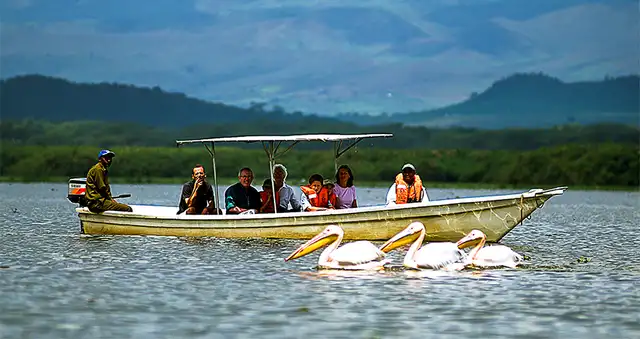
During certain seasons when water levels allow, boat rides on Lake Nakuru provide a different perspective for a Kenya safari. These rides bring travelers closer to flamingos, pelicans, and other waterbirds while offering views of buffalo and antelope grazing along the shores. The calm waters create opportunities for photography and birdwatching that complement traditional game drives. Though not always available year-round, when conditions are right, boat rides add variety and depth to the safari experience. For travelers seeking more than land-based viewing, including this activity in a Kenya safari itinerary ensures a balanced mix of wildlife observation and relaxation on the lake
Best time to visit Lake Nakuru for Kenya safari experience
The best time to visit Lake Nakuru for a Kenya safari experience is during the dry season, from June to October. At this time, wildlife is easier to spot because animals gather around the lake and open plains, making sightings more predictable. Flamingos often concentrate along the shoreline, while rhinos, lions, and buffalo are more visible in grasslands. The dry season also offers clearer skies and better light for photography, especially during early morning and late afternoon drives. For travelers who want efficiency and strong chances of seeing multiple species, planning a Kenya safari in Lake Nakuru during these months ensures reliable wildlife viewing and comfortable conditions.
The wet season, from November to May, also has its advantages for a Kenya safari in Lake Nakuru. The park becomes greener, birdlife flourishes, and migratory species arrive, making it a paradise for birdwatchers. Flamingo numbers can increase depending on water levels, and newborn animals are often seen during this period. While wildlife is more dispersed due to abundant water, the park remains productive, especially in the rhino sanctuary where sightings are consistent year-round. For travelers who prefer fewer crowds and lower costs, the wet season provides a quieter Kenya safari experience, with rewarding opportunities for photography and birdwatching alongside the Big Four mammals
How to get there to Lake Nakuru park for Kenya safari
Getting to Lake Nakuru National Park for a Kenya safari is straightforward, with options that suit different traveler needs. The park lies about 160 kilometers northwest of Nairobi, making it a 2–3 hour drive via the Nairobi–Nakuru highway. Most visitors choose private vehicles or safari tour operators who provide transfers directly from Nairobi hotels or the airport. For those preferring speed, daily scheduled flights connect Nairobi’s Wilson Airport to nearby airstrips such as Naishi, reducing travel time to under an hour. Public transport like buses and matatus also reach Nakuru town, from where taxis can take you to the park gates. Whether by road or air, access is convenient, ensuring a Kenya safari in Lake Nakuru can easily fit into wider itineraries
Best activities to do during Kenya safari in Lake Nakuru national park
During a Kenya safari in Lake Nakuru National Park, game drives are the most rewarding activity, offering close views of rhinos, lions, leopards, buffalo, and giraffes across diverse habitats. Early morning and late afternoon drives provide the best light and higher chances of predator activity, while mid-morning is ideal for flamingo photography along the lake shore. The compact size of the park means less time spent driving between sightings, which is convenient for travelers with limited schedules. A Kenya safari here ensures consistent wildlife viewing, with the rhino sanctuary and open plains delivering reliable Big Four sightings, while birdlife adds variety throughout the day.
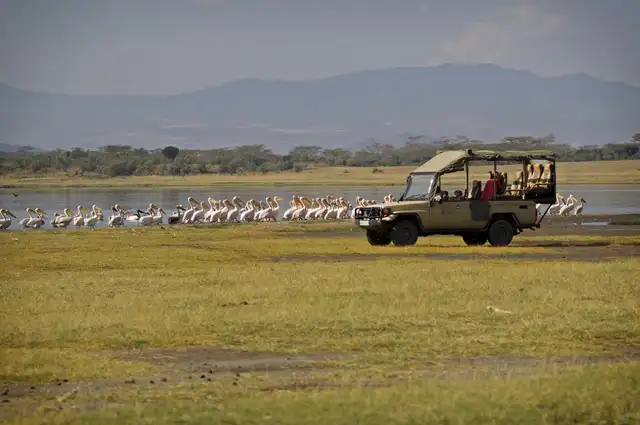
Photography is another highlight of a Kenya safari in Lake Nakuru, thanks to the park’s varied landscapes and abundant wildlife. Flamingos create striking pink horizons, Rothschild’s giraffes stand tall against acacia forests, and predators like lions and leopards provide dramatic subjects. Viewpoints such as Baboon Cliffs and Out of Africa offer sweeping panoramas, perfect for capturing the Rift Valley’s scale. Seasonal attractions like Makalia Falls add depth to photo opportunities, especially during the rainy season. For travelers who value strong visual memories, Lake Nakuru provides a balanced mix of close wildlife shots and wide scenic frames, making photography a central activity.
Birdwatching is a major draw during a Kenya safari in Lake Nakuru, with over 450 species recorded. Beyond flamingos, visitors can spot pelicans, African Fish Eagles, Grey Crowned Cranes, and migratory birds from Europe and North Africa between November and April. The diversity ensures birdlife remains a constant attraction year-round, complementing mammal sightings. Birdwatching can be done from vehicles, viewpoints, or even short walks near designated areas, offering flexibility for different interests. For travelers who want variety beyond the Big Four, Lake Nakuru’s birdlife adds richness to the safari experience. A Kenya safari here is not only about large animals but also about appreciating the vibrant avian ecosystem.
Cultural and educational activities also enhance a Kenya safari in Lake Nakuru. Stops at Hyrax Hill Prehistoric Site connect visitors to the human history of the Rift Valley, with artifacts and burial sites offering context beyond wildlife. The Wildlife Education Centre near the park gate provides insights into conservation efforts, rhino protection, and ecological challenges. Seasonal boat rides, when available, add another dimension by bringing travelers closer to waterbirds and lakeshore wildlife. Together, these activities ensure a Kenya safari in Lake Nakuru is not limited to animal viewing but offers a broader understanding of nature, culture, and conservation, making the experience more meaningful and complete
Best tips for experiencing Kenya safari in Lake Nakuru
To make the most of a Kenya safari in Lake Nakuru, timing and planning are key. Early morning and late afternoon game drives give the highest chances of seeing predators like lions and leopards, while mid-morning is perfect for flamingo photography along the lake shore. Packing binoculars and a good camera ensures you capture both close-up details and sweeping views from spots like Baboon Cliffs. Staying at least two days allows time for rhino sightings in the sanctuary and birdwatching across different habitats. A Kenya safari here benefits from flexibility, so balancing wildlife drives with stops at viewpoints or cultural sites like Hyrax Hill creates a fuller experience without rushing.
Another important tip for a Kenya safari in Lake Nakuru is to choose experienced guides and reliable vehicles. Guides understand animal behavior and know where to look for elusive species such as leopards or black rhinos, while well-equipped vehicles provide comfort and visibility during long drives. Visiting during the dry season from June to October improves chances of concentrated wildlife sightings, though birdwatchers may prefer the wet season for migratory species. Combining game drives with photography, birdwatching, and cultural stops ensures variety. A Kenya safari in Lake Nakuru becomes more rewarding when travelers plan around wildlife activity, guiding expertise, and seasonal highlights
What to pack as you visit Lake Nakuru for Kenya safari
When visiting Lake Nakuru for a Kenya safari, packing smart ensures comfort and readiness for varied conditions. Neutral-colored clothing such as khaki or olive is best, as it blends with the environment and avoids attracting insects. A wide-brim hat, sunglasses, and sunscreen help protect against strong sun, while a light jacket or fleece is useful for cool mornings and evenings. Sturdy walking shoes are essential for game drives and short walks, and binoculars plus a good camera with extra batteries allow you to capture flamingos, rhinos, lions, and buffalo clearly. Insect repellent, reusable water bottles, and personal medications should not be overlooked. With practical gear tailored to wildlife viewing and comfort, a Kenya safari in Lake Nakuru becomes smoother and more rewarding
Best places to stay in at Lake Nakuru park during Kenya safari
For a Kenya safari in Lake Nakuru National Park, accommodation options range from luxury lodges to mid-range tented camps and budget stays, all positioned to maximize wildlife access. Luxury travelers often choose The Cliff, with tented suites overlooking the lake, or Sarova Lion Hill Lodge, known for comfort and proximity to rhino and buffalo grazing areas. Mid-range choices like Flamingo Hill Tented Camp and Mbweha Camp provide authentic safari atmospheres with reliable service, while budget travelers can opt for smaller camps such as Lakira Camp or hostels near the park gate. Staying inside or close to the park ensures early morning and late evening game drives are convenient, making a Kenya safari in Lake Nakuru both practical and rewarding
Booking Kenya safari with Lamz Tours and Travel
Booking a Kenya safari with Lamz Tours and Travel guarantees a well-organized and value-driven experience tailored to maximize wildlife viewing and traveler satisfaction. With expertise in East African destinations, Lamz Tours and Travel designs itineraries that highlight Lake Nakuru’s flamingos, rhinos, and Rothschild’s giraffes, while also extending to other prime parks like Maasai Mara and Amboseli for Big Five sightings. Travelers benefit from professional guides who understand animal behavior, reliable logistics that reduce travel stress, and accommodation options ranging from luxury lodges to mid-range camps. By combining practical advice, clear itineraries, and personalized service, Lamz Tours and Travel ensures that every Kenya safari is not only memorable but also efficient, giving visitors the best chance to enjoy diverse wildlife and landscapes in comfort
Ready to plan your safari?
Talk to a Lamz Tours specialist and get a tailor-made quote.
Make an enquiry