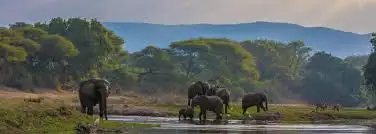
Top health and safety tips for Safaris in Zambia including malaria prevention, wildlife safety, packing advice, food hygiene, and travel safety.
Top Health and Safety Tips for Safaris in Zambia help travellers prepare for safe wildlife holidays across Zambia’s national parks and safari destinations. Safaris in Zambia involve outdoor activities, game drives, walking safaris, and remote travel experiences that require proper planning and awareness. Visitors should understand malaria prevention, wildlife safety, hydration, food hygiene, and transport precautions before travelling. Good preparation allows travellers to enjoy comfortable safari experiences while reducing possible health and travel risks during the journey.
Our Best Safaris on a Safaris in Zambia
1. Prepare Proper Travel Health Documents for Safaris in Zambia
Travellers planning Safaris in Zambia should organise all important travel health documents before departure. Visitors are advised to check vaccination requirements for Zambia, especially yellow fever certificates when travelling from affected countries. Travel insurance covering medical emergencies, evacuation, cancellations, and safari activities is highly recommended for all Safaris in Zambia. Carry copies of passports, emergency contacts, insurance details, and prescriptions in both printed and digital form. It is also important to consult a travel clinic several weeks before departure for advice about malaria prevention, stomach infections, and general health precautions. Zambia’s safari regions are remote, meaning access to medical facilities may take time in certain areas. Visitors should therefore pack a personal medical kit containing pain relief tablets, antiseptic cream, insect bite treatment, rehydration salts, and any personal medication. Good preparation helps travellers enjoy Safaris in Zambia with confidence while reducing possible health complications during wildlife experiences and transfers between destinations.
2. Follow Malaria Prevention Guidelines During Safaris in Zambia
Malaria prevention remains one of the most important health considerations during Safaris in Zambia because many safari destinations are located in tropical wildlife areas where mosquitoes are active. Travellers are encouraged to consult medical professionals before travelling to obtain suitable anti-malaria medication. During Safaris in Zambia, visitors should wear long-sleeved shirts, lightweight trousers, and closed shoes in the evenings when mosquitoes are most active. Insect repellent containing DEET or other recommended ingredients should be applied regularly throughout the safari. Most safari lodges and camps provide mosquito nets, screened rooms, or insect sprays to improve guest protection at night. Visitors should also avoid leaving doors or windows open unnecessarily after sunset. Staying hydrated and resting properly may also support overall health during Safaris in Zambia. Any symptoms such as fever, headaches, chills, or body weakness after travel should receive immediate medical attention. Proper malaria prevention allows travellers to remain comfortable throughout their safari holiday experience.
3. Drink Safe Water and Maintain Food Hygiene on Safaris in Zambia
Food and water safety is an essential part of staying healthy during Safaris in Zambia. Travellers should drink bottled, filtered, or properly treated water throughout their journey to avoid stomach infections or dehydration. Most safari lodges serving guests on Safaris in Zambia provide purified drinking water, but visitors should still confirm before consuming tap water in remote locations. Ice cubes from unknown sources should also be avoided. Maintaining proper food hygiene helps reduce risks associated with unfamiliar diets and hot climates. Travellers are encouraged to eat freshly prepared meals served at reputable safari lodges, camps, and restaurants. Fruits should ideally be washed or peeled before eating, while undercooked meat and raw seafood should be avoided during Safaris in Zambia. Hand sanitisers and antibacterial wipes are useful when travelling between national parks where washing facilities may be limited. Good hydration is especially important during game drives and walking safaris due to warm temperatures and long outdoor activities within Zambia’s wildlife regions.
4. Respect Wildlife Safety Rules During Safaris in Zambia
Wildlife safety regulations are extremely important for travellers participating in Safaris in Zambia because encounters with wild animals occur regularly during game drives, boat cruises, and walking safaris. Visitors should always follow instructions provided by safari guides and park rangers. Animals within Zambia’s national parks are unpredictable and should never be approached carelessly. During Safaris in Zambia, guests are advised to remain inside safari vehicles unless guides clearly permit walking activities in designated areas. Loud noises, sudden movements, or attempts to feed wildlife can create dangerous situations for both visitors and animals. Photography should be done calmly without disturbing wildlife behaviour. Walking safaris require extra attention because travellers may encounter elephants, buffaloes, hippos, or predators in natural habitats. Wearing neutral-coloured clothing also helps avoid attracting unnecessary attention from wildlife. Respecting these safety measures allows visitors to enjoy responsible Safaris in Zambia while supporting conservation efforts and maintaining safe interactions within protected wildlife environments across the country.
5. Pack Suitable Clothing and Protective Equipment for Safaris in Zambia
Packing appropriate safari clothing and protective equipment contributes greatly to comfort and safety during Safaris in Zambia. Travellers should select lightweight clothing suitable for warm daytime temperatures while also carrying warmer layers for cool mornings and evenings. Neutral colours such as khaki, brown, olive, and beige are recommended during Safaris in Zambia because bright colours may disturb wildlife or attract insects. Comfortable walking shoes are necessary for bush walks, campsite movements, and outdoor safari activities. Wide-brimmed hats, sunglasses, and sunscreen help protect against strong African sunshine during long game drives. Rain jackets may also be useful during Zambia’s rainy season. Travellers should avoid carrying excessive luggage because many safari flights have strict baggage limits. Flashlights or headlamps are practical for moving around camps after dark where pathways may not always have lighting. Proper clothing and protective equipment help visitors remain comfortable and prepared throughout Safaris in Zambia while supporting safe movement in remote wildlife destinations.
6. Stay Safe During Road Transfers and Domestic Flights on Safaris in Zambia
Transport safety is another important consideration for travellers enjoying Safaris in Zambia because journeys between parks often involve long road transfers or small domestic aircraft. Visitors should use reputable safari operators with experienced drivers and properly maintained vehicles. Wearing seatbelts whenever available is recommended throughout Safaris in Zambia, particularly on highways and rough park roads. Travellers should avoid unnecessary night driving because wildlife frequently crosses roads after dark, especially near national parks. Domestic safari flights within Zambia are commonly used to connect remote destinations such as South Luangwa and Lower Zambezi. Guests should carefully follow baggage regulations and safety instructions provided by airline staff during these flights. Valuable items such as passports, medication, and electronics should remain in hand luggage throughout transfers. Travellers prone to motion sickness may consider carrying suitable medication for long drives or light aircraft journeys. Safe transport arrangements contribute greatly to a comfortable and organised safari holiday across Zambia’s wildlife regions.
7. Protect Yourself from Heat and Dehydration on Safaris in Zambia
The warm climate experienced during Safaris in Zambia makes heat management and hydration extremely important for travellers spending long hours outdoors. Game drives, walking safaris, and boat activities often expose visitors to direct sunlight for extended periods. Travellers should drink water frequently throughout Safaris in Zambia even when not feeling thirsty. Reusable water bottles are practical for maintaining hydration during daily excursions. Lightweight breathable clothing helps reduce discomfort caused by heat, while hats and sunscreen provide additional protection against sun exposure. Alcohol consumption should be balanced carefully because excessive intake may contribute to dehydration in hot conditions. Travellers are also encouraged to rest properly between activities and avoid unnecessary physical strain during peak afternoon temperatures. Signs of dehydration may include dizziness, headaches, weakness, and dry skin. Immediate rehydration and rest are important whenever these symptoms occur. Proper heat management allows visitors to enjoy Safaris in Zambia more comfortably while maintaining good physical condition throughout their wildlife holiday experience.
8. Choose Trusted Safari Operators for Safe Safaris in Zambia
Selecting experienced and reliable safari companies plays a major role in ensuring safe and organised Safaris in Zambia. Professional operators provide trained guides, licensed drivers, well-maintained vehicles, and carefully planned itineraries that prioritise visitor safety throughout the journey. Travellers should research reviews, safety standards, and operational experience before booking Safaris in Zambia. Established safari companies often maintain strong communication systems between camps, vehicles, and emergency services within remote wildlife areas. Good safari guides also provide valuable information about animal behaviour, local regulations, and emergency procedures during activities. Visitors should confirm what safety equipment is available during walking safaris, boat cruises, and transfers before making final reservations. Trusted operators additionally assist travellers with accommodation arrangements, park permits, and travel advice related to Zambia’s safari regions. Booking Safaris in Zambia with reputable companies helps reduce unnecessary travel risks while allowing visitors to focus on wildlife experiences, photography, birdwatching, and cultural activities across the country.
Best Time to Visit for Safaris in Zambia National Parks
The best time for Safaris in Zambia is during the dry season from May to October when wildlife gathers around rivers and water sources. These months provide better road conditions, easier wildlife viewing, and comfortable safari activities across Zambia’s national parks. June to August offers cooler temperatures suitable for walking safaris and game drives, while September and October are ideal for seeing large concentrations of animals near water areas. Birdwatchers may prefer the green season between November and April when migratory birds arrive and landscapes become greener. However, some remote safari camps close during heavy rains because certain roads become difficult to access. Travellers planning Safaris in Zambia should choose travel months depending on wildlife interests, photography preferences, weather conditions, and safari activities available within destinations such as South Luangwa National Park and Lower Zambezi National Park.
How to Get to Zambia for Safaris in Zambia Holidays
Travellers joining Safaris in Zambia usually arrive through Kenneth Kaunda International Airport in Lusaka or Harry Mwanga Nkumbula International Airport near Victoria Falls. Several international airlines connect Zambia with African and international destinations including Nairobi, Addis Ababa, Johannesburg, and Doha. Domestic flights are commonly used during Safaris in Zambia because many wildlife destinations are located in remote regions far from major cities. Charter flights and scheduled light aircraft transfers help visitors reach national parks such as South Luangwa, Kafue, and Lower Zambezi more comfortably. Road transfers are also available for travellers preferring overland safari experiences. Visitors from some countries may require visas before arrival or may obtain visas at entry points depending on nationality. Travellers should confirm passport validity, visa regulations, baggage restrictions, and travel insurance requirements before starting Safaris in Zambia to ensure smooth transfers between airports, safari camps, and wildlife destinations.
Things to Do During Safaris in Zambia National Parks
Safaris in Zambia offer a wide range of wildlife and outdoor activities across the country’s protected national parks and conservation areas. Game drives remain one of the most popular activities, allowing travellers to view elephants, lions, leopards, buffaloes, giraffes, and antelopes in natural habitats. Walking safaris are also highly recognised during Safaris in Zambia, especially in South Luangwa National Park where trained guides lead visitors through bush trails while explaining animal tracks and local ecosystems. Boat safaris on the Zambezi River provide opportunities to view hippos, crocodiles, elephants, and birdlife along riverbanks. Birdwatching is another major attraction because Zambia supports hundreds of resident and migratory bird species. Cultural visits to local communities help visitors learn about traditional lifestyles and local customs. Travellers may also combine Safaris in Zambia with visits to Victoria Falls where activities include river cruises, photography, and nature walks around the waterfall area.
What to Carry for Safaris in Zambia Wildlife Tours
Packing properly is important for comfortable and organised Safaris in Zambia because weather conditions and safari activities vary between destinations and seasons. Travellers should carry lightweight neutral coloured clothing suitable for warm daytime temperatures and cooler mornings or evenings. Long-sleeved shirts and trousers help protect against insects during Safaris in Zambia, especially in malaria-prone regions. Comfortable walking shoes are recommended for bush walks, camp movements, and outdoor safari activities. Visitors should also carry sunscreen, sunglasses, wide-brimmed hats, insect repellent, reusable water bottles, and personal medication. Cameras, binoculars, and spare batteries are useful for wildlife photography and birdwatching experiences across Zambia’s national parks. Waterproof jackets may be necessary during the rainy season between November and April. Travellers should avoid excessive luggage because domestic safari flights often have strict baggage limits. Carrying copies of passports, travel insurance documents, and emergency contact information also helps visitors remain prepared throughout Safaris in Zambia within remote wildlife destinations and safari camps.
Where to Stay During Safaris in Zambia National Parks
Accommodation during Safaris in Zambia ranges from luxury safari lodges to tented camps and budget-friendly safari properties located near major wildlife destinations. Luxury lodges provide private suites, river views, fine dining, and guided safari activities suitable for travellers seeking comfort and personalised service. Tented safari camps offer closer connections to nature while still providing essential facilities and organised wildlife experiences during Safaris in Zambia. Budget lodges and campsites are available for travellers looking for affordable safari holidays without compromising wildlife viewing opportunities. Many safari properties are located inside or near national parks such as South Luangwa, Lower Zambezi, and Kafue National Park. Some accommodations remain seasonal and may close during heavy rainy months because of accessibility challenges. Travellers are encouraged to book accommodation early, especially during peak safari months from June to October. Choosing the right accommodation for Safaris in Zambia depends on budget, preferred activities, travel style, and proximity to wildlife areas.
Why Book with Lamz Tours and Travel for Safaris in Zambia
Lamz Tours and Travel offers professionally organised Safaris in Zambia with experienced safari guides, customised itineraries, and reliable travel support throughout the journey. The company provides carefully planned safari packages covering wildlife experiences, accommodation, transport, and park activities across Zambia’s leading safari destinations. Travellers booking Safaris in Zambia with Lamz Tours and Travel benefit from knowledgeable local expertise, flexible tour options, and assistance with travel arrangements before and during the safari. The company works with trusted safari lodges and camps to provide comfortable accommodation suitable for different budgets and travel preferences. Lamz Tours and Travel also assists visitors interested in combining Zambia safaris with neighbouring destinations such as Uganda, Rwanda, Kenya, Tanzania, and Botswana. Their safari services focus on wildlife viewing, birdwatching, cultural experiences, and responsible tourism practices. Choosing Lamz Tours and Travel for Safaris in Zambia allows travellers to enjoy organised safari experiences supported by professional planning, local destination knowledge, and personalised customer service throughout the holiday.
Ready to plan your safari?
Talk to a Lamz Tours specialist and get a tailor-made quote.
Make an enquiry