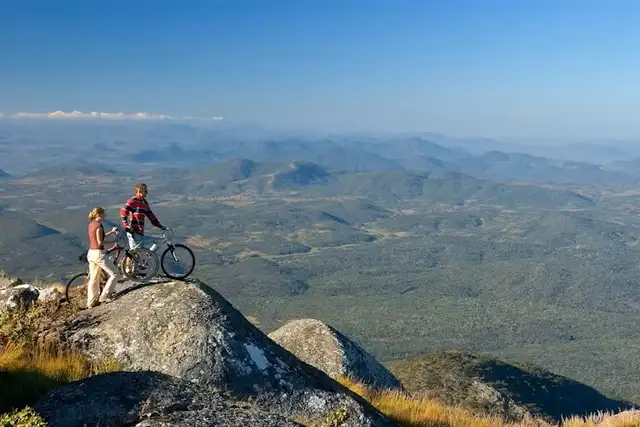
Malawi safari tours offer authentic wildlife, affordable packages, Big Five reserves, river safaris, and Lake Malawi relaxation with safe, welcoming travel experiences.
Is there anything you need to know about Malawi safari before planning your trip? The answer is yes, because Malawi offers a unique safari experience that blends wildlife, culture, and relaxation in ways that differ from its larger neighbors. Known as the “Warm Heart of Africa,” Malawi is welcoming and less crowded, making it ideal for travelers who prefer a more personal connection with nature. Its national parks and reserves, such as Majete Wildlife Reserve, Liwonde National Park, Nkhotakota Wildlife Reserve, and Nyika Plateau, provide opportunities to see elephants, lions, hippos, antelopes, and hundreds of bird species. Unlike destinations focused solely on wildlife, Malawi safari tours often combine game drives with river safaris and cultural visits, giving travelers a broader perspective.
Another highlight is the chance to pair your safari with Lake Malawi, one of Africa’s largest freshwater lakes, offering beaches, snorkeling, and sunset cruises. The dry season from May to October is the best time to visit, as wildlife gathers around rivers and waterholes, making sightings easier. Costs are generally lower compared to Kenya or Tanzania, and lodges range from budget-friendly camps to luxury eco-lodges. With its growing conservation success, safe environment, and authentic atmosphere, Malawi safari tours deliver value, variety, and memorable experiences.
Top African safari packages
3 Day Best Malawi Safari Parks Tour
3 Day Majete Safari Malawi and Big Five
4 Day Budget Safari Malawi to Nyika and Vwaza Marsh Wildlife Reserve
2 day Gorilla trekking safari in Rwanda
2 Days Nyungwe Chimpanzee and Canopy Walk Safari in Rwanda
3 Days Gorilla and Golden Monkey Trekking Rwanda Tour
3 Days Safari to Rwanda and Uganda Gorilla Trekking
2-days-fly-in-serengeti-safari-in-tanzania
2-days-tarangire-national-park-and-ngorongoro-crater-safari
3-days-tanzania-safari-in-serengeti-national-park
3-days-tanzania-wildlife-safari
4-days-epic-tanzania-wildlife-and-culture-safari
The Top FAQs About Malawi safari tours
Is Malawi good for safari?
Malawi safari is a strong choice for travelers who want a mix of wildlife and culture without heavy crowds. The country has several national parks and reserves where you can see elephants, hippos, antelopes, and even lions. Compared to larger safari destinations, Malawi offers a quieter and more personal experience, making it easier to connect with nature. The lodges and camps are improving, and conservation projects are helping wildlife numbers grow. Malawi safari also combines well with Lake Malawi, giving visitors a chance to relax by the water after game drives. While the wildlife density may not match Tanzania or Kenya, the charm lies in its authenticity and affordability, making it a good option for those seeking value and variety in Africa.
How much is a safari in Malawi?
Malawi safari costs vary depending on the park, lodge, and length of stay, but it is generally more affordable than safaris in neighboring countries. Budget travelers can expect basic packages starting around $150–$250 per day, while mid-range options with comfortable lodges range from $300–$500 per day. Luxury Malawi safari experiences with private guides and high-end lodges can go above $600 per day. Prices usually include accommodation, meals, park fees, and game drives. Flights and transfers are extra, so planning ahead helps manage costs. Many operators also offer combined packages with Lake Malawi stays, which can reduce overall expenses. Compared to Kenya or Tanzania, Malawi provides good value for money, making it attractive for travelers who want a safari without overspending.
Where to go on safari in Malawi?
Malawi safari destinations include Majete Wildlife Reserve, Liwonde National Park, and Nkhotakota Wildlife Reserve. Majete is known for being a “Big Five” reserve, with elephants, lions, leopards, rhinos, and buffalo. Liwonde is famous for its river safaris, where you can see hippos, crocodiles, and birdlife along the Shire River. Nkhotakota offers a more remote Malawi safari experience, with elephants and growing wildlife populations after recent conservation efforts. Smaller parks like Nyika Plateau provide unique highland scenery and antelope species. Each location has its own character, so travelers can choose based on whether they prefer river views, savannah landscapes, or mountain settings. Combining two or more parks is common, giving visitors a wider range of wildlife and environments during their trip.
Which is the best month to visit Malawi?
The best month for Malawi safari depends on weather and wildlife visibility. The dry season, from May to October, is generally considered the most suitable time. During these months, animals gather around rivers and waterholes, making them easier to spot. June to August offers cooler temperatures, while September and October are hotter but excellent for game viewing. Rainy months from November to April bring green landscapes but can make roads muddy and wildlife harder to see. Many travelers prefer July and August for balanced conditions. Malawi safari during the dry season also pairs well with Lake Malawi visits, as the beaches are pleasant and water activities are more enjoyable. Planning around these months ensures a smoother and more rewarding safari experience.
Is Malawi safe to travel now?
Malawi safari trips are generally safe, as the country is known for its friendly people and stable environment. Crime rates are lower compared to some African nations, though petty theft can occur in busy towns, so basic precautions are advised. Roads and infrastructure are improving, but travelers should expect slower travel between parks. Health-wise, malaria is present, so preventive measures are important. Political stability has been consistent, and tourists are welcomed warmly. Malawi safari operators and lodges maintain safety standards, and guides are trained to handle wildlife responsibly. As with any destination, staying updated on travel advisories and using reputable tour companies adds extra security. Overall, Malawi remains a safe and welcoming place for visitors interested in wildlife and cultural experiences.
What is the best time to see wildlife in Malawi?
The best time for Malawi safari wildlife viewing is during the dry season, from May to October. Animals are easier to spot because vegetation is thinner, and they gather near rivers and waterholes. Liwonde National Park and Majete Wildlife Reserve are especially rewarding during these months, with elephants, hippos, and lions more visible. Birdwatching is also excellent, particularly from June to August. While the rainy season brings lush greenery, wildlife tends to spread out, making sightings less frequent. For travelers focused on photography, the dry season offers clear skies and better lighting. Malawi safari during this period ensures higher chances of seeing diverse species, making it the most practical time for those who want consistent and rewarding game drives.
Where to see lions in Malawi?
Lions in Malawi safari tours are mainly found in Majete Wildlife Reserve and Liwonde National Park. Majete is the country’s first Big Five reserve, where lions were reintroduced as part of conservation efforts. Liwonde also has a growing lion population, thanks to wildlife relocation projects. Sightings are not as frequent as in Kenya or Tanzania, but they are possible with patience and guided drives. Nkhotakota Wildlife Reserve is still developing its predator populations, so lion sightings there are rare. For the best chance, travelers should plan at least two to three days in Majete or Liwonde. Malawi safari guides are skilled at tracking lions, and early morning or late afternoon drives increase the likelihood of spotting these big cats.
Which time is best for jungle safari?
The best time for a jungle-style Malawi safari is during the dry season, from May to October. This period offers clearer paths, less dense vegetation, and higher chances of seeing animals. Liwonde National Park is ideal for jungle-like safaris, with river cruises and forested areas that provide a different perspective compared to open savannahs. During the rainy season, trails can become muddy, and wildlife is harder to spot in thick greenery. However, birdlife is abundant at that time. For those who want a balance of comfort and wildlife viewing, June to August is recommended. Malawi safari in these months ensures smoother travel conditions and better visibility, making it easier to enjoy both forested and river habitats without major challenges.
Is Malawi good for tourists?
Malawi safari and tourism are well-suited for travelers who want a mix of wildlife, culture, and relaxation. The country is welcoming, with friendly locals and a reputation for hospitality. Infrastructure is growing, with lodges, camps, and hotels offering options from budget to luxury. Lake Malawi adds variety, giving tourists a chance to enjoy beaches and water activities alongside safaris. Compared to larger destinations, Malawi offers a quieter and more personal experience, which many visitors appreciate. Malawi safari tours are often combined with cultural visits to villages, making the trip more meaningful. While it may not have the same wildlife density as Tanzania or Kenya, its affordability, authenticity, and warmth make Malawi a good destination for tourists seeking value and diversity.
Can I wear shorts in Malawi?
Yes, wearing shorts in Malawi safari areas and tourist zones is acceptable, especially in parks and lodges where casual clothing is common. However, in towns and villages, modest dress is appreciated, as Malawi is a conservative country. Lightweight shorts are practical for warm weather, but longer trousers are recommended during game drives to protect against insect bites. Malawi safari travelers often pack both shorts and light trousers to adapt to different settings. For cultural visits, knee-length or longer clothing is more respectful. Overall, shorts are fine for leisure and safari activities, but being mindful of local customs ensures a smoother experience. Packing versatile clothing helps balance comfort and respect while traveling across different regions of Malawi.
Can I go to Malawi without a visa?
Visa requirements for Malawi safari travelers depend on nationality. Citizens of some countries, including most in southern Africa, can enter Malawi without a visa for short stays. Others, such as travelers from the US, UK, and EU, usually need a visa, which can be obtained online or on arrival. Costs range from $50–$75 depending on the type and duration. It is important to check current regulations before traveling, as policies can change. Malawi safari operators often assist with visa guidance to make the process easier. Having a valid passport with at least six months’ validity is required. Planning ahead ensures smooth entry, and travelers should confirm details with official immigration sources before booking their trip.
Do they speak English in Malawi?
Yes, English is widely spoken in Malawi safari regions and across the country. It is the official language used in schools, government, and business. This makes communication easy for most international visitors. In addition to English, Chichewa is the national language spoken by locals in daily life. Guides, lodge staff, and park rangers are fluent in English, so travelers will not face major language barriers during Malawi safari tours. Learning a few basic Chichewa phrases can be appreciated by locals, but it is not necessary for travel. Overall, English ensures smooth communication for tourists, making Malawi accessible and comfortable for visitors from different parts of the world. This adds convenience to planning and enjoying safari experiences.
How to get there for Malawi safari
To reach Malawi safari destinations, most travelers fly into Kamuzu International Airport (Lilongwe) or Chileka International Airport (Blantyre). International connections are usually through Johannesburg, Nairobi, or Addis Ababa, making it easy to link from major hubs. From Lilongwe, Nkhotakota Wildlife Reserve and Nyika Plateau are more accessible, while Blantyre is better for Majete Wildlife Reserve and Liwonde National Park. Road transfers are common, though travel can be slow, so many visitors prefer booking with safari operators who provide reliable vehicles and guides. Domestic charter flights are also available, reducing travel time to remote reserves. Planning your arrival airport based on your chosen park ensures smoother logistics for your Malawi safari experience.
Once in Malawi, getting to safari parks involves either guided road transfers or charter flights. Roads between cities and reserves are improving, but expect several hours of travel, especially to Majete or Nyika Plateau. Tour operators usually include transfers in their packages, making it easier for visitors to focus on the wildlife experience. For those combining safari with Lake Malawi, routes are straightforward, as many lodges arrange direct transfers between the lake and nearby parks. Health preparation is important, with malaria prevention and travel insurance recommended. Overall, arriving through Lilongwe or Blantyre and connecting by road or air is the most practical way to start a Malawi safari, ensuring access to both wildlife reserves and cultural highlights.
Top places to visit on Malawi safari tour
Majete Wildlife Reserve is Malawi’s first Big Five destination, where elephants, lions, leopards, rhinos, and buffalo roam freely after successful reintroduction programs. Liwonde National Park is another highlight, famous for its river safaris along the Shire River, where hippos, crocodiles, elephants, and diverse birdlife are easily spotted. Nkhotakota Wildlife Reserve provides a more remote Malawi safari experience, with large elephant herds and ongoing conservation projects that are steadily increasing wildlife numbers. For those seeking something different, Nyika Plateau offers highland scenery, rolling grasslands, and rare antelope species, making it a unique safari setting compared to the savannah parks.
A Malawi safari tour is often combined with Lake Malawi, giving travelers a chance to balance wildlife viewing with beach relaxation. Many itineraries pair Liwonde or Majete with lakeside lodges, creating a mix of safari and water-based activities. Birdwatchers will find Malawi especially rewarding, as the country hosts hundreds of species across its reserves. The appeal of these destinations lies in their quieter atmosphere compared to larger safari countries, allowing for more personal and less crowded experiences. Whether tracking rhinos in Majete, cruising rivers in Liwonde, or exploring the highlands of Nyika, Malawi safari tours deliver variety and authenticity for travelers seeking both wildlife and cultural depth
Top activities do during Malawi safari
Game drives are the core of any Malawi safari, offering the chance to see elephants, lions, hippos, and antelopes across reserves like Majete and Liwonde. Morning and evening drives are the most productive, as animals are more active during cooler hours. Guides use their knowledge to track wildlife, making sightings more rewarding. Rhino tracking on foot is another unique activity, especially in Majete, where conservation efforts have successfully reintroduced black rhinos. This guided experience allows visitors to learn about anti-poaching measures and the importance of protecting endangered species while enjoying close but safe views of these powerful animals.
River safaris in Liwonde National Park are a highlight, giving travelers a different perspective from the water. Cruising along the Shire River, you can watch hippos, crocodiles, elephants, and countless bird species in their natural habitats. Birdwatching is particularly rewarding in Malawi, with hundreds of species including fish eagles, kingfishers, and rare migratory birds. For those seeking variety, combining a Malawi safari with Lake Malawi activities such as snorkeling, kayaking, or sunset cruises adds balance to the trip. This mix of land and water-based experiences makes Malawi safari tours stand out compared to more traditional destinations.
Another top activity is exploring the highlands of Nyika Plateau, where rolling grasslands and unique antelope species create a different safari feel. Walking safaris are popular here, allowing visitors to enjoy the scenery and wildlife at a slower pace. Conservation-focused activities, such as learning about wildlife relocation projects in Nkhotakota, also add depth to the safari experience. Many lodges and operators encourage cultural visits to nearby villages, giving travelers insight into local traditions and daily life. Together, these activities make a Malawi safari more than just wildlife viewing it becomes a blend of nature, conservation, and culture that appeals to travelers seeking authentic and varied experiences
What to carry for Malawi safari by travelers
When preparing for a Malawi safari, travelers should carry lightweight neutral-colored clothing, sturdy walking shoes, a wide-brim hat, sunglasses, and insect repellent to stay comfortable in both warm and cooler conditions. A good camera with extra batteries and memory cards is essential for capturing wildlife moments, while binoculars help spot animals and birds at a distance. Sunscreen and reusable water bottles are practical for long game drives, and a small medical kit with personal prescriptions adds peace of mind. Documents such as passport, visa (if required), and travel insurance papers should be kept safe and accessible. Packing a light jacket or sweater is useful for early morning or evening drives, and eco-friendly toiletries ensure you respect the environment during your Malawi safari experience.
Best places to stay in on for Malawi safari
The best places to stay during a Malawi safari include lodges and camps located inside or near the main reserves, offering comfort and close access to wildlife. In Majete Wildlife Reserve, Mkulumadzi Lodge provides luxury stays with river views, while Thawale Lodge offers a more budget-friendly option. Liwonde National Park features Mvuu Lodge and Camp, known for its riverfront setting and excellent game viewing. For a remote experience, Tongole Wilderness Lodge in Nkhotakota Wildlife Reserve combines eco-friendly design with access to elephant herds. On the Nyika Plateau, Chelinda Lodge and Camp give travelers a unique highland safari atmosphere. These accommodations balance convenience, wildlife access, and cultural immersion, making them ideal bases for enjoying a Malawi safari while catering to different budgets and preferences.
Booking Malawi safari with Lamz Tours and Travel
Booking a Malawi safari with Lamz Tours and Travel is a straightforward way to enjoy a well-organized and authentic wildlife experience. The company specializes in tailoring itineraries that cover top reserves such as Majete Wildlife Reserve, Liwonde National Park, Nkhotakota Wildlife Reserve, and Nyika Plateau, often combined with Lake Malawi stays for added variety. Packages usually include accommodation, meals, park fees, guided game drives, and transfers, ensuring travelers don’t have to worry about logistics. Lamz Tours and Travel focuses on value, responsible tourism, and personalized service, making it easier to match safari styles with traveler preferences, whether budget-friendly or luxury. By booking through Lamz Tours and Travel, visitors gain access to expert guidance, reliable planning, and a seamless Malawi safari experience that balances wildlife, culture, and relaxation
Ready to plan your safari?
Talk to a Lamz Tours specialist and get a tailor-made quote.
Make an enquiry