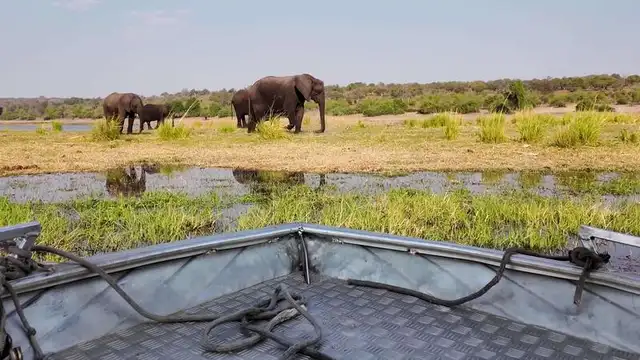
Explore Botswana safari tour highlights, from Okavango Delta to Chobe and Kalahari, offering diverse wildlife, landscapes, and cultural experiences.
A Botswana safari tour is one of Africa’s most rewarding wildlife experiences, offering travelers diverse landscapes and rich animal encounters. The Okavango Delta provides unique water-based safaris where elephants, hippos, and birdlife thrive in seasonal floods. Chobe National Park is home to Africa’s largest elephant herds and river cruises that bring travelers close to wildlife. Moremi Game Reserve combines wetlands and savannahs, offering reliable predator sightings. Makgadikgadi Salt Pans and the Central Kalahari highlight desert-adapted species and wide horizons. Nxai Pan National Park features baobab trees and seasonal migrations, while Savuti is known for dramatic predator-prey activity. Khwai Community Area blends wildlife with cultural experiences, Tuli Block adds history and rocky scenery, and Kgalagadi Transfrontier Park showcases desert lions and red dunes.
Popular African safari packages
The Top FAQs About Botswana Safari Tour
1. How much does a Botswana safari cost?
A Botswana safari tour can vary widely in cost depending on the level of comfort, season, and location. Budget travelers may spend around $250–$400 per day, while luxury lodges can exceed $1,000 per person daily. The price usually includes accommodation, meals, game drives, and sometimes charter flights to remote camps. A Botswana safari tour is more expensive than in many other African countries because of its low-impact, high-value tourism model, which limits visitor numbers to protect the environment. This ensures exclusivity and excellent wildlife viewing. Travelers should plan carefully, considering whether they want a lodge-based safari, mobile camping, or a mix of both. Costs also rise in peak season (June–October), when wildlife viewing is at its best.
2. Why can't I wear white on safari?
Wearing white on a Botswana safari tour is discouraged because it easily shows dust and dirt, which are common during game drives. The bright color can also make you stand out to animals, reducing the chance of blending into the environment. Neutral tones like khaki, brown, and olive are recommended as they help you stay comfortable and less noticeable. A Botswana safari tour often involves long hours outdoors, so practical clothing choices matter for both safety and convenience. White clothing can also attract insects, especially in areas near water. By choosing muted colors, travelers not only stay cleaner but also respect the natural setting. Packing wisely ensures a smoother safari experience without unnecessary distractions.
3. Is it safe to visit Botswana now?
Yes, Botswana is considered one of Africa’s safest safari destinations, with stable governance and well-managed tourism. A Botswana safari tour is generally safe, as lodges and camps follow strict safety protocols for wildlife encounters. Travelers should still take normal precautions, such as avoiding walking alone at night in towns and following guide instructions in reserves. Health-wise, malaria can be a concern in some areas, so preventive measures are advised. A Botswana safari tour also benefits from the country’s commitment to conservation, which ensures well-regulated parks and professional guides. Political stability and low crime rates compared to many regions make Botswana a reliable choice for international visitors. Overall, it remains a secure destination for safari travel.
4. Which country is better for a safari, Namibia or Botswana?
Choosing between Namibia and Botswana depends on traveler preferences. Namibia offers dramatic desert landscapes like the Namib Desert and Etosha National Park, while a Botswana safari tour focuses on wetlands, rivers, and abundant wildlife. Namibia is often more affordable and accessible by road, while Botswana emphasizes exclusivity with fly-in lodges and fewer crowds. A Botswana safari tour is ideal for travelers seeking close wildlife encounters in pristine habitats such as the Okavango Delta and Chobe National Park. Namibia, on the other hand, appeals to those interested in scenery, photography, and cultural experiences with the Himba people. Both countries are excellent, but Botswana is better for concentrated wildlife viewing, while Namibia excels in landscapes and adventure.
5. What's the best month to go to Botswana?
The best month for a Botswana safari tour is typically September, when wildlife viewing is at its peak and temperatures are warm but manageable. During this time, animals gather around limited water sources, making sightings more reliable. A Botswana safari tour in September also benefits from clear skies and dry conditions, which are ideal for photography. June to October is generally considered the prime season, but September balances excellent game viewing with fewer extreme temperatures compared to October. Travelers visiting in the green season (November–March) will find lower prices and lush scenery, though wildlife is more dispersed. Ultimately, September offers the best mix of comfort, activity, and wildlife concentration for most visitors.
6. Which country is better for a safari, Kenya or Botswana?
Kenya is famous for the Great Migration in the Maasai Mara, while a Botswana safari tour is known for exclusivity and diverse habitats like the Okavango Delta. Kenya offers more budget-friendly options and larger crowds, while Botswana emphasizes privacy with fewer visitors. A Botswana safari tour provides excellent predator sightings, large elephant herds, and unique water-based safaris. Kenya is ideal for travelers who want dramatic migration scenes and cultural experiences with the Maasai people. Botswana, however, is better suited for those seeking a quieter, more intimate safari with consistent wildlife viewing year-round. Both countries are outstanding, but Botswana stands out for its low-impact tourism model and pristine wilderness.
7. Is Tanzania or Botswana better for a safari?
Tanzania is renowned for the Serengeti and Ngorongoro Crater, offering vast savannahs and the Great Migration. A Botswana safari tour, however, focuses on varied ecosystems like the Okavango Delta, Chobe, and the Kalahari. Tanzania often attracts larger crowds due to its global fame, while a Botswana safari tour emphasizes exclusivity and fewer visitors. Wildlife viewing in Botswana is consistent year-round, with elephants, lions, and hippos being highlights. Tanzania excels in dramatic migration spectacles, while Botswana offers more diverse safari styles, including water-based and desert experiences. For travelers seeking privacy and unique habitats, Botswana is often the better choice, while Tanzania appeals to those wanting iconic migration scenes and expansive landscapes.
Ready to plan your safari?
Talk to a Lamz Tours specialist and get a tailor-made quote.
Make an enquiry