Affordable African safari Tanzania costs, best months, cheapest options, luxury choices, tips, and FAQs to plan your safari with confidence
An African safari Tanzania is one of the most rewarding travel experiences, offering travelers a chance to witness diverse wildlife in their natural habitats while enjoying the unique landscapes of East Africa. From the endless plains of the Serengeti to the dramatic Ngorongoro Crater, Tanzania provides unmatched opportunities to see lions, elephants, giraffes, zebras, and even the Great Migration. The country’s safari options cater to different budgets, ranging from affordable camping trips to luxury lodges with private guides. African safari Tanzania is not just about wildlife; it also includes cultural experiences with local communities, giving travelers a deeper understanding of the region’s traditions and way of life.
Planning an African safari Tanzania requires careful consideration of costs, timing, and destinations to ensure the best experience. Travelers can choose between popular northern circuits with Serengeti and Ngorongoro or quieter southern parks like Ruaha and Selous for more privacy. The dry season from June to October is ideal for wildlife viewing, while the green season offers lower prices and fewer crowds. Whether it’s a short trip or a two-week adventure, African safari Tanzania provides flexibility and variety, making it suitable for couples, families, and solo travelers seeking both adventure and relaxation
Best African safari Tanzania packages
3-days-tanzania-wildlife-safari
4-days-epic-tanzania-wildlife-and-culture-safari
5-day-kenya-and-tanzania-safari
5-days-circuit-wildlife-safari-in-tanzania
6-days-ndutu-migration-safari-calving-season
8-day-serengeti-ngorongoro-crater-and-zanzibar
8-days-wildlife-and-beach-holiday-tanzania
8-days-wildlife-safari-tanzania
2-days-fly-in-serengeti-safari-in-tanzania
How much does it cost to go on African safari Tanzania?
The cost of an African safari Tanzania varies widely depending on the level of comfort, season, and parks visited. Budget safaris can start from $150–$250 per day, mid-range options range between $350–$600 per day, while luxury packages can exceed $1,000 per day. Prices usually include park fees, accommodation, meals, and transport. Travelers should also consider extra costs like tips, drinks, and optional activities. Choosing group tours or camping reduces expenses, while private lodges increase them. African safari Tanzania prices are higher during peak seasons like July to October when wildlife viewing is at its best. Planning early and comparing operators helps secure better deals
How much is 2 weeks African safari Tanzania?
Two weeks in Tanzania can cost anywhere from $2,500 to $10,000 depending on the safari style chosen. A budget African safari Tanzania with camping and shared vehicles may cost closer to $2,500–$3,500, while mid-range lodges and guided tours average $5,000–$7,000. Luxury trips with private guides, exclusive lodges, and internal flights can easily reach $10,000 or more. African safari Tanzania packages often include daily game drives, meals, and park fees, but travelers should budget extra for cultural tours, tips, and souvenirs. Costs also depend on whether Zanzibar or other destinations are added to the itinerary. Careful planning ensures value for money while balancing comfort and adventure.
What is the cheapest way to do African safari Tanzania?
The cheapest way to enjoy an African safari Tanzania is by joining group tours, choosing camping options, and visiting fewer parks. Public campsites and shared vehicles reduce costs significantly compared to private lodges and customized tours. Travelers can also save by booking during the low season, usually March to May, when prices drop due to rains. African safari Tanzania operators often provide budget packages that include basic meals, tents, and guided drives. Using local transport or arranging safaris directly with community guides can cut expenses further. While cheaper options mean less comfort, they still provide excellent wildlife viewing opportunities
How much is an African safari Tanzania for 2 people?
An African safari Tanzania for two people can range from $3,000 to $15,000 depending on the level of service. Budget camping safaris for two may cost around $3,000–$4,500 for a week, while mid-range lodge stays average $6,000–$9,000. Luxury safaris with private guides, exclusive lodges, and internal flights can reach $12,000–$15,000. African safari Tanzania packages usually cover accommodation, meals, park fees, and transport, but extras like drinks, tips, and cultural visits add to the total. Couples often choose private tours for flexibility, which increases costs compared to group safaris
Where is the cheapest safari in Africa?
The cheapest safaris in Africa are often found in countries like Uganda, Malawi, and Zambia, where park fees and accommodation costs are lower. Compared to African safari Tanzania, these destinations can offer daily rates starting from $100–$150. Uganda’s Queen Elizabeth National Park and Malawi’s Majete Wildlife Reserve are examples of affordable options. African safari Tanzania tends to be more expensive due to high park fees and demand, but budget travelers can still find group camping tours at reduced rates. Choosing less-visited parks and traveling in the off-season helps cut costs across Africa
How much money should I take on an African safari Tanzania?
For an African safari Tanzania, travelers should budget at least $50–$100 per day for extras beyond the package cost. This covers tips for guides and staff, drinks, souvenirs, and optional activities. While most meals and park fees are included in safari packages, having cash on hand is useful for local purchases. African safari Tanzania lodges and camps often accept cards, but rural areas may not. Carrying small denominations in local currency helps with tipping and buying crafts. Planning ahead ensures travelers are not caught off guard by unexpected expenses
Where is the most expensive safari in Africa?
The most expensive safaris in Africa are found in Botswana, particularly in the Okavango Delta, where luxury lodges and private concessions dominate. Compared to African safari Tanzania, Botswana safaris can cost $1,500–$3,000 per person per day. Exclusive lodges, private flights, and personalized services drive up costs. African safari Tanzania also offers luxury options, especially in Serengeti and Ngorongoro, but Botswana’s remote access and exclusivity make it pricier. South Africa’s private reserves also rank high in cost. Luxury travelers often choose these destinations for privacy and premium experiences
What is the best month to go on an African safari Tanzania?
The best months for an African safari Tanzania are June to October, when wildlife viewing is at its peak due to dry conditions. During this time, animals gather around water sources, making sightings easier. African safari Tanzania is also popular from December to February, offering good weather and fewer crowds compared to peak season. The rainy months of March to May are cheaper but can make roads muddy and wildlife harder to spot. Travelers should choose months based on budget, comfort, and desired experiences
Do you need malaria pills for African safari Tanzania?
Yes, malaria pills are recommended for an African safari Tanzania because the region is considered a malaria zone. Travelers should consult their doctor for the right medication before visiting. African safari Tanzania lodges often provide mosquito nets, and using repellents and wearing long sleeves at night helps reduce risk. While not mandatory, malaria prevention is strongly advised to ensure safety during the trip. Planning ahead with proper medication and precautions makes the safari experience more secure
Which safari is better, Kruger or Serengeti?
Choosing between Kruger and Serengeti depends on preferences. Kruger in South Africa offers easier access, lower costs, and diverse wildlife in a well-developed park. African safari Tanzania in Serengeti is famous for the Great Migration and vast open plains, making it unique. Both parks provide excellent game viewing, but Serengeti offers a more raw wilderness feel compared to Kruger’s structured infrastructure. African safari Tanzania in Serengeti is often preferred by travelers seeking dramatic wildlife spectacles, while Kruger suits those wanting convenience and affordability
How many days are enough for a safari?
For an African safari Tanzania, 5 to 7 days are usually enough to cover major parks like Serengeti and Ngorongoro. Shorter safaris of 3–4 days can provide good experiences but may feel rushed. African safari Tanzania itineraries of a week allow travelers to enjoy multiple parks, varied landscapes, and better chances of seeing diverse wildlife. Longer safaris of 10–14 days are ideal for those wanting a deeper experience, including cultural visits and relaxation. The right duration depends on budget, time, and personal interests
Is Masai Mara or Serengeti better?
Masai Mara in Kenya and Serengeti in Tanzania are both excellent safari destinations. African safari Tanzania in Serengeti is larger, offering more extensive wildlife viewing and the Great Migration for longer periods. Masai Mara is smaller but has dense wildlife and is easier to access from Nairobi. African safari Tanzania in Serengeti is often chosen for its vastness and variety, while Masai Mara appeals to travelers seeking shorter, more affordable safaris. Both parks complement each other, and many travelers visit both for a complete experience
Is African safari Tanzania better in the morning or afternoon?
On an African safari Tanzania, morning drives are generally better for spotting active wildlife, as animals are more visible in cooler hours. Afternoon drives can also be rewarding, especially for predators preparing to hunt. African safari Tanzania operators often recommend combining both for a balanced experience. Morning safaris provide fresh light for photography, while afternoons allow for relaxed viewing. Travelers should plan at least one early morning and one late afternoon drive to maximize sightings
What is the safest country in Africa to visit?
The safest countries to visit in Africa include Botswana, Namibia, and Rwanda, known for stability and strong tourism infrastructure. Compared to African safari Tanzania, these destinations often rank higher in safety indexes. However, African safari Tanzania is also considered safe when traveling with reputable operators and following local advice. Most safari regions are well-managed, and risks are minimal with proper precautions. Travelers should avoid unsafe areas, respect local rules, and stay updated on travel advisories. Choosing trusted safari companies ensures peace of mind
Best safari destinations to visit on African safari Tanzania
An African safari Tanzania offers travelers a chance to explore some of the richest wildlife regions in Africa, combining vast plains, volcanic craters, and remote reserves. The northern circuit is the most popular, with Serengeti National Park standing out for its endless savannahs and the Great Migration, where millions of wildebeest and zebras move across the land. Ngorongoro Crater adds another dimension, with its enclosed ecosystem supporting lions, elephants, rhinos, and hippos all in one compact area. African safari Tanzania is unique because these destinations provide both dramatic landscapes and dense wildlife populations, ensuring every drive feels rewarding and memorable.
Beyond the famous northern parks, African safari Tanzania also shines in its southern and western regions, which are less crowded but equally rewarding. Selous Game Reserve and Ruaha National Park offer vast wilderness areas with fewer vehicles, making them ideal for travelers seeking privacy and raw nature. These destinations are known for large elephant herds, diverse birdlife, and predator sightings, all within quieter settings. African safari Tanzania in these regions provides a more intimate experience, where travelers can enjoy walking safaris, boat trips, and extended game drives without the pressure of crowds. The balance between wildlife and tranquility makes them perfect for longer stays.
African safari Tanzania is not only about wildlife but also about variety in experiences. Lake Manyara offers tree-climbing lions and flamingos, while Tarangire is famous for its baobab trees and massive elephant gatherings. Combining these with Serengeti and Ngorongoro creates a safari circuit that feels complete and diverse. African safari Tanzania destinations complement each other, allowing travelers to enjoy different landscapes, species, and safari styles within one trip. Whether choosing the drama of migration, the intimacy of southern parks, or the bird-rich lakes, Tanzania ensures every visitor leaves with a sense of richness and variety that few other countries can match
Best safari activities to do on an African safari Tanzania
An African safari Tanzania offers a wide mix of activities that go beyond just game drives, giving travelers a chance to experience the land and wildlife in different ways. From sunrise to sunset, the rhythm of the day is shaped by nature, and each activity adds a new layer of discovery. Morning drives often reveal predators still active from the night, while evenings bring a calmer atmosphere with herds gathering near waterholes. Walking safaris provide a closer look at tracks, plants, and smaller animals, allowing guests to appreciate details often missed from vehicles. The variety ensures that every day feels fresh and rewarding, making African safari Tanzania more than just watching animals it’s about connecting with the environment in multiple ways.
Another highlight is the cultural side of African safari Tanzania, where visits to local communities enrich the experience. Meeting Maasai or other groups introduces travelers to traditions, crafts, and ways of life that have coexisted with wildlife for centuries. These interactions add depth to the safari, showing how people and nature are linked. Beyond culture, hot air balloon rides over Serengeti plains provide breathtaking views of migrating herds and endless landscapes. Combining wildlife with human stories and aerial perspectives makes African safari Tanzania a balanced mix of adventure and learning.
Relaxation is also part of the safari rhythm, with lodges and camps offering spaces to unwind after long drives. Swimming pools, spa treatments, and sundowners by the fire allow travelers to recharge while still surrounded by wilderness. African safari Tanzania blends excitement with comfort, ensuring guests don’t feel rushed but instead enjoy moments of peace. Evenings often include storytelling by guides or stargazing under clear skies, adding a sense of calm to the adventure. This balance between activity and rest makes the safari sustainable and enjoyable for longer stays.
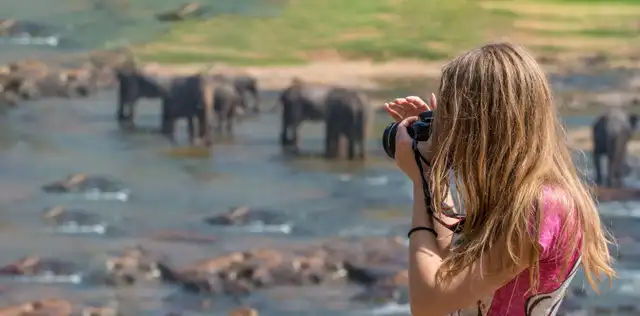
Photography plays a central role in African safari Tanzania, as the landscapes and wildlife provide endless opportunities for capturing memories. Whether it’s lions on the hunt, elephants crossing rivers, or flamingos coloring the lakes, every scene feels worth preserving. Guides often position vehicles for the best angles, and walking safaris allow for unique close-ups. African safari Tanzania is a paradise for both amateur and professional photographers, with light conditions changing throughout the day to create dramatic effects. The chance to document such diversity adds another layer of excitement to the trip.
Finally, African safari Tanzania is about variety and choice, where travelers can mix game drives, cultural visits, relaxation, and adventure activities into one itinerary. Each day offers something different, ensuring no two safaris feel the same. The combination of wildlife, landscapes, people, and leisure makes the experience rich and fulfilling. African safari Tanzania is not limited to one highlight but thrives on the blend of many, giving travelers a complete sense of Africa’s natural and cultural wealth. This diversity is what keeps safaris engaging and memorable, no matter how many times one visits
How to get there for African safari Tanzania
Getting to an African safari Tanzania usually starts with flying into Kilimanjaro International Airport near Arusha, which is the main gateway to northern parks like Serengeti, Ngorongoro, and Tarangire. Travelers can also arrive through Dar es Salaam or Zanzibar if combining beach stays with wildlife tours. From these entry points, domestic flights connect to airstrips inside major parks, saving time compared to long road transfers. African safari Tanzania can also be reached by driving from Arusha, with routes offering scenic views and cultural stops along the way. Most safari operators arrange transfers, making logistics straightforward, but booking flights early and coordinating with your chosen company ensures smooth travel. This mix of international access and local connections makes Tanzania convenient for safari visitors
What to pack for African safari Tanzania
Packing for an African safari Tanzania requires balancing comfort, practicality, and preparedness for changing conditions. Lightweight, neutral-colored clothing is best for blending into the environment and staying cool, while a warm jacket or fleece is essential for chilly mornings and evenings. Sturdy walking shoes, a wide-brimmed hat, and sunglasses protect against sun and dust, and insect repellent plus sunscreen are must-haves. A small backpack helps carry water, snacks, and essentials during game drives, while binoculars and a good camera enhance wildlife viewing. African safari Tanzania also calls for personal items like medications, travel documents, and cash in small denominations. Soft-sided luggage is recommended for easy transport in safari vehicles, and reusable water bottles support both convenience and sustainability
Best places to stay in during African safari Tanzania
When planning an African safari Tanzania, accommodation options range from budget-friendly campsites to mid-range lodges and luxury tented camps, each offering a different level of comfort and access to wildlife. Many travelers choose lodges near Serengeti, Ngorongoro, and Tarangire, where staying close to the parks maximizes game viewing time. Luxury tented camps provide spacious rooms, private decks, and fine dining, while mid-range lodges balance affordability with comfort, often including swimming pools and guided activities. Budget travelers can opt for public campsites or simple guesthouses that still allow easy access to safari routes. African safari Tanzania accommodation is designed to suit different preferences, ensuring travelers can enjoy both convenience and immersion in nature while resting in safe, well-managed facilities
Booking African safari Tanzania with Lamz Tours and Travel
Booking an African safari Tanzania with Lamz Tours and Travel ensures a well-planned, value-driven experience tailored to your needs. The company specializes in creating detailed itineraries that cover top destinations like Serengeti, Ngorongoro, Tarangire, and Zanzibar, blending wildlife adventures with cultural and relaxation options. African safari Tanzania packages through Lamz Tours and Travel include transport, park fees, accommodation, and guided game drives, making logistics simple and stress-free. Our expertise lies in matching travelers with the right lodges or camps, balancing comfort and budget while maintaining authenticity. With a focus on responsible tourism and personalized service, Lamz Tours and Travel provides travelers with confidence that every detail is handled professionally, allowing them to enjoy the safari without worrying about planning complexities
Ready to plan your safari?
Talk to a Lamz Tours specialist and get a tailor-made quote.
Make an enquiry