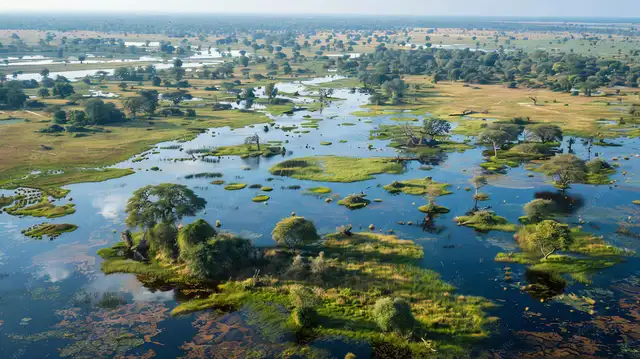
Top facts about Okavango Delta before a safari in Botswana, from unique floods to mokoro rides, wildlife diversity, and UNESCO recognition.
Wondering what makes the Okavango Delta so remarkable before planning a safari in Botswana? This inland delta is one of Africa’s most extraordinary ecosystems, formed when the Okavango River flows into the sands of the Kalahari Desert instead of reaching the sea. Seasonal floods transform the landscape, creating channels, lagoons, and islands that sustain a rich variety of wildlife. From lions and leopards to elephants and buffalo, the delta offers exceptional game viewing, though rhinos are limited to specific reserves. A safari in Botswana here is not only about the Big Five but also about unique species like sitatunga and African wild dogs. With mokoro canoe rides, fly-in camps, and UNESCO recognition, the Okavango Delta delivers both diversity and authenticity for travelers seeking value-driven experiences
Best Botswana safari tours
3 Days Best of Botswana Safari in Moremi Game Reserve
3 Days Botswana Safari in Chobe National Park from Victoria Falls
3 Days classic Chobe family safari packages
4 Day Botswana Safari with Makgadikgadi Zebra Migration Experience
4 Days Botswana Tour Combo with Chobe Safari and Victoria Falls
5 Days Botswana Tour in Okavango Delta and Moremi Game Reserve
5 Days Botswana Wildlife Safari
6 Days Botswana Family Safari in the Okavango Delta & Makgadikgadi NP
7 Days Makgadikgadi Pans, Okavango Delta, and Chobe Botswana Safari
Top Facts You Must Know About Okavango Delta Before Safari in Botswana
1. It’s Not a River to the Sea
The Okavango River flows from Angola into Botswana but never reaches the ocean. Instead, it disappears into the Kalahari Desert, creating an inland delta. This unusual hydrological process makes the area unique and supports a wide range of wildlife. For anyone planning a safari in Botswana, understanding this fact highlights why the delta is so special. The absence of an outlet means water spreads across floodplains, sustaining animals year-round. A safari in Botswana here is unlike other destinations because the river’s end creates a living wetland rather than joining the sea.
2. It Floods in the Dry Season
Peak floodwaters arrive between June and August, which is Botswana’s cool, dry winter. The reason is that rains in Angola take months to travel downstream. This timing creates a paradox: while the surrounding desert is dry, the delta is full of water. For travelers on a safari in Botswana, this means prime wildlife viewing during clear skies and mild temperatures. Animals crowd around islands and channels, making sightings easier. A safari in Botswana during this season offers both water-based and land-based experiences, giving visitors a rare chance to see concentrated wildlife in a dry landscape.
3. It’s a UNESCO World Heritage Site
The Okavango Delta was designated a UNESCO World Heritage Site in 2014 for its ecological and hydrological importance. Few places in the world are recognized for both qualities. This status protects the delta and ensures conservation efforts remain strong. For visitors on a safari in Botswana, this recognition guarantees that the area is preserved for future generations. It also emphasizes the global importance of the delta’s wildlife and water systems. A safari in Botswana here is not just about viewing animals but also about appreciating a protected ecosystem that is valued worldwide.
4. Size Changes Dramatically
The delta’s size ranges from 15,000 to 22,000 km² depending on flood levels. In high water years, it can be as large as half of Belgium, while in low years it shrinks significantly. This variation affects wildlife distribution and safari activities. For travelers on a safari in Botswana, timing matters because water levels determine accessibility and animal movement. Guides adjust routes based on conditions, ensuring visitors still enjoy productive game viewing. A safari in Botswana during peak floods offers expansive waterways, while low floods reveal more dry land for vehicle drives.
5. Water is Alkaline and Clear
Unlike many swamps, the Okavango Delta’s water is filtered through sand deposits, making it clear and slightly alkaline. This supports healthy ecosystems and reduces disease risks compared to stagnant wetlands. For visitors on a safari in Botswana, this means cleaner conditions and better visibility during boat trips. Wildlife thrives in this environment, from fish to large mammals. A safari in Botswana benefits from the clarity of the water, allowing travelers to appreciate both aquatic and land species in a healthier setting. The unique water quality is one reason the delta sustains such diverse life.
6. Mokoro Trips are Silent Safaris
Traditional mokoro canoes, now often fiberglass, are used to glide through shallow channels. Guided by locals, these trips allow quiet approaches to wildlife. Travelers may see elephants, hippos, and birds at close range. For those on a safari in Botswana, mokoro rides provide a perspective that vehicles cannot. The silence enhances the experience, focusing attention on sounds of nature. A safari in Botswana that includes mokoro trips adds variety and intimacy, giving visitors a deeper appreciation of the delta’s ecosystem. Expect to get your feet wet when stepping in and out of the canoe.
7. Big Five? No Rhinos
The Okavango Delta hosts lions, leopards, elephants, and buffalo, but rhinos are absent except in controlled areas of Moremi Game Reserve. This means completing the Big Five list is not possible in the main delta. For travelers on a safari in Botswana, this is important to know when setting expectations. While rhinos are rare, the delta compensates with other predators and unique species. A safari in Botswana here focuses on quality sightings of the four Big Five members plus African wild dogs, sitatunga, and red lechwe. Visitors should value the diversity beyond just the Big Five.
8. It Has Its Own Predators
Beyond the Big Five, the delta is home to specialized species like sitatunga, red lechwe, crocodiles, and African wild dogs. These animals thrive in the wetland environment and are highlights for wildlife lovers. For those on a safari in Botswana, seeing these predators adds depth to the experience. The delta’s ecosystem supports rare interactions not found elsewhere. A safari in Botswana here is enriched by these unique species, making the destination more than just a checklist of common animals. Observing them provides insight into how wildlife adapts to water-based habitats.
9. Best Accessed by Light Aircraft
Most camps in the Okavango Delta are accessible only by small bush planes from Maun, the gateway town. Road access is limited and rough, making flights the most practical option. For travelers on a safari in Botswana, flying in adds efficiency and saves time. It also offers stunning aerial views of the waterways and islands. A safari in Botswana that includes these flights ensures smoother logistics and maximizes time spent in the wilderness. Packing soft bags is essential due to aircraft restrictions, so preparation is key for a comfortable trip.
10. Dry Land is Actually Islands
What looks like mainland in the delta is actually thousands of islands formed by termite mounds. Chief’s Island is the largest and offers exceptional game viewing. For visitors on a safari in Botswana, understanding this geography explains why wildlife concentrates in certain areas. These islands provide dry ground for animals during floods, making them hotspots for sightings. A safari in Botswana that includes Chief’s Island often delivers some of the best predator action. Knowing the land’s formation helps travelers appreciate the delta’s unique structure and its role in supporting wildlife.
Top attractions to see in on Okavango during safari in Botswana
During a safari in Botswana, one of the top attractions in the Okavango Delta is Chief’s Island. This is the largest island in the delta, formed by ancient termite mounds, and it provides some of the best game viewing opportunities. Lions, leopards, elephants, and buffalo are often seen here, while rare species like African wild dogs also thrive. For travelers, a safari in Botswana that includes Chief’s Island offers concentrated wildlife sightings thanks to its dry land during flood season. The island was once a tribal hunting reserve and now stands as a prime conservation area, making it a must-see destination for anyone visiting the Okavango Delta.
Another highlight during a safari in Botswana is exploring the delta’s waterways by mokoro canoe. These traditional dugouts, now often fiberglass, allow visitors to glide silently through channels and lagoons. This activity provides close views of elephants, hippos, and birdlife in their natural habitats. A safari in Botswana that includes mokoro trips adds variety to the experience, offering a perspective that vehicles cannot. The quiet movement through shallow waters makes wildlife viewing more intimate and unique. Travelers should expect to get their feet wet when stepping in and out, but the reward is a peaceful and authentic way to connect with the delta’s ecosystem
Top safari activities to do in Okavango during safari in Botswana
During a safari in Botswana, one of the best activities in the Okavango Delta is taking a mokoro canoe ride. These traditional dugouts, now often fiberglass, allow travelers to glide quietly through shallow channels and lagoons. The silence makes it easier to see elephants, hippos, and birdlife up close without disturbing them. Guides use long poles to steer, giving visitors a safe and authentic way to explore the waterways. A safari in Botswana that includes mokoro trips adds variety to the experience, offering a perspective that vehicles cannot. It’s a simple but rewarding activity that connects travelers directly with the delta’s unique ecosystem.
Another top activity during a safari in Botswana is combining game drives with walking safaris. Vehicle drives cover larger areas, making it easier to spot lions, leopards, buffalo, and elephants. Walking safaris, guided by experts, focus on smaller details like animal tracks, plants, and birdlife. Together, they provide a balanced experience of both big and small aspects of the delta. A safari in Botswana that blends these activities ensures travelers see wildlife from different angles while learning about the environment. This combination maximizes value, giving visitors both the excitement of close animal viewing and the depth of understanding that comes from exploring on foot
What to carry for a safari in Botswana
For a safari in Botswana, packing smart ensures comfort, safety, and readiness for varied conditions. Carry neutral-colored clothing in layers, as mornings and evenings can be cool while midday temperatures rise. A wide-brimmed hat, sunglasses, and high-SPF sunscreen protect against the strong African sun. Comfortable walking shoes or boots are essential for game drives and short walks, while lightweight sandals are useful around lodges. Binoculars and a camera with spare batteries and memory cards help capture wildlife moments. Insect repellent with DEET is important, and anti-malarial medication should be discussed with a doctor before travel. A reusable water bottle, personal medications, and small-denomination USD for tips are practical additions. Keeping luggage light is advised, especially if using domestic flights with strict weight limits during a safari in Botswana
Where to stay in Okavango during safari in Botswana
During a safari in Botswana, the Okavango Delta offers a range of stays that balance comfort with access to wildlife. Luxury lodges such as Mombo Camp on Chief’s Island provide prime game viewing, while Xigera Safari Lodge combines modern design with traditional touches. For travelers seeking a more intimate experience, tented camps like Little Vumbura or Kwara Camp place guests closer to nature without sacrificing comfort. A safari in Botswana here often involves fly-in camps, meaning accommodations are remote and surrounded by wildlife. Choosing where to stay depends on budget and preference, but all options ensure direct access to the delta’s waterways, mokoro trips, and game drives, making the stay part of the adventure itself
Booking safari in Botswana with Lamz Tours and Travel
Booking a safari in Botswana with Lamz Tours and Travel ensures a well-organized and value-driven experience tailored to different traveler needs. The company handles all logistics, including park entry fees, transfers, accommodation, and guided activities, so visitors can focus on enjoying wildlife. A safari in Botswana through Lamz Tours and Travel covers prime destinations such as the Okavango Delta, Moremi Game Reserve, and Chobe National Park, offering strong chances of seeing elephants, lions, leopards, buffalo, and rare species like African wild dogs. Packages are flexible, ranging from luxury lodges to tented camps, and emphasize conservation and community support. Choosing Lamz Tours and Travel guarantees professional guidance, transparent pricing, and authentic experiences that maximize both comfort and wildlife viewing
Ready to plan your safari?
Talk to a Lamz Tours specialist and get a tailor-made quote.
Make an enquiry