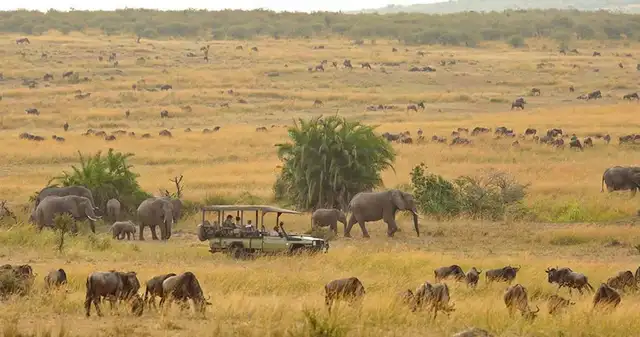
Best times for Tanzania Serengeti safari with migration highlights, predator action, year-round wildlife, and seasonal tips for comfort, cost, and planning.
Time perfectly for your Tanzania Serengeti safari to ensure you experience the park at its most rewarding moments. The Serengeti is vast, and wildlife movements shift across regions throughout the year, meaning timing directly shapes what you see and how you experience it. From July to October, the Northern Serengeti hosts the dramatic Mara River crossings, where thousands of wildebeest and zebra brave crocodile-filled waters. Between January and March, the Southern plains transform into calving grounds, with thousands of newborn wildebeest attracting predators and offering unmatched predator-prey action. June and November provide balanced shoulder seasons with fewer crowds, good weather, and strong wildlife viewing. Each period offers unique advantages, so aligning your travel dates with your priorities ensures maximum value from your Tanzania Serengeti safari.
Planning with precision also helps manage costs, comfort, and logistics during your Tanzania Serengeti safari. Peak months require booking well in advance and come with higher rates, while green season offers lower prices and fewer tourists. Weather plays a major role too dry months make animals easier to spot, while short rains refresh the plains and create striking photography opportunities. By choosing the right time, you not only secure better wildlife sightings but also enjoy smoother travel arrangements, stronger cultural experiences, and a safari tailored to your expectations.
Best and popular Tanzania safari packages
2-days-fly-in-serengeti-safari-in-tanzania
2-days-tarangire-national-park-and-ngorongoro-crater-safari
3-days-tanzania-safari-in-serengeti-national-park
3-days-tanzania-wildlife-safari
4-days-epic-tanzania-wildlife-and-culture-safari
5-day-kenya-and-tanzania-safari
5-days-circuit-wildlife-safari-in-tanzania
6-days-ndutu-migration-safari-calving-season
8-day-serengeti-ngorongoro-crater-and-zanzibar
8-days-wildlife-and-beach-holiday-tanzania
Why best timing matters for Tanzania Serengeti Safari
Timing is the single most important factor when planning a Tanzania Serengeti safari because wildlife movements and seasonal conditions directly shape the quality of the experience. The Serengeti is vast, and the Great Migration shifts across regions throughout the year, meaning travelers who choose the right months can witness either dramatic Mara River crossings or the calving season with thousands of newborn wildebeest. Weather also plays a major role: dry months make animals easier to spot around waterholes, while green months bring lower costs, fewer crowds, and excellent predator action. Roads, lodge availability, and photography opportunities all change with the seasons, so aligning travel dates with personal priorities ensures maximum value. A Tanzania Serengeti safari planned with precise timing guarantees stronger wildlife viewing, better comfort, and smarter budgeting
Top Excellent Times for Tanzania Serengeti Safari
Absolute Peak for Great Migration and River Crossings is Late July to October
During this period, a Tanzania Serengeti safari offers the most dramatic wildlife viewing as thousands of wildebeest and zebra gather in the Northern Serengeti near the Mara River. The dry season concentrates animals around limited water sources, making sightings predictable and clear. Visitors can watch the famous river crossings where herds risk crocodile-filled waters, creating unmatched wildlife drama. The weather is mostly dry and sunny, and sparse vegetation makes animals easy to spot. However, this is the busiest and most expensive time, with camps and lodges often booked a year in advance. Dustier conditions are common, and crowds are heavy, but for those seeking guaranteed migration action, a Tanzania Serengeti safari in this window is the most reliable choice.
Secret Peak for Calving Season and Green Season Late January to March
A Tanzania Serengeti safari during calving season in the Southern Serengeti (Ndutu plains) is highly rewarding for travelers who want predator action and fresh landscapes. Over 8,000 wildebeest calves are born daily, attracting lions, cheetahs, and hyenas, making predator-prey interactions frequent. The plains are green, skies dramatic, and birdlife excellent, creating strong photography opportunities. Rates are lower, and crowds are fewer compared to peak months, giving travelers more space and flexibility. Afternoon rains may occur, and some areas can be muddy, but they rarely disrupt full-day game drives. For those who value predator sightings, birthing season, and a balance of cost and experience, a Tanzania Serengeti safari at this time provides excellent wildlife viewing without the pressure of heavy tourist numbers.
The Sweet Spot Shoulder Seasons June and November
Choosing a Tanzania Serengeti safari in June or November offers a balance of wildlife, weather, and affordability. In June, herds move from the central Serengeti toward the north, with the Western Corridor showcasing long columns of wildebeest. The weather is cool and dry, making game drives comfortable. November brings short rains, refreshing the plains and turning them green while herds migrate south. Showers are brief, and wildlife remains active, with fewer tourists and better rates compared to peak months. These shoulder seasons are ideal for travelers who want strong wildlife viewing without the expense and crowds of the absolute peak. A Tanzania Serengeti safari in these months ensures good sightings, reasonable costs, and a more relaxed atmosphere for exploring the park.
For General Wildlife Viewing Year-Round
A Tanzania Serengeti safari is rewarding throughout the year, even outside migration events. The Central Serengeti (Seronera) hosts resident wildlife such as lions, elephants, giraffes, and leopards year-round. From June to October, the dry season makes animals easier to spot as they gather at waterholes, with cooler temperatures adding comfort. April and May bring the long rains, creating fresh landscapes and the lowest rates, though some camps close and roads can be challenging. Wildlife is more spread out, but birdwatching is excellent. For travelers who prioritize cost savings or want to avoid crowds, this period still offers strong safari experiences. A Tanzania Serengeti safari at any time guarantees diverse wildlife, with each season providing unique advantages depending on budget, preferences, and travel style
How to get there at best time for Tanzania Serengeti safari
Reaching the Tanzania Serengeti safari at the best time requires careful planning around the migration calendar and seasonal weather. Most travelers fly into Kilimanjaro International Airport or Dar es Salaam, then connect to Arusha, the main safari hub. From there, small charter flights or long drives take you directly into different Serengeti regions depending on the season. For river crossings between July and October, lodges in the Northern Serengeti or Mara area are ideal, while Ndutu plains are best for calving season between January and March. Booking flights and accommodations at least a year in advance is strongly advised, as peak months fill quickly. Aligning arrival with the migration’s location ensures your Tanzania Serengeti safari delivers the wildlife drama you expect.
To get there smoothly, travelers should match their transport and lodging choices with the timing of their Tanzania Serengeti safari. Charter flights save time and place you close to migration hotspots, while road transfers offer flexibility and lower costs but require longer travel hours. June and November shoulder seasons allow easier bookings and better rates, making logistics less stressful. During the wet months of April and May, some camps close, so confirming availability before travel is essential. Working with safari operators who track herd movements helps secure the right camp at the right time. By combining smart flight connections, early reservations, and seasonal awareness, you maximize both comfort and wildlife viewing during your Tanzania Serengeti safari.
Top activities not to miss at best time for Tanzania Serengeti safari
Witnessing the Mara River Crossings
One of the most dramatic highlights of a Tanzania Serengeti safari during the peak season from late July to October is watching thousands of wildebeest and zebra attempt the perilous Mara River crossings. Crocodiles wait in the waters, predators linger nearby, and the sheer scale of the herds makes this a spectacle unlike any other. Travelers should position themselves in the Northern Serengeti, where crossings happen daily, though timing can be unpredictable. Patience is key, as herds often gather on the banks before finally plunging in. This activity is best experienced with guides who track herd movements, ensuring you are in the right place at the right time for your Tanzania Serengeti safari.
Calving Season and Predator Action
From late January to March, the Southern Serengeti and Ndutu plains host calving season, a must-see activity for any Tanzania Serengeti safari. Over 8,000 wildebeest calves are born daily, attracting predators such as lions, cheetahs, and hyenas. Watching predator-prey interactions in open plains offers unmatched wildlife drama, with guides often able to track hunting behavior. Birdwatching is also excellent, with migratory species adding variety to sightings. The green landscapes and dramatic skies provide strong photography opportunities, making this season ideal for those who value both wildlife and scenery. A Tanzania Serengeti safari during calving season ensures travelers witness life-and-death moments while enjoying fewer crowds and more affordable rates compared to peak migration months.
Game Drives in the Central Serengeti
The Central Serengeti, particularly the Seronera Valley, is a year-round highlight for a Tanzania Serengeti safari. This area hosts resident wildlife including lions, leopards, elephants, giraffes, and buffalo, ensuring consistent sightings regardless of migration timing. Game drives here are rewarding in both dry and wet seasons, with predators often seen resting on kopjes or stalking prey in open grasslands. The region’s permanent water sources attract animals daily, making it reliable for safari activities. Travelers benefit from diverse wildlife encounters without needing to chase migration herds. A Tanzania Serengeti safari in Seronera is perfect for those who want guaranteed big cat sightings and a balanced safari experience, offering strong wildlife viewing even outside the migration calendar.
Hot Air Balloon Safari
A hot air balloon ride is one of the most unique activities during a Tanzania Serengeti safari, especially in peak migration months. Floating silently above the plains at sunrise provides a bird’s-eye view of herds, predators, and the vast landscapes stretching endlessly. This activity combines wildlife viewing with an unforgettable perspective, allowing travelers to appreciate the Serengeti’s scale and beauty. Balloon safaris typically end with a champagne breakfast in the bush, adding a special touch to the experience. While more costly than standard game drives, the value lies in the exclusivity and photographic opportunities. For travelers seeking something extraordinary, a Tanzania Serengeti safari with a balloon ride offers a perspective that ground-level activities cannot match.
Walking Safaris and Cultural Visits
For travelers wanting a deeper connection, walking safaris and cultural visits are excellent additions to a Tanzania Serengeti safari. Guided walks allow participants to explore smaller details often missed in vehicles, such as animal tracks, plants, and birdlife. These safaris emphasize safety and education, led by experienced rangers. Cultural visits to nearby communities, such as the Maasai, provide insight into traditional lifestyles and conservation efforts. Combining wildlife with cultural learning enriches the safari experience, offering travelers a broader understanding of the region. A Tanzania Serengeti safari that includes walking and cultural elements ensures variety, balancing dramatic wildlife viewing with meaningful human connections, making the trip more comprehensive and rewarding for those seeking more than just game drives.
Night Game Drives
A Tanzania Serengeti safari at night reveals a completely different side of the park. With special permits and guides, travelers can explore after dark when nocturnal animals become active. Lions patrol, leopards hunt, and smaller species like civets, genets, and bushbabies are easier to spot. The silence of the night combined with spotlight tracking creates a unique atmosphere. This activity is especially rewarding during dry months when predators are more active around waterholes. Night drives are not available everywhere, so choosing camps that offer them is important. Experiencing wildlife behavior under the stars adds depth to a Tanzania Serengeti safari, making it more diverse than daytime game drives alone.
Photography Safaris
For those passionate about capturing wildlife, a Tanzania Serengeti safari tailored for photography is highly rewarding. Guides position vehicles for the best angles, ensuring clear shots of predators, herds, and landscapes. During calving season, dramatic skies and green plains provide strong backdrops, while the dry season offers sharp visibility and dust trails that enhance action shots. Specialized vehicles with open sides or roof hatches allow flexibility for photographers. The migration herds, river crossings, and predator hunts are prime subjects, but resident wildlife also ensures year-round opportunities. A Tanzania Serengeti safari focused on photography maximizes both wildlife viewing and creative output, giving travelers professional-level chances to document the park’s natural drama.
Birdwatching Excursions
A Tanzania Serengeti safari is not only about big mammals; birdwatching is exceptional, especially during the green season. Over 500 species are recorded, including raptors, colorful bee-eaters, and migratory flocks. Guides help identify species and explain behaviors, making this activity educational and rewarding. Wet months bring migratory birds, while dry months highlight resident species around waterholes. Birdwatching excursions often combine with game drives, but dedicated outings allow travelers to focus on avian diversity. For photographers, birdlife offers vibrant subjects against dramatic skies. A Tanzania Serengeti safari that includes birdwatching ensures travelers appreciate the full ecological richness of the park, adding variety beyond the migration herds and predator action.
Bush Meals and Sundowners
Dining in the wild is a memorable part of a Tanzania Serengeti safari. Camps and lodges often arrange bush breakfasts, lunches, or sundowners in safe open areas. Watching the sunrise or sunset while enjoying local cuisine adds a sensory layer to the safari experience. Sundowners are especially popular during dry months when skies are clear, offering panoramic views of the plains. This activity combines relaxation with wildlife viewing, as animals often pass nearby while guests dine. A Tanzania Serengeti safari that includes bush meals ensures travelers enjoy not only wildlife but also the atmosphere of the park, blending comfort with adventure in a way that enriches the overall trip.
Visit to Olduvai Gorge
For travelers interested in history, combining a Tanzania Serengeti safari with a visit to Olduvai Gorge adds cultural depth. Located between the Serengeti and Ngorongoro, this site is one of the most important paleoanthropological areas in the world. Fossils and tools discovered here trace human evolution back millions of years. Guided tours explain the significance of discoveries by the Leakey family and showcase artifacts in the museum. This excursion is best combined with safari itineraries that include Ngorongoro Crater or Southern Serengeti. A Tanzania Serengeti safari enriched with Olduvai Gorge offers travelers both wildlife and historical context, making the trip more comprehensive and intellectually rewarding
How many days best for Tanzania Serengeti safari
Plan between 5 to 7 days for a Tanzania Serengeti safari to make the most of your experience. This duration allows enough time to explore different regions of the park, such as the Central Serengeti for resident big cats, the Northern Serengeti for river crossings during peak migration, or the Southern plains during calving season. Shorter trips often limit travelers to one area, while longer stays provide flexibility to follow wildlife movements and enjoy varied activities like game drives, hot air balloon rides, or cultural visits. A Tanzania Serengeti safari within this timeframe balances cost, comfort, and wildlife viewing, ensuring travelers witness both migration highlights and resident species without feeling rushed or missing key seasonal events
What is the cost for a Tanzania Serengeti safari
A Tanzania Serengeti safari typically costs between $250 and $1,500 per person per day, depending on season, accommodation, and activities.During peak migration months (July–October), prices are highest, with luxury lodges charging $800–$1,500 per person per night, while mid-range options average $400–$700. Budget camping safaris can be arranged from $250–$350 per day. Park entrance fees for 2025–2026 are set by TANAPA, with adults paying around $70 per day plus concession fees for lodges. Extra activities such as hot air balloon rides add $500–$600 per person. Traveling in shoulder or green seasons (November, January–March, or April–May) reduces costs significantly, with lower lodge rates and fewer crowds. Overall, the cost of a Tanzania Serengeti safari varies widely, but careful timing and planning can balance budget with wildlife viewing opportunities
Top health, safety and cultural tips for Tanzania Serengeti safari
Health and safety are essential when planning a Tanzania Serengeti safari, and preparation makes the experience smoother. Travelers should consult a doctor or travel clinic before departure to confirm vaccinations such as yellow fever (required if arriving from endemic countries), hepatitis A and B, typhoid, and tetanus. Malaria prevention is critical, as the Serengeti lies in a malaria zone, so carrying prophylaxis and insect repellent is advised. Travel insurance covering medical emergencies is highly recommended. On safari, always follow guide instructions, remain inside vehicles during game drives, and avoid approaching wildlife on foot. Staying hydrated, using sunscreen, and packing a basic first-aid kit add extra protection. With these precautions, a Tanzania Serengeti safari remains safe and enjoyable
Cultural awareness enhances the value of a Tanzania Serengeti safari by building respect for local communities. Visitors should dress modestly when outside safari camps, especially in villages, and ask permission before taking photos of people. Learning a few Swahili greetings such as “Jambo” (hello) or “Asante” (thank you) shows appreciation for local culture. Supporting community-run lodges or buying crafts directly from artisans contributes to conservation and livelihoods. Respecting Maasai traditions, listening to guides’ explanations, and avoiding disruptive behavior during cultural visits ensures meaningful exchanges. Tipping guides and staff is customary, usually $10–$20 per day, depending on service. By combining wildlife viewing with cultural respect, a Tanzania Serengeti safari becomes not only a wildlife adventure but also a responsible travel experience
Best packing tips for Tanzania Serengeti safari
When preparing for a Tanzania Serengeti safari, focus on practical items that match the climate and activities. Neutral-colored clothing such as khaki, brown, or olive helps blend into the environment and avoids attracting insects. Lightweight, breathable fabrics are best for daytime, while a warm jacket or fleece is useful for cool mornings and evenings. Comfortable walking shoes or boots are essential, along with sandals for camp use. A wide-brim hat, sunglasses, and sunscreen protect against strong sun, while insect repellent is important in malaria zones. Pack binoculars and a good camera for wildlife viewing, plus reusable water bottles to stay hydrated. Soft-sided luggage is recommended since small planes often have strict weight limits, making packing light and efficient for a Tanzania Serengeti safari.
Top best places to stay in on Tanzania Serengeti safari
Some of the top places to stay on a Tanzania Serengeti safari include luxury lodges and tented camps that position travelers close to wildlife action while offering comfort and strong service. Options such as Singita Sasakwa Lodge provide elegant manor-style accommodation with sweeping views, while Sayari Camp in the Northern Serengeti gives direct access to the Mara River crossings during migration. In the Central Serengeti, Namiri Plains Camp is known for cheetah conservation and uninterrupted views across the plains. Other notable choices include Four Seasons Safari Lodge Serengeti for modern luxury and Serengeti Migration Camp for proximity to herds during peak season. Each of these lodges and camps ensures a Tanzania Serengeti safari combines excellent wildlife viewing with high-quality stays
Why book Tanzania Serengeti safari with Lamz Tours and Travel
Partnering with Lamz Tours and Travel for your Tanzania Serengeti safari ensures a well-planned, authentic, and value-driven experience tailored to your needs. With expert knowledge of migration patterns, seasonal highlights, and regional logistics, Lamz Tours and Travel designs itineraries that place you in the right location at the right time, whether it’s witnessing Mara River crossings, calving season in Ndutu, or predator-rich game drives in Seronera. Our team emphasizes responsible tourism, supporting local communities and conservation efforts while maintaining high standards of comfort and safety. By combining strategic planning with personalized service, Lamz Tours and Travel guarantees that your Tanzania Serengeti safari delivers maximum wildlife viewing, cultural depth, and practical convenience, making it a trusted choice for travelers seeking meaningful safari experiences.
Ready to plan your safari?
Talk to a Lamz Tours specialist and get a tailor-made quote.
Make an enquiry