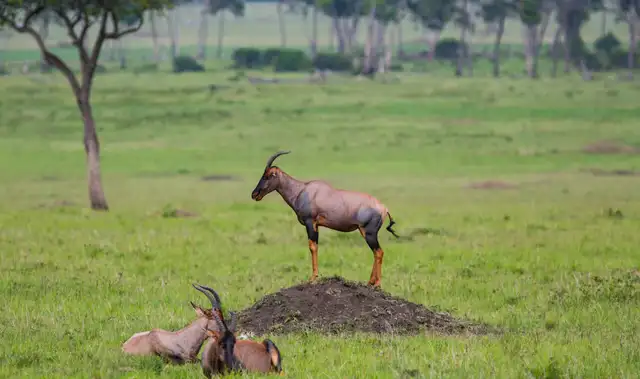
Kenya safari seasons offer rich wildlife, the Great Migration, birdlife, green landscapes, and value periods that help travelers plan the best time for their safari
Did you know that Kenya safari seasons offer some of the most reliable and rewarding wildlife experiences in East Africa? The country’s diverse climate patterns create distinct periods that shape wildlife movement, vegetation, and overall viewing quality. From the dry months that bring animals to open plains and shrinking water sources, to the green season that fills parks with young animals and vibrant landscapes, each period offers something valuable for different types of travelers. Kenya’s well‑protected parks such as the Maasai Mara, Amboseli, Samburu, and Tsavo provide steady wildlife activity throughout the year, giving visitors confidence that their trip will be productive and well worth the planning.
Understanding the best times for specific experiences helps travelers choose dates that match their expectations, comfort levels, and budgets. Some visitors prioritize the Great Migration and its dramatic river crossings, while others prefer calmer months with fewer vehicles and better lodge availability. Bird lovers benefit from the arrival of migratory species, photographers enjoy softer light during the green season, and value‑seekers appreciate the quieter months with lower rates. By knowing how each season shapes the Kenya safari experience, travelers can plan with clarity and enjoy a trip that feels well‑timed, meaningful, and tailored to their interests.
Best Kenya safari packages
Top Excellent Times and Peak Seasons for Kenya Safari
Dry Season from July to October
The dry season from July to October is widely considered the strongest period for a Kenya safari, especially for travelers who want reliable wildlife viewing without worrying about heavy rains or muddy roads. During these months, animals gather around limited water sources, making sightings easier and reducing long drives. The Great Migration also moves through the Maasai Mara, giving travelers a chance to see large herds and active predators. A Kenya safari in this season offers clear skies, comfortable temperatures, and well‑maintained roads, which is helpful for families and first‑time visitors. Because demand is high, early booking is important to secure good lodges and guides.
Shoulder Season from January to March
January to March is another excellent period for a Kenya safari, especially for travelers who prefer warm weather, open landscapes, and fewer crowds. Wildlife remains active, and the grass is shorter after the short rains, making it easier to see predators and grazing animals. This season is also known for strong photography conditions, with bright light and clear mornings. A Kenya safari during these months is ideal for travelers who want good value, steady wildlife activity, and comfortable travel conditions without the peak‑season rush. Many lodges offer flexible rates, making this a practical choice for couples, families, and small groups.
Green Season from November to December
The green season from November to December brings fresh vegetation, newborn animals, and calmer parks, making it a rewarding time for a Kenya safari. Short rains refresh the landscapes without disrupting travel, and wildlife remains easy to see in most parks. This period is especially good for bird lovers, as migratory species arrive in large numbers. A Kenya safari in the green season also offers better availability at lodges and more relaxed game drives with fewer vehicles at sightings. Travelers who enjoy softer light, cooler temperatures, and peaceful environments often find this season appealing and cost‑friendly.
Long Rain Season from April to June For Value Seekers
Although April to June is the long rain season, it can still be a smart choice for a Kenya safari if travelers prioritize value, privacy, and dramatic landscapes. Some roads may be muddy, but many parks remain accessible, and wildlife continues to move freely. Lodges offer excellent rates, making this period ideal for budget‑conscious travelers who want comfort without high-season pricing. A Kenya safari during these months provides quiet sightings, vibrant greenery, and impressive skies after rainfall. Photographers appreciate the soft light and clean air, while experienced safari travelers enjoy the calm atmosphere and slower pace.
Excellent Times for Specific Experiences on Kenya safari
For the Great Wildebeest Migration The Mara River Crossings
Late July to October is the strongest period for a Kenya safari focused on the dramatic Mara River crossings. During these months, huge herds of wildebeest and zebra move from the Serengeti into the Maasai Mara, creating intense wildlife action along the Mara and Talek rivers. Travelers choosing a Kenya safari at this time witness crowded riverbanks, powerful predator activity, and nonstop movement across the plains. Because this event draws many visitors, early planning is important to secure good camps near the crossing points. The dry weather also supports smooth game drives, making this season ideal for travelers who want the highest wildlife density and the most dramatic natural events.
Optimal Wildlife Viewing on General Game Drives
July to October is also the best period for a Kenya safari focused on general wildlife viewing. The dry season creates thin vegetation, making animals easier to see as they gather around permanent water sources. This improves visibility and reduces long hours searching for wildlife. A Kenya safari during these months offers sunny days, comfortable temperatures, and reliable road conditions, which is helpful for families and first‑time travelers. Because the Migration is present, the Maasai Mara becomes busy, but other parks like Amboseli, Tsavo, and Samburu remain excellent options with fewer crowds. This season is ideal for travelers who want consistent sightings and smooth travel conditions.
Birdwatching and Lush Landscapes
November to March is the best period for a Kenya safari centered on birdwatching and green landscapes. Migratory birds from Europe and North Africa arrive in large numbers, especially between November and February, creating excellent conditions for bird lovers. The short rains refresh the vegetation, giving parks a bright, photogenic look without disrupting travel. A Kenya safari in this season also offers sightings of newborn herbivores, calmer parks, and more flexible lodge rates. The combination of fresh greenery, active birdlife, and young animals makes this period ideal for photographers and travelers who prefer quieter environments and softer light.
Fewer Crowds and Lower Prices
January to early March, June, and November form the “sweet spot” for a Kenya safari that balances good wildlife viewing with fewer crowds and better prices. After the short rains, landscapes are green, wildlife remains active, and young animals are common. June offers excellent value just before peak season, with the Migration often approaching the Mara. A Kenya safari in November provides a mix of sun and short showers, refreshed vegetation, and relaxed game drives. These periods suit travelers who want strong wildlife experiences without the pressure of peak‑season traffic or high lodge rates, making them practical and cost‑friendly
How to get there to Kenya safari during Peak season
Reaching Kenya safari destinations during peak season starts with booking flights early, as July to October attracts high demand from travelers worldwide. Most visitors land at Jomo Kenyatta International Airport in Nairobi, which connects easily to major parks through domestic flights or road transfers. From Nairobi, flights to the Maasai Mara, Amboseli, Samburu, and Tsavo help reduce travel time and avoid crowded highways. Because peak season fills up quickly, securing internal flights and transfers in advance ensures smooth movement between parks and lodges. This planning helps travelers avoid last‑minute stress and guarantees access to preferred camps close to key wildlife areas.
Once in the country, reaching Kenya safari parks during peak season is straightforward with scheduled flights operated by local carriers that link Nairobi and Mombasa to remote airstrips inside the parks. These flights save hours of driving and offer better comfort during the busiest months. Road transfers are also available, but they require more time, so many travelers choose flights for convenience. Booking with a trusted operator ensures that all connections airport pickups, lodge transfers, and park entries are well coordinated. With early planning and reliable logistics, reaching Kenya safari destinations during peak season becomes smooth, efficient, and well‑timed for the best wildlife viewing
Best destinations to visit on Kenya safari at peak season
During peak season from July to October, the Maasai Mara stands out as the strongest destination for a Kenya safari. This is when wildlife numbers are at their highest, and the Great Migration fills the plains with massive herds of wildebeest and zebra. Predator activity increases, river crossings intensify, and game drives become incredibly rewarding. The dry weather keeps roads firm and visibility clear, making it easier to spend more time with wildlife and less time navigating difficult terrain. For travelers who want the most action-packed days, the Maasai Mara delivers unmatched wildlife density during these months.
Amboseli National Park is another top choice during peak season, especially for travelers who want close elephant sightings and clear views of Mount Kilimanjaro. The dry months draw large elephant families to the remaining water sources, creating steady viewing opportunities throughout the day. Lions, cheetahs, and hyenas are also active, and the open landscape makes spotting wildlife straightforward. With Kilimanjaro’s snowcapped peak visible on many mornings, Amboseli adds a dramatic backdrop to a Kenya safari. Its compact size also reduces long drives, making it ideal for families and travelers who prefer shorter, relaxed game drives.
Samburu National Reserve offers a different experience during peak season, with unique wildlife not found in the southern parks. Species such as Grevy’s zebra, reticulated giraffe, Somali ostrich, and gerenuk thrive here, giving travelers a refreshing mix of sightings. The dry season concentrates animals along the Ewaso Nyiro River, making game drives productive and calm. Samburu is also less crowded than the Maasai Mara, which appeals to travelers who want strong wildlife viewing without heavy traffic. Its rugged terrain, warm climate, and reliable sightings make Samburu a valuable addition to a Kenya safari itinerary during peak season.
Top best activities to do during Kenya safari
Game drives are the main activity during a Kenya safari because they give travelers steady access to wildlife throughout the day. Early mornings offer active predators and cooler temperatures, while afternoons bring grazing herds and relaxed animals. Guides use their knowledge of animal behavior and park routes to position guests at the right spots without unnecessary long drives. This makes game drives suitable for families, photographers, and first‑time safari travelers. With well‑maintained vehicles and experienced guides, a Kenya safari provides safe, comfortable, and rewarding wildlife viewing that feels natural and unforced.
A hot air balloon ride over the Maasai Mara adds a special highlight to any Kenya safari. Floating above the plains at sunrise gives travelers a calm, wide view of wildlife movement and the open landscape. From the air, herds form patterns that are impossible to see from the ground. After landing, guests enjoy a bush breakfast, which adds comfort and a sense of occasion. This activity suits travelers who want a unique perspective without physical strain. A Kenya safari with a balloon experience offers a peaceful, visually rich moment that stays memorable for years.
Walking safaris bring a different kind of connection to the bush during a Kenya safari. Led by trained guides, these walks focus on smaller details often missed during game drives tracks, plants, insects, and birdlife. Travelers appreciate the slower pace because it helps them understand how the ecosystem works and how animals interact with their surroundings. Safety is always prioritized, with routes chosen based on comfort and fitness levels. A Kenya safari that includes walking gives travelers a deeper appreciation of the land and a more personal experience with nature.
Cultural visits add depth to a Kenya safari by giving travelers a chance to learn from local communities such as the Maasai, Samburu, and Turkana. These visits focus on daily life, traditional skills, and community values rather than staged performances. Guests may learn about beadwork, livestock traditions, food preparation, or local crafts. These interactions support community livelihoods and help travelers understand the human side of Kenya’s landscapes. A Kenya safari with cultural experiences becomes richer and more meaningful, especially for travelers who value learning directly from local people.
Kenya is home to hundreds of bird species, making birdwatching a rewarding activity during a Kenya safari. Wetlands, forests, lakes, and open plains all offer strong sightings, even for beginners. Photographers also benefit from Kenya’s bright light, open spaces, and active wildlife. Guides help position travelers for better angles and clearer views, reducing the frustration of missed moments. Whether focusing on large animals or smaller species, a Kenya safari offers steady opportunities for strong photos and relaxed birdwatching sessions that suit all skill levels
Best tips to ensure perfect Kenya safari experience
To get the best Kenya safari experience, plan your travel dates carefully and choose parks that match your interests instead of trying to cover too many areas. The dry season offers strong wildlife viewing, while the green season provides better value and calmer parks. Book flights, lodges, and internal transfers early, especially from July to October, when demand is high. Pack light, neutral clothing, sunscreen, insect protection, and a good pair of binoculars to improve comfort and viewing quality. Working with a trusted operator also helps you avoid last‑minute stress and ensures smooth movement between parks.
During your Kenya safari, stay flexible and trust your guide’s knowledge of wildlife behavior and park routes. Animals move naturally, so patience often leads to better sightings. Keep noise low around wildlife, follow park rules, and avoid pressuring guides to get too close to animals for photos. Support local communities by buying handmade crafts and treating cultural visits with respect. Carry a power bank for charging devices, drink enough water, and keep valuables secure. These simple habits help you enjoy clearer sightings, safer days, and a more meaningful Kenya safari experience.
Best items to carry for Kenya safari at peak season
Packing the right items for a Kenya safari at peak season helps you stay comfortable, prepared, and ready for long days in the bush. Light, neutral‑colored clothing works best in the dry months, along with a warm layer for early mornings. A wide‑brim hat, sunscreen, insect protection, and sunglasses are essential under strong sun. Sturdy walking shoes, a reusable water bottle, and personal toiletries keep daily routines easy. Bring binoculars for clear wildlife viewing and a camera with extra batteries for long game drives. A power bank is useful since some camps rely on solar energy. Include basic medication, travel documents, and a small daypack to hold essentials. With these items, your Kenya safari at peak season becomes smoother and more enjoyable.
Best places to stay in during Kenya safari
The best places to stay during a Kenya safari range from comfortable tented camps to high‑end lodges, giving travelers plenty of choice based on budget and travel style. In the Maasai Mara, seasonal and permanent tented camps place you close to wildlife action, especially during the Migration. Amboseli offers lodges with clear views of Mount Kilimanjaro and easy access to elephant herds. Samburu features intimate camps along the Ewaso Nyiro River, ideal for travelers who want privacy and unique northern wildlife. Tsavo and Laikipia provide a mix of eco‑lodges and private conservancies with strong conservation standards. With these varied options, a Kenya safari remains comfortable, well‑structured, and suited to different traveler needs
Booking Kenya safari with Lamz Tours and Travel
Booking a Kenya safari with Lamz Tours and Travel gives travelers a well‑planned, reliable, and personalized experience from the moment they inquire. The team helps match the right parks, travel dates, and accommodations to each traveler’s interests, ensuring smooth movement during busy peak months. All logistics domestic flights, transfers, park fees, and lodge coordination are handled with care, reducing stress and saving time. Lamz Tours and Travel also provides trained guides who focus on wildlife behavior, safe viewing, and guest comfort, which adds real value to every game drive. With clear communication, flexible planning, and strong attention to detail, booking a Kenya safari with Lamz Tours and Travel becomes a confident, organized, and rewarding choice for any traveler
Ready to plan your safari?
Talk to a Lamz Tours specialist and get a tailor-made quote.
Make an enquiry