Experience the top best wildlife conservation stories on Tanzania safari tours, from rhino recovery in Mkomazi to wild dog protection in the Selous and chimpanzee conservation in Mahale.
A Tanzania Safari Tours is famous for lions, elephants, and the Great Migration. But behind the scenes, there are incredible conservation stories that most travelers never hear. On a Tanzania Safari Tours, you can visit places where endangered species are making a comeback. You can meet the rangers and scientists who protect rhinos, wild dogs, and chimpanzees. Tanzania is a leader in African conservation, and a Tanzania Safari Tours takes you to the front lines of this work. From anti poaching patrols in the Selous to chimpanzee research in Mahale, these stories will give you hope. This article covers the best wildlife conservation stories you should not miss.
Popular Tanzania Safari Packages
Top Best Wildlife Conservation Stories on Tanzania Safari Tours
1. Rhino Recovery in Mkomazi National Park
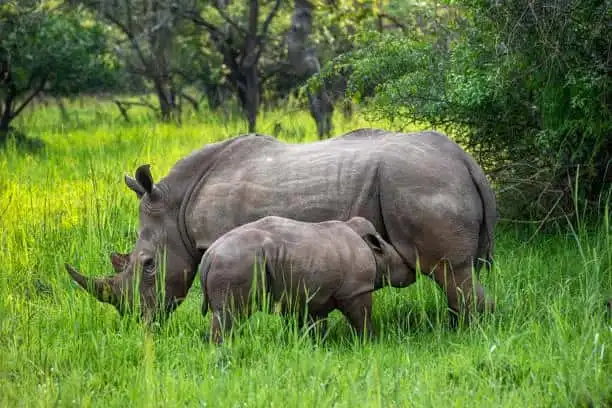
One of the best conservation stories on a Tanzania Safari Tours comes from Mkomazi National Park. In the 1980s, rhinos in Tanzania were nearly wiped out by poaching. On a Tanzania Safari Tours today, you can see both black and white rhinos thriving in Mkomazi. The park established a fenced sanctuary where armed rangers protect the rhinos 24 hours a day. The rhino population has grown steadily. On a Tanzania Safari Tours, you can visit the sanctuary and see these magnificent animals grazing on open plains. The rangers will tell you their stories. They know each rhino by name. They have faced poachers in the dark. Their dedication is inspiring. Mkomazi proves that with enough protection, rhinos can recover.
2. African Wild Dog Protection in Selous Game Reserve
The African wild dog, or painted wolf, is one of the rarest carnivores in Africa. On a Tanzania Safari Tours, you have a good chance of seeing them in the Selous Game Reserve. In the 1990s, wild dog numbers were crashing due to disease and human conflict. On a Tanzania Safari Tours, you learn about the Selous Wild Dog Project, which has worked for over 20 years to protect these animals. Researchers track packs with GPS collars. They vaccinate dogs against rabies and distemper. They work with local communities to reduce conflict. Today, the Selous has one of the largest wild dog populations in Africa. Watching a pack of painted wolves hunt at dawn on a Tanzania Safari Tours is a privilege. Their return is a true success story.
3. Chimpanzee Conservation in Mahale Mountains
Mahale Mountains National Park is one of the best places on a Tanzania Safari Tours to see wild chimpanzees. But the chimpanzees here were once at risk. On a Tanzania Safari Tours, you learn about the conservation efforts that protect them. The park has no roads, so human impact is low. Researchers from Japan and Tanzania have studied the same chimp families for over 50 years. On a Tanzania Safari Tours, you can trek to find the Mimikere group, named after the guides who first found them. The research has taught us so much about chimpanzee behavior. It has also helped protect their habitat. The forest is intact, the lake is clean, and the chimps are safe. On a Tanzania Safari Tours, seeing these chimps is not just a wildlife experience. It is seeing conservation in action.
4. The Great Migration and Ecosystem Protection
The Great Migration is the most famous wildlife spectacle on a Tanzania Safari Tours. But it is also a massive conservation story. Over 1.5 million wildebeest move through the Serengeti ecosystem each year. On a Tanzania Safari Tours, you witness this wonder. But behind it are decades of work to protect migration corridors. The Serengeti is not just a park. It is part of a larger ecosystem that includes the Maasai Mara in Kenya and the Ngorongoro Conservation Area. On a Tanzania Safari Tours, you learn how anti poaching patrols, community conservation, and scientific research keep this system working. The wildebeest need open spaces to move. The Serengeti lions need the wildebeest. The Maasai people need grazing land for their cattle. Balancing all of this is not easy. But on a Tanzania Safari Tours, you see that it is working.
5. The Udzungwa Forest and Endemic Species Protection
Udzungwa Mountains National Park is not on the usual Tanzania Safari Tours circuit. But it is one of the most important conservation areas in Africa. The Udzungwa forests are part of the Eastern Arc Mountains, a biodiversity hotspot found nowhere else on earth. On a Tanzania Safari Tours here, you can see the Udzungwa red colobus monkey, a primate found only in this forest. You can see the Sanje crested mangabey, also found nowhere else. The park has been protected since 1992. On a Tanzania Safari Tours, you learn how local communities are involved in conservation. The park employs rangers from nearby villages. It supports schools and health clinics. The forest is healthy because the people who live next to it have a reason to protect it. Udzungwa shows that conservation works best when people benefit from it.
6. Tarangire Elephant Monitoring Project
Tarangire National Park is famous for its elephant herds on a Tanzania Safari Tours. But elephants in Tarangire once faced heavy poaching. On a Tanzania Safari Tours, you learn about the Tarangire Elephant Monitoring Project. Since the 1990s, researchers have tracked individual elephants, recording their movements, family groups, and health. They use this data to protect migration routes. Tarangire elephants move between the park and the surrounding Maasai steppe. On a Tanzania Safari Tours, you learn how the project works with local communities to reduce human elephant conflict. They have built beehive fences to keep elephants out of farms. They have taught farmers to scare elephants safely. The elephant population is stable and growing. Watching a family of elephants cross the Tarangire River on a Tanzania Safari Tours is a reminder that conservation is possible when people work together.
7. Sea Turtle Protection on Mafia Island
Mafia Island is a hidden gem on a Tanzania Safari Tours. It is famous for snorkeling and diving. But Mafia also has an important sea turtle conservation program. On a Tanzania Safari Tours here, you learn about the Mafia Island Turtle Project. Green turtles, hawksbill turtles, and olive ridley turtles nest on Mafia's beaches. On a Tanzania Safari Tours, you can join a night patrol to help rangers find and protect turtle nests. You can watch baby turtles hatch and make their way to the ocean. The project has protected thousands of nests. It has also worked with local fishermen to use turtle safe fishing gear. On a Tanzania Safari Tours, adding a few days on Mafia Island is not just relaxing. It is a chance to see a conservation story that most tourists miss.
Weather and Climate on Tanzania Safari Tours
On a Tanzania Safari Tours, the weather varies by region. The coastal areas and islands are warm and humid year round. The savannah parks are hot during the day and cooler at night. The highlands like Ngorongoro can be cold in the mornings and evenings. Tanzania has two rainy seasons. The long rains come from March to May. The short rains come from October to December. The dry seasons from June to October and December to February are the best times for a Tanzania Safari Tours.
Best Time for Conservation Stories on Tanzania Safari Tours
The best time for a Tanzania Safari Tours depends on what you want to see. For rhinos in Mkomazi, any time is good. For wild dogs in Selous, the dry season from June to October is best. For chimpanzees in Mahale, go from May to October. For the Great Migration in Serengeti, the river crossings happen from July to September. For the Udzungwa forest, the dry seasons are best for hiking. For sea turtles on Mafia Island, nesting season is from November to March.
How to Get to Conservation Sites on Tanzania Safari Tours
For Mkomazi, fly into Kilimanjaro Airport or drive from Moshi. For Selous, fly into Dar es Salaam or drive from Morogoro. For Mahale, fly into Kigoma and take a boat. For Serengeti and Ngorongoro, fly into Kilimanjaro Airport or Arusha. For Udzungwa, drive from Dar es Salaam or fly to Iringa. For Tarangire, drive from Arusha. For Mafia Island, take a short flight from Dar es Salaam. On a Tanzania Safari Tours, your operator will arrange all transport.
Things to Do on Tanzania Safari Tours
On a Tanzania Safari Tours, you can see rhinos in Mkomazi, wild dogs in Selous, and chimpanzees in Mahale. You can witness the Great Migration in Serengeti. You can hike in Udzungwa. You can track elephants in Tarangire. You can join a turtle patrol on Mafia Island. You can visit research projects and learn from scientists and rangers. Each activity gives you a deeper understanding of conservation.
Health and Safety Tips on Tanzania Safari Tours
Before starting a Tanzania Safari Tours, check recommended vaccinations including yellow fever, typhoid, and hepatitis. Malaria is present in most safari areas, so bring insect repellent and consider malaria prophylaxis. Drink bottled water and avoid tap water. On game drives, stay inside your vehicle at all times unless your guide says otherwise. Listen to your guide's instructions. They are trained to keep you safe around wild animals. In cities like Arusha and Dar es Salaam, avoid walking alone at night and keep valuables secure. Wear sunscreen, a hat, and sunglasses. The sun is strong even on cloudy days. Carry a basic first aid kit. With common sense and good preparation, a Tanzania Safari Tours is very safe.
What to Carry on Tanzania Safari Tours
Pack neutral colored clothing for game drives. Avoid bright colors and camouflage. Comfortable hiking shoes are essential for walking safaris and forest trails. A warm jacket is needed for early mornings on the Ngorongoro rim. Sunscreen, a hat, and sunglasses are essential. Insect repellent with DEET is a must. Binoculars are crucial for spotting wild dogs and distant birds. A good camera with extra batteries and memory cards. Do not forget your passport, visa, travel documents, and any personal medication.
Where to Stay on Tanzania Safari Tours
For Mkomazi, stay at Mkomazi Rhino Camp. For Selous, choose from luxury tented camps like Sand Rivers or budget guesthouses. For Mahale, stay at Greystoke Camp. For Serengeti, choose from mobile camps or lodges like Four Seasons. For Ngorongoro, lodges on the crater rim offer the best access. For Udzungwa, stay at Udzungwa Forest Lodge or Hondo Hondo Camp. For Tarangire, many lodges inside and outside the park. For Mafia Island, stay at Pole Pole Lodge or more affordable bungalows. On a Tanzania Safari Tours, book well in advance, especially during
Why Book with Lamz Tours and Travel for Tanzania Safari Tours
Booking your conservation stories on a Tanzania Safari Tours with Lamz Tours and Travel ensures you see the real work behind wildlife protection. Their local guides know the rhino rangers in Mkomazi, the wild dog researchers in Selous, and the turtle patrols on Mafia Island. They handle everything including transport, park fees, guides, and accommodation. You just show up with your camera and binoculars. Want to focus on chimpanzee conservation? They can do that. Want to combine a safari with a visit to a research project? We can arrange it. Lamz Tours and Travel supports local communities by hiring Tanzanian guides and conservation staff. For a safe, meaningful, unforgettable Tanzania Safari Tours experience, Lamz Tours and Travel is the best choice. You focus on the stories of hope and recovery. They handle everything else.
Ready to plan your safari?
Talk to a Lamz Tours specialist and get a tailor-made quote.
Make an enquiry