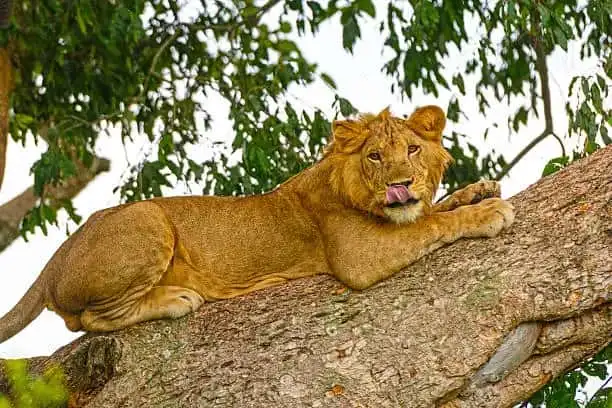
Experience the top best wildlife conservation stories on best safaris in Uganda, from rhino recovery in Ziwa to mountain gorilla success and lion comeback in Queen Elizabeth National Park.
A best safari in Uganda is famous for mountain gorillas, chimpanzees, and the Big Five. But behind the incredible wildlife sightings, there are powerful conservation stories that most travelers never hear. On a best safari in Uganda, you can visit places where endangered species are making remarkable comebacks. You can meet the rangers, researchers, and communities who have brought rhinos back from extinction, protected gorillas for decades, and saved lions from disappearing. Uganda is a leader in African conservation, and a best safari in Uganda takes you to the front lines of this work. From the rolling hills of Ziwa to the forests of Kibale and Bwindi, these stories will give you hope. This article covers the best wildlife conservation stories you should not miss.
Popular Uganda Safari Packages
Top Best Wildlife Conservation Stories on Best Safaris in Uganda
1. Rhino Recovery at Ziwa Rhino Sanctuary
One of the most inspiring conservation stories on a best safari in Uganda comes from Ziwa Rhino Sanctuary. Southern white rhinos were completely extinct in Uganda's wild by 1983, wiped out by poaching and civil war. On a best safari in Uganda today, you can see over 48 rhinos roaming freely on 7,000 hectares of protected land . The sanctuary began in 2005 with just six rhinos reintroduced from South Africa and Kenya. Through careful breeding and 24/7 protection against poaching, the population has grown steadily. In September 2025, Uganda held its first-ever rhino naming ceremony, celebrating 17 newborn calves born within a single year . On a best safari in Uganda, you can track these magnificent animals on foot with armed rangers.
2. Mountain Gorilla Success in Bwindi
Bwindi Impenetrable National Park is the heart of a best safari in Uganda for gorilla trekking. But it is also one of the greatest conservation success stories in history. In 1997, only 300 mountain gorillas remained in Bwindi. On a best safari in Uganda today, the population has grown to over 459 individuals, and the total global mountain gorilla population now exceeds 1,000 . The species was moved from critically endangered to endangered, a rare achievement for any great ape. On a best safari in Uganda, you learn how this happened. Community engagement has been key. Local people are directly employed by Uganda Wildlife Authority as rangers, guides, and trackers. Twenty percent of park entrance fees and 10 percent of gorilla permit fees go back to surrounding communities .
3. Chimpanzee Habituation in Kibale Forest
Kibale National Park is known as the primate capital of the world. On a best safari in Uganda, you can track chimpanzees through dense rainforest. But the story behind the experience is remarkable. Over 1,000 chimpanzees live in Kibale, but most are wild and flee from humans. To create the incredible chimp habituation experience on a best safari in Uganda, dedicated rangers spend years earning the trust of a single chimp group. Onesmas Ainebyona, a habituator in Kibale, spent four years building rapport with an alpha male named Jean. "Jean is my friend," Ainebyona says. The job requires patience and passion. Habituators follow the chimps wherever they go, even in the rain. "The rain must beat you, but you can't desert the chimp," Ainebyona explains. On a best safari in Uganda, the chimps you see are wild animals that have chosen to tolerate human presence. The habituation process also saves lives.
4. Lion Comeback in Queen Elizabeth National Park
Lions in Uganda have faced a steep decline. In Queen Elizabeth National Park alone, lion numbers dropped from 400 in the 1960s to just 39 individuals in recent years. On a best safari in Uganda, the Uganda Conservation Foundation and the Uganda Wildlife Authority run the Carnivore and Scavenger Conservation Programme to reverse this trend The program integrates law enforcement, prey protection, rapid response teams, and human-wildlife conflict mitigation. On a best safari in Uganda, the results are showing. Over two years have passed without a single lion lost to human-wildlife conflict in Queen Elizabeth National Park. Full-time teams monitor prides inside the park, gather vital data, respond rapidly to threats, and work with surrounding communities to prevent conflict before it happens.
5. Elephant Conservation in Murchison Falls National Park
Murchison Falls National Park is the largest protected area in Uganda. On a best safari in Uganda, you see large herds of elephants roaming the open savannah and forests along the Nile. But these elephants were nearly wiped out during the poaching crisis of the 1970s and 1980s. On a best safari in Uganda today, the population is recovering. The Uganda Wildlife Authority has strengthened anti-poaching patrols and uses modern tracking technology to monitor elephant movements. Rangers use GPS and the EarthRanger system to track elephant herds in real time and respond quickly to threats . The park is also working to protect elephant migration corridors. On a best safari in Uganda, you see young calves in the herds, a sign that the population is healthy and breeding.
6. Kidepo Lions and the Rhino Reintroduction
Kidepo Valley National Park is the most remote park on a best safari in Uganda. It is also the site of an exciting new conservation chapter. In March 2026, after more than four decades of absence, rhinos officially returned to Kidepo. The first two Southern White Rhinos were translocated from Ziwa Rhino Sanctuary to Kidepo, with eight rhinos expected in total during the first phase. The last rhino recorded in Kidepo was in 1983. On a best safari in Uganda, you can now witness the beginning of a new rhino population in this stunning wilderness. Extensive preparations were made for this reintroduction, including a secure sanctuary with perimeter fencing, access roads, ranger facilities, water infrastructure, and advanced monitoring systems . The return of rhinos is expected to significantly enhance Kidepo's tourism appeal. The park's wild landscapes, already home to lions, cheetahs, giraffes, and large elephant herds, are now even more complete.
7. Community Conservation Around Bwindi
The mountain gorilla success story is not just about forest protection. It is about people. On a best safari in Uganda, communities living around Bwindi Impenetrable National Park have become partners in conservation rather than threats. Revenue sharing programs return 20% of park entrance fees and 10% of gorilla permit fees to local communities. This money builds schools, clinics, and water systems. On a best safari in Uganda, you can visit community-run lodges and cultural experiences. You can buy crafts from women's cooperatives. You see how gorilla tourism creates jobs for former poachers now working as trackers and rangers. The Batwa people, who were displaced when the park was established, are now involved in cultural tourism that shares their
Weather and Climate on Best Safaris In Uganda
On a best safari in Uganda, the weather varies by region and altitude. The highlands, where Bwindi and Kibale are located, are cool and damp year round, with daytime temperatures of 15°C to 20°C. The savannah parks like Queen Elizabeth and Murchison Falls are warmer, with daytime temperatures of 25°C to 30°C. Uganda has two dry seasons and two wet seasons. The dry seasons from December to February and June to August are the most popular for a best safari in Uganda. Wildlife is easier to spot, and trekking conditions are better.
Best Time for Conservation Stories on Best Safaris In Uganda
The best time for a best safari in Uganda depends on what you want to see. For rhino tracking at Ziwa, any time is good, but the dry seasons are easier for walking. For gorilla trekking in Bwindi, the drier months of June to August and December to February are best, though trekking is possible year round. For chimpanzee habituation in Kibale, the dry seasons offer better trail conditions. For lion viewing in Queen Elizabeth, the dry season brings animals to water sources. For Kidepo, the dry seasons from June to October are best for reaching the remote park. For community experiences, any season works.
How to Get to Conservation Sites on Best Safaris In Uganda
For Ziwa Rhino Sanctuary, drive from Kampala to Gulu Road, about 3 hours. For Bwindi, drive from Kampala to Kabale or Kisoro, about 8 to 9 hours, or fly to Kisoro airstrip. For Kibale, drive from Kampala via Fort Portal, about 5 to 6 hours. For Queen Elizabeth, drive from Kampala via Mbarara, about 6 to 7 hours. For Murchison Falls, drive from Kampala via Masindi, about 5 hours. For Kidepo, drive from Kampala to Kotido, about 10 to 12 hours, or fly to Kidepo airstrip. On a best safari in Uganda, your tour operator will arrange all transport. Roads are generally good, but a 4x4 is recommended for remote areas.
Things to Do on Best Safaris In Uganda
On a best safari in Uganda, you can track rhinos at Ziwa, trek mountain gorillas in Bwindi, and track chimpanzees in Kibale. You can see tree climbing lions in Queen Elizabeth, elephants in Murchison Falls, and lions and giraffes in Kidepo. You can visit community conservation projects, learn from rangers and researchers, and support local economies. Each activity gives you a deeper understanding of how conservation works in Uganda.
Health and Safety Tips on Best Safaris in Uganda
Before starting a best safari in Uganda, check recommended vaccinations including yellow fever, typhoid, and hepatitis. Bring insect repellent with DEET and consider malaria prophylaxis, as malaria is present in most safari areas. Drink bottled water and avoid tap water. On gorilla and chimp treks, stay close to your guide, keep a safe distance from animals, and follow all instructions. Do not trek if you have a cold or flu, as great apes are susceptible to human diseases. In parks, stay inside your vehicle during game drives unless your guide says otherwise. Wear sunscreen, a hat, and sunglasses. The sun is strong even on cloudy days. Carry a basic first aid kit. With common sense and good preparation, a best safari in Uganda is very safe.
What to Carry on Best Safaris in Uganda
Pack neutral colored clothing for game drives and trekking. Avoid bright colors and camouflage. Comfortable, broken-in hiking boots are essential for gorilla and chimp trekking. Waterproof jacket and pants are a must, as rain is common in the forests. Pack warm layers for the highlands, especially Bwindi where mornings and evenings are cold. Sunscreen, a hat, and sunglasses. Insect repellent with DEET. Binoculars are crucial for spotting wildlife. A good camera with extra batteries and memory cards. Do not forget your passport, visa, travel documents, and gorilla trekking permit.
Where to Stay on Best Safaris In Uganda
For Ziwa, stay at Ziwa Rhino Sanctuary Guesthouse. For Bwindi, options range from luxury lodges like Sanctuary Gorilla Forest Camp to budget guesthouses. For Kibale, stay at Kibale Forest Camp or Primate Lodge. For Queen Elizabeth, choose from lodges inside the park like Mweya Safari Lodge or budget options in the nearby towns. For Murchison Falls, Paraa Safari Lodge is iconic. For Kidepo, stay at Apoka Safari Lodge. On a best safari in Uganda, book well in advance, especially for the dry season and for lodges near Bwindi and Kibale.
Why Book with Lamz Tours and Travel for Best Safaris In Uganda
Booking your conservation journey on a best safari in Uganda with Lamz Tours and Travel ensures you see the real work behind wildlife protection. Their local guides know the rhino rangers at Ziwa, the gorilla trackers in Bwindi, and the lion researchers in Queen Elizabeth. They handle everything including transport, park fees, trekking permits, guides, and accommodation. You just show up with your camera and binoculars. Want to focus on gorilla conservation? We can do that. Want to combine rhino tracking with chimp habituation and lion monitoring? We can arrange it. Lamz Tours and Travel supports local communities by hiring Ugandan guides and using family-run lodges. For a safe, meaningful, unforgettable best safari in Uganda experience, Lamz Tours and Travel is the best choice. You focus on the stories of hope and recovery. we handle everything else.
Ready to plan your safari?
Talk to a Lamz Tours specialist and get a tailor-made quote.
Make an enquiry