Wildlife conservation wins in Ifrane Park on a trip to Casablanca Morocco. Top best successes plus travel guide for your visit.
A trip to Casablanca Morocco, often starts with urban energy, but the real magic lies inland. Ifrane National Park in the Middle Atlas Mountains hides ten incredible wildlife conservation victories. A trip to Casablanca Morocco, can easily extend into this highland wilderness where endangered species are recovering. From monkeys to deer, these success stories prove that protection works.
Popular Morocco Tour Packages
Top best Wildlife Conservation Stories on a Trip to Casablanca Morocco
1.Barbary Macaque Recovery
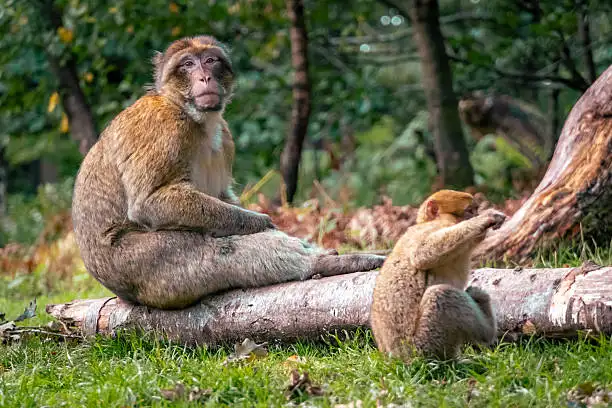
The Barbary macaque is the most famous resident of Ifrane National Park. On any trip to Casablanca Morocco, travelers rarely expect to see wild monkeys in snow, but the Middle Atlas offers exactly that surprise. These macaques were heavily trapped for the pet trade decades ago, pushing their numbers dangerously low. Thanks to strict anti-trapping laws and active forest patrols, populations have stabilized. A trip to Casablanca Morocco, now connects visitors to guided tours in the Cedar Forest near Azrou, where troops of macaques move freely. Researchers from the University of Lincoln monitor their behavior and health regularly. Local communities have also joined protection efforts, reducing illegal capture significantly. The macaques now number in the thousands within park boundaries.
2.Atlas Cedar Forest Regeneration
The Atlas cedar forests of Ifrane are ancient, slow-growing, and irreplaceable. When you book a trip to Casablanca Morocco, you might think only of desert landscapes, but these high-altitude forests tell a different story. Overgrazing and illegal logging had degraded large sections of the park by the 1990s. A trip to Casablanca Morocco, now reveals thriving cedar groves because of a community-led replanting program. The Moroccan government partnered with local Berber villages to establish nurseries and protected zones. Cedar seedlings are now raised locally and planted during wet seasons. A trip to Casablanca Morocco, includes stops at Cèdre Gouraud, where massive ancient trees stand as monuments to successful restoration. Satellite imagery shows measurable forest regrowth over the past fifteen years.
3.Reintroduction of the Barbary Deer
The Barbary deer, also called the Atlas red deer, disappeared from Ifrane National Park completely by the 1980s. Hunting and habitat loss wiped them out. During a trip to Casablanca Morocco, visitors now hear surprising news these deer are back. A trip to Casablanca Morocco, can include a guided early morning drive along the park's eastern edges were reintroduced herds graze quietly. Starting in the late 1990s, deer from other Moroccan reserves were carefully released into Ifrane. Fencing, water point construction, and predator management helped them survive. A trip to Casablanca Morocco, reveals that the deer population has grown to several hundred individuals. They are shy but visible during dawn hours.
4.Wetland Protection at Dayet Aoua
Dayet Aoua is a natural lake located on the northern edge of Ifrane National Park. On any trip to Casablanca Morocco, travelers rarely expect world-class wetland conservation. A trip to Casablanca Morocco, however, proves that freshwater ecosystems in the Atlas are thriving again. The lake had suffered from illegal fishing, waste dumping, and water diversion for farming. Local authorities stepped in with a restoration plan that included fencing sensitive zones and building designated viewing platforms. A trip to Casablanca Morocco, now includes birdwatching at Dayet Aoua, where migratory waterfowl have returned in large numbers.
5.Griffon Vulture Nesting Protections
Griffon vultures are massive, soaring birds that once nested all across the Middle Atlas. By the early 2000s, poisoning and disturbance had pushed them to the edge. During a trip to Casablanca Morocco, you might spot these huge birds circling over the cliffs near Tizguit. A trip to Casablanca Morocco, is now one of the best ways to witness a remarkable vulture comeback. Park authorities installed artificial nesting platforms on remote cliffs and banned the use of poisoned carcasses used by shepherds to kill predators. A trip to Casablanca Morocco, allows birdwatchers to observe active nests through spotting scopes placed at safe distances.
6.Otter Recolonization of Park Rivers
The Eurasian otter is shy, nocturnal, and very sensitive to water pollution. For decades, otters were absent from Ifrane's rivers. On a trip to Casablanca Morocco, travelers now hear surprising news from park rangers, otters are back. A trip to Casablanca Morocco, can include a guided evening walk along the Oued Tizguit where otter tracks and droppings are regularly found. The recovery happened because of wastewater treatment improvements in upstream villages. A trip to Casablanca Morocco, reveals that cleaner rivers now support fish populations large enough to sustain otters year-round. Camera traps have captured clear footage of otters playing and hunting at night. A trip to Casablanca Morocco, offers a rare wildlife sighting that was impossible just a decade ago.
Weather and Climate in Ifrane National Park on a Trip to Casablanca Morocco
Ifrane National Park has a Mediterranean climate that is heavily modified by high altitude. On a trip to Casablanca Morocco, you might expect heat, but the park is much cooler. A trip to Casablanca Morocco, reveals that summers here are mild with daytime temperatures around 25 to 30°C while nights drop significantly. Winters are cold and wet, with snow covering the ground from December through February. A trip to Casablanca Morocco, during winter requires warm jackets and waterproof boots. Rainfall is concentrated between November and March, keeping the forests green. A trip to Casablanca Morocco, in spring brings blooming wildflowers and flowing streams. The park's elevation ranges from 1,300 to 2,400 meters, which explains the cooler conditions.
Best Time to Visit Ifrane National Park on a Trip to Casablanca Morocco
The best time to visit Ifrane National Park is during spring (April to June) and autumn (September to October). A trip to Casablanca Morocco, planned for these months avoids both the summer crowds and winter snow closures. A trip to Casablanca Morocco, in spring offers mild temperatures, green landscapes, and active birdlife. Autumn brings clear skies, cooler hiking conditions, and fewer tourists on the trails. A trip to Casablanca Morocco, during summer (July to August) is still pleasant because the altitude keeps temperatures lower than the surrounding lowlands. However, weekends can get busy with local visitors escaping city heat. A trip to Casablanca Morocco, in winter (December to February) is for travelers who want snow and solitude, but some roads may close. Birdwatchers should aim for spring migration months
How to Get to Ifrane National Park on a Trip to Casablanca Morocco
Getting to Ifrane National Park from Casablanca is straightforward with several transport options. A trip to Casablanca Morocco, usually starts with landing at Mohammed V International Airport (CMN). A trip to Casablanca Morocco, then continues with a domestic flight to Fès–Saïs Airport (FEZ), which is just 60 kilometers from the park. From Fès airport, renting a car is the most flexible choice. A trip to Casablanca Morocco, by road from Casablanca city takes about four hours via the A1 and N8 highways covering roughly 300 kilometers. Trains also run from Casablanca to Fès, and from there you can hire a grand taxi to Ifrane town. A trip to Casablanca Morocco, arranged through a tour operator like Lamz Tours and Travel includes direct transfers from the airport.
Things to Do in Ifrane National Park on a Trip to Casablanca Morocco
There are many activities to fill your days in Ifrane National Park. A trip to Casablanca Morocco, becomes unforgettable when you hike through the ancient Atlas cedar forests near Azrou. A trip to Casablanca Morocco, also offers excellent birdwatching at Dayet Aoua lake, where flamingos and herons gather. Wildlife photography is popular here, especially of the Barbary macaques playing in the snow or trees. A trip to Casablanca Morocco, can include a guided walk with local eco-guides who explain plant and animal life. In winter, visitors can ski at the Michlifen ski station, a small but functional resort. A trip to Casablanca Morocco, for summer visitors means picnicking by streams and exploring waterfalls like Cascades near Zaouia d'Ifrane.
Health and Safety Tips on trip to Casablanca Morocco
When visiting Casablanca, stick to bottled water and avoid tap water or ice from street stalls. Watch your belongings in crowded areas like the old medina, as pickpocketing can happen. Use official red taxis or ride-hailing apps to avoid being overcharged. Keep valuables out of sight, dress modestly near religious sites, and avoid walking alone in poorly lit areas at night. For medical needs, private clinics like Clinique du Millénaire are reliable, so make sure your travel insurance is up to date. Stay aware, stay respectful, and Casablanca is generally safe and welcoming.
Why Book with Lamz Tours and Travel for Your Trip to Casablanca Morocco?
Choosing Lamz Tours and Travel for your journey to Souss-Massa National Park ensures a well-organised and enriching experience on Morocco Trips. The company specialises in creating personalised itineraries that cater to different travel preferences, ensuring comfort and flexibility. Morocco Trips with Lamz Tours and Travel include experienced guides who provide valuable insights into the park’s ecosystems, wildlife, and conservation efforts. Their expertise enhances every activity, making the journey both educational and enjoyable. Lamz Tours and Travel also prioritises safety and efficiency, handling all logistics from transport to accommodation. Morocco Trips become stress-free, allowing travellers to focus on exploring and enjoying the destination.
Ready to plan your safari?
Talk to a Lamz Tours specialist and get a tailor-made quote.
Make an enquiry