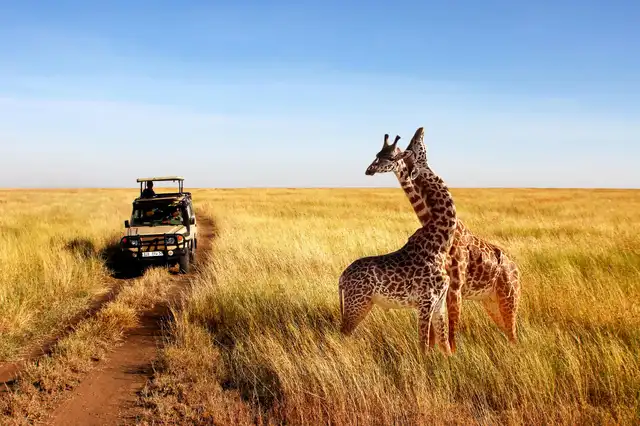
Find the top Tanzania safari activities now from the Great Migration and Big Five sightings to chimp trekking, boat safaris, and cultural visits.
Planning a Tanzania safari offers more than just wildlife viewing it’s a chance to explore Africa’s most diverse and action-packed landscapes. From the thunder of wildebeest crossing the Mara River to the quiet moments tracking chimpanzees in Mahale, Tanzania delivers unmatched safari experiences for every type of traveler. Whether you're drawn to the predator-rich plains of Serengeti, the Big Five in Ngorongoro Crater, or the elephant gatherings in Tarangire, each destination offers something unique. This guide highlights the top Tanzania safari activities happening now, with practical insights to help you choose the best parks, seasons, and experiences. You’ll find options for boat safaris in Nyerere, walking safaris in Ruaha, and even hot air balloon rides over the Serengeti. Cultural visits to Maasai and Hadzabe communities add depth to your itinerary, while remote parks like Katavi offer true wilderness. Whether you're planning a luxury escape or a budget-friendly adventure, these Tanzania safari activities are designed to deliver value, variety, and unforgettable wildlife moments. Let’s dive into the best of Tanzania right now
Top Best Tanzania Safari Packages
2-days-fly-in-serengeti-safari-in-tanzania
2-days-tarangire-national-park-and-ngorongoro-crater-safari
3-days-tanzania-safari-in-serengeti-national-park
3-days-tanzania-wildlife-safari
4-days-epic-tanzania-wildlife-and-culture-safari
5-day-kenya-and-tanzania-safari
5-days-circuit-wildlife-safari-in-tanzania
6-days-ndutu-migration-safari-calving-season
8-day-serengeti-ngorongoro-crater-and-zanzibar
8-days-wildlife-and-beach-holiday-tanzania
8-days-wildlife-safari-tanzania
9-days-zanzibar-and-wildlife-safari
10-days-uganda-and-tanzania-safari-gorillas-chimpanzees-and-wildlife
5-days-mount-kilimanjaro-marangu-route
6-days-mount-kilimanjaro-machame-route
7-day-climbing-kilimanjaro-via-the-machame-route
Top Best Tanzania Safari Activities Now
Great Wildebeest Migration in Serengeti
The Great Wildebeest Migration is the most dramatic Tanzania safari experience, especially from July to October when herds cross the Mara River. Millions of wildebeest, zebras, and antelopes move through the Serengeti, offering nonstop wildlife action. You can watch river crossings where predators wait, or take a hot air balloon ride for a wide view of the plains. This Tanzania safari is ideal for photographers and wildlife lovers who want to see nature at its most active. Camps near the river offer front-row seats, and guides track the movement daily. If you're planning a Tanzania safari during this season, book early accommodation fills fast.
Ngorongoro Crater Safari
A Tanzania safari to Ngorongoro Crater gives you access to one of the most wildlife-rich areas in Africa. The crater’s permanent water sources attract animals year-round, including the Big Five lion, leopard, rhino, elephant, and buffalo. The area is compact, making it easy to spot wildlife in a single day. This Tanzania safari suits travelers who want high chances of seeing rare species like black rhinos without long drives. The crater rim lodges offer great views, and the descent into the caldera is short but packed with sightings. For a Tanzania safari with reliable game viewing, Ngorongoro is a top choice.
Tarangire National Park Elephant viewing
Tarangire is known for its large elephant herds, especially from June to October when they gather around the Tarangire River. This Tanzania safari is perfect for those interested in observing elephant behavior up close. The park also features ancient baobab trees and dry-season concentrations of wildlife. A Tanzania safari here offers fewer crowds than Serengeti or Ngorongoro, making it peaceful and personal. Birdlife is strong too, with over 500 species recorded. If you want a Tanzania safari that combines elephants, birds, and unique landscapes, Tarangire delivers strong value.
Selous Game Reserve Now Nyerere National Park Boat Safaris
A Tanzania safari in Nyerere National Park offers something different boat safaris on the Rufiji River. You’ll see hippos, crocodiles, and possibly rare wild dogs from the water, which gives a fresh angle compared to vehicle safaris. This Tanzania safari is best for travelers who want variety and fewer vehicles around. The reserve is huge, so wildlife is spread out, but guides know where to go. Lodges along the river offer boat trips and walking options. For a Tanzania safari that mixes water and land, Nyerere is a strong alternative to the northern parks.
Mahale Mountains and Gombe Stream Chimpanzee Trekking
Chimpanzee trekking in Mahale and Gombe is a unique Tanzania safari activity focused on primates. You’ll hike forest trails to find wild chimpanzees, often watching them feed or interact in small groups. Mahale offers better chances due to its larger population, while Gombe is famous for Jane Goodall’s research. This Tanzania safari suits travelers who want something beyond big game. The parks are remote, so access involves flights and boat rides, but the experience is intimate and rewarding. If you’re planning a Tanzania safari with a focus on wildlife behavior, chimp trekking is worth the effort.
Ruaha National Park Predator Heaven
Ruaha is Tanzania’s largest national park and a top choice for a Tanzania safari with fewer tourists. It’s known for large lion prides and strong predator sightings, including leopards and cheetahs. The dry season (June–October) concentrates animals around rivers, making game drives productive. This Tanzania safari is best for those who want raw nature without crowds. The park’s size means long drives, but the rewards are high. Lodges are small and personal, adding to the remote feel. For a Tanzania safari that focuses on predators and solitude, Ruaha stands out.
Katavi National Park Remote Wilderness experience
Katavi offers one of the most untouched Tanzania safari experiences, with massive hippo pods and buffalo herds dominating the landscape. Few visitors come here, so you often have sightings to yourself. The dry season reveals dramatic scenes at shrinking waterholes. This Tanzania safari is ideal for seasoned travelers who want real wilderness. Access is by charter flight, and lodges are limited, but the wildlife density is high. If you’re looking for a Tanzania safari that’s far from the usual routes and full of raw animal behavior, Katavi is unmatched.
Lake Manyara National Park Tree-Climbing Lions and Birding
Lake Manyara is a compact park offering a focused Tanzania safari with tree-climbing lions and over 400 bird species. Flamingos cover the lake, and the forested areas hide elephants and monkeys. This Tanzania safari is great for short visits or as part of a northern circuit. The park’s variety in terrain makes it easy to spot different animals in a few hours. Birdwatchers find it especially rewarding. For a Tanzania safari that’s easy to access and rich in wildlife diversity, Lake Manyara is a smart stop.
Walking Safaris in Serengeti or Ruaha
Walking safaris in Serengeti or Ruaha offer a direct way to experience wildlife. Guided by armed experts, you’ll track animals, read signs, and learn about the ecosystem on foot. This Tanzania safari is best for travelers who want to slow down and connect with nature. In Ruaha, walks are more remote; in Serengeti, they’re often in private areas. A Tanzania safari on foot gives a different perspective less about big game, more about details. If you want a Tanzania safari that’s active and educational, walking safaris are a strong choice.
Cultural Visits to Maasai and Hadzabe Tribes
Cultural visits to the Maasai and Hadzabe tribes add depth to any Tanzania safari. The Maasai share their customs, dances, and daily life, while the Hadzabe show hunting and gathering techniques. These experiences are respectful and guided, offering real insight into Tanzania’s people. A Tanzania safari that includes cultural stops helps travelers understand the land beyond wildlife. Locations near Lake Eyasi and Ngorongoro make it easy to add to your route. For a Tanzania safari that values connection and learning, tribal visits are essential.
Hot Air Balloon Safaris in Serengeti
A hot air balloon ride over the Serengeti is one of the most unique Tanzania safari activities, offering a wide view of wildlife and landscapes at sunrise. You’ll float silently above herds of wildebeest, elephants, and giraffes, watching the plains come alive below. This Tanzania safari option is perfect for early risers who want a peaceful, panoramic experience. Flights usually last about an hour and end with a bush breakfast in the wild. It’s available year-round but especially popular during the Great Migration. For a Tanzania safari that combines comfort, photography, and a fresh angle on wildlife, balloon safaris are worth adding to your itinerary
Best time to go for Tanzania safari best activities
Best Time for Tanzania safari: June–October the Dry Season
The dry season from June to October is the top choice for a Tanzania safari, offering the best wildlife viewing across all major parks. Animals gather around rivers and waterholes, making them easier to spot during game drives. The skies are clear, roads are accessible, and mosquito levels are low. This period is ideal for visiting Serengeti, Ngorongoro, Tarangire, and Ruaha, especially for those focused on predator sightings and large herds. A Tanzania safari during these months also includes the dramatic Mara River crossings in the north Serengeti. If you want reliable conditions and high animal activity, this is the most productive time for a Tanzania safari.
Best Time for Tanzania Safari: January–February the Calving Season in Serengeti
January to February marks the calving season in the southern Serengeti, a special Tanzania safari window when thousands of wildebeest give birth. The open plains make it easy to observe newborns and the predators that follow them. This Tanzania safari period is excellent for photographers and those interested in animal behavior. The weather is warm, and the landscape is green from recent rains, adding contrast to your photos. Lodges in Ndutu and southern Serengeti offer prime access to calving grounds. For a Tanzania safari focused on life cycles and predator-prey dynamics, this season delivers rare and intimate scenes
How to get there to Tanzania safari for best activities
To reach the best Tanzania safari destinations, most travelers fly into Kilimanjaro International Airport (JRO) near Arusha or Julius Nyerere International Airport (DAR) in Dar es Salaam. From Kilimanjaro, it’s easy to access northern circuit parks like Serengeti, Ngorongoro, Tarangire, and Lake Manyara by road or short domestic flights. For southern and western parks like Ruaha, Nyerere, Katavi, and Mahale, flights from Dar es Salaam or Arusha are recommended. Booking with a trusted Tanzania safari operator ensures smooth transfers, park permits, and lodge arrangements. Whether you choose road travel or bush flights, planning ahead helps maximize your Tanzania safari experience across regions
Booking Best Tanzania Safari Activities steps, you should follow
Step 1: Choose Your Safari Activities and Destinations
Start by deciding which Tanzania safari experiences matter most whether it’s the Great Migration, Ngorongoro Crater, chimpanzee trekking, or walking safaris. Trips range from 3 to 10 days depending on your interests and budget. Popular Tanzania safari packages include the Classic Northern Circuit, Wildebeest Migration Special, and Southern park adventures. Luxury fly-in safaris offer privacy and comfort, while adventure safaris focus on walking, camping, and cultural visits. Choosing the right mix of destinations ensures your Tanzania safari is tailored to your goals, whether you want big game, remote wilderness, or cultural depth.
Step 2: Pick the Best Time to Visit
Timing is key for a successful Tanzania safari. June to October is the dry season, ideal for wildlife viewing as animals gather around water sources. January to February is calving season in the Serengeti, perfect for seeing newborns and predator action. November to December brings short rains, fewer crowds, and lower prices. Each season offers different advantages, so match your Tanzania safari goals with the right time. For migration crossings, aim for July–October; for baby animals and green landscapes, January–February is best. Budget travelers may prefer shoulder seasons for better deals.
Step 3: Book through a Reputable Tour Operator
Booking your Tanzania safari through a licensed operator ensures safety, quality, and smooth logistics. Top companies include Lamz Tours and Travel which offers great mid-range and budget choices. You can book directly through their websites, use platforms like SafariBookings.com for reviews and comparisons, or go through a travel agent for custom itineraries. A reliable operator will handle permits, guides, transport, and accommodation, making your Tanzania safari stress-free and well-organized. Always check credentials and reviews before confirming.
Step 4: Choose Your Accommodation Level
Tanzania safari accommodation ranges from luxury lodges to budget camps. High-end options like Singita Grumeti and Four Seasons Serengeti cost $1,000–$2,500+ per night, offering top service and private game drives. Mid-range lodges such as Serengeti Serena and Ngorongoro Sopa Lodge fall between $300–$800, balancing comfort and value. Budget travelers can choose public campsites or tented camps like Kati Kati, priced at $100–$300. Your Tanzania safari experience depends on where you stay, so consider location, amenities, and proximity to wildlife. Booking early helps secure the best spots, especially in peak season.
Step 5: Arrange Transportation
Transportation affects cost and comfort during your Tanzania safari. Fly-in safaris are fast and scenic, using airlines like Coastal Aviation and Auric Air, but they’re more expensive. Road safaris use 4x4 Land Cruisers with pop-up roofs, offering flexibility and better access to remote areas. Choose between private tours for a personalized experience or group tours to save money. Your Tanzania safari route may combine flights and road travel depending on the parks you visit. Always confirm transport details with your operator to avoid delays and ensure smooth connections.
Step 6: Check Visa and Health Requirements
Before your Tanzania safari, make sure your documents and health precautions are in order. Apply for an eVisa online at https://immigration.go.tz. A Yellow Fever vaccine is required if you’re arriving from a risk country, and malaria prophylaxis is strongly recommended. Carry your vaccination card and consult your doctor about travel medications. Your Tanzania safari operator may assist with visa and health advice, but it’s your responsibility to meet entry requirements. Also, check if your travel insurance covers medical emergencies and safari activities.
Step 7: Pack the Right Gear
Packing smart makes your Tanzania safari more comfortable. Bring neutral-colored clothing in lightweight layers to blend into the environment and stay cool. Essentials include binoculars, a camera, sunscreen, insect repellent, and a wide-brim hat. Don’t forget your passport, visa, travel insurance, and any required health documents. A small daypack is useful for game drives and walks. Your Tanzania safari may involve early mornings and changing weather, so prepare for both heat and chill. Ask your operator for a packing list tailored to your itinerary and season.
Step 8: Final Tips for Booking
To get the most out of your Tanzania safari, book 6–12 months in advance, especially for July–October. Compare quotes from at least three operators to find the best value. Read reviews on TripAdvisor and SafariBookings to check service quality. Confirm what’s included some packages exclude park fees, which can add up. Ask about guide experience, vehicle type, and lodge location. A well-planned Tanzania safari depends on clear communication and trusted partners. Don’t rush the booking process; take time to ensure every detail matches your expectations and budget
What is the Big Five Safari in Tanzania?
A Big Five Tanzania safari focuses on spotting lion, leopard, elephant, buffalo, and rhino Africa’s most sought-after wildlife. These animals are best seen in parks like Serengeti, Ngorongoro Crater, and Ruaha. Ngorongoro offers the highest chance of seeing all five in one day due to its compact size and dense populations. Serengeti and Ruaha are excellent for predators and elephants, while rhinos are rare and mostly found in protected areas. A Tanzania safari targeting the Big Five is ideal for first-time visitors and wildlife photographers. Guides track animals daily, increasing your chances of seeing all five during your trip
What is the Best Safari Route in Tanzania?
The best Tanzania safari route is the Northern Circuit, covering Serengeti, Ngorongoro Crater, Tarangire, and Lake Manyara. This route offers diverse landscapes, strong wildlife viewing, and easy logistics from Arusha. It’s perfect for 5–10 day trips and includes highlights like the Great Migration, Big Five sightings, and tree-climbing lions. For travelers wanting fewer crowds, the Southern Circuit Ruaha and Nyerere is a great alternative. A Tanzania safari along the Northern route suits most travelers due to its accessibility and variety. Combining both circuits is possible with fly-in options, giving a complete Tanzania safari experience across regions
How Many Days Are Enough for Tanzania Safari?
A Tanzania safari typically requires 5 to 10 days, depending on your budget and interests. A short 3–4 day trip can cover one or two parks like Ngorongoro and Tarangire, but longer safaris allow deeper exploration. Seven days is ideal for the Northern Circuit, including Serengeti and the Great Migration. Ten days or more lets you add remote parks like Ruaha or Mahale for chimp trekking. A well-paced Tanzania safari avoids rushed drives and gives time for quality sightings. Consider travel time between parks and rest days when planning your itinerary for a balanced experience
What is the Biggest and Most Famous Safari in Tanzania?
The Serengeti is the biggest and most famous Tanzania safari destination, known worldwide for the Great Wildebeest Migration. Covering over 14,000 square kilometers, it offers endless plains, rich predator populations, and dramatic river crossings. The migration involves over two million animals moving in search of water and grass, attracting lions, cheetahs, and crocodiles. A Tanzania safari in Serengeti is ideal for wildlife lovers, photographers, and anyone wanting to see nature at scale. It’s accessible by road or air and offers a range of lodges from budget to luxury. No Tanzania safari is complete without visiting Serengeti
Which Safari Is Better, Kruger or Serengeti?
Choosing between Kruger and Serengeti depends on your goals, but for raw wildlife spectacle, a Tanzania safari in Serengeti often wins. Serengeti offers the Great Migration, vast open plains, and fewer fences, giving animals more freedom to roam. Kruger is more developed, with paved roads and self-drive options, making it easier for independent travelers. A Tanzania safari in Serengeti is better for those seeking natural landscapes and predator action, while Kruger suits travelers wanting convenience and infrastructure. Both parks are excellent, but Serengeti’s scale and seasonal drama make it a standout for immersive wildlife experiences
Best places to stay for Tanzania safari for best activities.
A Tanzania safari focused on top wildlife activities, staying in well-positioned lodges and camps is key. In the Serengeti, Four Seasons Safari Lodge, Singita Sasakwa, and Meliá Serengeti Lodge offer luxury stays with direct access to the Great Migration and predator hotspots. For Ngorongoro Crater, Ngorongoro Serena Safari Lodge and Lion’s Paw Camp provide early access to the crater floor for Big Five sightings. In Tarangire, Tarangire Safari Lodge and Tarangire Treetops overlook elephant-rich landscapes and baobab forests. These properties combine comfort, location, and expert guiding, making them ideal for a Tanzania safari packed with wildlife action
For off-the-beaten-path Tanzania safari experiences, consider Jabali Ridge in Ruaha for predator viewing and walking safaris, or Rufiji River Camp in Nyerere National Park for boat safaris and wild dog sightings. In the western parks, Greystoke Mahale offers chimpanzee trekking in Mahale Mountains, while Katavi Wildlife Camp delivers remote wilderness and large buffalo herds. Budget travelers can opt for Kati Kati Tented Camp in Serengeti or Ngorongoro Rhino Lodge for crater access at lower cost. Whether you choose luxury or simplicity, these stays enhance your Tanzania safari by placing you close to the best wildlife and landscapes
Why book Best Tanzania Safari Activities with Lamz Tours and Travel
Booking the Best Tanzania Safari Activities with Lamz Tours and Travel means choosing a company that blends expert planning, deep local knowledge, and personalized service. Lamz Tours and Travel offers a wide range of itineraries from short 2-day trips to immersive 14-day adventures covering top destinations like Serengeti, Ngorongoro Crater, Tarangire, Ruaha, and Zanzibar. Our Tanzania safari packages are tailored for solo travelers, couples, families, and groups, with options for Big Five safaris, Great Migration tours, birding, chimpanzee trekking, and cultural visits. Whether you want luxury lodges or budget-friendly camps, Lamz Tours and Travel ensures every detail is handled, including transport, guides, and park permits.
What sets Lamz Tours and Travel apart is Our commitment to ethical tourism and authentic experiences. Our guides are highly trained locals who know the terrain and wildlife behavior intimately, enhancing your Tanzania safari with meaningful insights. You can book directly through their website or platforms like SafariBookings.com, and they offer flexible customization based on your budget, travel style, and preferred activities. With consistently excellent reviews and a reputation for reliability, Lamz Tours and Travel is a trusted choice for anyone seeking a well-organized, value-driven Tanzania safari that delivers both adventure and comfort
Ready to plan your safari?
Talk to a Lamz Tours specialist and get a tailor-made quote.
Make an enquiry