Explore Top Attractions in Gishwati Mukura National Park Rwanda Safari, from chimpanzee trekking and birdwatching to forests and culture.
Gishwati Mukura National Park is one of Rwanda’s most important conservation areas, offering travellers a distinctive Rwanda Safari experience within protected montane forests. Located in western Rwanda, the park safeguards rich biodiversity, including chimpanzees, monkeys, and hundreds of bird species. Visitors can enjoy guided forest walks, primate encounters, birdwatching, and community experiences while learning about conservation initiatives. Gishwati Mukura provides an excellent opportunity to explore Rwanda’s natural heritage beyond its more familiar safari destinations.
Our Best Safari Packages
Top Attractions in Gishwati Mukura National Park Rwanda Safari
1.Chimpanzee Trekking in Gishwati mukura National Park
Chimpanzee trekking is one of the most exciting activities to experience during a Rwanda Safari in Gishwati mukura National Park. The park is home to a growing community of chimpanzees that inhabit its dense montane forests, offering visitors a rare opportunity to observe these fascinating primates in their natural environment. Guided treks begin early in the morning and lead travellers through scenic forest trails while experienced rangers track the movements of chimpanzee groups. As visitors move through the forest, they encounter a rich ecosystem filled with birds, butterflies, and indigenous plant species. Observing chimpanzees feeding, grooming, communicating, and swinging through the canopy provides valuable insight into their behaviour and social structures. The trek is both educational and adventurous, allowing visitors to appreciate Rwanda’s conservation efforts aimed at protecting these endangered primates. The beautiful forest setting enhances the overall experience and provides excellent photography opportunities. For travellers seeking close encounters with wildlife and unique primate experiences, chimpanzee trekking remains one of the most rewarding highlights of a Rwanda Safari in Gishwati mukura National Park.
2. Birdwatching in Gishwati mukura National Park
Birdwatching is a major attraction that draws nature enthusiasts to Gishwati mukura National Park during a Rwanda Safari. The park supports more than 230 bird species, making it one of Rwanda’s important birding destinations. Its diverse habitats, including dense forests, bamboo zones, wetlands, and forest edges, provide ideal conditions for both resident and migratory birds. Visitors have opportunities to spot Albertine Rift endemic species, colourful turacos, sunbirds, flycatchers, hornbills, and numerous forest specialists. Early morning birding excursions are especially productive as birds become active during the cooler hours of the day. Experienced guides help visitors identify species by sight and sound while explaining their ecological importance. Birdwatching in Gishwati mukura is not only enjoyable for dedicated birders but also for travellers interested in the broader biodiversity of the forest ecosystem. The peaceful atmosphere of the park allows visitors to fully appreciate the beauty of nature while observing rare species. For anyone interested in avian diversity, birdwatching significantly enhances the overall Rwanda Safari experience.
3. Golden Monkey and Other Primate Encounters
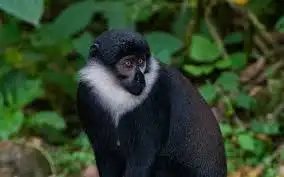
A Rwanda Safari in Gishwati Mukura National Park offers excellent opportunities to observe a variety of primate species beyond chimpanzees. The park supports populations of golden monkeys, blue monkeys, L’Hoest’s monkeys, vervet monkeys, and other forest-dwelling primates. These animals thrive within the protected ecosystem and contribute significantly to the park’s biodiversity. Guided nature walks allow visitors to search for these fascinating creatures while learning about their behaviours, feeding habits, and ecological roles. Watching monkeys leap gracefully through the forest canopy or forage along the forest floor creates memorable wildlife encounters. The presence of multiple primate species makes each visit unique, as different groups may be encountered in different areas of the park. Conservation initiatives have helped improve habitat quality and support healthy populations of these important animals. Visitors gain a deeper appreciation for Rwanda’s wildlife conservation efforts while enjoying close observations of primates in their natural surroundings. These encounters provide a rewarding complement to chimpanzee trekking and add exceptional value to any Rwanda Safari in Gishwati Mukura National Park.
4. Forest Nature Walks in Gishwati mukura National Park
Forest nature walks provide one of the most immersive ways to explore Gishwati Mukura National Park during a Rwanda Safari. Accompanied by knowledgeable guides, visitors journey through lush montane forests filled with indigenous trees, medicinal plants, colourful butterflies, and diverse wildlife. Unlike traditional vehicle-based safaris, nature walks allow travellers to engage directly with the environment and appreciate the smaller details often overlooked during other activities. Guides explain the ecological significance of various plant species, animal tracks, insects, and forest ecosystems while sharing fascinating information about conservation efforts. The peaceful surroundings create a sense of tranquillity and provide excellent opportunities for photography and wildlife observation. Nature walks also offer chances to encounter primates, birds, and other forest inhabitants within their natural habitats. The experience encourages a deeper understanding of the interconnected relationships that sustain biodiversity in the park. For visitors seeking relaxation, education, and close interaction with nature, forest walks remain one of the most rewarding activities available during a Rwanda Safari in Gishwati Mukura National Park.
5. Scenic Forest Landscapes and Photography
The scenic beauty of Gishwati Mukura National Park makes it an exceptional destination for photography during a Rwanda Safari. The park’s rolling hills, mist-covered forests, lush vegetation, and dramatic viewpoints create spectacular landscapes throughout the year. Early morning light filtering through the dense forest canopy produces captivating scenes that are particularly appealing to photographers. Elevated viewpoints reveal sweeping panoramas of western Rwanda’s countryside, showcasing the region’s natural beauty. Wildlife photography opportunities include chimpanzees, monkeys, birds, butterflies, and numerous plant species found throughout the park. The changing weather patterns and seasonal variations create unique photographic conditions, ensuring that every visit offers something different. Nature lovers can capture images of pristine forest habitats while enjoying the peaceful atmosphere of the park. Whether using professional equipment or a simple camera, visitors find countless opportunities to document their experiences. The remarkable scenery and rich biodiversity make photography one of the most enjoyable aspects of a Rwanda Safari in Gishwati Mukura National Park.
6. Conservation and Reforestation Projects
Conservation and reforestation initiatives form an important attraction for visitors undertaking a Rwanda Safari in Gishwati Mukura National Park. The park represents one of Rwanda’s most significant ecological restoration success stories. Years of dedicated conservation efforts have helped restore degraded landscapes, reconnect fragmented forests, and protect critical wildlife habitats. Visitors can learn about programmes focused on biodiversity conservation, sustainable land management, and community involvement. Educational experiences provide valuable insight into how conservation organisations, local communities, and government agencies work together to safeguard natural resources. Reforestation projects have contributed to the recovery of wildlife populations and improved ecosystem health throughout the region. Guides often explain the environmental benefits of restored forests, including soil protection, water conservation, and climate regulation. Understanding these initiatives allows travellers to appreciate the long-term commitment required to preserve biodiversity. For environmentally conscious visitors, learning about conservation achievements adds meaningful depth to a Rwanda Safari and highlights Rwanda’s dedication to sustainable tourism and environmental stewardship.
7. Cultural and Community Experiences
Cultural encounters provide an enriching addition to a Rwanda Safari in Gishwati Mukura National Park. Communities living near the park maintain strong connections to the surrounding environment and play an important role in conservation and tourism activities. Visitors can participate in community-based experiences that showcase traditional Rwandan culture, including music, dance, storytelling, farming practices, and local crafts. These interactions offer valuable insight into daily life while promoting cultural exchange between travellers and residents. Community tourism initiatives also contribute to local livelihoods and encourage sustainable development within the region. Visitors gain a deeper understanding of how conservation efforts benefit surrounding communities and help create economic opportunities. Learning about traditional customs and cultural heritage adds another dimension to the safari experience beyond wildlife viewing. These experiences foster appreciation for Rwanda’s rich cultural diversity while supporting responsible tourism. For travellers seeking meaningful connections with local people, community visits greatly enhance the overall Rwanda Safari experience in Gishwati Mukura National Park.
8. Biodiversity and Forest Ecosystems
The remarkable biodiversity of Gishwati Mukura National Park is one of the strongest reasons to include it in a Rwanda Safari itinerary. The park protects important montane forest ecosystems that support a wide variety of mammals, birds, reptiles, amphibians, insects, and plant species. These habitats play a crucial role in maintaining ecological balance and preserving natural resources. Exploring the park allows visitors to witness the complexity and richness of tropical forest ecosystems while learning about the relationships between different species. Guided tours provide educational insights into biodiversity conservation and ecosystem management. The park’s forests also contribute to water catchment protection and climate regulation, highlighting their environmental significance. Every visit presents opportunities to discover new species and appreciate the intricate natural systems that sustain life within the park. For nature enthusiasts, conservation supporters, and wildlife lovers, the biodiversity of Gishwati Mukura National Park offers a rewarding and educational experience that perfectly complements a memorable Rwanda Safari.
Best Time to Visit Gishwati Mukura National Park on Rwanda Safari
The best time to visit Gishwati Mukura National Park on a Rwanda Safari is during the dry seasons, which typically occur from June to September and from December to February. During these months, forest trails are generally easier to navigate, making activities such as chimpanzee trekking, birdwatching, and guided nature walks more comfortable. The reduced rainfall allows visitors to move through the forest with less difficulty while improving opportunities to observe wildlife. Although the park can be visited throughout the year, the wetter months often bring muddy paths and thicker vegetation. However, the rainy seasons also create lush forest conditions that support a rich variety of birds, plants, and primates. Birdwatchers may particularly appreciate these periods because migratory species are often present. Temperatures remain relatively pleasant throughout the year due to the park’s elevation. Travellers planning a Rwanda Safari in Gishwati Mukura National Park should consider their preferred activities when selecting travel dates, as each season offers slightly different experiences within this protected forest environment.
How to Get to Gishwati Mukura National Park on Rwanda Safari
Reaching Gishwati Mukura National Park is relatively straightforward during a Rwanda Safari, thanks to Rwanda’s well maintained road network. The park is located in western Rwanda between the districts of Rutsiro and Ngororero. Most visitors begin their journey from Kigali, Rwanda’s capital city, which serves as the main international gateway into the country. The drive from Kigali to Gishwati mukura National Park typically takes between three and four hours, depending on road conditions and traffic. Along the route, travellers pass through Rwanda’s rolling countryside, rural communities, and agricultural landscapes. Private transfers arranged through tour operators provide the most convenient means of transport, although self-drive options are also available for independent travellers. Many safari itineraries combine Gishwati Mukura with destinations such as Volcanoes National Park and Lake Kivu, creating a broader Rwanda Safari experience. Advance planning is recommended to coordinate accommodation, permits, and transportation. The accessibility of the park makes it an attractive destination for visitors interested in primates, birdlife, and forest conservation.
Things to Do in Gishwati Mukura National Park on Rwanda Safari
Gishwati- Mukura National Park offers a variety of activities that make a Rwanda Safari both educational and enjoyable. Chimpanzee trekking is the park’s most popular activity, allowing visitors to observe these remarkable primates within their natural forest habitat. Guided nature walks provide opportunities to explore the park’s biodiversity while learning about indigenous plants, wildlife, and conservation programmes. Birdwatching is another major attraction, with more than 230 bird species recorded within the protected area, including several Albertine Rift endemics. Visitors can also participate in primate tracking excursions to search for golden monkeys, blue monkeys, and L’Hoest’s monkeys. Cultural visits to nearby communities offer insight into local traditions, farming practices, and daily life. Photography enthusiasts appreciate the diverse forest environments and wildlife encounters available throughout the park. Educational conservation experiences help visitors understand ongoing restoration and habitat protection efforts. Together, these activities create a well-rounded Rwanda Safari experience that highlights both natural and cultural aspects of western Rwanda.
What to Carry for Gishwati Mukura National Park on Rwanda Safari
Packing appropriately is important for a successful Rwanda Safari in Gishwati Mukura National Park. Visitors should bring lightweight clothing suitable for forest conditions, including long-sleeved shirts and long trousers to protect against insects and vegetation during treks. Comfortable waterproof walking shoes or hiking boots are highly recommended, as some trails can be uneven or muddy, particularly during wetter months. A waterproof jacket is useful because rainfall can occur unexpectedly even during drier periods. Binoculars are valuable for birdwatching and wildlife observation, while a camera helps capture memorable moments throughout the safari. Insect repellent, sunscreen, sunglasses, and a hat provide additional comfort during outdoor activities. Travellers should also carry personal medications and a reusable water bottle to remain hydrated throughout excursions. A small daypack can be helpful for carrying essentials during treks and guided walks. Proper preparation allows visitors to focus on enjoying the wildlife, forests, and conservation experiences that make Gishwati Mukura National Park a rewarding destination on a Rwanda Safari.
Accommodation in Gishwati Mukura National Park on Rwanda Safari
Accommodation options near Gishwati Mukura National Park cater to a range of travellers undertaking a Rwanda Safari. Visitors can choose from eco-lodges, guesthouses, boutique accommodations, and comfortable safari lodges located within reasonable distance of the park. Many properties are designed to complement the surrounding natural environment while providing modern amenities and personalised service. Accommodation providers often arrange guided activities, transfers, and cultural experiences, helping guests maximise their time in the region. Some lodges offer views of forested hills and nearby rural landscapes, creating a peaceful atmosphere for relaxation after daily excursions. Travellers seeking higher levels of comfort can find well-appointed rooms with quality dining facilities and attentive hospitality. Budget-conscious visitors also have access to more affordable options in nearby towns and communities. Booking accommodation in advance is advisable, especially during peak travel seasons. Choosing the right place to stay enhances the overall Rwanda Safari experience and provides convenient access to the wildlife, forests, and activities available in Gishwati mukura National Park.
Health and Safety in Gishwati Mukura National Park on Rwanda Safari
Health and safety are important considerations when planning a Rwanda Safari to Gishwati Mukura National Park. Before travelling, visitors should consult healthcare professionals regarding recommended vaccinations and any necessary preventive medications. Carrying personal medical supplies is advisable, particularly for those with existing health conditions. During forest activities, visitors should follow instructions provided by guides and park rangers to ensure safe wildlife encounters and responsible behaviour within protected areas. Wearing suitable clothing and sturdy footwear helps reduce the risk of minor injuries while trekking through forest terrain. Staying hydrated and using insect repellent can improve comfort during outdoor activities. Rwanda is generally considered a safe travel destination, and tourism infrastructure is well developed in many areas. Nevertheless, travellers should maintain awareness of their surroundings and safeguard personal belongings. Comprehensive travel insurance that includes medical coverage is strongly recommended. By following sensible precautions and respecting park regulations, visitors can enjoy a safe and rewarding Rwanda Safari while exploring Gishwati mukura National Park and its diverse ecosystems.
Why Book Gishwati Mukura National Park on Rwanda Safari with Lamz Tours and Travel
Booking a Rwanda Safari to Gishwati mukura National Park with Lamz Tours and Travel provides travellers with expert planning, personalised service, and extensive regional knowledge. Lamz Tours and Travel specialises in organising carefully tailored itineraries that allow visitors to experience Rwanda’s wildlife, culture, and natural environments with confidence. From arranging accommodation and transportation to securing permits and guided activities, every aspect of the journey is professionally coordinated. The company works with experienced local guides who provide valuable insights into the park’s wildlife, conservation programmes, and surrounding communities. Travellers benefit from flexible itineraries that can be combined with other destinations such as Volcanoes National Park, Nyungwe National Park, and Lake Kivu. Lamz Tours and Travel also supports responsible tourism practices that contribute to conservation efforts and local community development. Whether visitors are interested in chimpanzee trekking, birdwatching, cultural encounters, or forest exploration, the company ensures a smooth and enjoyable travel experience. Choosing Lamz Tours and Travel helps create a well organised Rwanda Safari that maximises opportunities to explore Gishwati Mukura National Park.
Ready to plan your safari?
Talk to a Lamz Tours specialist and get a tailor-made quote.
Make an enquiry