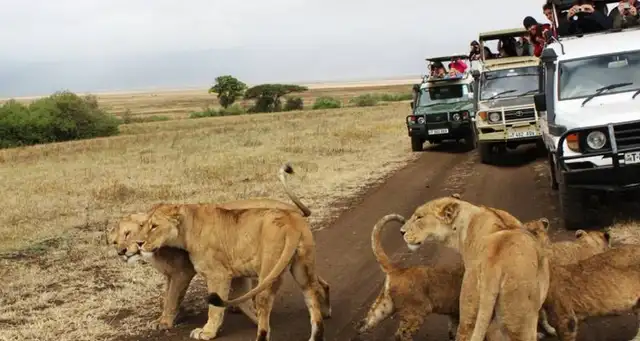
Top activities on African safari Kenya and Tanzania include Great Migration, Big Five drives, balloon rides, walking safaris, crater tours, and cultural visits.
Experience the best of African safari Kenya and Tanzania with a carefully planned adventure that blends wildlife spectacles, cultural depth, and diverse landscapes. From the drama of the Great Migration in the Masai Mara and Serengeti to the rare sightings of black rhinos in Ngorongoro Crater, every moment is designed to maximize value for travelers. African safari Kenya and Tanzania also offer unique activities like hot air balloon rides at sunrise, walking safaris guided by rangers, and cultural visits with the Maasai. Timing is key, with July to October showcasing river crossings and December to March highlighting calving season. Whether you prefer luxury lodges or mobile camps, the experience is about connecting with nature and people. With proper planning, this safari delivers unmatched wildlife viewing, authentic cultural encounters, and memories that last a lifetime
Top Kenya and Tanzanaia safari packages
2-days-fly-in-serengeti-safari-in-tanzania
2-days-tarangire-national-park-and-ngorongoro-crater-safari
3-days-tanzania-safari-in-serengeti-national-park
3-days-tanzania-wildlife-safari
4-days-epic-tanzania-wildlife-and-culture-safari
5-day-kenya-and-tanzania-safari
5-days-circuit-wildlife-safari-in-tanzania
3-days-luxury-fly-in-safari-to-masai-mara
3-days-amboseli-national-park-safaris
4-days-masai-mara-and-lake-nakuru-safari
4-days-wildlife-safari-in-kenya
The Top activities to do on African safari Kenya and Tanzania
Witness the Great Migration Masai Mara and Serengeti
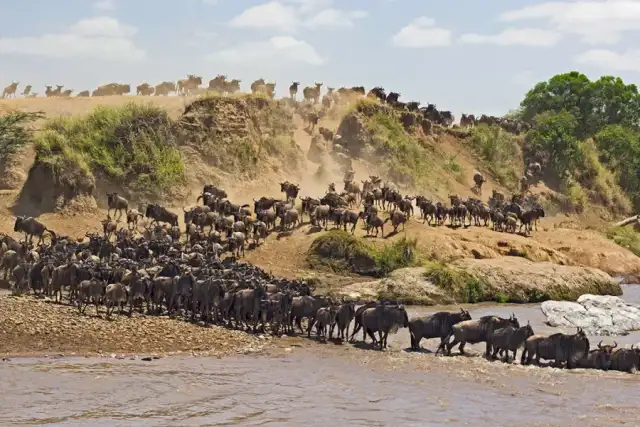
The Great Migration is the most dramatic wildlife event on African safari Kenya and Tanzania, where over 1.5 million wildebeest and zebras cross the Mara River facing crocodiles and predators. From July to October, river crossings are at their peak, while December to March in the southern Serengeti brings calving season with thousands of newborns attracting predators. Travelers planning African safari Kenya and Tanzania should note that timing is critical, as missing the migration window means missing the spectacle. Camps near the river offer front-row seats, but booking early is essential due to high demand. This event is not just about numbers; it’s about survival, raw drama, and the chance to witness nature’s most intense cycle of life and death.
Big Five Game Drives in Both Countries
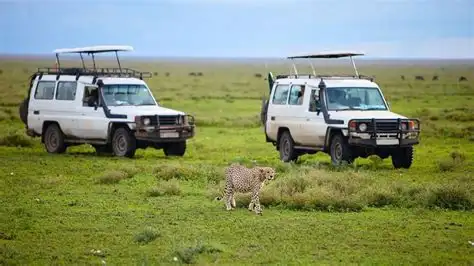
Game drives remain the backbone of African safari Kenya and Tanzania, offering the chance to see lion, leopard, elephant, rhino, and Cape buffalo. Morning drives maximize predator activity, while late afternoon and night drives reveal nocturnal behavior. The Masai Mara in Kenya and Serengeti in Tanzania are prime for big cats, while Ngorongoro Crater provides unmatched density, including rare black rhinos. African safari Kenya and Tanzania travelers should plan varied drive times to increase sightings and avoid crowds. Private conservancies allow night drives, adding depth to the experience. Guides are skilled at tracking, ensuring guests maximize their chances of seeing all five. For those seeking a complete safari, combining these parks ensures diversity in landscapes, wildlife density, and predator-prey interactions.
Hot Air Balloon Safari Over the Plains Masai Mara or Serengeti
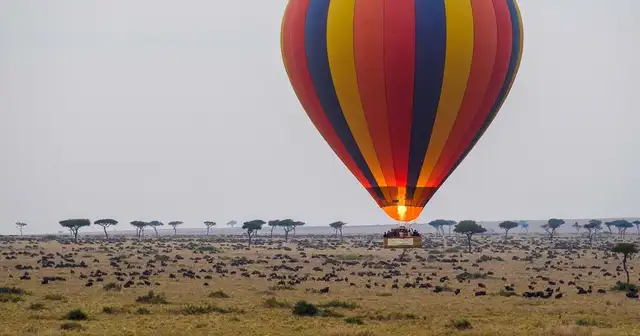
A hot air balloon safari offers a unique perspective on African safari Kenya and Tanzania, floating silently at sunrise above herds of wildebeest, zebras, and predators stalking below. The aerial view highlights the vastness of the plains and the drama of predator-prey dynamics. After landing, guests enjoy a champagne breakfast in the bush, adding a special touch to the morning. African safari Kenya and Tanzania travelers should book in advance, as balloon rides are limited and weather-dependent. This activity is ideal for couples or photographers seeking a different angle on wildlife. The calm flight contrasts with the intensity of game drives, making it a balanced addition to itineraries. It’s not about adrenaline but about perspective, offering a serene yet powerful way to see the savanna.
Walking Safari in Both Countries, Tarangire or Laikipia
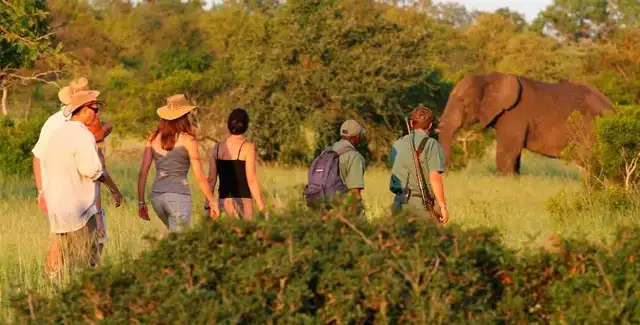
Walking safaris bring travelers closer to the details of African safari Kenya and Tanzania, guided by armed rangers who teach tracking, plant uses, and animal behavior. Unlike vehicle drives, walking highlights footprints, dung, insects, and medicinal plants often overlooked. Tarangire in Tanzania and Laikipia in Kenya are excellent for this raw bush experience. African safari Kenya and Tanzania visitors should prepare for moderate walking and follow ranger instructions for safety. This activity is not about chasing big game but appreciating the smaller details that define the ecosystem. It’s ideal for those wanting intimacy with nature, learning survival skills, and understanding the bush beyond large animals. Walking safaris add depth, making the safari more educational and personal.
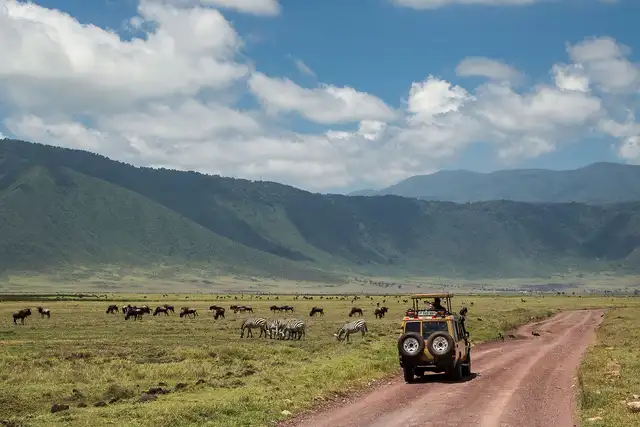
Ngorongoro Crater Floor Drive in Tanzania
Descending into Ngorongoro Crater is a highlight of African safari Kenya and Tanzania, offering dense wildlife in a natural volcanic enclosure. Lions, elephants, buffalo, and rare black rhinos thrive here, making sightings almost guaranteed. The crater’s unique geography concentrates animals, creating one of the highest wildlife densities in Africa. African safari Kenya and Tanzania travelers should expect a full-day drive, with picnic lunches inside the crater to maximize time. The scenery is as striking as the wildlife, with dramatic cliffs surrounding the floor. While crowded during peak season, the abundance of animals compensates. This drive is perfect for those seeking efficiency, as multiple species can be seen in one location without long transfers.
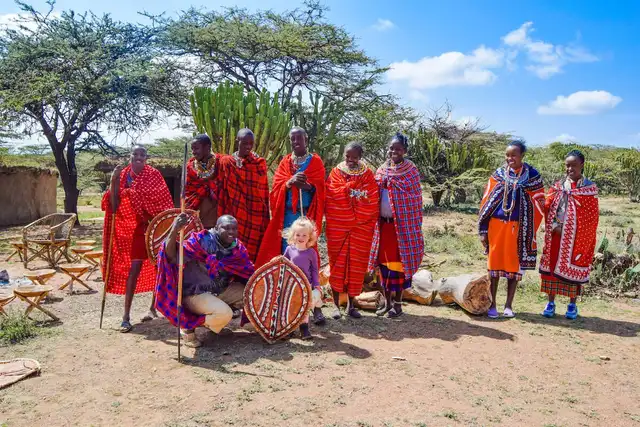
Cultural Visit with the Maasai Kenya and Northern Tanzania
A cultural visit with the Maasai adds human depth to African safari Kenya and Tanzania, offering insight into traditions and coexistence with wildlife. Guests visit a manyatta (village), where they learn jumping dances, beadwork, fire-making, and herding practices. African safari Kenya and Tanzania travelers should understand this is not a performance but a chance to engage respectfully with a community that has lived alongside wildlife for centuries. Photography is welcome but should be done with sensitivity. These visits highlight resilience, cultural pride, and the balance between modern life and tradition. For travelers, it’s a reminder that safaris are not only about animals but also about people who share the land.
Bird Watching in Lake Manyara and Amboseli
Bird watching is a rewarding part of African safari Kenya and Tanzania, with Lake Manyara hosting over 400 species including flamingos, pelicans, and crowned cranes. Amboseli in Kenya adds waterbirds framed by Mount Kilimanjaro, creating striking photographic opportunities. African safari Kenya and Tanzania travelers should carry binoculars and plan visits during migratory seasons for maximum diversity. Birding safaris are not limited to specialists; they enrich the overall safari by adding variety beyond big mammals. Guides are skilled at spotting and identifying species, ensuring even casual bird watchers appreciate the spectacle. This activity balances the safari, offering quieter moments and expanding the wildlife checklist.
Canoe or Boat Safari in Kenya and Tanzania
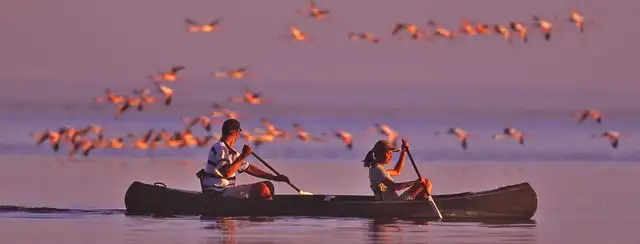
Boat safaris provide a different angle on African safari Kenya and Tanzania, allowing close views of hippos, crocodiles, and waterbirds. In Kenya, Lake Naivasha and the Mara River are popular, while Tanzania’s Rufiji River in Selous (Nyerere NP) offers elephants swimming and crocs basking. African safari Kenya and Tanzania travelers should expect safety measures, with guides ensuring proximity without risk. This activity is ideal for those wanting variety beyond land drives, as water environments reveal unique behaviors. Canoe or boat safaris also provide excellent photography opportunities, with reflections and water-based wildlife interactions. It’s a calm yet valuable addition to itineraries, especially for families or those seeking diversity.
Night Game Drive in Select Reserves like in Lake Manyara or Ol Pejeta, Kenya
Night drives reveal a hidden side of African safari Kenya and Tanzania, using red spotlights to observe nocturnal animals. Genets, civets, aardvarks, bush babies, and lions hunting are common sightings. African safari Kenya and Tanzania travelers should note that night drives are not allowed in all parks, so checking availability is essential. Private reserves like Ol Pejeta in Kenya or Lake Manyara in Tanzania permit them, adding depth to the safari. Night drives are about behavior unseen during the day, offering a fresh perspective. They complement daytime drives, making the safari more complete.
Chimpanzee Trekking in Western Tanzania in Mahale or Gombe
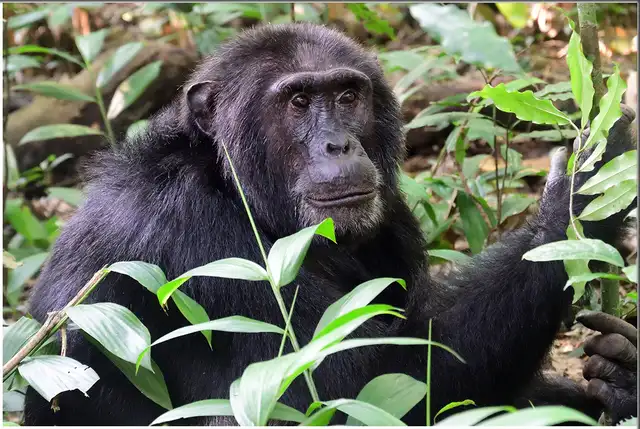
Chimpanzee trekking is a unique highlight of African safari Kenya and Tanzania, though only available in Tanzania’s Mahale and Gombe parks. Travelers hike through rainforest to meet habituated chimpanzee troops, a rare primate experience. African safari Kenya and Tanzania visitors should prepare for moderate hiking and humidity, but the reward is observing complex social behavior up close. Made famous by Jane Goodall’s work in Gombe, these treks add diversity to itineraries focused on big game. It’s not about numbers but about connection, as chimps display intelligence and emotion. This activity requires planning, as it’s remote and often combined with longer safaris
Best time to go for African safari Kenya and Tanzania
The best time for African safari Kenya and Tanzania depends on what travelers want to see and experience. From July to October, the Great Migration dominates the Masai Mara and Serengeti, with wildebeest and zebras crossing rivers under predator pressure. This period is dry, making wildlife easier to spot as animals gather around water sources. For African safari Kenya and Tanzania visitors, this season is ideal for dramatic sightings, but it is also peak travel time, meaning higher costs and crowded lodges. Booking early is essential, especially for camps near the Mara River or central Serengeti.
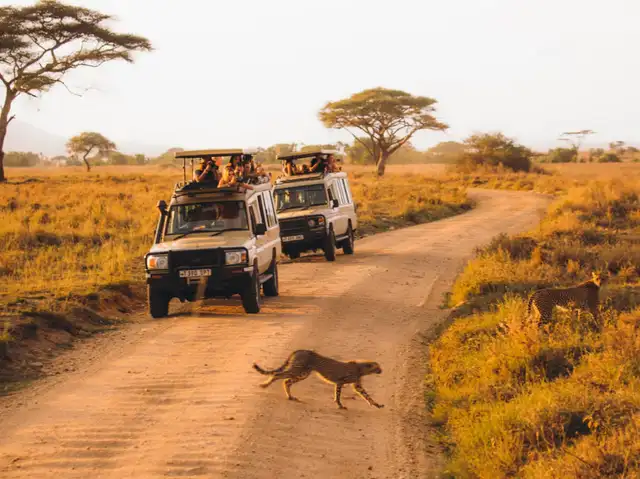
From December to March, southern Serengeti becomes the stage for calving season, with thousands of newborn wildebeest attracting predators. This period offers African safari Kenya and Tanzania travelers a chance to witness life cycles in action, with predator-prey interactions at their most intense. The weather is warm, and landscapes remain green, providing excellent photography opportunities. It is less crowded compared to migration season, making it suitable for those seeking value and fewer tourists. Travelers should plan based on priorities migration drama or calving spectacle both offering unique safari experiences
How to get there for African safari Kenya and Tanzania
Getting to African safari Kenya and Tanzania is straightforward, with Nairobi and Kilimanjaro International Airports serving as the main entry points. Most travelers fly into Nairobi for Kenya safaris, then connect by road or short flights to the Masai Mara, Amboseli, or other reserves. For Tanzania, Kilimanjaro International Airport near Arusha is the gateway to Serengeti, Ngorongoro, and Tarangire. African safari Kenya and Tanzania visitors should plan transfers carefully, as road journeys can be long and bumpy, while domestic flights save time but add cost. Booking flights early ensures better connections, especially during peak migration season.
For those combining both countries, regional flights link Nairobi and Kilimanjaro, making cross-border safaris efficient. African safari Kenya and Tanzania travelers can also use shuttle buses between Nairobi and Arusha, though flights are faster and more comfortable. Tour operators often arrange seamless transfers, including charter flights directly into safari lodges. Travelers should consider luggage restrictions on small planes and pack light. Visa requirements differ, so checking entry rules for both countries is essential. With proper planning, moving between Kenya and Tanzania is smooth, allowing guests to maximize time in the parks rather than on the road
Best tips for experiencing things to do on African safari Kenya and Tanzania
When planning African safari Kenya and Tanzania, one of the best tips is to align your itinerary with seasonal highlights. July to October is perfect for witnessing the Great Migration in the Masai Mara and Serengeti, while December to March offers calving season in southern Serengeti. African safari Kenya and Tanzania travelers should book early during these peak months, as lodges fill quickly and prices rise. Timing also affects wildlife visibility, with dry seasons concentrating animals near water sources. By choosing the right months, visitors maximize sightings and avoid disappointment.
Another key tip for African safari Kenya and Tanzania is balancing destinations. Combining Kenya’s Masai Mara with Tanzania’s Serengeti ensures diverse landscapes and wildlife experiences. Adding Ngorongoro Crater or Amboseli provides variety, from dense animal populations to elephants against Kilimanjaro. African safari Kenya and Tanzania travelers should avoid rushing; spending at least two nights per park allows time for morning, evening, and night drives. This slower pace reduces fatigue and increases chances of seeing rare animals.
Packing smart is essential for African safari Kenya and Tanzania. Lightweight clothing in neutral colors helps blend into the environment, while layers prepare for cool mornings and hot afternoons. A good camera with zoom lens, binoculars, and insect repellent are must-haves. African safari Kenya and Tanzania visitors should also carry reusable water bottles and sunscreen. Small luggage is advised due to restrictions on domestic flights. Preparing properly ensures comfort and readiness for varied conditions, making the safari smoother and more enjoyable.
Finally, African safari Kenya and Tanzania travelers should consider guided experiences. Professional guides enhance sightings by tracking animals and explaining behaviors. Walking safaris, cultural visits with the Maasai, and boat trips add depth beyond game drives. African safari Kenya and Tanzania visitors benefit from mixing activities, ensuring a richer safari. Respecting park rules, supporting local communities, and choosing eco-friendly lodges also contribute to responsible tourism. These tips help travelers not only see wildlife but also connect meaningfully with the land and people
Best places to stay during African safari Kenya and Tanzania
When choosing where to stay during African safari Kenya and Tanzania, travelers have options ranging from luxury lodges to budget-friendly camps. In Kenya, the Masai Mara offers high-end stays such as Angama Mara and Mara Serena Safari Lodge, both providing panoramic views and direct access to wildlife. For those seeking mid-range comfort, lodges like Ashnil Mara Camp balance affordability with quality service. African safari Kenya and Tanzania visitors should consider location carefully, as lodges near river crossings or conservancies provide better access to migration events and fewer crowds. Booking early is important, especially during peak migration season, to secure preferred accommodations.
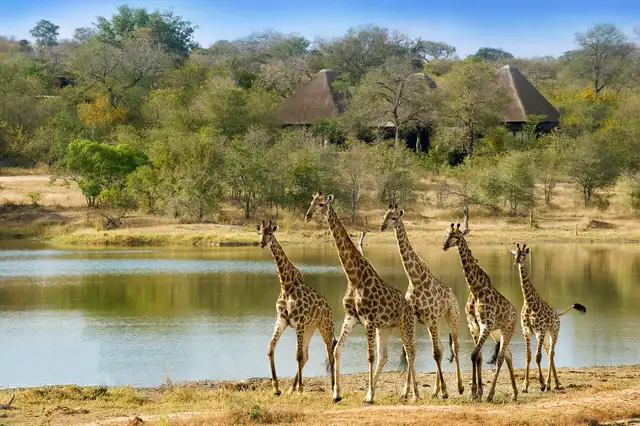
In Tanzania, the Serengeti and Ngorongoro Crater host some of the most renowned safari lodges. Four Seasons Safari Lodge Serengeti offers luxury with wildlife visible from its infinity pool, while Ngorongoro Crater Lodge provides unmatched views of the crater floor. For eco-conscious travelers, The Highlands Ngorongoro features dome tents blending sustainability with comfort. African safari Kenya and Tanzania guests seeking exclusivity can opt for camps in Ruaha or Nyerere, where fewer visitors mean more intimate wildlife experiences. Budget travelers can choose mobile camps or public campsites, ensuring affordability without missing the safari highlights. Matching accommodation to travel style ensures comfort and maximizes the safari experience
Booking African safari Kenya and Tanzania with Lamz Tours and Travel
Booking African safari Kenya and Tanzania with Lamz Tours and Travel ensures a seamless experience from planning to execution, with expert guidance on destinations, timing, and logistics. Lamz Tours and Travel specializes in tailoring itineraries that combine the Masai Mara in Kenya with the Serengeti and Ngorongoro Crater in Tanzania, maximizing wildlife sightings and seasonal highlights like the Great Migration or calving season. With professional support, travelers benefit from well-selected lodges, reliable transfers, and knowledgeable guides who enhance every game drive. Choosing Lamz Tours and Travel for African safari Kenya and Tanzania also means supporting responsible tourism, as the company prioritizes conservation and community engagement. Whether seeking luxury lodges, mobile camps, or cultural visits with the Maasai, Lamz Tours and Travel provides value-driven options that match traveler needs while ensuring memorable safari experiences.
Ready to plan your safari?
Talk to a Lamz Tours specialist and get a tailor-made quote.
Make an enquiry