Explore the wildest spot for a safari in Uganda with Kidepo Valley National Park's top activities, from game drives to cultural visits and predator tracking.
Travellers searching for a truly remote Safari in Uganda often hear about famous parks such as Queen Elizabeth or Murchison Falls. Yet far in the north-eastern corner lies a protected landscape untouched by heavy tourism. Kidepo Valley National Park stretches across rugged plains, rocky hills, and seasonal river valleys near the borders of South Sudan and Kenya. The journey takes time, but those who arrive understand why guides describe it as the wildest park for a Safari in Uganda.
Top Activities Making Kidepo Valley Park the Wildest Spot for a Safari in Uganda
1. Game Drives across the Wildlife Rich Narus Valley
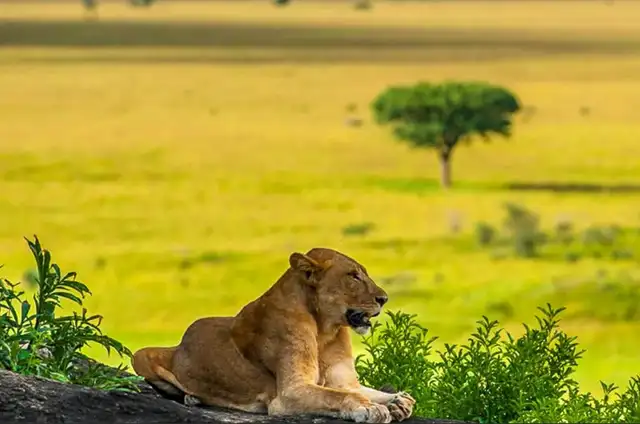
Narus Valley forms Kidepo's wildlife centre with permanent water sources attracting animals even during dry months. During a Safari in Uganda, morning game drives reveal Uganda kob grazing while giraffes browse acacia trees. Buffalo herds stretch across plains in numbers that seem endless. Lions rest in shade during warm hours. The open land provides clear views toward surrounding hills. Watching wildlife here feels different because the wide landscape allows uninterrupted observation. This valley offers the most reliable wildlife viewing on a Safari in Uganda.
2. Exploring the Remote Kidepo Valley
The northern section reveals a dramatic landscape shaped by the seasonal Kidepo River. For much of the year the riverbed remains dry, forming a wide sandy channel across the valley. Travellers on a Safari in Uganda encounter rugged terrain with rocky outcrops and distant mountains. Wildlife here includes species not commonly seen elsewhere, such as bat-eared foxes and striped hyenas. The isolation of this area creates a sense of true wilderness. Exploring the Kidepo Valley gives travellers a rare opportunity to experience an untouched ecosystem on a Safari in Uganda.
3. Watching Massive Buffalo Herds Move across the Plains
Large buffalo herds gather in enormous groups during dry periods on a Safari in Uganda. From a distance the herd appears like a dark wave flowing slowly through the grass. As vehicles approach carefully, hundreds of animals move together while oxpeckers perch on their backs searching for insects. Occasionally a buffalo lifts its head sharply, signalling alertness within the group. These subtle movements reveal how closely the herd watches its surroundings for potential threats on a Safari in Uganda.
Popular Uganda Tour Packages
12 Day Uganda, Rwanda primate safaris with the big five in Akagera
12 Day wildlife safari in Uganda with relaxation at Zanzibar
11 Days Gorillas and Chimpanzees Wildlife Safari, Uganda
11 day Uganda adventures in Bwindi with the big five
11 Day Uganda gorillas and chimpanzees tour, Kibale to Mgahinga volcanoes
4. Tracking Lions in One of Uganda's Quietest Predator Habitats
Lions remain among the most sought after animals during any Safari in Uganda. The open terrain allows guides to scan the landscape carefully for movement during early morning drives. Lions often rest beneath shrubs or near rocky outcrops where shade protects them from heat. Guides sometimes follow fresh tracks left in the dust, leading to areas where a pride has recently passed. When visitors finally locate these predators, the moment feels deeply rewarding because the search required patience and careful observation on a Safari in Uganda.
5. Bird Watching in a Landscape Rich with Rare Species
Bird enthusiasts travelling for a Safari in Uganda frequently include Kidepo for its remarkable diversity with over four hundred species. Large birds such as the secretary bird patrol grasslands while searching for snakes and insects. Ostriches also roam the plains, their long legs carrying them swiftly across open ground. Smaller birds occupy shrubs near seasonal rivers, adding colour and movement to the landscape. Early morning provides the best opportunities as the park fills with calls from different species greeting the new day on a Safari in Uganda.
6. Cultural Visits to the Karamojong Communities
Beyond wildlife viewing, cultural experiences enrich a Safari in Uganda around Kidepo. The surrounding region is home to the Karamojong people, pastoral communities whose traditions revolve around cattle herding and seasonal migration. Visitors travel to nearby villages accompanied by local guides who understand community customs. These visits offer insight into how the Karamojong have adapted to life in a dry environment where water and pasture determine daily routines. Guests observe traditional homesteads and learn about livestock management techniques used for generations on a Safari in Uganda.
7. Hiking the Slopes of Mount Morungole
Mount Morungole rises above the northern section of Kidepo, forming one of the most prominent landmarks. Adventurous travellers on a Safari in Uganda sometimes choose to hike part of this mountain for sweeping views of the park below. The trail climbs gradually through rocky terrain and scattered vegetation. Along the way guides explain how rainfall patterns influence plant growth on different slopes. As the path rises higher, the view opens across wide plains that stretch toward distant borders. Near the mountain live the Ik people, a small community with unique cultural traditions on a Safari in Uganda.
Best Time to Visit Kidepo Valley National Park on a Safari in Uganda
The dry seasons provide the best conditions for exploring Kidepo on a Safari in Uganda. These months occur between December and February, and again from June to September. During these periods grass becomes shorter and animals gather around reliable water sources, making wildlife easier to locate. Clear skies improve visibility across the plains for photography and long-distance spotting. The rainy months bring their own beauty with fresh grass appearing across the landscape, attracting grazing animals and creating green scenery on a Safari in Uganda.
How to Reach Kidepo Valley National Park on a Safari in Uganda
Travellers undertaking a Safari in Uganda can reach Kidepo either by road or by air. Road journeys from Kampala usually take around ten to twelve hours depending on the route. Many itineraries include overnight stops in northern towns before continuing toward the park. Domestic flights also operate from Entebbe to the Kidepo airstrip, reducing travel time significantly. From the airstrip visitors transfer by vehicle to safari lodges located inside or near the park boundaries for a Safari in Uganda.
Things to Do on a Safari in Kidepo National Park during your Safari in Uganda
A Safari in Uganda in Kidepo offers game drives in Narus Valley, exploring the remote Kidepo Valley, watching massive buffalo herds, tracking lions, bird watching, cultural visits to Karamojong communities, hiking Mount Morungole, evening wildlife observation near water sources, and photography safaris. Each activity provides a different perspective of the park, ensuring a varied and engaging experience for every traveller on a Safari in Uganda.
What to Carry for a Safari in Uganda to Kidepo National Park
Because the park lies in a warm and dry region, travellers joining a Safari in Uganda should carry light clothing suitable for sunny conditions. Neutral colours such as khaki or olive help visitors blend into the environment during wildlife viewing. Binoculars remain useful for observing distant animals across the wide plains, while cameras with zoom lenses allow travellers to capture wildlife behavior without approaching too closely on a Safari in Uganda.
Where to Stay for the Best Accommodation around Kidepo on a Safari in Uganda
Accommodation options within and around the Park Range from comfortable safari lodges to simpler camps that bring visitors closer to the natural environment. Many lodges overlook Narus Valley, providing views of wildlife movements directly from the property. Staying inside the park allows travellers on a Safari in Uganda to begin game drives early in the morning when animals are most active. Evenings often include quiet moments around camp while listening to distant sounds from the surrounding wilderness on a Safari in Uganda.
Health and Safety Tips for the Best Safari in Uganda
Guided tours remain the safest way to explore Kidepo on a Safari in Uganda. Professional guides understand the behaviour of wildlife and maintain safe distances while observing animals. Visitors should always follow instructions given by their guides and remain inside vehicles during game drives unless advised otherwise. Carrying drinking water, using sun protection, and wearing comfortable footwear also help ensure a safe and enjoyable experience throughout the visit on a Safari in Uganda.
Why Book with Lamz Tours and Travel for a Safari in Uganda
Lamz Tours and Travel organises carefully planned journeys across Uganda's national parks, including expeditions to Kidepo Valley National Park. Travellers booking a Safari in Uganda with Lamz Tours and Travel benefit from knowledgeable guides who understand the park's landscapes, wildlife patterns, and cultural surroundings. The company designs itineraries that allow visitors to explore remote destinations while maintaining comfort and safety throughout the journey on a Safari in Uganda.
Beyond Kidepo Valley National Park on a Safari in Uganda
Beyond Kidepo, Lamz Tours and Travel also organises expertly planned trips across South Africa, Kenya, Tanzania, Morocco, Rwanda, Malawi and other African destinations.
Ready to plan your safari?
Talk to a Lamz Tours specialist and get a tailor-made quote.
Make an enquiry