See the top 7 must-see animals in Uganda’s national parks on a Uganda safari trip, including gorillas, lions, elephants, chimpanzees, and more.
Uganda is a wildlife lover’s paradise, offering memorable encounters on a Uganda safari trip. From dense rainforests to vast savannahs, the country hosts some of Africa’s most iconic animals. On your journey, you can observe majestic mountain gorillas, playful chimpanzees, powerful lions, gentle elephants, and other incredible wildlife. A Uganda safari trip combines adventure, conservation education, and stunning landscapes, making each wildlife encounter an extraordinary and memorable experience for travellers seeking a true African safari adventure.
Our Best Safaris on a Uganda Safari Trip.
1 Day To Jinja, Sezibwa falls and Mabira forest Hike
2 Days Jinja Tour and White Water Rafting
3 Days Uganda Gorilla Trekking Safari and Batwa Pygmies Visit in Bwindi National Park
4 Days Fly in Kidepo Valley National Park Safaris
5 Days Safari To Kidepo Valley National Park
6 Days Kidepo Valley and Murchison Falls Wildlife Safari
7 Days Murchison Falls, Kibale, and Queen Elizabeth National park Safari
8 Days Murchison Chimpanzees Queen Elizabeth and Gorilla Safari
9 Days Best of the Uganda Safari with Gorillas
10 Days Uganda Ultimate Primate Safari
11 Days Gorillas and Chimpanzees Wildlife Safari, Uganda
12 Days Best of Uganda Wildlife Encounter and Cultural Safari
14 Days Uganda Birding Safari Experience
15 Days Gorilla Safari and wildlife in Uganda
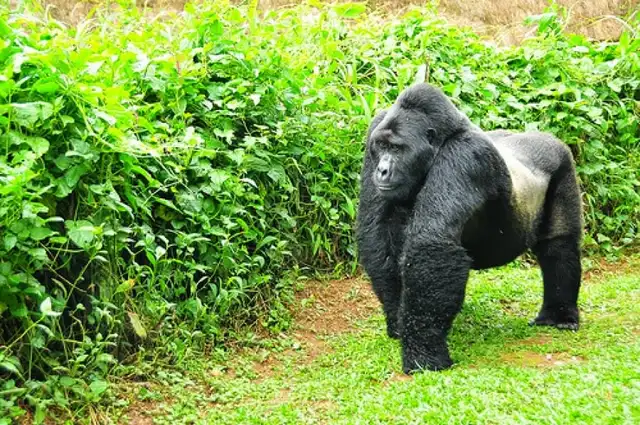
1. Mountain Gorillas
Mountain gorillas are among the most sought-after wildlife encounters in the world, and Uganda is one of the few places where you can see them. Trekking through Bwindi Impenetrable Forest or Mgahinga Gorilla National Park to observe these gentle giants is an unforgettable experience. Their social interactions, playful behavior, and sheer size leave a lasting impression on anyone lucky enough to witness them. During a Uganda safari trip, travellers gain a deeper appreciation for conservation efforts protecting these endangered species. The trek itself is an adventure, walking through lush forests, crossing streams, and listening to the sounds of the jungle. Seeing a gorilla family up close is humbling and deeply moving, making it a highlight of any safari itinerary. Beyond the adventure, this encounter offers unique photo opportunities and the chance to understand Uganda’s commitment to wildlife preservation firsthand.
2. African Elephants
African elephants are the giants of Uganda’s national parks, roaming freely across Murchison Falls and Queen Elizabeth National Parks. Watching these majestic creatures interact in their natural habitat is truly mesmerizing. Herds of elephants display remarkable social behavior, from nurturing calves to playful sparring among adults, offering travellers unforgettable wildlife moments. On a Uganda safari trip, spotting elephants at sunrise or sunset against golden savannahs is a breathtaking experience. Elephants often move in family groups, giving a sense of their strong bonds and intelligence. Photographers and wildlife lovers will delight in capturing their massive forms against Uganda’s picturesque landscapes. Observing elephants also emphasizes the importance of wildlife protection, as these iconic animals face threats from poaching and habitat loss. A guided Uganda safari trip ensures safe and responsible viewing, allowing visitors to connect with these incredible creatures while learning about conservation efforts that sustain them for future generations.
3. Lions
Lions, the majestic kings of the African savannah, are a must-see on any Uganda safari trip. Queen Elizabeth National Park is home to several prides, offering travellers the chance to witness big cat behavior in the wild. During early morning or late afternoon game drives, lions can be seen lounging under trees, hunting across open plains, or interacting within their prides. Observing lions in their natural environment is thrilling, offering insight into their social structures, communication, and survival strategies. A Uganda safari trip provides guides who understand their habits, increasing the chances of a close encounter without disturbing them. Witnessing a lion hunt or seeing cubs play is both exciting and humbling, showing the balance of nature in Uganda’s ecosystems. Beyond the adrenaline of spotting lions, travellers gain a deeper understanding of wildlife conservation, the challenges these predators face, and their vital role in maintaining the ecological balance of Uganda’s national parks.
4. Chimpanzees
Chimpanzees are playful, intelligent, and fascinating to observe in their natural habitats. Kibale National Park, often called the “primates capital of the world,” provides one of the best opportunities to see these remarkable creatures during a Uganda safari trip. Trekking through dense forests to track chimpanzee groups is an immersive adventure, filled with the sounds of the jungle and glimpses of other wildlife along the way. Watching chimpanzees interact, groom, and communicate is a glimpse into behaviors similar to humans, offering an extraordinary educational experience. On a Uganda safari trip, guided treks ensure safety while allowing close observation of these primates in their natural environment. Chimpanzee trekking is not just about wildlife; it connects travellers with conservation initiatives that protect Uganda’s forests and primates. The experience is exhilarating and memorable, leaving visitors with a sense of wonder and respect for one of our closest relatives in the animal kingdom.
5. Hippos
Hippos are among the most iconic river animals in Uganda, commonly seen in the Kazinga Channel, Nile River, and lakes within national parks. Despite their bulky size, hippos are surprisingly agile in water, making river cruises during a Uganda safari trip both exciting and scenic. Observing them basking in the sun or submerging into water while making grunting sounds is fascinating. Hippos are social animals, often seen in large groups, giving travellers a unique insight into their communal behavior. A Uganda safari trip that includes a boat safari offers a safe, up-close perspective, capturing the contrast of their gentle grazing along the water edges with their aggressive displays when threatened. Beyond entertainment, spotting hippos highlights the importance of conserving freshwater habitats in Uganda, as these areas support diverse species. Every encounter with these remarkable creatures creates unforgettable memories and adds a unique river dimension to a classic wildlife adventure.
6. Crocodiles
Crocodiles are ancient predators that thrive in Uganda’s rivers, especially along the Nile in Murchison Falls National Park. These formidable reptiles can reach impressive sizes, and spotting them sunbathing on riverbanks or gliding through water is a thrilling sight on any Uganda safari trip. River safaris offer safe viewing opportunities, letting travellers appreciate the crocodiles’ stealth and power. A Uganda safari trip along rivers like the Nile combines scenic landscapes, abundant birdlife, and the chance to see these apex predators in action. Crocodiles play a vital role in the ecosystem by controlling fish populations and maintaining healthy waterways. Observing them also emphasizes the importance of respecting wildlife and keeping safe distances. For photographers and wildlife enthusiasts, crocodiles provide dramatic subjects, especially when captured alongside the sparkling rivers and lush vegetation, making them a must-see highlight during Uganda’s adventurous safari journeys.
7. Buffalo
African buffalo are widespread across Uganda’s savannahs, and spotting them is a thrilling addition to any Uganda safari trip. These powerful and unpredictable animals often move in large herds, displaying strong social dynamics and interactions. Seeing them graze or respond to potential threats offers a glimpse into the survival strategies of the African wilderness. On a Uganda safari trip, guides can track buffalo herds safely, ensuring memorable encounters without disturbing their natural behaviours. Buffalo are part of Uganda’s iconic “Big Five,” and observing them in open plains or near waterholes creates perfect photo opportunities. Beyond their impressive presence, buffalo highlight the balance of ecosystems in national parks, as their grazing patterns shape the landscape and influence other wildlife. For travellers, including buffalo in your Uganda safari trip adds adventure, education, and an authentic connection to Uganda’s vibrant wildlife.
Best Time to Visit on a Uganda Safari Trip
The best time to plan a Uganda safari trip is during the dry seasons, from June to September and December to February. These months make wildlife spotting easier, as animals gather near water sources and trails are more accessible. While gorilla trekking is possible year-round, visiting during dry months ensures easier hikes through Bwindi or Mgahinga forests, with fewer slippery paths. Birdwatchers may prefer the wet seasons, March to May and October to November, when migratory birds fill Uganda’s skies, and the forests are lush. A well-planned Uganda safari trip during these times balances comfort, safety, and optimal wildlife viewing. Dry periods also provide clearer skies for photography and outdoor activities, while boat safaris on the Nile or Kazinga Channel are more enjoyable. Even within dry seasons, early mornings and late afternoons offer the best chances to spot animals actively feeding. Knowing the right time for your Uganda safari trip helps travellers maximise encounters with gorillas, elephants, lions, chimpanzees, and other iconic wildlife.
How to Get to Uganda National Parks, for a Uganda Safari Trip
Travellers usually start a Uganda safari trip by flying into Entebbe International Airport, about 40 km from Kampala. From there, domestic flights, private transfers, or guided safari vehicles take visitors to national parks like Bwindi, Kibale, and Murchison Falls. Roads to some remote parks can be challenging, so professional transportation ensures comfort and safety on your Uganda safari trip. Many travellers choose organised tours with local operators such as Lamz Tours and Travel, which handle park permits, transfers, and accommodations seamlessly. A Uganda safari trip often combines road and air travel, letting visitors reach multiple parks efficiently without missing key wildlife experiences. Guided trips also offer insider knowledge about the best routes, hidden viewpoints, and local wildlife patterns. For travellers seeking a full wildlife itinerary, choosing reliable logistics ensures smooth connections and maximises time in each park. Planning transport carefully is essential to a successful and stress-free Uganda safari trip.
Things to Do on a Uganda Safari Trip in Uganda National Parks
A Uganda safari trip is packed with activities for wildlife and adventure enthusiasts. Gorilla trekking in Bwindi or Mgahinga allows close observation of endangered mountain gorillas. Chimpanzee tracking in Kibale Forest provides interactive experiences with playful primates. Game drives in Queen Elizabeth and Murchison Falls National Parks showcase lions, elephants, buffalo, and other iconic species. Boat safaris along the Nile or Kazinga Channel give visitors the chance to see hippos, crocodiles, and birdlife. A Uganda safari trip can also include cultural interactions with local communities near the parks, learning about Batwa traditions or village life. For nature lovers, hiking crater lakes or scenic viewpoints adds variety to the wildlife experience. Birdwatching enthusiasts benefit from spotting rare species across Uganda’s diverse ecosystems. Combining these activities in a well organised Uganda safari trip ensures travellers experience both adventure and education, making their journey to Uganda truly memorable.
What to Carry on a Uganda Safari Trip
Packing smartly is key to enjoying a Uganda safari trip comfortably and safely. Essentials include lightweight, neutral-colored clothing to blend with the environment, along with sturdy hiking boots for trekking in forests or rough terrain. A hat, sunglasses, and sunscreen protect against Uganda’s tropical sun, while a rain jacket helps during unexpected showers. Binoculars and cameras are crucial for capturing wildlife moments during your Uganda safari trip. Carrying a reusable water bottle keeps you hydrated, and a personal first-aid kit ensures minor emergencies are handled. Medications, insect repellent, and malaria prophylaxis are also recommended. Packing layered clothing accommodates fluctuating temperatures, from cool mornings on early game drives to warmer afternoons. Organizing essentials carefully enhances your Uganda safari trip, making every trek, game drive, and boat safari comfortable and enjoyable. A prepared traveler can focus on experiencing wildlife and landscapes without unnecessary stress.
Health and Safety on a Uganda Safari Trip
Prioritising health and safety is crucial for a successful Uganda safari trip. Travellers should ensure yellow fever vaccination and consider other immunisations like tetanus, typhoid, and hepatitis A/B. Malaria prophylaxis is strongly recommended, as mosquitoes are common in forested and wetland areas. Drinking bottled or purified water is important to avoid waterborne illnesses. A Uganda safari trip is safest when visitors follow park rules, remain with guides, and maintain a respectful distance from wild animals. Proper clothing, insect repellent, sun protection, and sturdy footwear reduce risks during treks or game drives. Travel insurance is also advised to cover emergencies. By taking these precautions, a Uganda safari trip can be both exciting and worry-free. Following local guidelines not only protects visitors but also ensures minimal disruption to wildlife, promoting a sustainable and responsible safari experience.
How much does a Uganda safari trip cost?
The cost of a Uganda safari trip depends on several factors, including the length of the safari, type of accommodation, the activities included, and the number of parks visited. On average, a standard 5 to 7 day Uganda safari trip can range from mid-budget options around $2,000 to luxury experiences exceeding $5,000 per person. Gorilla trekking permits, which are essential for visits to Bwindi or Mgahinga, are the most significant expense, often between $700 and $1,500 per person. A Uganda safari trip can also include game drives, boat cruises, cultural experiences, park fees, and domestic transfers. Choosing a professional operator, like Lamz Tours and Travel, ensures that all costs are transparent and planned, reducing surprises and maximising value. Budget travellers can adjust itineraries to include fewer parks or opt for more modest lodges, while luxury travellers enjoy private vehicles, premium accommodations, and guided experiences. Planning ahead and booking early for permits and accommodations ensures a smooth and memorable Uganda safari trip that balances cost, comfort, and wildlife experiences.
What is included in a Uganda safari trip itinerary?
A well planned Uganda safari trip itinerary ensures that travellers experience the best wildlife, landscapes, and cultural highlights the country has to offer. A typical itinerary might start in Kampala or Entebbe, with transfers to national parks such as Murchison Falls, Queen Elizabeth, Kibale, and Bwindi Impenetrable Forest. Early mornings often include game drives to spot lions, elephants, and buffalo, while afternoons may feature boat safaris along rivers like the Nile or Kazinga Channel to see hippos and crocodiles. Trekking gorillas in Bwindi and chimpanzees in Kibale forms the highlight of many Uganda safari trip itineraries, blending adventure and conservation education. Cultural visits to local communities, craft villages, or traditional Batwa settlements are also incorporated for a fuller experience. Each day is paced to balance wildlife encounters, photography, and relaxation at lodges or camps. A professional guide ensures the itinerary is flexible, allowing adjustments based on wildlife sightings or traveller preferences. With a well organised Uganda safari trip itinerary, every moment is optimised for memorable experiences and comfort.
Which Uganda safari tours are considered the best?
The best Uganda safari tours combine incredible wildlife, knowledgeable guides, comfortable accommodations, and tailored experiences for travellers of all interests. These tours include gorilla trekking in Bwindi and Mgahinga, chimpanzee trekking in Kibale, and game drives in Queen Elizabeth and Murchison Falls National Parks. A Uganda safari trip on a top tour also features river cruises along the Nile or Kazinga Channel, where hippos, crocodiles, and diverse birdlife are abundant. Professional guides provide insights into animal behavior, park ecosystems, and conservation efforts, enhancing the experience. The best Uganda safari tours also incorporate cultural encounters with local communities, including traditional dances, craft markets, and Batwa experiences, adding a human dimension to the wildlife adventure. Lodging ranges from luxury riverside lodges to eco-friendly camps, depending on traveler preference. With a carefully curated itinerary, a Uganda safari trip ensures each day is filled with unique sightings, adventure, and comfort, creating a safe and unforgettable experience for wildlife enthusiasts and nature lovers alike.
Ready to plan your safari?
Talk to a Lamz Tours specialist and get a tailor-made quote.
Make an enquiry