Experience Morocco's top 5 wildlife wonders on Moroccan trips, from Barbary macaques in cedar forests to flamingos on Atlantic lagoons and desert foxes in the Sahara.
Moroccan trips offer one of the most diverse wildlife experiences in North Africa, where travellers encounter nature in its most surprising and beautiful forms. Morocco is globally celebrated for its unique position between Europe, Africa, and the Sahara, hosting a remarkable variety of wildlife found nowhere else on earth. On Moroccan trips, the experience goes beyond traditional sightseeing by combining wildlife encounters with breathtaking landscapes, expert local guides, and carefully curated adventures.
Popular Morocco Tour Packages
Top 5 Wildlife Wonders to Experience on Moroccan Trips
1. Barbary Macaques in the Cedar Forests of the Middle Atlas
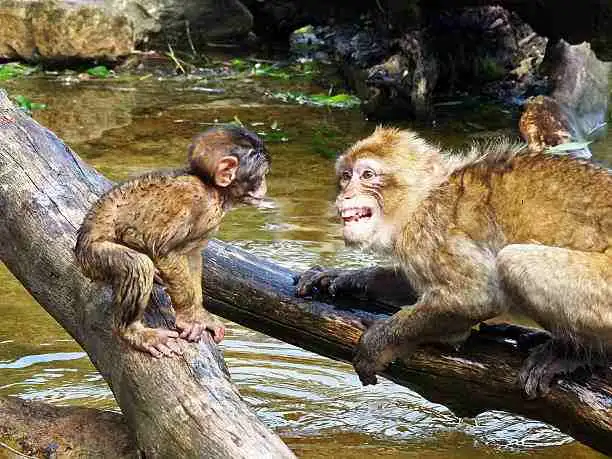
The Barbary macaque is one of the most charming wildlife wonders to experience on Moroccan trips, and it is found nowhere else in the wild outside of Morocco and Algeria. These tailless monkeys live in the ancient cedar forests of the Middle Atlas Mountains, particularly around Azrou and the Cedre Gouraud Forest. On Moroccan trips, visitors can observe these social primates in their natural habitat, watching them play, groom each other, and forage for food. Unlike many wild animals, Barbary macaques are often comfortable around people, though they should always be treated with respect. The cedar forests themselves are stunning, with some trees over 800 years old. On Moroccan trips, encountering these rare monkeys is a highlight for families, wildlife lovers, and photographers. Conservation efforts are ongoing to protect these endangered primates, and visiting them supports local ecotourism initiatives. The experience is both heartwarming and educational, offering a rare glimpse into Morocco's hidden wildlife.
2. Flamingos and Waterbirds on the Atlantic Coast
Flamingos create one of the most visually stunning wildlife wonders on Moroccan trips, transforming coastal lagoons into vibrant displays of pink and white. The Oualidia Lagoon and the estuaries of Souss Massa National Park are prime locations for spotting these elegant birds. On Moroccan trips, thousands of greater and lesser flamingos gather in these shallow waters, feeding on algae and tiny crustaceans that give them their distinctive colour. The contrast between the pink birds, the blue water, and the Atlantic coastline creates a breathtaking scene perfect for photography. Beyond flamingos, Moroccan trips also offer spectacular waterbird watching, including spoonbills, glossy ibises, herons, and migratory waders from Europe. The best time to see these birds is during spring and autumn migration. On Moroccan trips, birdwatchers and nature enthusiasts find these experiences particularly rewarding, as the wetlands of Morocco are recognized as crucial stopover points for millions of birds traveling between Europe and Africa.
3. Fennec Foxes and Desert Wildlife of the Sahara
The fennec fox is one of the most elusive and adorable wildlife wonders to experience on Moroccan trips. This tiny fox, with its oversized ears and sandy coat, is perfectly adapted to life in the Sahara Desert. On Moroccan trips, visitors who venture into the dunes of Merzouga or Zagora may be lucky enough to spot these nocturnal creatures at dawn or dusk. They are shy and rarely seen, but their tracks are often visible in the morning sand. Beyond the fennec fox, the Sahara on Moroccan trips is home to other remarkable desert specialists, including desert hedgehogs, sand cats, horned vipers, fennec foxes, scorpions, and the rare dama gazelle and addax antelope in protected reserves. The silence of the desert, the vast dunes, and the knowledge that hardy creatures survive in such harsh conditions make wildlife watching on Moroccan trips a unique and humbling experience. Night drives and guided walks increase the chances of spotting these secretive animals.
4. Birds of Prey in the High Atlas Mountains
The High Atlas Mountains are a haven for birds of prey, making them an essential destination for wildlife lovers on Moroccan trips. These rugged peaks are home to golden eagles, Bonelli's eagles, short-toed snake eagles, and the majestic bearded vulture, also known as the lammergeier. On Moroccan trips, visitors hiking in Toubkal National Park or the valleys around Imlil can watch these magnificent birds soaring on mountain thermals, their silhouettes sharp against the blue sky. The bearded vulture, with its impressive wingspan and rusty orange chest, is one of the rarest and most sought-after sightings. On Moroccan trips, early morning and late afternoon are the best times for birdwatching, when the birds are most active. The dramatic mountain scenery adds to the experience, with snow capped peaks, deep gorges, and traditional Berber villages below. For birdwatchers and nature photographers, the High Atlas offers some of the most rewarding wildlife encounters in Morocco.
5. Mediterranean Monk Seals and Marine Life
The Mediterranean monk seal is one of the rarest marine mammals on earth and a truly special wildlife wonder to experience on Moroccan trips. A small population of these critically endangered seals survives in the remote caves along Morocco's Mediterranean coast, near the border with Algeria. On Moroccan trips, sightings are extremely rare and require special permits and expert guides, but the knowledge that these creatures still exist in Moroccan waters is a conservation success story. More accessible marine life on Moroccan trips includes dolphins off the Atlantic coast, particularly around the Strait of Gibraltar and the bay of Tangier. Boat tours offer the chance to see common and striped dolphins swimming alongside the boat. Sea turtles also nest on remote Moroccan beaches. On Moroccan trips, combining wildlife watching with coastal scenery creates a complete nature experience. Conservation efforts are helping to protect these marine treasures, and responsible eco-tourism plays an important role in their survival.
Best Time to Visit Morocco on Moroccan Trips
The best time to experience wildlife on Moroccan trips is during spring from March to May and fall from September to November. During these months, temperatures are comfortable for outdoor activities, and wildlife is most active. Spring brings migratory birds from Africa heading to Europe, making it ideal for birdwatching. Fall offers mild weather perfect for hiking in the Atlas Mountains. Summer can be very hot in the desert and lowlands, but the coast and mountains remain pleasant. Winter is cold in the mountains, but the desert and coast are still enjoyable. For most visitors, the sweet spot for Moroccan trips is April, May, September, or October. Your tour operator will help you choose the best time for your wildlife interests.
How to Get to Morocco on Morocco for Moroccan Trips
Travelling to Morocco for wildlife focused Moroccan trips is easy and convenient. The main international gateways are Mohammed V International Airport in Casablanca, Marrakech Menara Airport, and Fes Saïss Airport. These airports receive direct flights from Europe, North America, the Middle East, and Africa. On Moroccan tripsv, visitors are typically welcomed by professional guides who assist with transfers and logistics. Domestic flights, private transfers, and train connections make it easy to reach wildlife hotspots like the Middle Atlas, the Sahara, and the Atlantic coast. Your tour operator will ensure a smooth journey from the airport to your first wildlife destination.
Things to Do in Morocco on Moroccan Trips
Moroccan trips offer a wide range of activities for wildlife enthusiasts beyond simple observation. Visitors can go on guided monkey treks in the cedar forests of Azrou. They can take boat trips to see flamingos and other waterbirds on the Atlantic lagoons. On Moroccan trips, birdwatching tours in the High Atlas and Souss Massa National Park are highly rewarding. Night drives in the Sahara offer the chance to spot fennec foxes and other desert creatures. Hiking in the mountains combines wildlife watching with stunning scenery. On Moroccan trips, photography workshops focused on birds, primates, and desert animals are also available. Your itinerary can be as relaxed or as active as you want.
What to Carry for Moroccan Trips
Packing properly is essential for enjoying wildlife on Moroccan trips. Lightweight, breathable clothing is recommended for warm days, especially in the desert and lowlands. A warm jacket and layers are necessary for early mornings and evenings, particularly in the mountains and during winter. Neutral coloured clothing helps you blend in and avoid startling wildlife. Comfortable walking shoes are essential for hiking and exploring. Sun protection is crucial, so bring a wide brimmed hat, high SPF sunscreen, and sunglasses. A reusable water bottle helps you stay hydrated in dry climates. Binoculars are a must for birdwatching and spotting distant animals. A camera with a zoom lens will help you capture memories of the Barbary macaques, flamingos, and desert foxes. On Moroccan trips, a small backpack for daily excursions is very useful. Do not forget your passport, travel documents, and any medications you need.
Where to Stay in Morocco on Moroccan Trips
Accommodation on Moroccan trips for wildlife ranges from luxury eco lodges to comfortable guesthouses and desert camps. In the Middle Atlas, lodges near the cedar forests offer easy access to Barbary macaque habitats. On the Atlantic coast, hotels near Oualidia and Souss Massa provide stunning views of flamingo lagoons. In the Sahara, luxury desert camps allow for night wildlife watching in comfort. In the High Atlas, mountain lodges and eco retreats offer proximity to birds of prey habitats. On Moroccan trips, staying in properties that support local conservation efforts enhances the experience. Book well in advance for spring and fall, as these are the busiest wildlife viewing seasons.
Weather and Climate in Morocco for Moroccan Trips
Morocco's climate plays a significant role in shaping wildlife experiences on Moroccan trips. The country has a diverse climate, with Mediterranean conditions on the coast, continental climates inland, and desert conditions in the south. The High Atlas Mountains can be cold and snowy in winter, while the Sahara is hot by day and cold at night. Coastal areas are mild year round. Moroccan trips during the dry seasons from March to May and September to November offer the most comfortable conditions for wildlife viewing. The rainy season from December to February turns landscapes green and attracts migratory birds. Summer is hot in the desert but pleasant on the coast. Understanding these variations helps travellers plan a comfortable and rewarding wildlife experience.
Why Book with Lamz Tours and Travel for Moroccan Trips
Booking your Moroccan trips with Lamz Tours and Travel ensures a professionally organized and seamless wildlife experience tailored to your interests. The company specialises in designing customised itineraries that combine wildlife watching, cultural immersion, and comfort. On Moroccan trips with Lamz Tours and Travel, experienced local guides with deep knowledge of wildlife lead you to the best spots for Barbary macaques, flamingos, and desert foxes. They handle everything including airport transfers, accommodation, guided tours, and transport. You just show up with your binoculars and camera. Our itineraries are flexible. Want to focus on birdwatching in Souss Massa? We can do that. Want to combine monkey trekking with a visit to the Sahara? They can arrange it. Lamz Tours and Travel supports local communities by hiring Moroccan guides and using locally owned eco lodges. You focus on the wildlife, the landscapes, and the magic of Morocco. We handle everything else on your Moroccan trips.
Ready to plan your safari?
Talk to a Lamz Tours specialist and get a tailor-made quote.
Make an enquiry