Experience the top 5 reasons to visit Ngorongoro Crater on Tanzania safaris, from the Big Five to stunning crater views and flamingo filled lakes.
Ngorongoro Crater is one of the most incredible places on earth. It is not just another stop on a northern circuit safari. This massive volcanic caldera is about 19 kilometers wide and 600 meters deep, and it holds around 25,000 large animals inside its walls. On Tanzania safaris, this is the best place in the country to see the Big Five all in a single morning drive. Lions, elephants, rhinos, buffalo, and leopards all live here. The crater floor has grasslands, swamps, lakes, and forests, all packed into one manageable area. The views from the rim are breathtaking, especially at sunrise. Unlike the open plains of the Serengeti, the crater is a natural enclosure, so animals cannot easily leave. That means you are almost guaranteed to see spectacular wildlife. If you want a classic, unforgettable safari experience, Ngorongoro on Tanzania safaris is a must. It gets busy and it is not cheap, but for good reason.
Popular Tanzania Safari Packages
Top 5 Reasons to Visit Ngorongoro Crater on Tanzania Safaris
1. See the Big Five All in One Morning
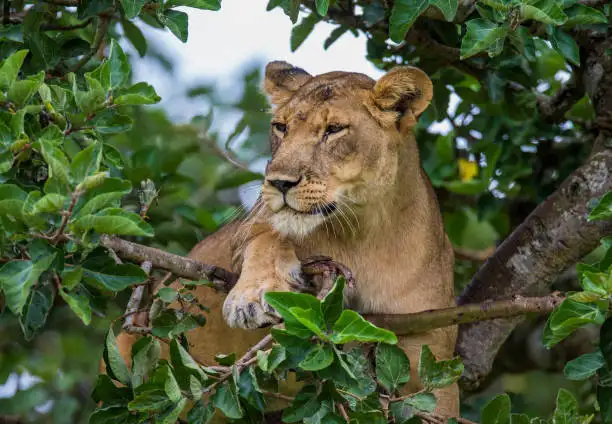
Tanzania safaris at Ngorongoro are famous for the Big Five. On Tanzania safaris here, the crater is a natural enclosure with steep walls, so animals cannot wander off. Lions are everywhere. You will see them resting on the grass after a meal, often in large prides. Elephants move through the swamps and forests, sometimes walking right past your vehicle. Black rhinos are the rarest of the Big Five, but Ngorongoro has a healthy population. On Tanzania safaris, you have a very good chance of seeing them grazing on the open grasslands. Buffalo herds number in the hundreds, and they often block the roads. Leopards are shy, but they live in the acacia forests along the crater walls. Spotted hyenas are very common too, often seen hunting or resting at their dens. On Tanzania safaris, you can also see huge herds of zebras and wildebeest on the open plains. Hippos pack the pools of Lake Magadi. All of this in one morning drive. That is why Ngorongoro is one of the best wildlife destinations on earth.
2. The Stunning Crater Views from the Rim
Tanzania safaris at Ngorongoro offer some of the most breathtaking views in Africa. The crater rim sits at about 2,200 meters above sea level, and the lookout points are spectacular. On Tanzania safaris, you stop at the rim before descending. The view is massive. The crater spreads out below you, a vast green floor dotted with animals, swamps, and the shimmering Lake Magadi. The walls drop 600 meters straight down, covered in thick forest. On a clear day, you can see all the way across. The best time to visit the rim is at sunrise. The sun comes up over the eastern wall, and the crater floor slowly lights up in gold and green. On Tanzania safaris, this is a photographer's dream. Many lodges are also located right on the rim, so you can wake up to this view. The rim itself is cool and fresh, a nice break from the heat of the lowlands. Even if you are not a big wildlife person, the crater views alone make Tanzania safaris here worthwhile.
3. Incredible Birding with Flamingos and More
Tanzania safaris for birders will find Ngorongoro spectacular. The crater has over 500 bird species, thanks to the varied habitats. On Tanzania safaris here, Lake Magadi is the main attraction. It is a shallow soda lake in the center of the crater. Thousands of lesser flamingos gather here, turning the water pink. Greater flamingos are present too, but in smaller numbers. You will also see great white pelicans, yellow billed storks, and African spoonbills wading in the shallows. On Tanzania safaris, look for crowned cranes with their golden crowns walking in the wet grasslands. The open plains are home to ostriches, the largest bird in the world, and kori bustards, one of the heaviest flying birds. On the crater walls, look for Augur buzzards and Verreaux's eagles soaring on the thermals. Other special birds include Hildebrandt's francolin, Jackson's widowbird, and the beautiful lilac breasted roller. The best time for birding on Tanzania safaris is the wet season from November to April, when migratory birds from Europe arrive. But even in the dry season, the flamingos are there.
4. The Unique Landscape of the Crater Floor
Tanzania safaris at Ngorongoro take you into a world unlike any other. The crater floor is a microcosm of East African habitats. On Tanzania safaris, you drive through open grasslands where zebras and wildebeest graze. Then you enter the swamps, where elephants and buffalo wallow in the mud. The acacia forests along the crater walls are home to leopards and elephants. Lake Magadi is the soda lake in the center, attracting flamingos and hippos. On Tanzania safaris, the Gorigor Swamp is another hot spot, especially for lions and hyenas. The Lerai Forest is famous for its tall yellow barked acacia trees and the elephants that love them. The crater floor is also very flat and easy to drive. You can cover a lot of ground in a single morning. On Tanzania safaris, the changing light on the crater walls is beautiful, especially in the late afternoon when the sun turns the rocks gold and red. No matter how many times you visit, the landscape of Ngorongoro never gets old.
5. Visit Olduvai Gorge, the Cradle of Humankind
Tanzania safaris at Ngorongoro can also take you to Olduvai Gorge, one of the most important paleoanthropological sites in the world. The gorge is located just outside the crater, about a 45 minute drive. On Tanzania safaris, you visit the small but excellent museum. Here you learn about the Leakey family, who discovered some of the oldest hominid fossils on earth. The most famous find is the skull of Australopithecus boisei, also known as "Nutcracker Man," which is over 1.7 million years old. On Tanzania safaris, you can also see fossilized footprints that show how our ancestors walked upright. The gorge itself is a deep cut in the Serengeti plains, with layers of rock exposed like a giant history book. A guide will walk you through the site and explain the significance of each layer. On Tanzania safaris, this is a fascinating addition to your wildlife adventure. It adds a cultural and historical layer to your trip. You realize that not only is Ngorongoro home to incredible wildlife, but it is also where humanity began.
Weather and Climate on Tanzania Safaris to Ngorongoro
On Tanzania safaris to Ngorongoro, the weather is cool and pleasant because of the altitude. The crater rim sits at 2,200 meters above sea level, so mornings and evenings can be cold. Daytime temperatures on the rim range from 15°C to 20°C, but the crater floor is warmer, around 20°C to 25°C. At night, the rim can drop to near freezing, so bring warm layers. The dry season from June to October has little rain, clear skies, and cool temperatures. This is the best time for game viewing on Tanzania safaris. The wet season from November to April brings green landscapes and the best birding, with heaviest rains in March and April. On Tanzania safaris, the biggest weather challenge is the cold in the early morning. Wear a warm jacket for the drive down into the crater. The sun is strong at altitude, so wear a hat and sunscreen once the day warms up. There are no mosquitoes at this altitude, so malaria is not a risk on the rim.
Best Time for Tanzania Safaris to Ngorongoro
The best time for Tanzania safaris to Ngorongoro Crater is the dry season from June to October. On Tanzania safaris, the animals gather around the remaining water sources, making them easier to spot. The vegetation is thinner, so you can see further across the crater floor. This is the best time to see the Big Five. The dry season also has the most comfortable weather for driving, with clear skies and little rain. The wet season from November to April is best for birding, when the landscape is lush and green and migratory birds are present. But the animals spread out, making sightings a bit harder. Some roads can get muddy. For most travelers, the sweet spot on Tanzania safaris is June through October. If you are a bird lover, come in the wet season. Either way, Ngorongoro is stunning year round. Just be prepared for crowds, especially during the peak dry season.
How to Get to Ngorongoro Crater on Tanzania Safaris
Getting to Ngorongoro Crater on Tanzania safaris is very accessible. Most Tanzania safaris start in Arusha town. From Arusha, the crater is about a four hour drive, covering roughly 190 kilometers on paved roads that turn to gravel near the crater. Many travelers visit as part of a northern circuit safari that includes Lake Manyara, Tarangire, or the Serengeti. Most people stay in Karatu, a small town about 20 minutes from the crater entrance. Karatu has many lodges and camps for all budgets. On Tanzania safaris, you can also fly. The Lake Manyara Airport and Arusha Airport have flights from Dar es Salaam, Zanzibar, and Kilimanjaro. From the airport, your driver will take you to the crater. A 4x4 vehicle is required to descend into the crater itself. The roads inside can be rough, and you need high clearance. Most Tanzania safaris packages include transport in a safari vehicle with a pop up roof for game viewing.
Things to Do on Tanzania Safaris at Ngorongoro
Tanzania safaris to Ngorongoro Crater offer a range of amazing activities. The morning game drive down into the crater is the main event. You descend at dawn and spend four to six hours exploring the crater floor. On Tanzania safaris, you can also do a full day crater drive with a picnic lunch. For a different perspective, you can hike the crater rim. There are trails along the edge with stunning views. Some guided walks also take you into the forest on the rim. On Tanzania safaris, you can visit the Olduvai Gorge for a cultural and historical experience. The small museum is excellent, and a guided walk through the gorge is fascinating. You can also visit local Maasai villages near the crater. The Maasai are welcoming and will show you their traditional dances, homes, and crafts. On Tanzania safaris, photography is huge here. The crater walls, the wildlife, and the changing light make for incredible photos. Camping and guided tours enhance the experience further.
What to Carry for Tanzania Safaris at Ngorongoro
Packing properly is essential for Tanzania safaris to Ngorongoro Crater. Warm clothing is very important. The early morning descent is cold, sometimes near freezing. Bring a warm jacket, hat, gloves, and layers. As the day warms up, you can strip down. Comfortable closed shoes are fine, but you do not need hiking boots for the crater drive. Sunscreen, a hat, and sunglasses are necessary. The sun is strong at altitude. A reusable water bottle is essential. The air is dry, and you will get thirsty. Binoculars are a must. You want to see lions and rhinos up close. A camera with a good zoom lens is also highly recommended. On Tanzania safaris, pack snacks. There are no shops inside the crater. A small backpack for your layers, water, snacks, and camera is perfect. Insect repellent is not really needed on the rim, but bring it if you stay in Karatu at lower altitude. Do not forget your chargers and power bank. The lodges on the rim have electricity, but campsites may not.
Where to Stay on Tanzania Safaris Near Ngorongoro
Tanzania safaris accommodation near Ngorongoro ranges from luxury lodges to budget campsites. On the crater rim, the most famous is Ngorongoro Crater Lodge. It is incredibly luxurious and romantic, with stunning views into the crater from every room. It is also very expensive. For mid range, Ngorongoro Serena Safari Lodge blends into the forest on the rim. Ngorongoro Sopa Lodge has spacious rooms with wide glass windows overlooking the crater. On Tanzania safaris for budget travelers, there are many camps and lodges in Karatu town, about 20 minutes from the crater entrance. Karatu has basic guesthouses and mid range hotels. Simba Campsite is located on the rim and is very basic, with pit toilets and no showers. Bring your own tent and food. Many travelers on Tanzania safaris stay in Karatu and drive up to the crater early in the morning. That is more affordable and still very convenient. Book well in advance, especially for the dry season from June to October. Ngorongoro is one of the most popular destinations in Tanzania.
Why Book with Lamz Tours and Travel for Tanzania Safaris
Booking Tanzania safaris with Lamz Tours and Travel ensures a well organized, safe, and memorable trip to Ngorongoro Crater. Their local guides know the best spots to find lions, rhinos, and the famous black manned lions of Ngorongoro. On Tanzania safaris with Lamz Tours and Travel, they handle everything including transport, crater entry fees, guides, and accommodation. You just show up with your camera and warm jacket. Their itineraries are flexible. Want to focus on the Big Five? They can do that. Want to combine Ngorongoro with Lake Manyara, Tarangire, and the Serengeti? They can arrange it. Lamz Tours and Travel also supports local communities by hiring Tanzanian guides and using locally owned lodges and camps. For a safe, stress free, unforgettable Tanzania safaris experience to see the Big Five in one of the most stunning settings on earth, Lamz Tours and Travel is the best choice. You focus on the lions, rhinos, and breathtaking crater views. We handle everything else on Tanzania safaris.
Ready to plan your safari?
Talk to a Lamz Tours specialist and get a tailor-made quote.
Make an enquiry