Experience the top 5 historical sites to experience on a Tanzania safari, from the Olduvai Gorge to the ruins of Kilwa Kisiwani and the slave markets of Zanzibar.
A Tanzania safari is famous for wildlife. But the country also holds some of the most important historical sites in Africa. On a Tanzania safari, you can walk where the first humans walked. You can explore ancient trading ports that once connected Africa to India and Persia. You can visit the sites of the slave trade and learn about the struggle for independence. These places add depth to your safari. They tell the story of where we came from. On a Tanzania safari, combining wildlife with history makes your trip richer. This article covers the top 5 historical sites you should not miss.
Popular Tanzania Safari Packages
Top 5 Historical Sites to Experience on Tanzania Safari
1. Olduvai Gorge, the Cradle of Humankind
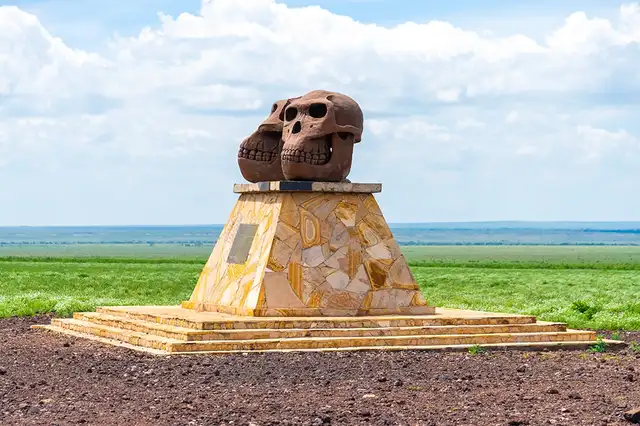
The most important historical site on a Tanzania safari is Olduvai Gorge. It is located in the Ngorongoro Conservation Area, between the Serengeti and the crater. On a Tanzania safari here, you can visit the small but excellent museum. This is where Dr. Louis and Mary Leakey experienced some of the oldest hominid fossils on earth. The most famous find is the skull of Australopithecus boisei, also known as "Nutcracker Man," which is over 1.7 million years old. On a Tanzania safari, you can also see fossilized footprints that show how our ancestors walked upright. The gorge itself is a deep cut in the Serengeti plains, with layers of rock exposed like a giant history book. A guide will walk you through the site and explain the significance of each layer. On a Tanzania safari, this is a fascinating addition to your wildlife adventure. It reminds you that not only is this land home to incredible animals, but it is also where humanity began.
2. Kilwa Kisiwani, the Ancient Swahili Trading Port
On a Tanzania safari, history lovers must visit Kilwa Kisiwani. This island was once the most powerful trading port on the Swahili Coast. From the 9th to the 19th century, Kilwa controlled the gold trade from the interior of Africa. On a Tanzania safari here, you can explore the Great Mosque, built in the 12th century. It was the largest mosque in East Africa at the time. You can also visit the Husuni Kubwa palace, which had over 100 rooms. The architecture is a blend of African, Arab, and Persian styles, with coral stone walls and intricate domes. Kilwa was described by the 14th century traveler Ibn Battuta as one of the most beautiful cities in the world. On a Tanzania safari, you can walk among the ruins, imagining the ships that once arrived from India, Persia, and China. It is a UNESCO World Heritage site and a must see for anyone interested in African history.
3. Stone Town, Zanzibar, the Heart of Swahili Culture
On a Tanzania safari, a visit to Stone Town is essential. This UNESCO World Heritage site is the cultural and historical heart of Zanzibar. The alleys are narrow, winding, and easy to get lost in. That is part of the fun. On a Tanzania safari here, you will walk where sultans, slave traders, and explorers once walked. Visit the Old Slave Market. It is a sobering reminder of a dark chapter in history. Thousands of enslaved people were bought and sold here before being shipped overseas. The memorial and museum tell their story with dignity. On a Tanzania safari, you can also see the House of Wonders, the Palace Museum, and the Anglican Cathedral built on the site of the old slave market. In the evening, head to Forodhani Gardens, where locals gather to eat grilled seafood and Zanzibar pizza. Stone Town is not just a place to see. It is a place to feel.
4. Bagamoyo, the Gateway to the Slave Trade
On a Tanzania safari, Bagamoyo is a small coastal town with a heavy history. It was one of the most important slave trading ports in East Africa. The name means "lay down your heart" in Swahili. On a Tanzania safari here, you can visit the old slave market ruins and the Catholic mission that once housed freed slaves. The museum has exhibits on the slave trade and the early explorers. Bagamoyo was also the starting point for famous explorers like Burton, Speke, and Stanley. On a Tanzania safari, you can walk through the old town with its crumbling colonial buildings and Arab influenced architecture. The kaole ruins, a few kilometers south, contain 13th century tombs and a mosque. Bagamoyo is quieter and less touristy than Stone Town. On a Tanzania safari, it is a place to reflect.
5. The Askari Monument and Independence History in Dar es Salaam
On a Tanzania safari, do not overlook the history in Dar es Salaam. The Askari Monument stands in the center of the city. It honors African soldiers who fought in World War I. On a Tanzania safari here, you can also visit the National Museum. It has exhibits on the slave trade, the colonial era, and the struggle for independence. The museum is also home to a collection of fossils from Olduvai Gorge. On a Tanzania safari, you can see the room where the Act of Union was signed, creating Tanzania from Tanganyika and Zanzibar. The botanical gardens nearby are peaceful and historic. Some trees were planted by German colonists over a century ago. On a Tanzania safari, spending a morning in Dar es Salaam's historical sites gives you context for the modern country you are exploring.
Weather and Climate for Historical Sites on Tanzania Safari
On a Tanzania safari, the weather varies by location. Olduvai Gorge is on the Serengeti plains, with daytime temperatures of 20°C to 28°C and cool nights. Kilwa Kisiwani and Bagamoyo are on the coast, hot and humid at 25°C to 32°C. Stone Town is warm year round. The dry season from June to October is best for visiting all sites. The wet season from November to April is still possible, but some roads to remote sites like Kilwa can become muddy.
Best Time to visit Historical Sites on Tanzania Safari
The best time for historical sites on a Tanzania safari is the dry season from June to October. The weather is comfortable for walking. Olduvai Gorge is accessible year round. Kilwa Kisiwani is best visited in the dry season because the boat ride from the mainland depends on calm seas. Stone Town and Bagamoyo are good year round. If you want to combine history with wildlife, plan your Tanzania safari for June through October.
How to Get to Historical Sites on Tanzania Safari
On a Tanzania safari, Olduvai Gorge is easily visited as a stop between the Serengeti and Ngorongoro. For Kilwa Kisiwani, fly from Dar es Salaam to Kilwa or drive 5 to 6 hours. From there, take a local boat or kayak to the island. For Stone Town, fly into Zanzibar Airport. For Bagamoyo, drive 1.5 hours from Dar es Salaam. For Dar es Salaam sites, the city is the main international gateway. Your tour operator will arrange transport.
Things to Do at Historical Sites on Tanzania Safari
On a Tanzania safari at Olduvai Gorge, take a guided walk through the gorge and visit the museum. At Kilwa Kisiwani, explore the Great Mosque and Husuni Kubwa palace. In Stone Town, walk the alleys, visit the slave market, and eat at Forodhani Gardens. In Bagamoyo, visit the old slave market and the kaole ruins. In Dar es Salaam, see the Askari Monument and the National Museum.
What to Carry for Historical Sites on Tanzania Safari
Pack light clothes for the coast, warm layers for Olduvai Gorge. Comfortable walking shoes are essential. Sunscreen, a hat, and insect repellent are necessary. Bring a camera for ruins and monuments. A reusable water bottle keeps you hydrated. For Kilwa Kisiwani, pack a hat and sunglasses for the boat ride. Do not forget your passport and visa.
Where to Stay for Historical Sites on Tanzania Safari
On a Tanzania safari, for Olduvai Gorge, stay in the Ngorongoro or Serengeti lodges. For Kilwa Kisiwani, stay at Kilwa Beach Resort or basic guesthouses near the coast. For Stone Town, stay in the historic district at Park Hyatt, Zanzibar Serena, or mid range hotels. For Bagamoyo, stay at Bagamoyo Beach Resort. For Dar es Salaam, stay in the city center or near the waterfront. Book well in advance for the dry season.
Why Book with Lamz Tours and Travel for Historical Sites on Tanzania Safari
Booking your historical sites on a Tanzania safari with Lamz Tours and Travel ensures you see these incredible places with expert guides. Our local guides know the story of Olduvai Gorge, the ruins of Kilwa, and the alleys of Stone Town. We handle everything including transport, park fees, guides, and accommodation. You just show up with your camera. Want to focus on human origins at Olduvai? We can do that. Want to combine Kilwa with a beach stay? We can arrange it. Lamz Tours and Travel supports local communities by hiring Tanzanian guides. You focus on the history, the ruins, and the stories. We handle everything else on your Tanzania safari.
Ready to plan your safari?
Talk to a Lamz Tours specialist and get a tailor-made quote.
Make an enquiry