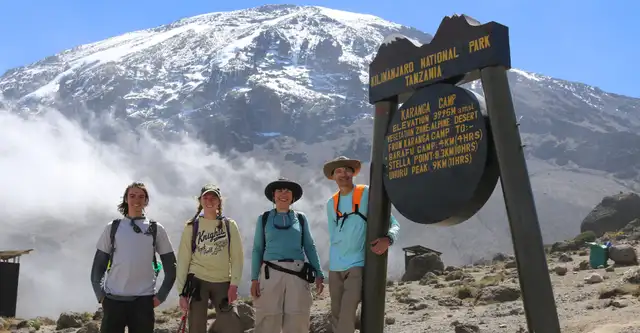
Top 15 tips for a Kilimanjaro climb safari tour, covering altitude, routes, gear, safety, and success strategies for a rewarding experience
Success on a Kilimanjaro climb safari tour is not just about standing at Uhuru Peak; it’s about preparing wisely, pacing yourself, and returning home healthy. Many climbers underestimate the challenge, thinking it’s simply a long trek, but altitude, stamina, and discipline play a bigger role than strength alone. With five climate zones to cross, unpredictable weather, and long trekking hours, determination and preparation are key. Guides emphasize slow walking, hydration, and acclimatization strategies because these small habits make the difference between reaching the summit safely or turning back. A Kilimanjaro climb safari tour demands respect for the mountain and patience with yourself.
Beyond the climb, the safari aspect adds another dimension, allowing travelers to combine trekking with wildlife viewing in Tanzania’s national parks. This makes the experience unique, blending physical endurance with cultural and natural immersion. Choosing the right route, timing your climb during the dry season, and carrying proper gear all contribute to success. Longer routes not only improve acclimatization but also showcase the mountain’s diverse landscapes, making the trek more rewarding. Ultimately, a Kilimanjaro climb safari tour is about resilience, preparation, and balance valuing health and safety as much as the summit itself
Best Kilimanjaro climb safari tour
5-days-mount-kilimanjaro-marangu-route
6-days-mount-kilimanjaro-machame-route
7-day-climbing-kilimanjaro-via-the-machame-route
8-days-kilimanjaro-climbing-safari-lemosho-route-mount
9-days-kilimanjaro-climb-lemosho-route
12-days-mount-kilimanjaro-climb-and-tanzania-safari-tour
4-days-tanzania-birding-safari-to-lake-manyara-national-park
5-days-birding-tour-in-tanzania
The Top 15 Things You Wish to Know Before Mtn Kilimanjaro Climb Safari Tour
1. Altitude Sickness is Your Main Challenge
Altitude sickness is the biggest challenge during a Kilimanjaro climb safari tour. As you ascend, oxygen levels drop, making even simple tasks exhausting. Symptoms such as headaches, nausea, dizziness, and loss of appetite are common, and ignoring them can be dangerous. Prevention is more effective than treatment, so guides encourage the “walk high, sleep low” method to help your body adjust. Inform your guide immediately if you feel unwell, as they are trained to manage altitude issues. Success on a Kilimanjaro climb safari tour depends on pacing yourself, listening to your body, and respecting the altitude.
2. More Days on the Mountain = Higher Success Rate
Choosing a longer itinerary greatly increases your chances of reaching the summit on a Kilimanjaro climb safari tour. Routes lasting only five or six days often fail because the body doesn’t have enough time to acclimatize. Seven days or more allow gradual adjustment to altitude, reducing risks of sickness and fatigue. While shorter trips may seem cheaper, they often lead to disappointment. A Kilimanjaro climb safari tour that includes extra days gives you better odds of success and a safer experience.
3. Kilimanjaro Is Not Just a Trek so needs determination
A Kilimanjaro climb safari tour is far more demanding than a simple trek. While it doesn’t require technical climbing skills, the altitude, long hours of walking, and varied terrain make it a serious challenge. Climbers often underestimate the physical and mental effort needed, especially when trekking for several days across five climate zones. The mountain tests endurance, patience, and determination, and success depends on preparation and respect for the conditions. Guides emphasize pacing, hydration, and acclimatization because these factors determine whether you reach the summit safely. Treating a Kilimanjaro climb safari tour as “just a trek” leads to disappointment or health risks. Understanding its true difficulty ensures you prepare properly and appreciate the achievement when you finally stand at the top
4. Altitude Doesn’t Hit Everyone the Same
During a Kilimanjaro climb safari tour, altitude affects people differently, regardless of age, fitness, or past trekking experience. Some climbers may feel strong at higher elevations, while others struggle with headaches, nausea, or fatigue even at moderate heights. This unpredictability makes acclimatization strategies essential. Guides encourage a slow pace, proper hydration, and extra acclimatization days to help reduce risks. It’s important not to compare yourself with others because altitude tolerance is highly individual. The key to success on a Kilimanjaro climb safari tour is listening to your body, communicating openly with your guide, and respecting the altitude. By acknowledging that altitude sickness doesn’t hit everyone the same way, you prepare mentally and physically for the challenge, increasing your chances of reaching the summit safely
5. Summit Night Is Supposed to Be Hard
On a Kilimanjaro climb safari tour, summit night is the toughest part of the entire experience. Climbers begin around midnight, trekking in freezing temperatures with headlamps, often battling exhaustion and altitude symptoms. The steep, rocky path combined with thin air makes progress slow, and every step requires determination. Guides encourage the “pole pole” (slowly, slowly) pace to conserve energy and keep climbers safe. Reaching the summit at sunrise is the reward, but it comes after hours of mental and physical struggle. Understanding that summit night is meant to be difficult helps you prepare mentally and avoid frustration. Success on a Kilimanjaro climb safari tour depends on patience, resilience, and following your guide’s advice during this demanding final push
6. Kilimanjaro Is Won on the Easy Days
On a Kilimanjaro climb safari tour, success is often determined not on the hardest days but on the easier ones. Many climbers push too fast when the trail feels manageable, wasting energy and increasing the risk of altitude sickness later. Guides emphasize the importance of pacing yourself, even when the terrain seems simple. Walking slowly, staying hydrated, and resting properly during the less demanding stages build the stamina needed for summit night. Treating every day with discipline ensures your body adjusts steadily to altitude. A Kilimanjaro climb safari tour is about consistency, not speed, and respecting the easy days is what sets you up for reaching the top safely and confidently
7. Longer Routes Aren’t Just Safer but They are More Beautiful
On a Kilimanjaro climb safari tour, longer routes provide both safety and richer experiences. Spending more days on the mountain allows your body to acclimatize gradually, reducing the risk of altitude sickness and increasing summit success rates. Routes like Lemosho, Northern Circuit, and Machame not only offer better acclimatization but also showcase diverse landscapes, from rainforest to alpine desert, before reaching the arctic summit. These extended paths give you time to appreciate the mountain’s changing environments and wildlife without rushing. While shorter routes may seem appealing for cost or time, they often compromise both health and enjoyment. Choosing a longer Kilimanjaro climb safari tour means you gain a safer trek and the chance to witness the mountain’s full beauty, making the effort more rewarding
8. Success Isn’t Standing on the Summit but It’s Coming Home Healthy
On a Kilimanjaro climb safari tour, reaching the summit is a proud achievement, but true success is returning safely and in good health. Many climbers push themselves too hard, ignoring symptoms of altitude sickness or fatigue, which can lead to serious risks. Guides emphasize that listening to your body, pacing yourself, and communicating openly are more important than rushing to the top. The mountain will always be there, but your health must come first. A Kilimanjaro climb safari tour is about resilience, discipline, and safety, not just the final photo at Uhuru Peak. Celebrating the climb means appreciating the effort, respecting the altitude, and ensuring you finish strong enough to enjoy the safari or travel plans that follow
9. Choose Your Route Wisely
Each route on a Kilimanjaro climb safari tour offers different scenery, difficulty, and acclimatization opportunities. Longer routes like Lemosho, Northern Circuit, or Machame provide better success rates due to gradual altitude adjustment. The Marangu route, known as the “Coca-Cola” route, has huts but fewer acclimatization days, lowering summit chances. Rongai is quieter and drier, appealing to those seeking less crowded paths. Selecting the right route for your Kilimanjaro climb safari tour depends on your fitness, time, and preference for acclimatization.
10. Pick the Best Season for Your Climb
Weather plays a huge role in the success of a Kilimanjaro climb safari tour. The best times are the dry seasons from June to October and January to March, when trails are firm and skies clearer. November to December offers fewer crowds but occasional rain, while March to May brings heavy rains, slippery paths, and limited access. Planning your Kilimanjaro climb safari tour during the dry season ensures safer trekking conditions and better visibility.
11. Proper Gear is Non-Negotiable
A Kilimanjaro climb safari tour takes you through five climate zones, from rainforest to arctic summit. Layering clothing is essential: moisture-wicking base layers, insulating mid-layers, and waterproof outer shells. Well-fitted, waterproof boots are critical, ideally half a size larger to prevent swollen feet and toenail loss. On summit night, a headlamp with spare batteries and insulated water storage are mandatory. Without proper gear, a Kilimanjaro climb safari tour becomes unnecessarily difficult and uncomfortable.
12. Hydrate, Hydrate, Hydrate
Hydration is one of the simplest yet most effective ways to fight altitude sickness during a Kilimanjaro climb safari tour. Aim for 3–4 liters of water daily, even if you don’t feel thirsty. Dehydration worsens fatigue and altitude symptoms, reducing your chances of success. Guides will remind you constantly to drink, as hydration keeps your body functioning properly. Staying hydrated is a non-negotiable rule for a safe and successful Kilimanjaro climb safari tour.
13. Train, But Train Smart
Preparation is key for a Kilimanjaro climb safari tour. You don’t need elite fitness, but stamina and endurance are vital. Training should focus on cardio activities like running, cycling, or swimming, combined with long hikes carrying a daypack. Practicing with your actual boots helps prevent blisters and discomfort. Smart training ensures you can handle trekking 5–10 hours daily over steep terrain. A well-prepared body makes the Kilimanjaro climb safari tour manageable and rewarding.
14. Budget for Tips and Extras
The cost of a Kilimanjaro climb safari tour goes beyond the tour fee. Tipping guides, porters, and cooks is expected, as they work tirelessly to support climbers. Recommended tips range from $40–45 daily for lead guides to $8–10 for each porter. Other expenses include visas, insurance, and personal costs. Budgeting properly ensures you respect the crew and avoid financial stress during your Kilimanjaro climb safari tour.
15. The “Safari” Part is a Different Adventure
Many combine trekking with a wildlife safari, but a Kilimanjaro climb safari tour and a safari are very different experiences. After the climb, most travelers enjoy a safari to relax and recover. Wildlife viewing is best in the dry season, so timing matters. Neutral clothing, binoculars, and quiet behavior enhance the safari experience. Pairing a Kilimanjaro climb safari tour with a safari offers two distinct adventures in one trip.
16. Communicate Openly with Your Guides
Guides are your lifeline during a Kilimanjaro climb safari tour. They recognize altitude sickness early and know how to keep you safe. Never hide symptoms; honesty allows guides to adjust pace or take precautions. Following their advice, especially walking “pole pole” (slowly), is crucial for success. Open communication ensures safety and increases summit chances on a Kilimanjaro climb safari tour
Best time to go for Kilimanjaro climb safari tour
The best time to go for a Kilimanjaro climb safari tour is during the two main dry seasons: January to early March and June to October. These months provide the most stable weather, clearer skies, and firmer trails, making trekking safer and more enjoyable. January to March tends to be colder with a higher chance of snow at the summit, but it’s less crowded, offering a quieter experience. June to October is the most popular season, with excellent visibility and comfortable conditions, though trails can be busier. While Kilimanjaro is open year-round, the rainy seasons (March to May and November) bring heavy precipitation, slippery paths, and reduced visibility, making climbs more difficult. Planning your Kilimanjaro climb safari tour during the dry months maximizes safety, comfort, and your chances of reaching the summit
How to get there for Kilimanjaro climb safari tour
To reach Mount Kilimanjaro for a climb safari tour, most travelers fly into Kilimanjaro International Airport (JRO), located between Moshi and Arusha. This airport connects directly with major hubs such as Nairobi, Addis Ababa, Doha, and Amsterdam, making it accessible from Europe, North America, and other parts of Africa. From JRO, it’s about a one-hour drive to Moshi, the main base town for Kilimanjaro climbs, or slightly longer to Arusha, where many safari tours begin. Some travelers also arrive via Dar es Salaam or Nairobi, then take a domestic flight or bus to Moshi or Arusha. Tour operators usually arrange transfers from the airport to your hotel, ensuring a smooth start to your Kilimanjaro climb safari tour
Places to stay during Kilimanjaro climb safari tour
During a Kilimanjaro climb safari tour, accommodation options vary depending on whether you’re staying before or after the trek. Most climbers base themselves in Moshi or Arusha, where hotels and lodges range from budget guesthouses to luxury resorts. Popular choices include mid-range lodges with comfortable rooms, reliable meals, and easy access to the mountain gates, while higher-end options offer pools, gardens, and spa services for recovery after trekking. On the mountain itself, accommodation is usually in tents provided by your tour operator, except on the Marangu Route, which has basic huts. Staying in Moshi or Arusha before and after your Kilimanjaro climb safari tour ensures you rest well, prepare properly, and enjoy local hospitality, making the overall experience smoother and more enjoyable
Why book Kilimanjaro climb safari tour with Lamz Tours and Travel
Booking a Kilimanjaro climb safari tour with Lamz Tours and Travel ensures you get expert guidance, reliable logistics, and a well-structured experience that balances safety with adventure. Our professional team organizes every detail, from airport transfers to accommodation, making the climb stress-free and focused on your success. Guides are highly trained in altitude management and trekking strategies, helping you pace correctly and stay healthy throughout the climb. Beyond the mountain, Lamz Tours and Travel integrates safari options, allowing you to combine the trek with wildlife viewing in Tanzania’s famous parks. Choosing Lamz Tours and Travel for your Kilimanjaro climb safari tour also supports local communities, as they emphasize sustainable tourism and fair treatment of porters and staff. This combination of professionalism, conservation ethics, and cultural respect makes them a trusted operator for climbers seeking a rewarding and safe experience
Ready to plan your safari?
Talk to a Lamz Tours specialist and get a tailor-made quote.
Make an enquiry