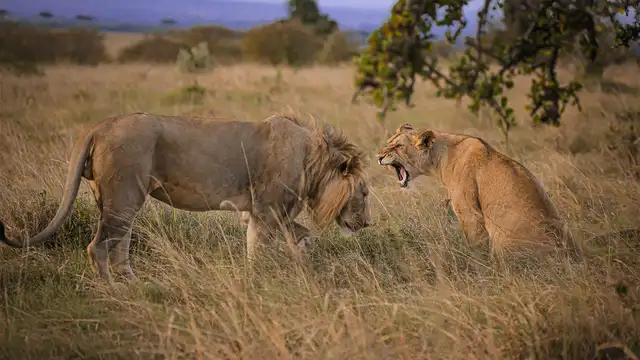
Witness river crossings, calving season, hot air balloon rides, chimp trekking, lions, elephants, birdwatching, and Ngorongoro on safari in Africa Tanzania.
Safari in Africa Tanzania offers one of the most rewarding wildlife experiences on the continent, combining diverse ecosystems, rich animal populations, and cultural depth. From the endless plains of the Serengeti to the dramatic Ngorongoro Crater, Tanzania is home to some of the most famous safari destinations in the world. Travelers can witness the Great Migration, where millions of wildebeest and zebra move across the land, or enjoy calving season in Ndutu, where predators and prey interact in a powerful display of nature. Beyond the savannah, Tanzania also provides unique opportunities such as chimpanzee trekking in Mahale Mountains, birdwatching across varied habitats, and walking safaris that bring you closer to the land. A safari in Africa Tanzania is not just about wildlife; it is about experiencing the rhythm of nature in its purest form.
What makes Tanzania stand out is the variety of experiences available to travelers. Hot air balloon rides over the Serengeti, night drives in Tarangire, and cultural visits to Maasai communities add depth to the adventure. Remote parks like Ruaha and Nyerere offer solitude and rare species, while Mount Kilimanjaro provides a contrasting trekking challenge. Whether you seek predator-prey drama, cultural insights, or peaceful landscapes, a safari in Africa Tanzania delivers unmatched diversity. With careful planning, visitors can enjoy both comfort and authenticity, ensuring every moment is filled with value and meaning
Top Tanznaia safari packages
2-days-fly-in-serengeti-safari-in-tanzania
2-days-tarangire-national-park-and-ngorongoro-crater-safari
3-days-tanzania-safari-in-serengeti-national-park
3-days-tanzania-wildlife-safari
4-days-epic-tanzania-wildlife-and-culture-safari
5-day-kenya-and-tanzania-safari
5-days-circuit-wildlife-safari-in-tanzania
6-days-ndutu-migration-safari-calving-season
8-day-serengeti-ngorongoro-crater-and-zanzibar
8-days-wildlife-and-beach-holiday-tanzania
8-days-wildlife-safari-tanzania
9-days-zanzibar-and-wildlife-safari
10-days-uganda-and-tanzania-safari-gorillas-chimpanzees-and-wildlife
5-days-mount-kilimanjaro-marangu-route
6-days-mount-kilimanjaro-machame-route
7-day-climbing-kilimanjaro-via-the-machame-route
The Top 15 Safari Activities to Do on a Safari in Africa Tanzania
1. Witness the River Crossings in the Northern Serengeti
Between July and October of safari in Africa Tanzania, the Northern Serengeti becomes the stage for the dramatic river crossings, where thousands of wildebeest and zebra push through crocodile-filled waters of the Mara and Grumeti Rivers. This is considered the peak of the Great Migration and offers travelers a chance to see raw survival instincts in action. A safari in Africa Tanzania during this season provides unmatched wildlife drama, with predators waiting along the banks and herds risking everything to continue their cycle. Timing is crucial, so planning with a reliable operator ensures you are in the right place at the right time. For many, this is the highlight of a safari in Africa Tanzania, combining natural spectacle with the intensity of predator-prey interactions.
2. See the Calving Season in the Southern Serengeti
During safari in Africa Tanzania from January to March, the Southern Serengeti plains around Ndutu transform into nurseries as hundreds of thousands of wildebeest give birth. This period is vital for the migration, with predators such as lions, hyenas, and cheetahs drawn to the abundance of vulnerable calves. A safari in Africa Tanzania during calving season offers a mix of tender wildlife moments and intense predator action, making it one of the most dynamic times to visit. Travelers benefit from shorter grass plains that allow clear visibility of both newborns and hunting predators. For photographers and wildlife lovers, this season provides unique opportunities to capture the cycle of life. Experiencing this event on a safari in Africa Tanzania ensures a deeper understanding of nature’s balance.
3. Hot Air Balloon Safari over the Serengeti
Floating at dawn above the Serengeti plains in a hot air balloon offers a unique perspective of the migration and wildlife below. Herds scatter across the grasslands, predators move silently, and the rising sun paints the landscape in golden light. A safari in Africa Tanzania is elevated by this activity, as it combines adventure with tranquility. The experience often concludes with a bush breakfast, adding a touch of comfort to the wild setting. Unlike vehicle safaris, balloon rides provide sweeping views that highlight the scale of the ecosystem. For travelers seeking variety, this is a memorable addition to a safari in Africa Tanzania, offering both panoramic beauty and close wildlife observation from above.
4. Chimpanzee Trekking in Mahale Mountains or Gombe Stream
Trekking through the forests of Mahale Mountains or Gombe Stream to observe chimpanzees is one of Tanzania’s most profound wildlife experiences during safari in Africa Tanzania. These regions along Lake Tanganyika are home to habituated groups studied for decades, allowing visitors to watch natural behaviors up close. A safari in Africa Tanzania that includes chimpanzee trekking adds diversity beyond the savannah, introducing rainforest ecosystems and primate conservation stories. The treks can be challenging, but the reward of seeing chimpanzees grooming, playing, or foraging is unmatched. This activity connects travelers to our closest relatives in the animal kingdom. Including chimpanzee trekking in a safari in Africa Tanzania ensures a broader appreciation of the country’s varied habitats and species.
5. Tree Climbing Lions of Lake Manyara
Lake Manyara National Park is famous for its lions that rest in acacia tree branches, a behavior rarely seen elsewhere. Spotting these lions adds a unique twist to a safari in Africa Tanzania, as most lions are observed on the ground. The park also offers diverse habitats, from groundwater forests to alkaline lakes filled with flamingos. Visitors often combine lion viewing with birdwatching and elephant sightings, making the park a compact yet rewarding destination. A safari in Africa Tanzania that includes Lake Manyara provides variety in both landscapes and wildlife behaviors. For travelers seeking something distinctive, the tree-climbing lions remain one of the most talked-about highlights of the region.
6. The Elephant Paradise of Tarangire
Tarangire National Park is best visited between June and October when massive elephant herds gather around the Tarangire River. These herds, some of the largest in Africa, move through landscapes dotted with ancient baobab trees. A safari in Africa Tanzania during this season offers travelers a chance to see elephants in impressive numbers, alongside other wildlife such as giraffes, zebras, and predators. The park is less crowded than Serengeti, making it ideal for those seeking quieter experiences. Tarangire’s elephants are known for their size and social interactions, providing excellent photographic opportunities. Including Tarangire in a safari in Africa Tanzania ensures exposure to one of the continent’s most remarkable elephant spectacles.
7. Night Game Drive in Manyara or Tarangire
Night drives in Tanzania are restricted to certain parks and private concessions, making them a rare and valuable activity. With a spotlight, travelers can observe nocturnal species such as bushbabies, genets, honey badgers, and even lions or leopards hunting under cover of darkness. A safari in Africa Tanzania that includes a night drive reveals a hidden side of the wilderness, where behaviors differ from daytime patterns. This activity adds depth to the safari experience, offering sightings that are impossible during daylight. For those curious about the full rhythm of the bush, night drives are essential. Including them in a safari in Africa Tanzania ensures a more complete understanding of wildlife diversity.
8. Walking Safari with an Armed Guide
Walking safaris allow travelers to step out of vehicles and connect directly with the environment. Guided by armed rangers, visitors learn about animal tracks, plants, insects, and the smaller details often missed during game drives. A safari in Africa Tanzania that includes walking provides a sensory-rich experience, where sounds, smells, and textures become part of the adventure. Areas such as the Ngorongoro Highlands and remote Serengeti regions are ideal for these walks. Safety is prioritized, and guides share knowledge that deepens appreciation of the ecosystem. For those seeking a more grounded perspective, walking safaris are invaluable. Adding this to a safari in Africa Tanzania ensures a closer connection to the land and its wildlife.
9. Birdwatching Extravaganza
Tanzania is home to over 500 bird species, making it a paradise for birdwatchers. From flamingos at Lake Manyara to endemic species in the Usambara Mountains and raptors soaring above the Serengeti, the diversity is remarkable. A safari in Africa Tanzania that includes birdwatching caters to both casual observers and dedicated birders. The variety of habitats ensures sightings across wetlands, forests, and savannahs. Birdwatching often complements big game viewing, adding another layer of interest to daily activities. Guides with ornithological knowledge enhance the experience by pointing out rare or seasonal species. Including birdwatching in a safari in Africa Tanzania provides travelers with a richer appreciation of the country’s biodiversity.
10. Ngorongoro Crater Descent
The Ngorongoro Crater is the world’s largest intact volcanic caldera and supports nearly 30,000 animals. Descending into the crater feels like entering a natural amphitheater where diverse species coexist in close proximity. A safari in Africa Tanzania that includes the crater offers high chances of seeing the Big Five in a single day. The enclosed environment creates unique dynamics, with predators and prey sharing the same space. Visitors benefit from excellent photographic opportunities due to the density of wildlife. For many, the crater is a must-see destination. Adding Ngorongoro to a safari in Africa Tanzania ensures exposure to one of the most concentrated wildlife areas in East Africa.
11. Visit a Maasai Boma
Visiting a Maasai boma provides cultural depth to a wildlife-focused trip. Travelers can learn about traditions, dances, and pastoralist lifestyles while supporting ethical community tourism. A safari in Africa Tanzania that includes a Maasai visit balances wildlife with human heritage, offering insights into how communities coexist with nature. It is important to choose operators who respect and support local communities, ensuring visits are beneficial rather than exploitative. This activity allows travelers to engage respectfully with one of Africa’s most recognized cultures. Including a Maasai boma visit in a safari in Africa Tanzania enriches the experience by connecting wildlife conservation with cultural preservation.
12. Fly Camping or Bush Dining
Fly-camping and bush dining offer romance and adventure in the wilderness. Sleeping under the stars or enjoying a private dinner surrounded by natural sounds creates lasting memories. A safari in Africa Tanzania that includes these activities provides intimacy and exclusivity, away from crowds. Camps are set up with essential comforts, while bush dining is carefully arranged for safety and atmosphere. These experiences highlight the beauty of simplicity in wild settings. For couples or those seeking something special, fly-camping and bush dining are ideal. Adding them to a safari in Africa Tanzania ensures a balance of adventure and relaxation in nature.
13. Photographic Safari with a Specialist Guide
Photographic safaris are designed for travelers who want to capture wildlife with precision. Vehicles are equipped with camera mounts, and guides understand animal behavior and lighting, helping guests achieve the best shots. A safari in Africa Tanzania that focuses on photography ensures travelers return with professional-quality images. Whether capturing the migration, predators, or landscapes, the guidance provided makes a significant difference. This activity suits both beginners and experienced photographers. Including a photographic safari in Africa Tanzania adds value by combining wildlife viewing with skill development, ensuring memories are preserved in striking detail.
14. Nyerere National Park (formerly Selous) and Ruaha
Offer travelers a remote safari in Africa Tanzania, far from the busier northern circuits. These vast landscapes provide space for boat safaris along the Rufiji River, walking safaris guided by experts, and some of the continent’s best wild dog sightings. Wildlife density is high, with elephants, lions, hippos, and rare antelope thriving in untamed habitats. A safari in Africa Tanzania that includes the Wild South ensures a quieter, more authentic experience, where travelers can enjoy nature without large crowds. The diversity of activities, from river exploration to tracking predators on foot, makes this region ideal for those seeking variety and depth in their safari plans.
15. The Shining Mountain Trek of Mount Kilimanjaro
Mount Kilimanjaro, Africa’s highest peak, adds a different dimension to a safari in Africa Tanzania. While not focused on wildlife, trekking its slopes provides unmatched ecological variety, from rainforest to alpine desert. Even a short day hike introduces travelers to unique flora, birdlife, and sweeping views. For those seeking adventure, summiting the mountain is a bucket-list achievement, but shorter treks are equally rewarding for travelers who want to balance safari with physical activity. A safari in Africa Tanzania that includes Kilimanjaro offers contrast to the savannah, highlighting the country’s diverse natural environments. Whether climbing to the summit or exploring the lower slopes, Kilimanjaro remains a powerful addition to any itinerary
Best time to go for a safari in Africa Tanzania
The best time to go for a safari in Africa Tanzania is during the dry season from June to October, when wildlife viewing is at its peak. Animals gather around water sources, vegetation is thinner, and visibility is excellent, making it easier to spot predators and large herds. This period also coincides with the dramatic river crossings of the Great Migration in the Northern Serengeti, offering travelers one of the most sought-after safari spectacles in Africa Tanzania. The dry season is also less humid, with fewer mosquitoes, which adds comfort to the overall experience.
Another excellent time for a safari in Africa Tanzania is between January and March, especially in the Southern Serengeti around Ndutu. This is calving season, when hundreds of thousands of wildebeest give birth, attracting predators and creating intense wildlife action. The short rains in November and December also bring green landscapes, fewer crowds, and excellent photographic opportunities, though wildlife is more dispersed. Travelers who prioritize birdwatching or lush scenery may prefer these months. Ultimately, the best time depends on what you want to see whether it’s predator-prey drama, newborn calves, or the Great Migration crossings, each season offers unique highlights for a safari in Africa Tanzania
How to get there safari in Africa Tanzania
Getting to a safari in Africa Tanzania usually begins with an international flight into Kilimanjaro International Airport (near Arusha) or Julius Nyerere International Airport in Dar es Salaam. Kilimanjaro is the main gateway for northern circuit parks such as Serengeti, Ngorongoro, Tarangire, and Lake Manyara, while Dar es Salaam is ideal for accessing southern destinations like Nyerere and Ruaha. From these airports, travelers can connect to domestic flights operated by local carriers that land on small airstrips inside or near the parks. This saves time compared to long road transfers and ensures you maximize your safari in Africa Tanzania with more hours spent in the bush rather than on highways.
Road transfers are another option for reaching safari in Africa Tanzania, especially if you want to enjoy the landscapes along the way. Arusha serves as the hub for northern safaris, with well-established routes leading to Serengeti, Ngorongoro, and Tarangire. Private vehicles or guided tours allow flexibility, while scheduled road safaris follow set itineraries. For southern parks, flights are more practical due to distance, but road travel is possible for those with extended time. Many operators combine flights with road transfers to balance convenience and cost. Choosing the right route depends on your schedule, budget, and preferred pace, but whichever option you select, access to safari in Africa Tanzania is straightforward and well-supported
Where is the best place to go on a safari in Tanzania?
The Serengeti National Park is widely regarded as the best place for a safari in Africa Tanznaia because it hosts the Great Migration, where millions of wildebeest and zebra move across the plains. Between July and October, the northern Serengeti offers dramatic river crossings, while January to March in the south showcases calving season. Beyond the Serengeti, Ngorongoro Crater provides a concentrated wildlife experience with high chances of spotting the Big Five. Tarangire is excellent for elephants, and Ruaha offers remote wilderness. Choosing the best place depends on your interests, but a safari in Africa Tanznaia that includes Serengeti and Ngorongoro guarantees diverse wildlife, breathtaking landscapes, and experiences that highlight the country’s unique ecological richness
What not to miss in Tanzania?
On a safari in Africa Tanznaia, the Great Migration is a must-see, especially the river crossings in the Serengeti. The Ngorongoro Crater is another highlight, offering dense wildlife populations in a dramatic volcanic setting. Tarangire National Park should not be overlooked, particularly for its massive elephant herds and ancient baobab trees. For cultural depth, visiting a Maasai boma provides insight into traditional pastoralist life. In the south, Nyerere and Ruaha deliver remote, crowd-free safaris with excellent predator sightings. A safari in Africa Tanznaia is incomplete without experiencing these key attractions, as they combine natural wonders, wildlife spectacles, and cultural heritage that define Tanzania as one of Africa’s premier safari destinations
What to do on an African safari?
During a safari in Africa Tanznaia, activities go beyond game drives. Hot air balloon rides over the Serengeti provide sweeping views of migrating herds, while walking safaris with guides allow you to learn about tracks, plants, and smaller wildlife. Night drives in Tarangire or Manyara reveal nocturnal species like bushbabies and honey badgers. Birdwatching is rewarding, with over 500 species across diverse habitats. Cultural visits to Maasai communities add human connection to the wilderness experience. Boat safaris in Nyerere offer a different perspective, spotting hippos and crocodiles along rivers. A safari in Africa Tanznaia is about variety, combining wildlife viewing, cultural exploration, and unique activities that enrich the overall adventure
What I wish I knew before going on safari?
Before a safari in Africa Tanznaia, many travelers wish they had known the importance of timing and preparation. Wildlife sightings vary by season, so aligning your trip with events like the Great Migration or calving season enhances the experience. Packing neutral-colored clothing, insect repellent, and layered outfits is essential for comfort. Understanding park rules, such as restrictions on night drives, helps manage expectations. Budgeting for internal flights saves time compared to long road transfers. Respecting local communities and wildlife etiquette ensures responsible tourism. A safari in Africa Tanznaia is rewarding, but knowing these practical details beforehand makes the trip smoother, safer, and more enjoyable, allowing you to focus on the incredible wildlife and landscapes.
What to carry for safari in Africa Tanznaia
When preparing for a safari in Africa Tanznaia, pack light but focus on essentials that keep you comfortable and ready for varied conditions. Neutral-colored clothing helps blend into the environment, while a wide-brimmed hat, sunglasses, and sunscreen protect against the sun. Sturdy walking shoes are important for game drives and possible short walks. A good camera with extra batteries and memory cards ensures you capture wildlife moments. Binoculars enhance viewing of distant animals and birds. Include insect repellent, a reusable water bottle, and personal medications. A small daypack is useful for carrying items during drives. With these basics, your safari in Africa Tanznaia becomes smoother, safer, and more enjoyable, allowing you to focus on the wildlife and landscapes
Best places to stay in during safari in Africa Tanznaia
When planning a safari in Africa Tanznaia, accommodation options range from luxury lodges to tented camps, each designed to place you close to wildlife while offering comfort. In the Serengeti, lodges near migration routes provide prime access to river crossings and calving grounds. Ngorongoro Crater has lodges perched on the rim, giving sweeping views and quick access to the crater floor. Tarangire offers camps surrounded by baobab trees and elephant herds, while Ruaha and Nyerere feature intimate bush camps in remote settings. Lake Manyara has treehouse-style lodges that highlight its unique landscapes. Choosing the right place to stay during a safari in Africa Tanznaia depends on your budget and interests, but all options ensure proximity to nature and memorable experiences
Booking safari in Africa Tanznaia with Lamz Tours and Travel
Booking a safari in Africa Tanznaia with Lamz Tours and Travel ensures a well-structured, personalized experience tailored to your interests and travel style. As specialists in East and Southern Africa, Lamz Tours and Travel designs itineraries that cover prime destinations such as Serengeti, Ngorongoro, Tarangire, and Ruaha, while also offering cultural visits and unique activities like hot air balloon rides or walking safaris. Their expertise guarantees smooth logistics, from domestic flights to lodge selection, giving travelers confidence in every detail. With a focus on authentic wildlife viewing and responsible tourism, Lamz Tours and Travel provides value-driven packages that balance comfort with adventure. Choosing Lamz Tours and Travel for your safari in Africa Tanznaia means gaining access to professional guidance, ethical practices, and memorable experiences across Tanzania’s diverse landscapes
Ready to plan your safari?
Talk to a Lamz Tours specialist and get a tailor-made quote.
Make an enquiry