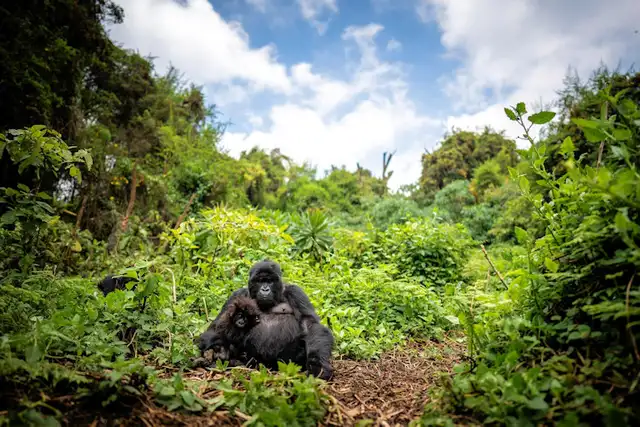
Track gorillas, spot the Big Five, walk ancient forests, paddle Lake Kivu, and connect with Rwanda’s culture top destinations for meaningful Rwanda safaris.
Rwanda safaris offer a rare blend of wildlife, culture, and natural beauty packed into a compact, well-managed country. From the mist-covered slopes of Volcanoes National Park to the savannahs of Akagera and the ancient rainforests of Nyungwe, Rwanda delivers high-quality experiences without the crowds found in larger safari destinations. Gorilla trekking remains the country’s signature activity, drawing travelers from around the world to witness one of the most intimate wildlife encounters available. But Rwanda safaris go far beyond primates Big Five game drives, chimpanzee tracking, canopy walks, and boat safaris are all part of the mix. The country’s commitment to conservation and community involvement ensures that every visit supports long-term sustainability and local livelihoods.
What makes Rwanda safaris stand out is the seamless integration of nature and culture. Visitors can kayak on Lake Kivu, walk through Musanze’s volcanic caves, or learn traditional crafts at Iby’Iwacu Cultural Village. Kigali, one of Africa’s cleanest and safest capitals, offers powerful insights into Rwanda’s history and resilience. Whether you’re staying in luxury lodges or community-run camps, the hospitality is warm and the logistics are smooth. With short travel times between destinations and a strong focus on responsible tourism, Rwanda safaris are ideal for travelers who want depth, variety, and meaningful engagement in a single itinerary
Best Rwanda Safaris
2 day Gorilla trekking safari in Rwanda
2 Days Nyungwe Chimpanzee and Canopy Walk Safari in Rwanda
3 Days Gorilla and Golden Monkey Trekking Rwanda Tour
3 Days Safari to Rwanda and Uganda Gorilla Trekking
4 Days Luxury Gorilla Tracking Rwanda Tour
4 Days Primate Safari to Rwanda with Gorillas and Chimps
5 Days in Rwanda with Gorillas and Akagera Big Five Safari
8 Days Rwanda Cultural and Primate Experience
3Days Rwanda Safari Holiday with Gorilla Trekking
12 Days Rwanda Safari in Volcanoes, Nyungwe and Akagera National Park
The Top 15 Destinations to Visit on Rwanda Safaris
Volcanoes National Park
Volcanoes National Park is the top destination on Rwanda safaris for travelers seeking mountain gorilla trekking. The park’s misty slopes and dense forest offer a rare chance to spend an hour with a gorilla family, guided by trackers who know the terrain well. Rwanda safaris here also include golden monkey trekking and visits to Dian Fossey’s research center. Permits are required and hikes can be steep, so physical preparation is important. Lodges near the park provide early access to trailheads and experienced guides. This park is ideal for those focused on primates and conservation, with strong support for responsible tourism and local communities.
Akagera National Park
Akagera National Park is the only Big Five destination on Rwanda safaris, offering classic savannah wildlife in a compact, well-managed setting. Lions, leopards, elephants, buffalo, and rhinos roam freely across rolling hills, lakes, and wetlands. Rwanda safaris in Akagera often include boat trips on Lake Ihema, where hippos, crocodiles, and waterbirds are easily seen. Game drives are productive, and the park’s recovery story adds depth to the experience. With fewer visitors than other East African parks, Akagera provides privacy and strong wildlife viewing. It’s suitable for families, photographers, and travelers who want a traditional safari with Rwandan hospitality.
Nyungwe Forest National Park
Nyungwe Forest is a key stop on Rwanda safaris focused on primates and biodiversity. Home to chimpanzees and 12 other primate species, it offers guided treks through ancient rainforest terrain. Rwanda safaris here often include the canopy walk a suspension bridge offering views above the forest floor. Chimpanzee trekking starts early and requires permits, while colobus monkey sightings are common in large troops. The park also features waterfall hikes and birdwatching. Lodges near the forest cater to nature-focused travelers and provide access to experienced trackers. Nyungwe is ideal for those who enjoy walking, learning about ecosystems, and seeing rare wildlife.
Lake Kivu
Lake Kivu is a peaceful stop on Rwanda safaris, especially after gorilla or chimp trekking. Its calm waters are free of crocodiles and bilharzia, making it safe for swimming and kayaking. Rwanda safaris that include Lake Kivu often feature paddling trips past fishing villages and coffee farms, with options to visit Idjwi Island or Napoleon Island. The Congo Nile Trail offers cycling and hiking along the lake’s edge. Accommodations range from boutique hotels to lakeside lodges, perfect for relaxing. This destination suits travelers who want downtime, water activities, and local culture in a safe, scenic setting.
Kigali
Kigali is a practical and meaningful stop on Rwanda safaris, offering context and comfort before or after visiting national parks. The Kigali Genocide Memorial is a must-see, providing insight into Rwanda’s history and reconciliation efforts. Rwanda safaris often begin or end in Kigali, with access to markets, museums, and dining. Kimironko Market and the Rwanda Art Museum are popular for local crafts and culture. The city is clean, safe, and easy to navigate, with good infrastructure and welcoming locals. Kigali suits travelers who value understanding the country’s past and present, and want a smooth transition between safari destinations.
Gishwati-Mukura National Park
Gishwati-Mukura is Rwanda’s newest park and a quiet addition to Rwanda safaris focused on primates and forest recovery. The park offers chimpanzee habituation experiences, where guests spend time with researchers tracking wild chimps. Rwanda safaris here are more rustic, with fewer visitors and simpler infrastructure. The forest is home to Guenon monkeys, L’Hoest’s monkeys, and diverse birdlife. Guided walks reveal how reforestation is helping wildlife return. This destination suits travelers who want exclusivity, conservation insight, and a slower pace. It’s best combined with other parks for a varied itinerary and works well for those interested in ecology and sustainability.
King's Palace Museum
The King’s Palace Museum in Nyanza adds cultural depth to Rwanda safaris. It features a reconstructed royal residence styled like a traditional beehive hut and showcases Rwanda’s pre-colonial monarchy. Rwanda safaris that include this stop allow visitors to see Inyambo cattle long-horned cows tended by keepers who sing to them. The museum explains royal customs, architecture, and the role of cattle in Rwandan society. It’s a short detour from Nyungwe Forest and suits travelers interested in history and tradition. Guides are available to explain exhibits, and the site is well-maintained. This stop adds variety and context to wildlife-focused itineraries.
Ethnographic Museum
Located in Huye, the Ethnographic Museum is a valuable stop on Rwanda safaris for those interested in culture and history. Its seven galleries display traditional clothing, tools, royal regalia, and artistic artifacts. Rwanda safaris that include this museum offer insight into daily life, beliefs, and craftsmanship across Rwanda’s regions. The museum is spacious and well-organized, with guides available to explain exhibits. It’s often visited en route to Nyungwe Forest and suits travelers who want to understand Rwanda beyond its wildlife. The museum supports education and preservation, making it a meaningful addition to any itinerary.
Musanze Caves
Musanze Caves offer a geological contrast to the wildlife focus of Rwanda safaris. Formed by volcanic activity millions of years ago, these lava tubes stretch over 2 kilometers and feature lit paths and stairways. Rwanda safaris that include the caves provide guided tours explaining their history as wartime shelters and ceremonial sites. Located near Volcanoes National Park, the caves are easy to access and add variety to gorilla trekking itineraries. Safety gear is provided, and the walk is manageable for most visitors. This stop suits travelers interested in geology, history, and off-the-path experiences.
Iby'Iwacu Cultural Village
Iby’Iwacu Cultural Village is a community-led initiative near Volcanoes National Park that adds authenticity to Rwanda safaris. Created by former poachers, the village offers hands-on activities like sorghum grinding, bow shooting, and traditional dancing. Rwanda safaris that include this visit support local livelihoods and conservation. Guests interact with residents, learn about Rwandan customs, and enjoy performances without feeling staged. The experience is educational and respectful, with opportunities to buy crafts and support the community. It’s a practical way to connect with Rwanda’s people and values, especially for travelers who want more than wildlife viewing.
Rusizi District the Gateway to Lake Kivu’s Southern Shores
Rusizi District is a quiet, less-visited area on the southern edge of Lake Kivu, ideal for Rwanda safaris that prioritize relaxation and local interaction. The town of Cyangugu offers access to peaceful lake views, fishing villages, and nearby Nyungwe Forest. Rwanda safaris that include Rusizi often feature boat rides, coffee farm visits, and cultural walks. The area is suitable for travelers who want to unwind after trekking or explore Rwanda’s lake culture without crowds. Lodges here are small and personal, with strong community ties and easy access to nature.
Rugezi Marsh the Birding Hotspot in Northern Rwanda
Rugezi Marsh is a protected wetland near the Virunga Mountains, known for its rich birdlife and ecological importance. Rwanda safaris that include birding often highlight this area for sightings of Grauer’s swamp warbler, papyrus gonolek, and other rare species. The marsh is accessible via guided walks and is best visited early in the day. Rwanda safaris focused on conservation and birdwatching benefit from adding Rugezi to the itinerary. It’s a quiet, rewarding stop for travelers who enjoy nature observation and photography.
Mount Karisimbi Rwanda’s Highest Peak
Mount Karisimbi is a challenging but rewarding addition to Rwanda safaris for active travelers. Standing at 4,507 meters, it offers a two-day hike through volcanic terrain and alpine vegetation. Rwanda safaris that include Karisimbi require permits and guides, and are best suited to fit, experienced hikers. The climb provides views of the Virunga range and a deeper understanding of the region’s geology. It’s often combined with gorilla trekking in Volcanoes National Park, making it a strong choice for those seeking adventure and elevation.
Ntarama Genocide Memorial Historical Reflection Site
Ntarama Genocide Memorial is a sobering but important stop on Rwanda safaris that include historical context. Located about an hour from Kigali, it preserves the site of a former church where thousands were killed during the 1994 genocide. Rwanda safaris that include Ntarama offer guided visits that explain the events and honor the victims. The memorial is well-maintained and respectful, providing a quiet space for reflection. It suits travelers who want to understand Rwanda’s past and the resilience of its people.
Umusambi Village Wildlife Rehabilitation and Education
Umusambi Village is a sanctuary near Kigali that focuses on rescued grey crowned cranes and other rehabilitated wildlife. Rwanda safaris that include this stop offer guided walks through restored wetland habitat and educational exhibits. It’s ideal for families, conservation-minded travelers, and those with limited time in Kigali. Rwanda safaris that prioritize ethical tourism and wildlife care benefit from including Umusambi, which supports local conservation and provides a peaceful nature experience close to the city
Best time to go for Rwanda safaris for best experience
The best time to go for Rwanda safaris is during the long dry season from June to September. This period offers the most comfortable conditions for gorilla trekking in Volcanoes National Park and chimpanzee tracking in Nyungwe Forest. Trails are less slippery, visibility is better, and wildlife tends to be more concentrated around water sources, making sightings easier. Game drives in Akagera National Park are also more productive during these months, with clear skies and minimal rainfall improving access across the park. For travelers focused on photography, primate trekking, and classic wildlife viewing, this is the most reliable and rewarding time to visit.
The short dry season from mid-December to early February is another good window for Rwanda safaris. While slightly warmer and more humid, it still offers manageable trekking conditions and fewer crowds compared to the peak months. This period is ideal for travelers seeking a balance between accessibility and value, as some lodges offer lower rates. Rainy seasons (March–May and October–November) bring lush landscapes and excellent birding, but trails can be muddy and wildlife harder to spot. If visiting during these months, flexibility and preparation are key. Overall, Rwanda safaris are possible year-round, but dry seasons provide the best experience
How to get there to Rwanda safaris
Getting to Rwanda safaris typically begins with a flight into Kigali International Airport (KGL), the country’s main gateway. Kigali is well-connected to major hubs like Nairobi, Addis Ababa, Doha, and Brussels, making it accessible from Europe, the Middle East, and other parts of Africa. Once in Kigali, most safari destinations such as Volcanoes National Park, Akagera National Park, and Nyungwe Forest are reachable by road. Travel times range from 2 to 6 hours depending on the location, and roads are generally well-maintained. Tour operators often include private transfers in their packages, using 4x4 vehicles suitable for Rwanda’s terrain and park access.
For travelers booking Rwanda safaris with a local operator, logistics are usually handled from arrival to departure. Volcanoes National Park is about 2.5 hours from Kigali, Akagera is roughly 2 hours east, and Nyungwe Forest takes 5 to 6 hours southwest. Domestic flights are limited but available for some routes, such as to Kamembe near Nyungwe. Public transport exists but is not recommended for safari travelers due to limited schedules and comfort. Booking with a trusted safari company ensures smoother travel, better coordination, and access to experienced guides familiar with Rwanda’s parks and cultural sites
Best things to do on Rwanda safaris for best experience
Rwanda safaris offer a rich mix of wildlife, nature, and culture, and one of the most rewarding experiences is gorilla trekking in Volcanoes National Park. This activity allows travelers to spend an hour with a family of endangered mountain gorillas in their natural habitat. The trek can be physically demanding, but the encounter is deeply meaningful and well-supported by trained guides and trackers. Permits are required and group sizes are limited, ensuring a respectful and low-impact experience. For those interested in primates, golden monkey trekking and visits to Dian Fossey’s research site add depth to the itinerary.
Another highlight of Rwanda safaris is chimpanzee tracking in Nyungwe Forest National Park. This ancient rainforest is home to 13 primate species, including large troops of colobus monkeys and the elusive L’Hoest’s monkey. The canopy walk a suspension bridge 70 meters above the forest floor offers a unique view of the ecosystem and is suitable for most travelers. Guided hikes to waterfalls and birdwatching tours round out the experience. Nyungwe is ideal for travelers who enjoy walking, learning about biodiversity, and seeing wildlife in a dense, green environment.
For classic savannah wildlife, Akagera National Park delivers Big Five sightings in a compact, well-managed setting. Game drives reveal lions, elephants, rhinos, and leopards, while boat safaris on Lake Ihema offer close views of hippos, crocodiles, and waterbirds. Akagera’s recovery story adds meaning to the visit, and its low visitor numbers ensure peaceful game viewing. Rwanda safaris here can also include night drives and birding tours, making it a versatile destination. Combining Akagera with primate parks and cultural stops like Kigali or Lake Kivu creates a balanced, rewarding safari itinerary
Top tips for Rwanda safaris
For the best experience on Rwanda safaris, book gorilla and chimpanzee trekking permits well in advance, especially during dry seasons (June–September and December–February). Wear neutral-colored clothing, sturdy hiking boots, and carry essentials like insect repellent, sunscreen, and a rain jacket. Use a local operator for smoother logistics and reliable guides, and always follow park rules to protect wildlife and ensure safety. Start treks early to maximize sightings and avoid afternoon rain. Respect local customs during cultural visits and consider supporting community projects. Rwanda safaris are well-organized, but flexibility, preparation, and responsible behavior make the difference between a good trip and a great one
Best way to act responsible on Rwanda safaris
The best way to act responsible on Rwanda safaris is by respecting wildlife, local communities, and conservation rules at all times. Stay quiet and maintain a safe distance during gorilla or chimpanzee trekking, never use flash photography, and follow your guide’s instructions closely. Support ethical operators who prioritize local employment and conservation, and avoid littering or bringing single-use plastics into parks. During cultural visits, ask before taking photos and engage respectfully with hosts. Choose accommodations and activities that contribute to community development and wildlife protection. Responsible behavior on Rwanda safaris helps preserve fragile ecosystems and ensures a positive impact for future travelers and local residents
What to bring for Rwanda safaris
For Rwanda safaris, pack lightweight, neutral-colored clothing suitable for trekking and game drives, including long sleeves and trousers to protect against insects and sun. Sturdy hiking boots are essential for gorilla and chimpanzee trekking, along with a rain jacket and gaiters during wet months. Bring a daypack, refillable water bottle, insect repellent, sunscreen, and personal medications. A good camera with extra batteries and binoculars will enhance wildlife viewing. Include a hat, sunglasses, and a small first aid kit. Travel documents, permits, and cash in small denominations are useful for tips and local purchases. This setup keeps you prepared, comfortable, and focused on enjoying Rwanda’s parks and cultural sites
Best places to stay in on Rwanda safaris
Rwanda safaris offer a range of accommodations that match different travel styles, from luxury lodges to eco-friendly camps. For gorilla trekking in Volcanoes National Park, Bisate Lodge stands out with its forested setting, exceptional service, and strong conservation focus. Sabyinyo Silverback Lodge is another top choice, offering spacious cottages and easy access to park headquarters. Near Nyungwe Forest, One&Only Nyungwe House provides high-end comfort with guided chimpanzee treks and tea plantation views. These lodges are ideal for travelers who value privacy, expert guiding, and seamless access to trekking activities. Booking early is essential, especially during peak seasons.
In Akagera National Park, Magashi Camp offers a premium safari experience with views over Lake Rwanyakazinga and access to exclusive game drive areas. For mid-range comfort, Ruzizi Tented Lodge blends sustainability with lakefront charm and is well-suited for couples or small groups. In Kigali, The Retreat by Heaven and Kigali Serena Hotel provide excellent pre- or post-safari stays with reliable service and central locations. These accommodations support conservation and community initiatives, making them a smart choice for travelers who want comfort with purpose. Whether you're focused on wildlife, culture, or relaxation, Rwanda safaris offer stays that enhance the overall experience
Booking Rwanda safaris with Lamz Tours and Travel
Booking Rwanda safaris with Lamz Tours and Travel ensures a seamless, personalized experience tailored to your interests, whether you're trekking gorillas in Volcanoes National Park, tracking chimpanzees in Nyungwe Forest, or exploring the Big Five in Akagera. Our team handles all logistics from permits and park fees to accommodation and transfers allowing you to focus on the adventure. Lamz Tours and Travel prioritizes responsible travel, working with trusted local guides and eco-conscious lodges to deliver meaningful, well-paced itineraries. Whether you're a solo traveler, couple, or group, they design Rwanda safaris that balance wildlife, culture, and comfort with expert support every step of the way
Ready to plan your safari?
Talk to a Lamz Tours specialist and get a tailor-made quote.
Make an enquiry