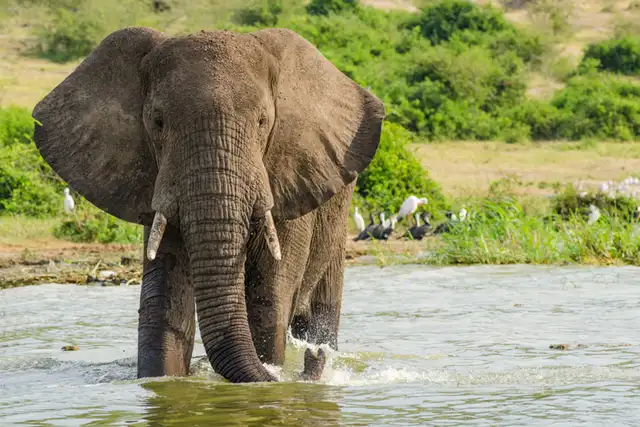
Combine Queen Elizabeth Park with gorilla trekking, chimpanzee habituation, and Crater Lake exploration for the ultimate Uganda Safaris experience.
Queen Elizabeth National Park is arguably the most versatile conservation area in the Pearl of Africa, serving as the central soul of many Uganda Safaris due to its unique position in the Albertine Rift Valley. While the park is legendary for its own diverse ecosystems, from the open savannah of Kasenyi to the dense Maramagambo Forest, the true magic of a journey lies in the ability to bridge this park with the wonders that surround it. Strategically located between the gorilla-rich mountains of the south and the primate-filled jungles of the north, the park acts as a gateway to some of the most profound natural encounters, making Uganda Safaris truly comprehensive.
Popular Uganda Tour Packages
Top 15 Activities to Combine with Queen Elizabeth Park for Uganda Safaris
1. Gorilla Trekking in Bwindi Impenetrable National Park
One of the most iconic experiences to pair with Uganda Safaris is gorilla trekking in Bwindi. Located 4 to 6 hours from Ishasha, Bwindi offers misty rainforests where mountain gorillas reside. The trek is rigorous but rewarding through thick ferns and steep ridges. Standing meters away from a silverback defines African travel on Uganda Safaris.
2. Chimpanzee Habituation in Kibale Forest National Park
Kibale Forest, the primate capital, is a mandatory stop on Uganda Safaris. The habituation experience allows nearly a full day with researchers and chimps. You observe complex social hierarchies and vocal communications. Walking through the evergreen forest, you encounter 13 primate species. Combining these parks ensures a complete understanding of both savannah and jungle on Uganda Safaris.
3. Tree-Climbing Lion Tracking in Ishasha Sector
No Uganda Safaris are complete without seeking tree-climbing lions in Ishasha. This is one of only two places where lions lounge high in sycamore fig trees. They climb to escape ground heat and biting insects. The Ishasha sector is quieter and more secluded. Expert guides spot these majestic cats providing photographers a unique angle on Uganda Safaris.
4. Exploring the Explosion Crater Lakes Region
The Explosion Crater Lakes drive is a highlight of Uganda Safaris. Located near Kasese, these 72 craters formed thousands of years ago. They are filled with shimmering green and blue waters. Taking the 27 kilometre drive provides dramatic panoramic views with the Rwenzori Mountains as backdrop. The silence of the craters offers deep appreciation for geological forces on Uganda Safaris.
5. Hiking the 'Mountains of the Moon' Rwenzori Foothills
The Rwenzori Mountains, a UNESCO site, are a highlight on Uganda Safaris. Even without reaching Margherita Peak, the lower foothills offer day hikes and cultural encounters. A hike through Ruboni or Kilembe allows you to view rare chameleons and waterfalls. The Bakonzo people share stories of mountain spirits. This high-altitude escape adds physical adventure to Uganda Safaris.
6. Visiting the Traditional Salt Mining Site at Lake Katwe
Lake Katwe salt mining is a cultural stop on Uganda Safaris. Located in a salt-rich crater, it has been the centre of salt production since the 16th century. Men and women work in intense heat using methods unchanged for generations. A guided walk reveals the complex history of the salt trade. This experience connects travellers with resilient people on Uganda Safaris.
7. Boat Cruise on the Kazinga Channel
A boat cruise on the Kazinga Channel is the cornerstone of Uganda Safaris. This 32-kilometre waterway has the highest hippo concentration in the world. Thousands of hippos, massive crocodiles, elephants, and buffalo come to drink. The birdlife is staggering with African Fish Eagles and Kingfishers. The water perspective allows close-up sightings impossible from a vehicle on Uganda Safaris.
8. Chimpanzee Trekking in Kyambura Gorge
Kyambura Gorge, the "Valley of Apes," is a hidden forest on Uganda Safaris. Descending 100 metres into the gorge, you enter a cool, humid world with a river below. This isolated forest is home to a habituated chimpanzee community. Following their echoes and crossing log bridges makes for thrilling primate viewing on Uganda Safaris.
9. Nature Walks in Maramagambo Forest
Maramagambo Forest offers guided nature walks on Uganda Safaris. This sprawling forest is a haven for birders and primate lovers with red-tailed and colobus monkeys. The Bat Cave houses thousands of fruit bats with rock pythons among them. The walk to Blue Lake, a stunning caldera lake, is another highlight of Uganda Safaris.
10. Birding in the Bunyampaka Crater Lake
Birding enthusiasts on Uganda Safaris visit Bunyampaka Crater Lake for migratory flamingos turning the water's edge pink. The surrounding cliffs and acacia woodlands host over 600 species. From rare African Skimmers to eagles and kingfishers, diversity is unmatched. A morning here provides insight into avian ecosystems on Uganda Safaris.
11. Community Experience at the Kikorongo Cultural Centre
Engaging with the Kikorongo Women's Community is essential on Uganda Safaris. Visitors participate in basket weaving workshops, paper bead making, and energetic dance performances telling Bakonzo stories. These visits provide direct financial support to local families. Walking through the community reveals warm hospitality, building human connection on Uganda Safaris.
12. Seasonal Flamingo Watching at Lake Munyanyange
Lake Munyanyange is a seasonal highlight on Uganda Safaris. Between July and September, thousands of Lesser Flamingos migrate from Lake Natron, turning the shores pink. Unlike vehicle-based safaris, this allows visitors to stand at viewpoints and observe graceful movements. The peaceful atmosphere makes it a favourite for those on Uganda Safaris.
13. Tracking the Elusive Leopard in Kasenyi
Kasenyi plains are one of the best places on Uganda Safaris to find elusive leopards. During early morning or late afternoon drives, guides focus on thickets where leopards hide. Spotting one requires patience and sharp eyes. Seeing a leopard draped over a branch is a high-octane moment on Uganda Safaris.
14. Crossing the New Kikorongo Equator Monument
The Kikorongo Equator Monument is a geographical landmark on Uganda Safaris. This site marks the exact point dividing the earth into Northern and Southern Hemispheres. Stand with one foot in each half of the world. Scientific demonstrations illustrate the Coriolis Effect. The monument offers clear views of the rift valley plains on Uganda Safaris.
15. Relaxing at Lake Bunyonyi
After intensive wildlife viewing on Uganda Safaris, many travellers wind down at Lake Bunyonyi. This stunning lake has 29 islands surrounded by terraced hills. It is safe for swimming, free from hippos and crocodiles. Activities include canoeing, visiting Punishment Island, and hiking for breathtaking lake views on Uganda Safaris.
Best Time to Visit Queen Elizabeth National Park on Uganda Safari
The best time for Uganda Safaris is during dry seasons from June to September and December to February. Grass is shorter, making wildlife easier to spot. Animals congregate around water sources like the Kazinga Channel. Rainy seasons from March to May and October to November make roads slippery but bring migratory birds on Uganda Safaris.
How to get to Queen Elizabeth for Uganda Safaris
Most travellers on Uganda Safaris start in Entebbe or Kampala. The drive to the park takes 6 to 8 hours via Mbarara, with an Equator stop. The Fort Portal route offers Rwenzori views. Domestic flights from Entebbe to Kasese or Mweya airstrips reduce travel to just over an hour for Uganda Safaris.
Things to Do in Queen Elizabeth National Park on Uganda Safaris
Activities on Uganda Safaris include game drives in Kasenyi and Ishasha, Kazinga Channel boat cruises, and chimpanzee tracking in Kyambura. Beyond the park, hike Rwenzori foothills, explore Lake Katwe salt mines, or visit crater lakes. Combining with Bwindi gorilla trekking or Lake Bunyonyi ensures diverse Uganda Safaris.
What to Carry for Uganda Safaris to Queen Elizabeth National Park
Pack lightweight, neutral-coloured clothing for Uganda Safaris. A warm jacket is needed for early mornings. Sturdy hiking boots are essential. Bring binoculars, camera with zoom lens, and memory cards. A wide-brimmed hat, sunglasses, sunscreen, and DEET insect repellent are vital for Uganda Safaris.
Where to Stay for the Best Accommodation on Uganda Safaris
Accommodation for Uganda Safaris ranges from rustic campsites to luxury lodges. Mweya sector offers Kazinga Channel views. Ishasha features eco-lodges near tree-climbing lions. Mid-range options and community guesthouses provide authentic stays. Select lodges that prioritise conservation for memorable Uganda Safaris.
Health and Safety in Queen Elizabeth on Uganda Safaris
Health is a priority on Uganda Safaris. Uganda is malaria-prone, so preventative medication is recommended. Yellow Fever vaccination is mandatory. Always follow your guide's instructions near wildlife. Do not leave vehicles unless in designated areas. Stay hydrated and use sun protection on Uganda Safaris.
Why Book with Lamz Tours and Travel for Uganda Safaris
Booking Uganda Safaris with Lamz Tours and Travel ensures expertly crafted journeys balancing adventure with comfort. Their guides understand Western Uganda's intricate details from wildlife timing to authentic cultural experiences. Lamz Tours and Travel prioritises professional support, reliable transport, and quality accommodation for Uganda Safaris.
Beyond Queen Elizabeth Park on Uganda Safaris
Beyond Queen Elizabeth Park, Lamz Tours and Travel also organises expertly planned trips across South Africa, Kenya, Tanzania, Morocco, Rwanda, Malawi and other African destinations.
Ready to plan your safari?
Talk to a Lamz Tours specialist and get a tailor-made quote.
Make an enquiry