Explore top wildlife experiences in Kruger National Park on a Safari in South Africa, from Big Five sightings to guided walks and river views.
A Safari in South Africa often centres on Kruger National Park, one of the country’s most established wildlife areas with consistent animal sightings throughout the year. The park offers a mix of open plains, river systems, and wooded areas that support a wide range of species. A Safari in South Africa here combines guided drives, walking safaris, and quiet observation points, giving travellers a clear and practical way to experience wildlife without unnecessary complexity or overstatement.
Popular South African Safari Packages
Top 12 Wildlife Experiences in Kruger National Park for a Safari in South Africa
1. Big Five Game Drives Experience
A Safari in South Africa in Kruger National Park is strongly associated with the Big Five, and game drives remain the most reliable way to see them across different habitats. Early morning and late afternoon drives give better chances as animals are more active during cooler hours, and a Safari in South Africa during these times allows visitors to follow natural wildlife movement. Guides often read signs such as fresh tracks or alarm calls from birds to locate predators, while open plains increase visibility for larger animals like elephants and buffalo. Lions are often seen resting after a night of hunting, while leopards may be spotted in trees if one is patient and observant. A Safari in South Africa through game drives also allows time to observe behaviour, not just sightings, such as how herds move or how predators position themselves. The variety of landscapes within the park means each drive feels different, giving travellers consistent yet varied wildlife viewing.
2. Guided Bush Walks
A Safari in South Africa becomes more detailed when explored on foot through guided bush walks led by trained rangers who understand animal behaviour and safety. Walking allows travellers to focus on smaller elements of the environment, including tracks, insects, and plant life, which are often missed during drives, and a Safari in South Africa at this pace creates a stronger connection to the surroundings. Rangers explain how animals use the land, from feeding patterns to movement routes, while also teaching how to identify signs such as footprints or droppings. Encounters with larger animals are handled carefully, keeping a safe distance while observing naturally without disturbance. A Safari in South Africa, through walking, also introduces the sounds of the bush more clearly, such as bird calls or movement in the grass, which adds another layer to the experience. This slower approach helps travellers understand the ecosystem in a practical and grounded way.
3. Leopard Tracking Experiences
Leopard tracking is one of the more patient activities included in a Safari in South Africa, as these animals are naturally elusive and prefer dense cover or quiet areas. Guides often rely on experience, looking for signs such as drag marks, tracks, or listening to alarm calls from monkeys and birds that signal a predator nearby, and a Safari in South Africa focused on tracking increases the chances of locating one. Leopards are often found resting in trees during the day, especially after feeding, which makes careful observation important. A Safari in South Africa that includes time near riverbeds or rocky outcrops can also improve sighting chances, as these areas provide shade and cover. The process of tracking itself becomes part of the experience, as travellers follow clues and gradually narrow down locations. When a leopard is finally seen, whether moving through grass or resting above ground, it adds value to the time spent searching.
4. Elephant Herd Experiences
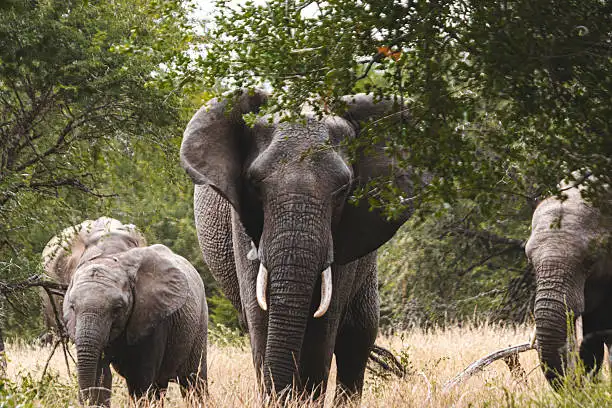
A Safari in South Africa in Kruger National Park often includes regular sightings of elephants, as the park supports a large population that moves across different areas in search of water and food. Observing these herds gives insight into their social structure, where older females guide the group, and younger members stay close for protection. A safari in South Africa allows visitors to watch these interactions at a comfortable distance. Elephants are frequently seen at waterholes, where they drink, bathe, and interact with each other in a calm and steady manner. A Safari in South Africa also reveals differences between herd behaviour and solitary bulls, which are often found alone or in smaller groups. Watching elephants cross roads or move through open plains shows their size and coordination clearly. These moments are not rushed, giving travellers time to observe how the animals communicate and respond to their surroundings in a natural setting.
5. Birdwatching Safari Experiences
A Safari in South Africa in Kruger is not limited to large mammals, as the park is home to hundreds of bird species that bring constant activity across different habitats. Birdwatching becomes particularly rewarding near rivers, wetlands, and open plains, where species such as eagles, hornbills, and kingfishers are commonly seen, and a Safari in South Africa focused on birdlife adds variety to the overall experience. Seasonal changes influence which birds are present, with migratory species arriving at certain times of the year, giving repeat visitors something new to observe. A Safari in South Africa that includes birdwatching also encourages attention to detail, as identifying species often requires patience and observation. The presence of birds can also indicate other wildlife activity, such as predators nearby. This makes birdwatching both an independent activity and a useful part of broader wildlife tracking within the park.
6. Night Game Drive Experiences
A Safari in South Africa extends beyond daylight hours through guided night game drives, which focus on animals that are rarely seen during the day. Using spotlights, guides scan the bush for nocturnal species such as hyenas, civets, and bush babies, while also keeping an eye out for predators that may be active at night, and a Safari in South Africa at this time offers a different perspective on wildlife behaviour. Lions and leopards are often more active after sunset, increasing the chance of seeing movement rather than resting animals. A Safari in South Africa during night drives also highlights how animals adapt to darkness, using sound and scent more than sight. The atmosphere changes significantly, with cooler temperatures and quieter surroundings making each sighting more focused. These drives are conducted under strict safety guidelines, ensuring that both visitors and wildlife remain undisturbed while still allowing close observation.
7. River Safaris along the Sabie River
A Safari in South Africa along the Sabie River provides consistent wildlife activity due to the steady availability of water, which attracts animals throughout the day. Hippos and crocodiles are commonly seen in the river itself, while elephants, buffalo, and antelope visit the banks to drink, and a Safari in South Africa near this river offers regular viewing opportunities. The surrounding vegetation also supports birdlife, adding to the range of species observed in one location. A Safari in South Africa along river systems becomes particularly useful during the dry season, when animals rely heavily on water sources. Watching elephants cross the river or predators waiting nearby, gives a clear picture of how wildlife interacts with its environment. The steady movement of animals in and out of the area creates ongoing activity, making river-based viewing points some of the most reliable in the park.
8. Rhino Conservation Experiences
A Safari in South Africa in Kruger National Park also includes an important focus on rhino conservation, as the park plays a key role in protecting both black and white rhino populations. Guides often explain the challenges faced, including poaching and habitat protection, while sharing how conservation teams monitor and protect these animals, and a Safari in South Africa that includes this information adds depth to wildlife viewing. Seeing a rhino in the wild provides context to these efforts, highlighting the importance of continued protection. A Safari in South Africa can also include discussions about tracking methods, security measures, and community involvement in conservation work. This experience goes beyond simple observation, giving travellers a clearer understanding of the realities involved in maintaining wildlife populations. It also encourages responsible tourism by showing how visitors contribute to ongoing protection efforts through park fees and guided activities.
9. Seasonal Wildlife Viewing
A Safari in South Africa in Kruger changes with the seasons, and understanding these patterns helps travellers plan more effectively. During the dry months, vegetation becomes thinner, and animals gather around water sources, making sightings more predictable, while a Safari in South Africa at this time often focuses on rivers and waterholes. In contrast, the wet season brings greener landscapes and new growth, which supports herbivores and leads to the birth of young animals. A Safari in South Africa during this period may involve more effort to spot wildlife due to thicker vegetation, but it also offers a wider range of activities, including predator movement linked to prey availability. Birdlife is also more active during the wet months, adding to the experience. Each season provides a different perspective, allowing travellers to choose based on their interests rather than expecting a single fixed outcome.
10. Predator Prey Interactions
A Safari in South Africa often includes the possibility of observing predator-prey interactions, which show how the ecosystem functions in a natural setting. These moments require patience, as they are not guaranteed and depend on timing and location, but a Safari in South Africa that includes extended drives increases the chances of witnessing such activity. Lions may be seen stalking prey in open areas, while cheetahs rely on speed in grasslands, and leopards often hunt in quieter, covered spaces. A Safari in South Africa also allows travellers to observe the aftermath of hunts, which provides additional understanding of predator behaviour. These interactions highlight the balance within the environment, where each species plays a role in maintaining stability. Observing these events from a respectful distance ensures that wildlife behaviour remains natural while still offering a clear and informative experience for visitors.
11. Nearby Cultural and Community Experiences
A Safari in South Africa can extend beyond Kruger National Park to include nearby communities, where visitors can learn about local traditions and daily life. These experiences often involve guided visits that focus on crafts, food, and cultural practices, and a Safari in South Africa that includes this aspect adds context to the region as a whole. Interaction with local communities also supports small businesses and contributes to the local economy. A Safari in South Africa that combines wildlife and cultural elements provides a more balanced view of the destination, showing both natural and human aspects of the area. These visits are usually organised in a respectful and structured way, ensuring that they remain beneficial to both visitors and residents. Including cultural experiences allows travellers to gain a broader understanding of the region beyond wildlife alone.
12. Self-Drive Safari Flexibility Experience
A Safari in South Africa in Kruger National Park can be done through self-drive options, giving travellers the ability to explore at their own pace. The park has a well-maintained road network with clear signage, making navigation manageable even for first-time visitors, and a Safari in South Africa in this format offers flexibility in planning daily routes. Travellers can spend more time in areas where wildlife is active or adjust their schedule based on sightings. A Safari in South Africa through self-driving also allows for quieter observation, as visitors are not limited to group timings. Rest camps provide facilities such as fuel, food, and accommodation, supporting independent travel within the park. This option works well for those who prefer control over their schedule while still having access to essential services and safety guidelines within the park.
Best Time to Visit Kruger National Park for your Safari in South Africa
A Safari in South Africa in Kruger National Park is possible throughout the year, but the experience changes depending on the season and weather conditions. The dry season, which runs from May to September, is often preferred because vegetation is thinner and animals gather around rivers and waterholes, making them easier to spot, and a Safari in South Africa during this period offers more consistent wildlife viewing. Temperatures are also cooler, especially in the mornings and evenings, which supports longer game drives. A Safari in South Africa in the wet season, from October to April, brings greener landscapes and increased bird activity, along with the presence of young animals. However, thicker vegetation can make sightings less predictable. Choosing the right time depends on whether travellers prioritise easier wildlife viewing or a more vibrant environment with seasonal changes across the park.
How to get to Kruger National Park for a Safari in South Africa
A Safari in South Africa usually begins at O.R. Tambo International Airport in Johannesburg, where travellers arrive and prepare for the journey towards Kruger National Park. From the airport, visitors can either take a domestic flight or travel by road, and a Safari in South Africa that starts with a flight reduces travel time significantly, with flights to Skukuza or Nelspruit taking about one hour. For those who prefer road travel, the distance from Johannesburg to Kruger ranges between 400 and 500 kilometres, depending on the entry gate, and the drive takes approximately five to six hours. A Safari in South Africa by road allows travellers to observe the gradual change in scenery from city landscapes to rural areas and eventually to bush surroundings. Transfers can also be arranged, ensuring a smooth connection from the airport directly to lodges or park entrances.
Things to do while on safari in South Africa
A Safari in South Africa in Kruger National Park offers a range of activities beyond standard game drives, allowing visitors to explore the area in different ways. Guided walks, birdwatching, and night drives provide varied perspectives, while rest camps and viewpoints offer spaces for quiet observation, and a Safari in South Africa that includes multiple activities creates a more complete experience. Photography is also a common activity, especially in areas where animals gather regularly. A Safari in South Africa can be adjusted based on personal interests, whether focusing on large mammals, birdlife, or general landscape viewing. Visitors can also spend time at waterholes, watching animals arrive throughout the day. This combination of structured and flexible activities ensures that each day remains engaging without relying on a single approach to wildlife viewing.
What to bring for your Safari in South Africa in Kruger National Park
A Safari in South Africa requires careful preparation to ensure comfort and practicality during daily activities in Kruger National Park. Lightweight clothing in neutral colours is recommended, along with a hat and sunscreen to protect against the sun, and a Safari in South Africa also benefits from having binoculars for better wildlife viewing. Comfortable walking shoes are important for bush walks, while a light jacket is useful for early mornings and evenings when temperatures can drop. A Safari in South Africa also requires carrying insect repellent and any necessary personal medication, especially for longer stays. Cameras and spare batteries are useful for capturing wildlife moments, while reusable water bottles help maintain hydration throughout the day. Packing appropriately ensures that travellers can focus on wildlife viewing without interruptions caused by missing essentials.
Where to stay for the best accommodation on a Safari in South Africa
A Safari in South Africa in Kruger National Park offers a range of accommodation options that suit different budgets and preferences. Rest camps within the park provide basic facilities, including self-catering units and campsites, while private lodges offer more personalised services, and a Safari in South Africa can be planned based on the level of comfort required. Private reserves often include guided game drives, meals, and additional services, making them convenient for those who prefer a structured experience. A Safari in South Africa in these lodges also allows access to areas with fewer vehicles, providing quieter wildlife viewing. Choosing where to stay depends on factors such as budget, location, and preferred style of travel. Whether staying inside the park or in nearby reserves, accommodation plays an important role in shaping the overall experience.
Health and Safety tips to follow while on a Safari in South Africa
A Safari in South Africa requires attention to health and safety guidelines to ensure a smooth and secure visit to Kruger National Park. Travellers are advised to consult medical professionals regarding vaccinations and malaria prevention before arrival, and a Safari in South Africa also involves following park rules such as staying inside vehicles unless instructed otherwise. Listening to guides and maintaining safe distances from animals is essential for avoiding unnecessary risks. A Safari in South Africa also includes basic precautions such as staying hydrated, using sunscreen, and wearing appropriate clothing for the environment. Emergency services and park authorities are available, but personal awareness remains important throughout the trip. Following these guidelines helps ensure that wildlife viewing remains safe and well managed without interfering with the natural behaviour of animals.
Why Book with Lamz Tours and Travel for a Safari in South Africa
A Safari in South Africa organised by Lamz Tours and Travel ensures that travellers receive structured support from arrival to departure, making the overall experience easier to manage. We handle logistics such as transport, accommodation, and activity planning, allowing visitors to focus on wildlife viewing, and a Safari in South Africa with professional support reduces the stress of organising details independently. Guides and staff provide local knowledge, helping travellers make the most of their time in Kruger National Park. A Safari in South Africa arranged through us also ensures reliable connections between airports, lodges, and park entrances, improving efficiency throughout the trip. This level of planning allows visitors to move smoothly from one activity to another without delays, creating a well-organised and practical wildlife experience.
Ready to plan your safari?
Talk to a Lamz Tours specialist and get a tailor-made quote.
Make an enquiry