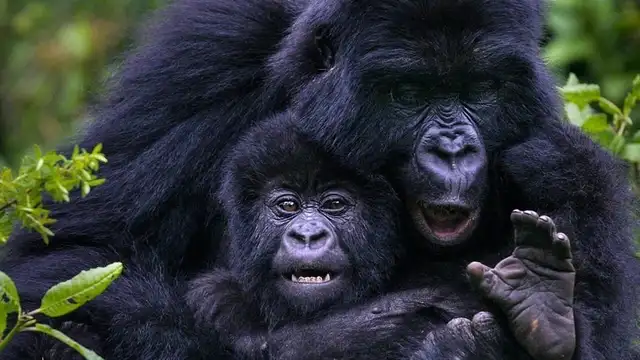
Essential tips for gorilla trekking in Uganda, covering permits, health, gear, guides, safety, and local culture to make your trek smooth and truly rewarding.
Gorilla trekking in Uganda offers a rare opportunity to See mountain gorillas in their natural habitats. Proper preparation ensures safety, comfort, and enjoyment throughout the trek. From choosing the right guide and packing essential gear to understanding health precautions and following wildlife rules, these top 10 visitor tips help you plan effectively. Learn how to navigate the trails, protect the gorillas, and get the most from your time in Bwindi and Mgahinga.
Our Best Safaris on a Gorilla Trekking in Uganda
1 Day To Jinja, Sezibwa falls and Mabira forest Hike
2 Days Chimpanzee Trekking Safari
3 Days Gorilla Trekking in Mgahinga Gorilla National Park.
4 days safari with Gorilla and Queen Elizabeth national park
5 Days Safaris To Kibale & Queen Elizabeth National Park
6 Days Kidepo Valley and Murchison Falls Wildlife Safari
7 Days Queen Elizabeth Gorillas Trekking In Bwindi and Lake Mburo Safari
8 Days Murchison Chimpanzees Queen Elizabeth and Gorilla Safari
9 Days Best of the Uganda Safari with Gorillas
10 Days Uganda Safari Gorilla, Wildlife and Chimpanzees
11 Days Gorillas and Chimpanzees Wildlife Safari, Uganda
12 Days Best of Uganda Wildlife Encounter and Cultural Safari
14 Days Uganda Birding Safari Experience
15 Days Gorilla Safari and wildlife in Uganda
1. Book Your Permit Early
One of the most important steps for a successful gorilla trekking in Uganda adventure is securing your gorilla permit well in advance. Permits are strictly limited to protect the gorillas and their habitats, and popular trekking seasons, especially June to September and December to February, often sell out months ahead. Planning early allows you to choose the best trekking dates, organise your itinerary, and ensure a stress free experience. Booking permits ahead of time also helps you coordinate transportation, accommodations, and guides, giving you more flexibility to enjoy other activities in Bwindi or Mgahinga. Whether you’re trekking in Bwindi Impenetrable Forest or Mgahinga National Park, having your permit confirmed early reduces uncertainty and allows you to focus on preparing physically and mentally for this memorable wildlife encounter. By reserving your spot in advance, you can ensure that your gorilla trekking in Uganda experience is smooth, enjoyable, and completely focused on observing these magnificent mountain gorillas in their natural habitat.
2. Choose the Right Guide
A knowledgeable and experienced guide is essential for a rewarding gorilla trekking in Uganda experience. Guides know the forest trails intimately, understand gorilla behavior, and ensure the safety of both visitors and wildlife. Booking with a reputable operator, such as Lamz Tours and Travel, provides access to trained rangers who can answer questions, navigate difficult terrain, and enhance your understanding of gorilla social dynamics. A skilled guide also helps visitors maintain the proper distance from gorillas, recognize subtle behaviors, and capture memorable photographs without causing stress to the animals. With the support of a trusted guide, your trek becomes educational, safe, and deeply immersive, connecting you to the forest ecosystem. Good guides can adjust the pace of the hike according to your fitness level, making sure every participant enjoys the experience fully. Ultimately, choosing the right guide ensures that your gorilla trekking in Uganda adventure is memorable, smooth, and highly rewarding.
3. Dress for the Forest
Proper attire is crucial for a comfortable and safe gorilla trekking in Uganda experience. The rainforest can be dense, muddy, and filled with insects, so wearing long-sleeved shirts, long pants, and sturdy, waterproof hiking boots is highly recommended. Moisture-wicking clothing keeps you dry and comfortable, while a rain jacket or poncho protects against sudden downpours. Gloves and a hat can provide extra protection against thorns, branches, and the sun. Layering clothing is also smart because temperatures in Bwindi or Mgahinga can fluctuate during the day. Proper attire ensures that you remain comfortable during long walks through uneven and slippery terrain, allowing you to focus on the incredible wildlife around you. Dressing appropriately not only protects you but also respects the forest environment by reducing your impact. By preparing with suitable clothing and gear, your gorilla trekking in Uganda journey becomes safer, more comfortable, and far more enjoyable.
4. Stay Healthy
Maintaining your health is critical for both your safety and the wellbeing of the gorillas during gorilla trekking in Uganda. Gorillas are highly susceptible to human diseases, so anyone who is unwell should postpone their trek. Simple precautions, like using hand sanitizer, wearing a face mask, and avoiding close contact with the gorillas if you feel sick, are essential. Staying hydrated and eating properly before and during the trek helps maintain energy levels for long hikes over steep, uneven terrain. Pre-trip vaccinations and basic medical preparations are also recommended, especially for those traveling from abroad. Keeping healthy ensures you can enjoy the hike fully, appreciate wildlife, and minimize any risks to the gorilla population. Following these health guidelines not only protects the animals but also enhances your experience, allowing you to engage fully in the wonder of gorilla trekking in Uganda while observing these majestic creatures safely.
5. Be Physically Prepared
Gorilla trekking in Uganda can be physically demanding, with hikes lasting anywhere from two to eight hours depending on gorilla locations and terrain. Preparing your body beforehand through moderate exercise such as walking, hiking, or cardio workouts can significantly improve your stamina and make the trek more enjoyable. Good fitness allows you to navigate steep slopes, muddy paths, and thick undergrowth comfortably, enabling you to focus on the wildlife rather than fatigue. Being physically prepared also helps prevent injuries and ensures you can keep pace with your group, maximising your viewing time once gorillas are located. While the adventure is challenging, it is also immensely rewarding, offering close encounters with mountain gorillas and stunning forest landscapes. Proper preparation ensures that every step of your gorilla trekking in Uganda journey is safe, memorable, and deeply fulfilling, leaving you with lasting memories of this once in a lifetime wildlife experience.
6. Respect Wildlife Rules
Respecting wildlife rules is essential for a successful gorilla trekking in Uganda experience. Visitors must maintain a safe distance from gorillas, typically around seven meters, avoid loud noises, and never attempt to touch or feed the animals. Following the guidance of your ranger ensures both your safety and the gorillas’ wellbeing. These rules are designed to minimize human impact on their natural behaviors and reduce the risk of disease transmission. Observing gorilla etiquette allows you to witness authentic behavior, from playful infants to protective silverbacks, creating a rich and immersive wildlife experience. Compliance also supports Uganda’s conservation efforts and helps preserve habitats for future generations. By honoring the rules, you not only protect these endangered creatures but also make your gorilla trekking in Uganda adventure safer, more rewarding, and ethically responsible.
7. Carry Essentials
Packing the right essentials is key to enjoying gorilla trekking in Uganda comfortably. Carry water and energy snacks to stay hydrated and energized during long hikes. A sturdy walking stick helps navigate slippery terrain. Insect repellent, a small first-aid kit, and hand sanitizer are also recommended. Cameras are essential for capturing memories, but flash photography is prohibited near gorillas. Dressing in layers allows you to adapt to changing temperatures, and a lightweight backpack ensures mobility without fatigue. Thoughtful packing minimizes distractions, allowing you to focus on the trekking experience, the forest ecosystem, and the gorillas themselves. By preparing well, your gorilla trekking in Uganda adventure becomes more comfortable, safer, and fully immersive, letting you enjoy every aspect of the journey without worry.
8. Protect the Environment
Environmental responsibility is vital during gorilla trekking in Uganda. Visitors should leave no trace by avoiding litter, staying on trails, and refraining from picking plants or disturbing wildlife. Following ranger instructions and respecting protected areas helps conserve Bwindi and Mgahinga forests, which are critical habitats for mountain gorillas and other species. Responsible tourism supports conservation programs, sustains local communities, and ensures future visitors can enjoy the forest as you do. By being mindful of your impact, you contribute to preserving the biodiversity and delicate ecosystems of Uganda’s rainforests. Practicing environmental care enriches your experience, allowing you to feel connected to nature and proud of supporting sustainable gorilla trekking in Uganda adventures.
9. Capture Memories Carefully
Photography is an important part of gorilla trekking in Uganda, but it requires respect for wildlife. Use silent mode and avoid flash near gorillas to prevent stress. Focus on capturing their behaviors, forest landscapes, and unique flora, preserving memories ethically. Photography etiquette ensures the gorillas remain undisturbed, while still allowing visitors to document a once-in-a-lifetime encounter. Observing quietly while photographing teaches patience and mindfulness, enhancing your connection with nature. Responsible photography also protects the forest environment by reducing unnecessary movement or noise. Thoughtful documentation allows you to relive the adventure, share it with friends, and raise awareness about conservation efforts. Following these guidelines ensures that your gorilla trekking in Uganda journey is memorable, ethical, and safe for both visitors and wildlife.
10. Enjoy Cultural Interactions
Integrating local culture enhances gorilla trekking in Uganda experiences. Many treks include visits to Batwa communities or nearby villages, where visitors can learn about traditional practices, forest conservation, and community life. These cultural interactions enrich your understanding of the relationship between humans and the rainforest. Supporting local artisans or community projects contributes to sustainable tourism. By engaging respectfully with locals, you gain insight into the challenges and successes of conservation, adding depth to your trekking adventure. Experiencing Uganda’s culture alongside wildlife observation creates a balanced and immersive journey. Cultural exposure complements the thrill of gorilla encounters, making your gorilla trekking in Uganda trip not just an ecological adventure, but also a meaningful human connection with the people who share these forests with the gorillas.
Best Time to Visit for Gorilla Trekking in Uganda
The ideal period for gorilla trekking in Uganda is during the dry seasons, from June to September and December to February. Trails in Bwindi Impenetrable Forest and Mgahinga National Park are easier to navigate, and wildlife, including mountain gorillas, are more active and visible. While rainy months offer fewer crowds, trekking can be challenging due to slippery paths and dense vegetation. Early planning allows visitors to select the best trekking dates, combine cultural visits, and optimise wildlife sightings. Dry weather also makes photography easier, with natural sunlight filtering through the forest canopy, creating memorable shots. Trekking during these months enhances comfort, safety, and the overall experience, ensuring visitors can enjoy both gorilla encounters and the lush forest ecosystem. For a seamless adventure, booking permits early and coordinating with a professional guide or safari operator ensures your gorilla trekking in Uganda experience is rewarding and memorable.
How to Get There for Gorilla Trekking in Uganda
Reaching the gorilla trekking destinations in Uganda requires careful planning. Bwindi Impenetrable Forest and Mgahinga National Park are accessible via road or air. From Kampala, the journey by car to Bwindi takes around 8 to 9 hours, passing beautiful hills, local villages, and tea plantations. Alternatively, small charter flights land at Kisoro or Bwindi airstrips, saving time and offering aerial views of the forest. Roads can be rough, so using a reliable safari operator like Lamz Tours and Travel ensures safe, comfortable transport. Local guides assist with park entry, permits, and coordinating logistics. Once in the park, rangers lead visitors through trails to gorilla families, ensuring a safe and immersive trekking experience. Good planning and local expertise make traveling to Uganda’s remote gorilla habitats straightforward and enjoyable. Proper transport arrangements allow visitors to focus fully on their gorilla trekking in Uganda adventure without stress or delays.
Things to Do While Gorilla Trekking in Uganda
Beyond gorilla encounters, Uganda’s Bwindi and Mgahinga forests offer diverse activities for adventurous travellers. Visitors can explore nature trails, spot golden monkeys, enjoy birdwatching, and hike volcano slopes in Mgahinga. Cultural visits to Batwa communities provide insight into local traditions, history, and conservation practices. Photography, guided forest walks, and visits to waterfalls add variety to the trekking experience. Each activity complements gorilla trekking, offering immersive opportunities to appreciate biodiversity and ecosystem connections. Guided excursions teach visitors about plant species, medicinal herbs, and wildlife behavior, enhancing knowledge alongside adventure. Activities can be tailored for different fitness levels, ensuring every traveler enjoys the forests safely. Combining multiple experiences maximizes the value of a trip, making it more rewarding and memorable. Engaging in these activities during gorilla trekking in Uganda ensures a balanced, educational, and thrilling journey through one of Africa’s most unique natural habitats.
What to Bring for Gorilla Trekking in Uganda
Packing the right gear is crucial for a comfortable gorilla trekking in Uganda experience. Essentials include sturdy hiking boots, long sleeved shirts, long pants, rain jackets, and gloves for protection against mud, thorns, and insects. Bring water, high-energy snacks, hand sanitiser, a walking stick, and a small first-aid kit. Cameras are important, but flash photography is prohibited near gorillas. Lightweight backpacks ensure mobility, and layered clothing allows adaptation to variable weather in Bwindi and Mgahinga. Insect repellent and sun protection are also recommended. Bringing the right items prevents discomfort, enhances safety, and allows visitors to focus fully on observing gorillas and enjoying the forest. Thoughtful preparation ensures your gorilla trekking in Uganda journey is immersive, comfortable, and memorable, letting you concentrate on wildlife encounters, photography, and the lush rainforest ecosystem.
Where to Stay for Gorilla Trekking in Uganda
Bwindi Impenetrable Forest and Mgahinga National Park offer a range of accommodations to suit all budgets. Visitors can choose luxury lodges, eco friendly camps, or budget guesthouses near the trekking starting points. Many lodges provide guided tours, cultural experiences, and dining with forest views. Staying close to the park ensures early morning starts for gorilla encounters, maximising trekking time. Some lodges are built sustainably, supporting local communities and conservation. Choosing the right accommodation enhances the overall gorilla trekking in Uganda experience by combining comfort, accessibility, and immersion in nature. Booking through a trusted safari operator like Lamz Tours and Travel ensures preferred lodging is available and aligned with your itinerary. A well planned stay balances convenience, adventure, and cultural exposure, making your Uganda safari truly memorable.
Health and Safety Tips for Gorilla Trekking in Uganda
Maintaining health and safety is critical during gorilla trekking in Uganda. Visitors should be physically fit, stay hydrated, and bring necessary medications. Avoid trekking if unwell, as gorillas are vulnerable to human illnesses. Always follow ranger instructions, maintain a safe distance of seven meters from gorillas, and wear face masks when required. Proper footwear and protective clothing reduce injury risks on muddy or uneven trails. Vaccinations and preventive measures, such as malaria prophylaxis, are recommended before travel. Guides monitor weather conditions, forest hazards, and wildlife behavior to ensure visitor safety. Adhering to health and safety protocols protects both trekkers and gorillas, ensuring a smooth, enjoyable experience. These measures allow visitors to fully appreciate the beauty of Bwindi and Mgahinga forests during gorilla trekking in Uganda while minimising risks to themselves and wildlife.
How much does it cost to go gorilla trekking in Uganda?
The cost of gorilla trekking in Uganda depends on the park, season, and type of permit purchased. In Bwindi Impenetrable Forest, a standard adult gorilla permit costs approximately $700 per person, while in Mgahinga National Park, permits are slightly lower, around $600 per person. Children’s rates are discounted, usually 50% of the adult price. Additional costs may include park entrance fees, local guide fees, transport, accommodation, and optional tips. Safari operators, such as Lamz Tours and Travel, often offer packages that combine permits, transportation, lodging, and other activities, simplifying logistics and providing value. Prices may increase slightly during peak trekking seasons, such as June to September and December to February, due to higher demand. Despite the cost, gorilla trekking is a once-in-a-lifetime experience that contributes directly to conservation and local communities, supporting the protection of endangered mountain gorillas. By understanding the breakdown and booking with a trusted operator, visitors can plan their gorilla trekking in Uganda experience efficiently and safely while making the most of this memorable wildlife encounter.
Where to go for gorilla trekking in Uganda?
The best destinations for gorilla trekking in Uganda are Bwindi Impenetrable Forest National Park and Mgahinga Gorilla National Park. Bwindi is home to over half of the world’s mountain gorillas, offering multiple habituated gorilla families for trekking. It is renowned for dense rainforest, breathtaking scenery, and accessibility from nearby towns. Mgahinga is smaller and quieter, providing trekking opportunities combined with golden monkey tracking and hikes to volcanic slopes. Both parks are managed by Uganda Wildlife Authority, ensuring guided, ethical encounters. The choice of destination depends on visitor preferences, physical fitness, and time available. Bwindi suits those seeking variety and multiple gorilla families, while Mgahinga appeals to travellers desiring fewer crowds and additional wildlife experiences. Many safari operators, like Lamz Tours and Travel, offer tailored itineraries covering both parks, cultural visits, and additional forest activities, making planning seamless. Visiting these parks ensures a safe, immersive, and memorable gorilla trekking in Uganda adventure.
Which month is best for gorilla trekking in Uganda?
The best months for gorilla trekking in Uganda are during the dry seasons, specifically June to September and December to February. During these months, trails in Bwindi Impenetrable Forest and Mgahinga National Park are easier to navigate, less muddy, and safer for trekking. Dry weather also improves visibility, making it easier to spot gorillas and other wildlife. While the rainy months of March to May and October to November are less crowded and still offer unique experiences, trekking can be physically more challenging due to slippery trails and dense undergrowth. Wildlife is active year round, but dry conditions enhance comfort, safety, and photographic opportunities. Booking your trek during dry seasons allows for better planning of accommodations, permits, and guided tours. Peak months require early reservations because gorilla permits are limited. Understanding seasonal variations ensures your gorilla trekking in Uganda experience is both enjoyable and successful, providing maximum opportunity to observe gorillas in their natural habitat.
How difficult is gorilla trekking in Uganda?
Gorilla trekking in Uganda ranges from moderate to strenuous, depending on the terrain, gorilla location, and individual fitness levels. Treks typically last 2 to 8 hours, with steep slopes, muddy paths, and dense undergrowth. Visitors should be prepared for physically demanding hikes through Bwindi Impenetrable Forest or Mgahinga National Park. Moderate fitness, proper footwear, and trekking poles make the experience more comfortable and safer. Rangers guide every trek, providing support, adjusting the pace, and ensuring safe distances from gorillas. Difficulty can vary by gorilla family location, weather conditions, and forest density. Even though it is physically challenging, the trek is extremely rewarding, offering once-in-a-lifetime encounters with mountain gorillas, unique flora, and breathtaking scenery. Those with limited mobility may request shorter or less strenuous routes, ensuring that gorilla trekking in Uganda remains accessible while preserving safety. Adequate preparation, fitness, and guidance ensure visitors can enjoy this memorable adventure fully.
Why Book with Lamz Tours and Travel for Gorilla Trekking in Uganda
Booking with Lamz Tours and Travel guarantees a professional, seamless, and enriching gorilla trekking in Uganda experience. Our local knowledge ensures accurate guidance on forest trails, gorilla behaviour, and park regulations. Lamz Tours and Travel handles all logistics, including transport, permits, accommodation, and park entry, allowing visitors to focus entirely on trekking and wildlife observation. Flexible itineraries cater to different fitness levels and interests, combining gorilla encounters with cultural visits and other forest activities. Expert guides ensure safety, photography opportunities, and memorable wildlife interactions. By booking with a trusted operator, travellers can relax, enjoy personalised attention, and maximise the value of their safari. Choosing Lamz Tours and Travel provides peace of mind, expert insight, and a truly immersive, once in a lifetime gorilla trekking in Uganda experience.
Ready to plan your safari?
Talk to a Lamz Tours specialist and get a tailor-made quote.
Make an enquiry