Experience wilderness safaris Malawi with top tips on parks, guides, Lake Malawi, cultural insights, and conservation-focused stays for a rewarding adventure
Wilderness safaris Malawi present a unique opportunity to experience Africa in a way that feels both intimate and authentic. Unlike larger safari destinations, Malawi focuses on quality encounters, conservation success, and diverse landscapes that range from miombo woodlands to high-altitude grasslands. Travelers can expect fewer crowds, personalized guiding, and the chance to see species such as black rhino, cheetah, and growing elephant herds that have been carefully reintroduced. Wilderness safaris Malawi are not just about ticking off the Big Five; they are about appreciating the subtleties of nature, from bird calls along the Shire River to orchids blooming on the Nyika Plateau. This slower, more thoughtful approach ensures every sighting feels meaningful and every moment connects you to the land.
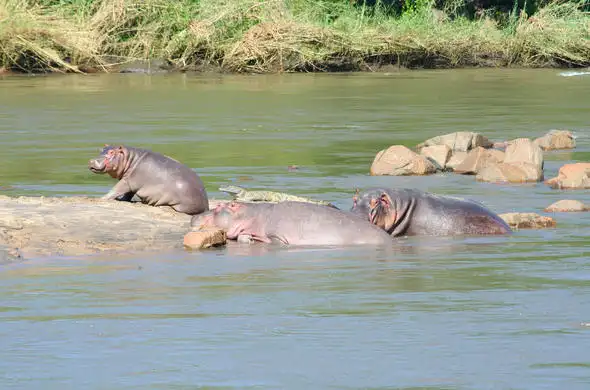
What makes wilderness safaris Malawi truly special is the variety of experiences available. Boat safaris in Liwonde provide serene views of elephants and hippos, walking safaris in Nkhotakota and Nyika allow you to feel the wilderness underfoot, and game drives in Majete deliver classic predator sightings. Adding Lake Malawi to your itinerary brings balance, offering crystal-clear waters for snorkeling and relaxation after days in the bush. Wilderness safaris Malawi combine wildlife, culture, and conservation, creating a complete adventure that rewards patience, curiosity, and respect for nature
Best Malawi safari packages
3 Day Best Malawi Safari Parks Tour
3 Day Majete Safari Malawi and Big Five
4 Day Budget Safari Malawi to Nyika and Vwaza Marsh Wildlife Reserve
2 day Gorilla trekking safari in Rwanda
2 Days Nyungwe Chimpanzee and Canopy Walk Safari in Rwanda
3 Days Gorilla and Golden Monkey Trekking Rwanda Tour
3 Days Safari to Rwanda and Uganda Gorilla Trekking
2-days-fly-in-serengeti-safari-in-tanzania
2-days-tarangire-national-park-and-ngorongoro-crater-safari
3-days-tanzania-safari-in-serengeti-national-park
3-days-tanzania-wildlife-safari
4-days-epic-tanzania-wildlife-and-culture-safari
The Top 10 Tips for Experiencing Wilderness Safaris Malawi
1. Manage Expectations and Embrace The Malawi Difference
Wilderness safaris Malawi are about quality rather than sheer numbers, offering travelers a conservation success story that is steadily growing into a “Big 5” destination. Unlike crowded safari hubs, here you’ll find fewer vehicles, more personalized guiding, and the chance to see species like black rhino and cheetah that have been reintroduced with great success. The landscapes are diverse, ranging from miombo woodlands to lush riverine forests, creating a rich backdrop for wildlife viewing. Wilderness safaris Malawi emphasize intimacy and authenticity, rewarding those who appreciate the subtleties of nature. This approach ensures that every sighting feels special, whether it’s elephants along the river or antelope grazing in open plains, making Malawi a destination where conservation and visitor experience go hand in hand.
2. Prioritize the Right Parks for Your Interests
Choosing the right parks is essential to maximize wilderness safaris Malawi, as each reserve offers distinct experiences. Liwonde National Park is a highlight, with concentrated wildlife along the Shire River and excellent boat safaris. Majete Wildlife Reserve provides a fully fenced Big 5 setting, showcasing lions, leopards, elephants, rhinos, and buffalo in a rugged bush environment. Nkhotakota Wildlife Reserve appeals to explorers seeking vast, restored wilderness, perfect for walking safaris and observing growing elephant herds. Nyika National Park stands apart with its high-altitude plateau, rolling grasslands, orchids, and zebra herds, ideal for hiking or horseback riding. Wilderness safaris Malawi thrive on variety, so tailoring your itinerary to match your interests ensures a rewarding balance of predator sightings, birdlife, and unique landscapes.
3. Incorporate a Lake Malawi Component
No trip is complete without adding Lake Malawi to wilderness safaris Malawi, as the lake provides a refreshing contrast to the bush. Known as the “Lake of Stars,” it offers crystal-clear waters perfect for snorkeling among colorful cichlids, kayaking beside fish eagles, or simply relaxing on sandy shores. The southern lakeshore at Cape Maclear is lively, while the central and northern shores host secluded lodges for a more private retreat. Wilderness safaris Malawi gain depth when combined with lake time, allowing travelers to unwind after days of wildlife viewing. The lake’s cultural and ecological richness complements the safari experience, offering both adventure and relaxation. This balance makes Malawi unique, blending wilderness with aquatic beauty in a way few destinations can match.
4. Choose Your Mode of Safari, Boat, Vehicle, and Foot
Wilderness safaris Malawi stand out because they offer multiple ways to experience wildlife. Boat safaris in Liwonde are a must, giving travelers close views of elephants, hippos, and crocodiles along the Shire River. Walking safaris in Nkhotakota and Nyika allow you to feel the wilderness underfoot, guided by scouts who share knowledge of tracks, plants, and smaller creatures. Classic game drives in Majete and Liwonde cover more ground, increasing chances of spotting predators like lions and leopards. Wilderness safaris Malawi are enriched by this variety, ensuring travelers can choose perspectives that suit their interests. Whether drifting silently on water, hiking rugged terrain, or driving through bushland, each mode offers unique insights into Malawi’s diverse ecosystems and wildlife.
5. Invest in a Good Guide
Guides are the backbone of wilderness safaris Malawi, transforming ordinary outings into memorable experiences. Malawi’s guides are deeply connected to conservation, often involved in reintroduction projects and ecological monitoring. Their passion and knowledge bring the bush to life, pointing out subtle animal behaviors, identifying bird calls, and explaining cultural connections to the land. A skilled guide ensures you see more than just animals; you understand the ecosystem’s balance. Wilderness safaris Malawi benefit greatly from this expertise, as guides tailor experiences to your interests, whether photography, birdwatching, or predator tracking. Tipping generously supports their work and acknowledges their role in conservation. With the right guide, every safari becomes a story of discovery and deeper appreciation for Malawi’s wilderness.
6. Time Your Visit Wisely
Timing is crucial for wilderness safaris Malawi, as seasons shape the experience. The dry season from May to October is best for wildlife viewing, with animals congregating at water sources and vegetation thinning for clear visibility. July to October is particularly rewarding, offering peak predator activity. The green season from November to April brings lush landscapes, vibrant birdlife, and excellent photography opportunities, though roads may be challenging and malaria risk higher. Wilderness safaris Malawi adapt beautifully to both seasons, offering unique highlights depending on when you visit. Travelers who plan carefully can align their trip with their priorities, whether it’s predator sightings, birdwatching, or enjoying dramatic scenery. Understanding seasonal differences ensures your safari is both rewarding and well-prepared.
7. Pack Strategically for the safari
Packing smartly enhances wilderness safaris Malawi, ensuring comfort and readiness for varied conditions. Neutral-colored clothing like khaki or green helps blend into the environment, while warm layers are essential for chilly mornings on the Nyika Plateau. Sturdy, closed-toe shoes support walking safaris, and high-quality sunscreen with a wide-brimmed hat protects against strong sun. Binoculars and a camera with a zoom lens are vital for capturing wildlife and birdlife. Malaria prophylaxis is strongly recommended, so consult your doctor before traveling. Wilderness safaris Malawi reward those who come prepared, as the right gear allows you to focus on the experience rather than discomfort. Strategic packing ensures you’re equipped for both bush adventures and lakeside relaxation, maximizing enjoyment throughout your trip.
8. Support Conservation by Staying Inside the Parks and Reserves
Choosing lodges inside reserves is one of the most impactful ways to support wilderness safaris Malawi. Staying within Liwonde, Majete, or Nyika ensures your fees directly fund conservation efforts and community projects. Operators like African Parks, which manage several reserves, reinvest resources into wildlife protection and habitat restoration. Wilderness safaris Malawi thrive because of these initiatives, and your stay contributes to their success. Lodges inside parks also provide unmatched access to wildlife, reducing travel time and maximizing sightings. This choice benefits both travelers and local communities, creating a sustainable model where tourism supports conservation. By staying inside reserves, you actively participate in Malawi’s conservation story while enjoying closer, more immersive safari experiences.
9. Embrace the Cultural Experience
Wilderness safaris Malawi are not only about wildlife but also about connecting with people. Malawi’s warm hospitality is legendary, and visiting villages through reputable lodges ensures ethical and beneficial interactions. Learning a few Chichewa greetings like “Muli bwanji?” enriches the experience and shows respect. Engaging with staff and communities highlights how conservation and culture are intertwined, with local involvement key to protecting wildlife. Wilderness safaris Malawi gain depth when travelers embrace cultural experiences, understanding how people and nature coexist. These moments add meaning to the trip, whether through traditional dances, shared meals, or conversations about daily life. By valuing culture alongside wildlife, you leave with a fuller appreciation of Malawi’s identity and conservation model.
10. Plan a Combined Itinerary and Book Early
A well-planned itinerary ensures wilderness safaris Malawi deliver variety and balance. Combining 2–3 wilderness areas with Lake Malawi creates a complete experience, blending bush adventure with lakeside relaxation. For example, spending 5–7 days in Liwonde or Majete followed by 3–4 days at Lake Malawi provides both wildlife intensity and peaceful retreat. Wilderness safaris Malawi are best booked early, as small lodges fill quickly, especially in the dry season. Planning 6–12 months ahead secures the best options and allows time to arrange flights between regions. This approach maximizes your time in the bush and minimizes logistical stress. With thoughtful planning, your Malawi safari becomes seamless, rewarding, and tailored to your interests, ensuring every moment counts
Best time to experience wilderness safaris Malawi
The best time to experience wilderness safaris Malawi is during the dry season from May to October, when wildlife viewing is at its peak. During these months, animals gather around rivers and waterholes, making sightings more predictable and rewarding. Vegetation is thinner, skies are clear, and conditions are ideal for boat safaris in Liwonde, game drives in Majete, and walking safaris in Nkhotakota or Nyika. July to October is especially productive, with high predator activity and excellent opportunities to see elephants, lions, and rhinos. Wilderness safaris Malawi in this season also benefit from fewer mosquitoes and comfortable weather, ensuring both safety and enjoyment for travelers.
The green season from November to April offers a different but equally appealing side of wilderness safaris Malawi. Landscapes turn vibrant and lush, birdlife flourishes, and photography opportunities are outstanding with dramatic skies and rich colors. This period is quieter, with fewer tourists and lower lodge rates, making it attractive for those seeking solitude. While wildlife is more dispersed, the experience feels more intimate, and sightings of elephants and antelope remain rewarding. Nyika Plateau is particularly pleasant during these months, with cooler temperatures and unique flora such as orchids. Wilderness safaris Malawi in the green season highlight the beauty of renewal and diversity, appealing to travelers who value atmosphere, birdwatching, and cultural immersion alongside wildlife viewing
How to get there for wilderness safaris Malawi
Getting to wilderness safaris Malawi usually begins with an international flight into Lilongwe or Blantyre, the country’s two main airports. Lilongwe International Airport is the most common entry point, especially for travelers heading to central and northern reserves such as Nkhotakota and Nyika. Blantyre is convenient for southern destinations like Majete and Liwonde. From either airport, domestic flights and road transfers connect visitors to the parks. Wilderness safaris Malawi are well supported by small charter flights that land on airstrips inside or near reserves, saving time and maximizing wildlife viewing opportunities. Road transfers are also possible, offering scenic drives through villages and countryside, though they take longer. Choosing between flights and road travel depends on your schedule, budget, and preferred pace.
Within the country, access to wilderness safaris Malawi is straightforward through organized transfers arranged by lodges or tour operators. For Liwonde and Majete, road transfers from Blantyre are common, while Nkhotakota and Nyika are better reached from Lilongwe. Many lodges provide private vehicles with knowledgeable drivers, ensuring comfort and safety along the way. Charter flights are recommended for those with limited time, as they reduce travel hours and allow more time in the bush. Wilderness safaris Malawi benefit from this flexibility, making it easy to combine multiple parks with a Lake Malawi stay. Planning logistics in advance ensures smooth connections, allowing travelers to focus on the wildlife and landscapes that make Malawi a rising safari destination
Best activities to do on wilderness safaris Malawi
Wilderness safaris Malawi offer a wide range of activities that blend adventure, relaxation, and cultural depth, making the experience far more than just game drives. Travelers can enjoy the unique rhythm of the bush by combining different safari styles, from boat trips along the Shire River to walking trails across rugged reserves. These activities highlight Malawi’s diversity, where every park offers something distinct, ensuring that no two days feel the same. Wilderness safaris Malawi are designed to give travelers both excitement and tranquility, with opportunities to see wildlife up close while also appreciating the landscapes and ecosystems that make the country special.
One of the most rewarding aspects of wilderness safaris Malawi is the chance to experience wildlife from multiple perspectives. Boat safaris provide serene views of elephants, hippos, and crocodiles, while walking safaris allow guests to connect with the land and learn about tracks, plants, and smaller creatures. Game drives remain central, offering access to predators and larger mammals across reserves like Majete and Liwonde. Wilderness safaris Malawi thrive on this variety, ensuring travelers can tailor their experiences to match their interests, whether photography, birdwatching, or simply enjoying the quiet moments in nature.
Beyond wildlife, wilderness safaris Malawi also emphasize cultural and community connections. Visitors often engage with local villages through ethical lodge programs, learning about traditions, language, and the role communities play in conservation. These interactions add depth to the safari, showing how people and wildlife coexist in Malawi’s conservation model. Wilderness safaris Malawi are enriched by this cultural layer, making the trip not only about animals but also about understanding the human stories tied to the land. This balance of culture and nature ensures travelers leave with a fuller appreciation of Malawi’s identity.
Finally, wilderness safaris Malawi are about slowing down and appreciating the details. Whether it’s the call of a fish eagle, the sight of orchids on the Nyika Plateau, or the quiet ripple of Lake Malawi’s waters, the country rewards patience and observation. Combining time in reserves with lakeshore relaxation creates a complete experience, blending bush adventure with aquatic beauty. Wilderness safaris Malawi encourage travelers to be present, noticing the small wonders that make each day unique. This approach ensures that the safari is not just about ticking off species but about enjoying the richness of Malawi’s wilderness in all its forms
What to carry for wilderness safaris Malawi
When preparing for wilderness safaris Malawi, pack practical essentials that keep you comfortable and ready for varied conditions. Neutral-colored clothing such as khaki or green helps you blend into the environment, while a warm layer is useful for cool mornings on the Nyika Plateau. Sturdy, closed-toe shoes are important for walking safaris, and a wide-brimmed hat, sunglasses, and high-quality sunscreen protect against the sun. Binoculars and a camera with a zoom lens are vital for spotting wildlife and capturing memorable moments. Insect repellent and malaria prophylaxis are strongly recommended, so consult your doctor before traveling. A reusable water bottle and a small daypack make daily activities easier. With these items, wilderness safaris Malawi become smoother, safer, and more enjoyable, allowing you to focus fully on the experience
Best places to stay in on wilderness safaris Malawi
The best places to stay during wilderness safaris Malawi are lodges and camps located inside the reserves, as they provide direct access to wildlife and contribute to conservation efforts. In Liwonde National Park, options like Mvuu Lodge offer comfortable stays along the Shire River with boat safaris right at your doorstep. Majete Wildlife Reserve features intimate lodges such as Mkulumadzi, combining luxury with immersion in the bush. For those seeking remote adventure, Nkhotakota Wildlife Reserve has rustic camps that highlight its rugged wilderness, while Nyika National Park offers Chelinda Lodge, set on a high-altitude plateau with sweeping views of rolling grasslands. Staying within these parks ensures that wilderness safaris Malawi are both convenient and impactful, allowing travelers to enjoy nature while supporting vital conservation projects
Why book wilderness safaris Malawi with Lamz Tours and Travel
Booking wilderness safaris Malawi with Lamz Tours and Travel ensures a seamless, personalized experience that combines expert planning with authentic conservation-focused travel. As specialists in East and Southern Africa, Lamz Tours and Travel designs itineraries that highlight Malawi’s unique parks such as Liwonde, Majete, Nkhotakota, and Nyika, while also incorporating Lake Malawi for a complete adventure. Our team provides professional guidance, reliable logistics, and carefully selected lodges inside reserves, ensuring your stay directly supports conservation efforts. Wilderness safaris Malawi with Lamz Tours and Travel are tailored to your interests, whether you prefer boat safaris, walking trails, or cultural visits, giving you both variety and depth. With their commitment to ethical tourism and traveler satisfaction, Lamz Tours and Travel guarantees that every moment of your wilderness safaris Malawi is meaningful, comfortable, and unforgettable.
Ready to plan your safari?
Talk to a Lamz Tours specialist and get a tailor-made quote.
Make an enquiry