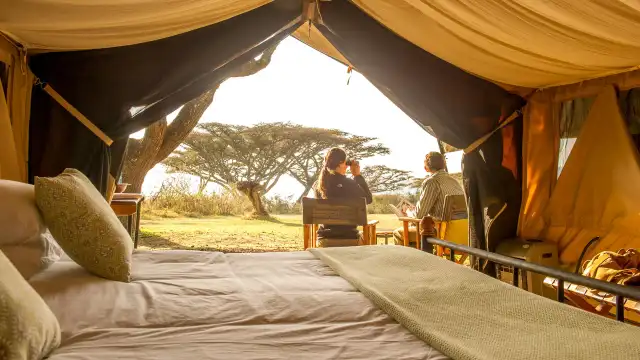
Plan a successful Tanzania camping safari with expert tips, top parks, and practical advice for comfort, safety, and unforgettable wildlife adventures
Are you interested in experiencing Africa’s raw wilderness in the most authentic way possible? A Tanzania camping safari is the ultimate adventure for travelers who want to immerse themselves in nature, sleep under canvas, and wake up to the sounds of lions roaring or elephants grazing nearby. Unlike lodge-based safaris, camping safaris place you right at the heart of the action, offering both affordability and intimacy with the wild. From the sweeping plains of the Serengeti to the dramatic landscapes of Ngorongoro Crater, this style of travel combines thrilling game drives with nights spent under star-filled skies, creating memories that last a lifetime.
A Tanzania camping safari is not just about wildlife it’s about embracing the rhythm of the bush and learning to live simply yet comfortably in remote settings. With the right preparation, you’ll enjoy the balance of adventure and safety, guided by expert operators who handle logistics while you focus on the experience. Whether you’re drawn to iconic parks like Serengeti and Tarangire or remote gems such as Ruaha and Katavi, camping safaris deliver both world-famous highlights and off-the-beaten-path encounters. This introduction sets the stage for practical tips, cost breakdowns, and park recommendations that will help you plan a successful safari adventure
Top African safari tours now
3 Days Gorilla Trekking Safari in Rwanda
3 Days Chimpanzee Trekking Safari in Nyungwe Forest, Rwanda
4 Days Nyungwe Forest National Park and Lake Kivu Safari
4 Days Golden monkeys And Gorilla Trekking Safari
5 Days Amboseli and Tsavo West Wildlife Safari
6 Days Mount Kilimanjaro Machame Route
8 Day Serengeti, Ngorongoro Crater and Zanzibar
Best safari parks to visit for Tanzania camping safari
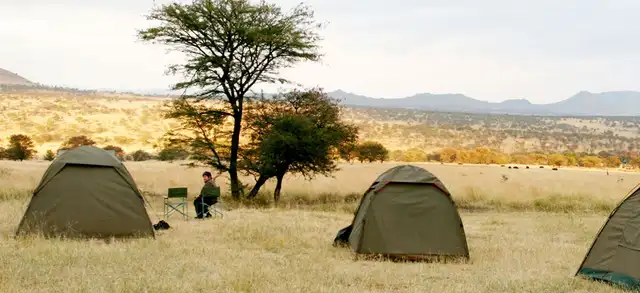
For a best and truly memorable Tanzania camping safari, the best parks to visit are those that combine iconic wildlife spectacles with authentic wilderness camping. The Serengeti and Ngorongoro Crater stand out as the ultimate highlights, offering breathtaking landscapes, dense predator populations, and the chance to witness the Great Migration. Tarangire and Lake Manyara add diversity with massive elephant herds, baobab-studded scenery, tree-climbing lions, and rich birdlife. For travelers seeking solitude and raw adventure, remote gems like Ruaha and Katavi deliver untouched wilderness with minimal crowds.
Choosing a mix of these destinations ensures your Tanzania camping safari balances world-famous highlights with off-the-beaten-path experiences. Serengeti and Ngorongoro provide the drama and density of wildlife, while Tarangire, Manyara, Ruaha, and Katavi offer intimacy and variety. Together, they create a safari circuit that caters to both first-time visitors and seasoned adventurers, blending comfort, challenge, and unforgettable encounters under canvas. This combination guarantees a camping safari that is both iconic and deeply personal
The Top 10 Tips for Doing a Successful Tanzania Camping Safari
1. Choose the Right Season But Prepare for Crowds
The dry season from June to October is the most rewarding time for a Tanzania camping safari, offering experience with clear skies and unmatched wildlife viewing. However, public campsites fill quickly, so advance booking is essential. Alternatively, the green season from November to May provides lush scenery, fewer tourists, and lower prices, though muddy roads can limit access. Whichever season you choose, balancing expectations between wildlife encounters and campsite availability is key to enjoying a Tanzania camping safari without stress.
2. Pack a Proper 3–4 Season Sleeping Bag
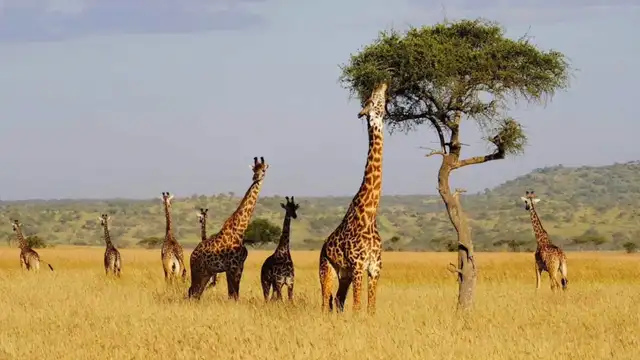
Nights on the crater rim of Ngorongoro and in the Serengeti can drop close to freezing, making a reliable sleeping bag vital for a Tanzania camping safari. Lodge bedding is often insufficient, so bring a bag rated to at least -5°C (23°F) to stay warm. This ensures comfort during chilly nights while keeping energy levels high for early morning game drives. A well-prepared traveler on a Tanzania camping safari avoids sleepless nights and maximizes the adventure.
3. Bring a Headlamp and Spare Batteries
Campsites in Tanzania lack lighting, so a headlamp is indispensable for a Tanzania camping safari. Whether cooking, setting up tents after dark, or making midnight toilet trips, hands-free illumination keeps you safe and efficient. Spare batteries are equally important, as charging facilities are rare. With reliable lighting, you’ll navigate camp confidently and avoid unnecessary hazards. A Tanzania camping safari is far more enjoyable when you’re not fumbling in the dark.
4. Use a Durable, Waterproof Tent with a Full Rainfly
Afternoon thunderstorms are common even in dry months, so a sturdy tent is non-negotiable for a Tanzania camping safari. Cheap dome tents often leak, leaving you wet and miserable. Instead, invest in or rent a high-quality waterproof tent with a full rainfly. Opt for a three-person tent for two travelers to allow extra space for gear. This ensures comfort and protection, making your Tanzania camping safari resilient against unpredictable weather.
5. Pack a Portable Power Bank (20,000 mAh+)
Electricity is scarce at public and budget campsites, so a power bank is essential for a Tanzania camping safari. Choose one with at least 20,000 mAh capacity to keep phones, cameras, and headlamps charged. Solar panels are unreliable under canvas, making a power bank the most dependable option. Staying powered ensures you capture memories and remain connected. A Tanzania camping safari is smoother when your devices don’t die mid-adventure.
6. Store Food and Toiletries in a Metal Box or Car
Wildlife like baboons, mongooses, and hyenas are notorious for raiding campsites during a Tanzania camping safari. They can rip open tents to access toothpaste or snacks. Always store scented items in a metal box or locked vehicle to prevent unwanted encounters. This simple precaution protects both your belongings and your safety. A Tanzania camping safari becomes far less stressful when you avoid nightly battles with opportunistic animals.
7. Bring a Foam Sleeping Pad or Self-Inflating Mattress
The ground in Tanzanian campsites is rocky, uneven, and often damp, making insulation crucial for a Tanzania camping safari. Air mattresses lose warmth quickly, so choose a foam pad or self-inflating mattress with an R-value above 2. This ensures comfort and warmth during cold nights. Proper sleep is vital for energy on long game drives. A Tanzania camping safari is far more rewarding when you rest well each night.
8. Layer Clothing for Extreme Temperature Swings
Temperature shifts are dramatic during a Tanzania camping safari, with freezing mornings and hot afternoons. Pack thermal base layers, fleece, and a windbreaker for early drives, then strip down to shorts and a sun hat by noon. Layering keeps you comfortable without overpacking. Being prepared for extremes ensures you enjoy every moment in the bush. A Tanzania camping safari is unforgettable when you adapt seamlessly to the climate.
9. Book with a Reputable Operator That Includes a Cook
Budget camping requires a dedicated cook, making operator choice vital for a Tanzania camping safari. Cooks handle food preparation, water purification, and dishwashing, saving you energy after long game drives. DIY cooking often leaves travelers exhausted and unprepared. A reputable operator ensures meals are safe, nutritious, and timely. A Tanzania camping safari is elevated when logistics are handled professionally, allowing you to focus on wildlife and adventure.
10. Respect Campsite Rules for Safety
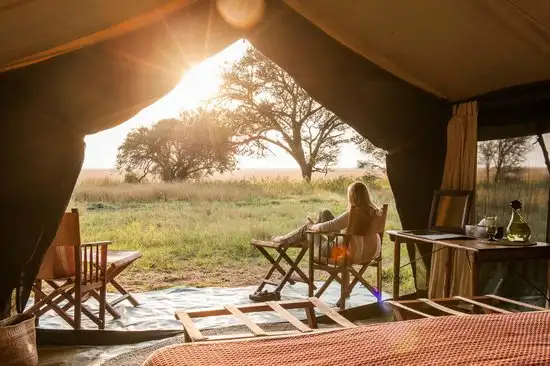
Wildlife roams freely through campsites, so safety rules are critical during a Tanzania camping safari. Never walk alone after dark, as hippos, leopards, and elephants may be nearby. Always zip your tent to keep scorpions and centipedes out, and keep a whistle and flashlight within reach. Following these rules minimizes risks and ensures peace of mind. A Tanzania camping safari is successful when safety is prioritized alongside adventure.
Best safari activities to do on a Tanzania camping safari
Morning Game Drives
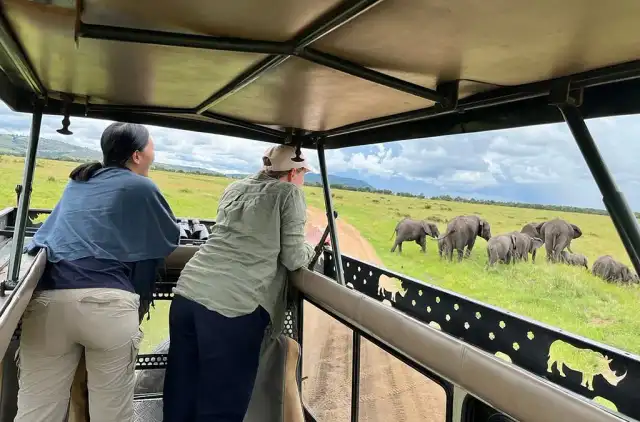
On a Tanzania camping safari, morning drives start at dawn when animals are most active. You see predators hunting before the sun gets hot. This time offers the best chances to spot lions and leopards. Your vehicle stops close to action without disturbing wildlife. A Tanzania camping safari works well here because cool temperatures keep animals moving. Bring binoculars and warm clothes for open vehicle rides. Guides know hidden waterholes where herds gather. You avoid midday heat and return to camp for breakfast. This activity uses prime wildlife hours effectively.
Night Game Drives
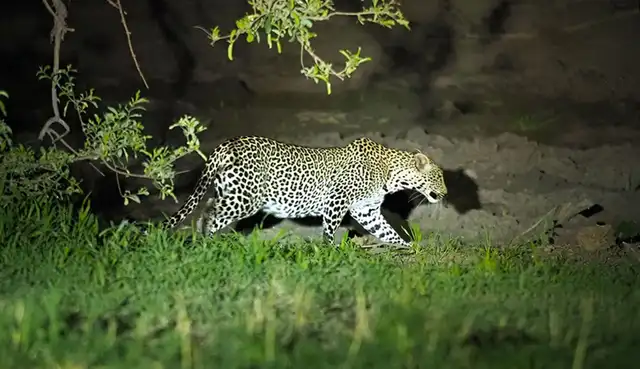
Only certain areas allow night drives, but they add huge value to your Tanzania camping safari. Spotting nocturnal animals like genets, civets, and hunting hyenas becomes possible. Your guide uses a spotlight while you stay inside the vehicle. A Tanzania camping safari feels more complete when you see the bush after dark. Nocturnal drives happen only in designated private concessions. You learn how different the savannah behaves at night. This activity solves the problem of missing evening wildlife activity. Bring extra camera batteries because darkness triggers unexpected sightings.
Walking Safaris
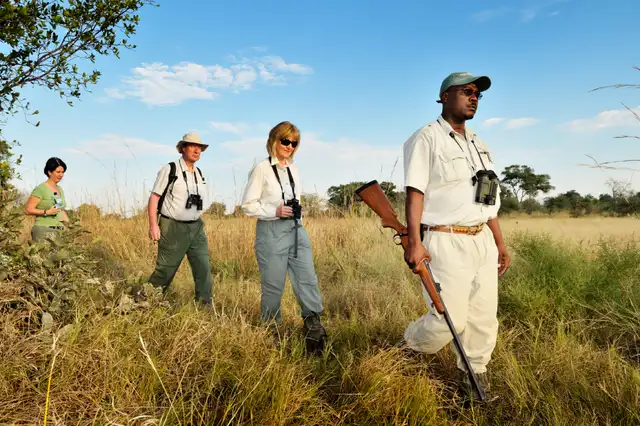
Walking with an armed guide gives you a ground-level view during your Tanzania camping safari. You learn to read animal tracks, identify dung, and spot birds hiding in grass. A Tanzania camping safari includes this activity in less crowded areas like Selous or Tarangire. Walking safaris address the concern of feeling disconnected from nature while inside vehicles. You stay quiet and downwind from larger animals. Guides teach which plants have medical uses. This activity builds confidence in the bush. Wear long pants and closed boots. Walking typically lasts two to three hours before heat rises.
Bird Watching
Tanzania has over 1,000 bird species, making bird watching a strong addition to any Tanzania camping safari. You spot bright rollers, secretary birds, and fish eagles near rivers. A Tanzania camping safari gives you early mornings and late afternoons when birds feed. This activity solves the problem of slow animal sightings by keeping you engaged. Use a bird book to mark each new find. Your guide points out nests and hunting behaviors. Bring a zoom lens for photography. Bird watching works during rest hours at camp. You do not need to drive far from your tent.
Cultural Village Visits
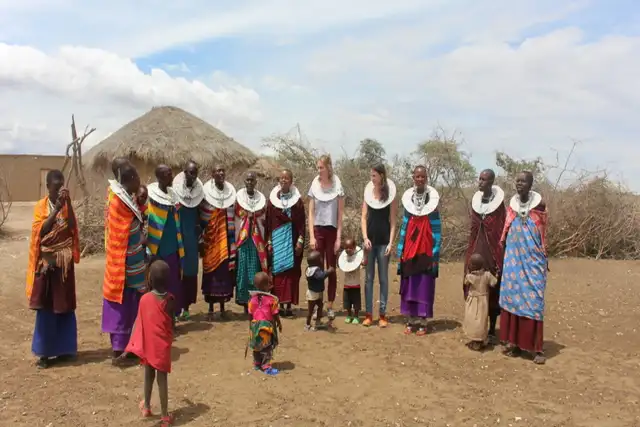
Visiting local Maasai or Hadzabe villages adds human perspective to your Tanzania camping safari. You see traditional hunting methods and fire making without staged performances. A Tanzania camping safari includes these visits near Lake Eyasi or Ngorongoro highlands. This activity addresses concerns about tourism not benefiting local people. You pay small fees directly to village elders. Guides translate and explain customs respectfully. Bring small gifts like school supplies if you wish. Cultural visits happen in mornings before heat becomes strong. You return to camp with deeper understanding of land use.
How to travel there for Tanzania camping safari
Most travelers start their Tanzania camping safari by flying into Kilimanjaro International Airport (JRO) near Arusha. Several airlines from Europe, Qatar, Turkey, and Ethiopia land here daily. From the airport, take a taxi or pre-arranged shuttle to Arusha town, which costs $30–50. Arusha serves as the main starting point where you meet your safari operator, buy last-minute supplies, and finalize payments. Some budget travelers fly into Julius Nyerere Airport in Dar es Salaam, then take a 7–8 hour bus or a 1-hour domestic flight to Arusha. Getting to Arusha is the first critical step before any camping safari begins
Overland routes work well if you combine safaris. Take a shuttle bus from Nairobi, Kenya to Arusha, which takes 5–6 hours through the Namanga border. Buses cost $15–25 and leave from Nairobi's River Road or Westlands. Once in Arusha, your Tanzania camping safari operator picks you up from your hotel. For independent travelers, daily local buses (dala-dala) connect Arusha to smaller towns near national parks, though these are crowded and less reliable. Renting a 4x4 vehicle from Arusha is possible but expensive for solo travelers. Most people find booking a package with transport included saves time and stress
How much does a Tanzania camping safari cost
A Tanzania camping safari generally costs between $200 and $250 per person per day for budget options, which include basic tents, shared vehicles, and meals prepared by a cook. Mid-range safaris, often combining camping with lodge stays and more personalized services, range from $350 to $600 per person per day, while luxury tented safaris with private vehicles, gourmet meals, and exclusive camps can reach $800 to $1,500 per person per day. Prices vary depending on the season, with the dry months (June–October) being more expensive due to peak demand. Group size, duration, and destinations also influence costs, especially in premium parks like Serengeti and Ngorongoro Crater, making a Tanzania camping safari adaptable to different budgets
Booking a Tanzania camping safari with Lamz Tours and Travel
Booking a Tanzania camping safari with Lamz Tours and Travel ensures a seamless, authentic, and value-driven adventure across East Africa’s most outstanding parks. As a trusted operator, Lamz Tours and Travel specializes in crafting itineraries that balance budget-friendly camping with professional logistics, including experienced guides, dedicated cooks, and high-quality camping gear. Travelers benefit from personalized service, transparent pricing, and expert knowledge of destinations like Serengeti, Ngorongoro Crater, and Tarangire. By choosing Lamz Tours and Travel, you avoid the stress of DIY arrangements and gain peace of mind knowing every detail from park fees to meals and safety protocols is handled with precision. A Tanzania camping safari booked through Lamz Tours and Travel guarantees not only unforgettable wildlife encounters but also comfort, security, and responsible tourism practices
Ready to plan your safari?
Talk to a Lamz Tours specialist and get a tailor-made quote.
Make an enquiry