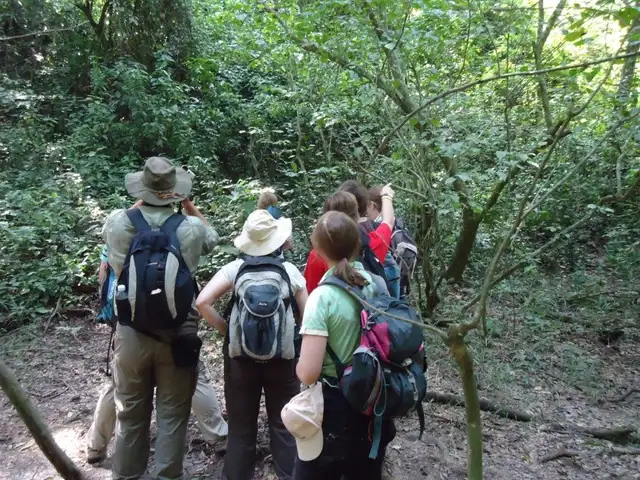
Top 10 timing and photography tips for Queen Elizabeth National Park on a safari tour Uganda to capture wildlife, landscapes, and crater lakes perfectly.
Queen Elizabeth National Park, located in western Uganda, is one of the country’s most popular wildlife destinations, offering diverse landscapes from open savannahs and wetlands to crater lakes and volcanic hills. On a safari tour Uganda, travelers can encounter elephants, lions, buffaloes, and countless bird species, while also exploring unique features like the park’s stunning crater lakes. Combining wildlife, landscapes, and cultural experiences, the park provides opportunities for photography enthusiasts to capture memorable moments and discover the natural beauty and rich biodiversity that make every safari tour Uganda truly special.
Our Best Safaris on a Safari Tours Uganda
1 Day To Jinja, Sezibwa falls and Mabira forest Hike
2-Day Kibale Safari Trekking and Chimpanzee Experience
3 Day Uganda Tour of Mgahinga Gorillas and Volcanoes Golden Monkeys
4-Day Uganda Wildlife Safari Tour to Queen Elizabeth and Lake Mburo National Parks
5-Day Safaris in Uganda to Kidepo and Murchison Falls National Parks
6-Day Gorilla Safari Uganda with the big five adventure
7 Day Uganda African safari from Ziwa rhinos, Murchison falls, Kidepo to Jinja.
8 Day wildlife Uganda safaris with chimps in Kibale forest
9 Days Best of the Uganda Safari with Gorillas
10 Days Uganda Safari Gorilla, Wildlife and Chimpanzees
11 day Uganda adventures in Bwindi with the big five
12 Day wildlife safari in Uganda with relaxation at Zanzibar
14 Days Explore Uganda and Rwanda Gorilla Trekking Safari
15 Days Gorilla Safari and wildlife in Uganda
1.Shoot Early Morning Wildlife
The best time to see and photograph animals in Queen Elizabeth National Park is early morning, shortly after sunrise, when wildlife is most active on safari tours Uganda. Lions leave their resting spots to hunt or roam, elephants begin grazing, and buffalo move in herds. The light at this time is soft and golden, reducing harsh shadows and creating flattering tones for photography. Walking trails near the crater lakes are serene, allowing quiet observation of birds, monkeys, and small mammals. Patience is key: waiting for the right moment yields memorable shots. Early morning light enhances backlight, water reflections, and shadows for a dynamic composition. Guides assist in positioning visitors safely, ensuring the perfect angle without disturbing wildlife. Taking advantage of early mornings maximises both wildlife encounters and photography success on safari tours Uganda.
2. Golden Hour Landscapes
Late afternoon, just before sunset, is called the golden hour and offers spectacular light for landscape and crater lake photography on safari tours Uganda. The sun casts warm hues across hills, valleys, and water, creating vibrant, atmospheric images. Shadows stretch across the crater lakes, emphasising their circular contours and surrounding vegetation. Wildlife becomes more active in cooler temperatures, making it possible to photograph animals with dramatic lighting. Photographers should position themselves on elevated points near lakes or hills for panoramic compositions. Reflections on calm lake surfaces are ideal for mirrored landscapes. Including villagers finishing daily tasks adds cultural depth. Adjusting exposure ensures the golden light is captured perfectly. Staying outdoors during this window allows travellers to experience natural beauty fully, creating stunning imagery and lasting memories on safari tours Uganda.
3. Use a Zoom Lens for Distant Animals
A quality zoom lens is essential for photographing wildlife safely in Queen Elizabeth National Park on safari tours Uganda. Lions, elephants, and buffalo often keep distance, and approaching too closely is dangerous. A zoom lens lets photographers capture details and behaviour without intrusion. It also provides creative framing, isolating individuals or highlighting interactions within herds. Early morning or late afternoon light enhances colours and textures, making zoomed shots more compelling. Guides recommend safe vantage points, including vehicles or elevated crater edges. Using a zoom minimises human impact on wildlife while maximising photographic opportunities. Wildlife photography requires respect and technique, and proper lens use ensures memorable images and safe encounters, central to every safari tours Uganda.
4. Wide Angle for Panoramas
Wide-angle lenses are perfect for capturing expansive landscapes around crater lakes on safari tours Uganda. The lakes sit in circular valleys surrounded by hills and open savannahs, providing ideal panoramic subjects. A wide lens emphasises scale, showing the full crater and terrain. Early morning mist or late afternoon shadows add dramatic effects. Including foreground elements such as trees, rocks, or waterbirds creates depth. Wide-angle lenses also capture environmental portraits of animals, placing them in context within their habitat. Slow trekking along crater lake trails allows photographers to find unique vantage points inaccessible by vehicles. Panoramic shots provide a broader understanding of the park’s diversity and volcanic history, creating lasting memories of a safari tours Uganda.
5. Bring a Tripod or Stabiliser
Using a tripod or stabiliser during early morning or evening photography is critical in Queen Elizabeth National Park on safari tours Uganda. Low light conditions require longer shutter speeds, which can introduce shake without support. A tripod allows precise framing for crater lakes, reflections, or panoramas. Lightweight tripods are ideal for trekking, maintaining mobility and stability. Stabilisers help capture smooth video of walking sequences or moving animals. Zoom photography benefits from stabilisation to ensure sharp images. Tripods also allow creative techniques like long exposure for water or clouds. Proper stabilisation maximises visual quality and ensures crisp, well-composed images, enhancing every moment on safari tours Uganda.
6. Protect Your Gear
Protecting cameras and lenses is essential in Queen Elizabeth National Park on safari tours Uganda. Trails can be dusty, muddy, or wet, and sudden showers occur. Waterproof covers or camera bags shield gear from moisture, while lens caps prevent dirt accumulation. Carry cloths and lens wipes for clarity. Insect repellent and sun exposure can affect equipment, so store devices safely during walking treks. Guides advise keeping gear secure but accessible. Handling equipment carefully allows photographers to focus on creativity. Protecting gear ensures durability and smooth operation, letting travellers capture landscapes, wildlife, and cultural moments without interruption, enhancing the safari tours Uganda experience.
7. Plan Midday Shots for Landscapes
While early mornings and late afternoons are ideal, midday light is excellent for certain landscapes on safari tours Uganda. The sun creates even lighting for crater lake panoramas and open savannahs. Harsh shadows can be minimised with camera settings or polarisers. Midday is perfect for capturing reflections on water and highlighting colours in vegetation and volcanic terrain. Slow trekking allows for finding foreground elements for depth. Midday photography provides variety, complementing golden-hour shots. Using this time effectively ensures a well-rounded visual record of the park and enhances overall enjoyment during a safari tours Uganda.
8. Follow Animal Behaviour
Observing animal behaviour is essential for photography in Queen Elizabeth National Park on safari tours Uganda. Anticipating movements such as hunting, grazing, or social interactions improves chances of capturing dynamic and natural images. Guides provide insight into patterns and safe distances. Understanding behaviour helps photographers position themselves strategically without disturbing animals. Patience is crucial: quiet observation often results in the best shots. Trails near crater lakes attract diverse species, including birds, monkeys, and hippos. Using behaviour knowledge enhances storytelling and ensures ethical photography practices, making wildlife shots more authentic and memorable on a safari tours Uganda.
9. Include Foreground Elements
Including foreground elements adds depth and interest to crater lake and savannah photos on safari tours Uganda. Trees, rocks, flowers, or even humans and animals in the foreground create visual layers. Elements like a canoe, a bird, or a path guide the eye into the scene. Crater Lake trails are ideal for experimenting with foregrounds without obstructing views. Combining foregrounds with natural lighting and reflections enhances composition and storytelling. This technique ensures landscapes are immersive and visually dynamic, improving both aesthetic appeal and engagement during a safari tours Uganda.
10. Respect Distance and Safety
Maintaining safe distances from wildlife is essential for both photography and safety during safari tours Uganda. Animals around crater lakes and savannahs are unpredictable, and approaching too closely can be dangerous. Using zoom lenses, binoculars, and guides allows observation without intrusion. Respecting boundaries protects wildlife and preserves natural behaviour for authentic images. Guides position visitors for optimal angles while keeping everyone safe. Awareness of terrain reduces slips and accidents. Safety-conscious photography ensures high-quality images while protecting people and wildlife, making every visit to Queen Elizabeth National Park a rewarding safari tours Uganda experience.
Best Time to Visit Queen Elizabeth National Park for Safari Tours Uganda
The best time to visit Queen Elizabeth National Park depends on what you want to see and do on safari tours Uganda. The dry seasons, from June to September and December to February, are ideal for wildlife viewing as animals gather near water sources, making game drives and crater lake treks easier and more comfortable. Roads and trails are generally more accessible, and photography conditions are favourable due to clear skies and bright sunlight. The wet seasons, from March to May and October to November, create lush green landscapes, and fewer tourists make for a quieter, more private experience. While rainfall may make some trails muddy, the scenery is dramatic and perfect for nature enthusiasts who enjoy vibrant surroundings. Understanding the seasonal patterns allows travellers to plan activities around their preferences, such as walking safaris, boat trips, and birdwatching. Choosing the right season ensures optimal comfort, wildlife encounters, and overall enjoyment during safari tours Uganda.
How to Get to Queen Elizabeth National Park on Safari Tours Uganda
Getting to Queen Elizabeth National Park is straightforward for travellers planning safari tours Uganda, with multiple transport options. By road, the journey from Kampala takes approximately six to seven hours, passing through towns, scenic countryside, and changing landscapes. This route allows visitors to see rural Uganda along the way, providing insight into local culture. For those short on time, domestic flights from Entebbe to airstrips near the park significantly reduce travel time while offering aerial views of the region. Once inside or near the park, crater lake trekking areas and wildlife sectors are accessed via short drives, guided walks, or specialised game-viewing routes. Booking with professional operators ensures permits, transportation, and timing are handled efficiently, reducing stress and maximising the safari experience. Reliable access, knowledgeable guides, and smooth logistics allow travellers to focus on exploring nature, wildlife, and culture comfortably. Well organised travel arrangements make visiting Queen Elizabeth National Park a seamless and enjoyable part of safari tours Uganda.
Top Things to Do in Queen Elizabeth National Park on Safari Tours Uganda
Queen Elizabeth National Park offers a wide range of activities that cater to every type of traveller on safari tours Uganda. Game drives allow visitors to spot elephants, lions, buffaloes, and antelopes across open savannahs. Boat trips along the Kazinga Channel provide close encounters with hippos, crocodiles, and abundant birdlife, while the crater lake trek adds a gentle walking option to explore volcanic landscapes, vegetation, and nearby communities. Birdwatching is exceptional due to the park’s diverse habitats, with rare and endemic species on display. For adventure seekers, chimpanzee tracking in Kyambura Gorge introduces a forest-based contrast to open plains, offering exciting wildlife interactions. Cultural visits to surrounding villages provide insight into local traditions, farming, and fishing practices. Combining these activities ensures a balanced itinerary, with opportunities for wildlife, landscapes, and cultural engagement. Engaging in multiple activities helps travelers fully appreciate the richness of the park and creates lasting memories during safari tours Uganda.
What to Bring for Safari Tours Uganda in Queen Elizabeth National Park
Packing appropriately enhances comfort and safety during safari tours Uganda, especially in Queen Elizabeth National Park. Light, breathable clothing is recommended for warm daytime temperatures, paired with a jacket for cooler mornings and evenings. Comfortable walking shoes with good grip are essential for Crater Lake treks and uneven trails. Accessories like hats, sunglasses, and sunscreen provide protection against strong sunlight, while insect repellent prevents bites from mosquitoes and other insects. Carrying sufficient drinking water is crucial for hydration during long walks or game drives. A small backpack is useful for organising essentials such as cameras, binoculars, field guides, and snacks. Personal medications, a basic first aid kit, and toiletries ensure well-being during excursions. Cameras or smartphones help capture wildlife, landscapes, and cultural encounters. Planning your gear carefully allows travellers to enjoy every activity without inconvenience. Thoughtful packing ensures comfort, safety, and memorable moments throughout the journey on safari tours Uganda.
Where to Stay in Queen Elizabeth National Park on a Safari Tour Uganda
Accommodation choices greatly influence comfort and convenience on a safari tour Uganda, especially in Queen Elizabeth National Park. The Park offers a wide range of lodges, camps, and resorts to suit every traveller’s budget and style. Luxury lodges provide spacious rooms, quality dining, and breathtaking views of the savannah, crater lakes, or the Kazinga Channel, ensuring a relaxing stay after full day wildlife and crater lake activities. Mid range lodges balance comfort and affordability while remaining close to key attractions, walking trails, and game drive routes. Budget friendly options provide clean, simple facilities for travellers seeking basic but comfortable lodging. Many accommodations offer guided tours, boat trips, and access to crater lake walks directly from the lodge, minimising travel time. Strategic location near activity areas allows travellers to maximise wildlife sightings and enjoy early morning or late afternoon game drives. Choosing the right place to stay enhances rest, convenience, and overall enjoyment, making your time in Queen Elizabeth National Park a memorable part of every safari tour Uganda.
Health and Safety Tips for Safari Tours Uganda in Queen Elizabeth National Park
Maintaining health and safety is vital for travellers on safari tours Uganda, particularly when exploring areas like Queen Elizabeth National Park. Before departure, consult healthcare providers for recommended vaccinations and malaria prevention measures. Carry personal medications and a basic first aid kit to address minor issues. Drinking clean, treated water prevents dehydration and illness. Following the guide instructions ensures safety near wildlife, along trails, and during boat trips. Wearing sturdy shoes and appropriate clothing reduces the risk of slips, insect bites, and sunburn. Using insect repellent protects against mosquitoes and other insects commonly found near crater lakes and wetlands. Travel insurance is strongly recommended to cover unforeseen emergencies or medical needs. Knowledgeable guides continuously assess conditions and adjust activities for safety and comfort. Being prepared and cautious allows travellers to fully enjoy the park’s wildlife, landscapes, and cultural encounters, making the adventure both safe and memorable on safari tours Uganda.
How much does a safari cost in Uganda?
The cost of a safari in Uganda varies depending on the park, duration, accommodation, and activities included on safari tours Uganda. A typical 3-5day mid range itinerary covering parks like Queen Elizabeth, Murchison Falls, or Kidepo Valley generally ranges from $300 to $400 per person per day, including accommodation, meals, park fees, and guided activities. Luxury safaris with premium lodges or private tours can rise to $600 to $900 per day, while budget options may cost around $150 to $200 per day for group tours or simpler lodges. Additional experiences, such as gorilla trekking in Bwindi or chimpanzee tracking in Kibale Forest, carry separate permit fees, significantly increasing the total cost. Travel expenses also depend on transport choices, whether private vehicles or domestic flights. Planning with a trusted operator ensures costs align with comfort, itinerary, and expectations. Considering the level of service, wildlife access, and local expertise, budgeting carefully helps travellers make the most of their adventure and ensures an organised, enjoyable safari tours Uganda.
How much do safari tours cost?
The cost of safari tours depends on factors such as itinerary, duration, accommodation type, and included activities, making planning important for travellers on safari tours Uganda. Standard group tours may start at $150 to $200 per person per day for budget options, offering shared accommodations, meals, and game drives. Mid-range safari tours, including private or semi-private arrangements with better lodges and more personalised services, range from $300 to $400 per day. Luxury safari tours with exclusive lodges, private guides, and premium experiences can exceed $600 per person per day. Add ons such as gorilla trekking permits, chimpanzee tracking, or special excursions like crater lake walks or boat trips along the Kazinga Channel may increase overall costs. Working with experienced operators ensures transport, park permits, and guided activities are included efficiently. Travellers should consider the balance between comfort, wildlife access, and affordability to maximise the value and experience of safari tours Uganda.
Which safari tour is best?
The best safari tour depends on the traveller’s interests, budget, and the type of wildlife experiences desired on safari tours Uganda. For big game enthusiasts, Murchison Falls National Park and Kidepo Valley National Park provide excellent opportunities to see elephants, lions, buffaloes, and more. Queen Elizabeth National Park is ideal for combining wildlife, crater lakes, and cultural experiences, while Bwindi Impenetrable Forest offers gorilla trekking for adventure seekers. Lake Mburo provides a peaceful setting for birdwatching and boat cruises, making it a good choice for families or photographers. The ideal safari balances game drives, walking safaris, and boat experiences according to preference. Experienced guides ensure that itineraries are optimised for wildlife sightings and comfort. Choosing the best tour involves considering timing, accommodation, and additional experiences like primate tracking or crater lake treks. Selecting the right itinerary ensures memorable moments and maximises every encounter on safari tours Uganda.
How much does it cost to go gorilla tour in Uganda?
Gorilla trekking in Uganda is a premium wildlife experience, and costs vary depending on permits, park, and tour inclusions on safari tours Uganda. In Bwindi Impenetrable Forest, permits typically cost around $700 per person for international travellers, while Mgahinga Gorilla National Park charges slightly less. Permit prices include access to the forest and professional ranger guides for trekking groups. Additional costs may include accommodation near the park, transport from major cities like Kampala or Entebbe, meals, and guide fees. Luxury lodges or private tours further increase the overall price. Budget conscious travellers can join group treks to reduce costs while still enjoying expert guidance and safety. Booking permits in advance is essential due to limited availability, especially during peak tourism seasons. The cost reflects not just the rarity of gorillas but also the conservation efforts supporting their habitat, making it a meaningful and memorable part of safari tours Uganda.
Why Book with Lamz Tours and Travel for Safari Tours Uganda in Queen Elizabeth National Park
Choosing the right operator enhances the quality of any safari, and Lamz Tours and Travel stands out for travellers planning safari tours Uganda. The company combines local expertise, knowledge of park routes, and experience with wildlife and crater lake treks. Lamz Tours and Travel offers tailored itineraries, ensuring activities are well paced, safe, and suited to traveller preferences. Guides are highly experienced in Queen Elizabeth National Park, providing detailed insights about wildlife, culture, and geological formations, including crater lakes. Attention to detail, flexibility, and reliable logistics ensure smooth transfers, accommodations, and activity management. The company supports responsible tourism by working closely with local communities, contributing to conservation and local livelihoods. Personalised service, safety, and comfort are emphasised, giving travellers confidence throughout their journey. Booking with Lamz Tours and Travel guarantees seamless experiences, meaningful encounters, and memorable adventures, making it the ideal choice for enjoying Queen Elizabeth National Park during safari tours Uganda.
Ready to plan your safari?
Talk to a Lamz Tours specialist and get a tailor-made quote.
Make an enquiry