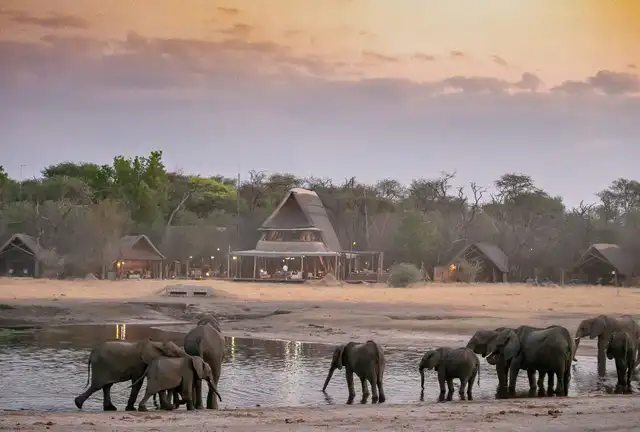
Find out the top 10 things to know before a Zimbabwe safari, including visas, packing, wildlife safety, costs, seasons, health, and travel tips.
Planning a Zimbabwe safari requires more than choosing a national park and booking accommodation. Understanding key travel details before departure can help you avoid common challenges and make better decisions throughout your trip. From visa requirements and seasonal wildlife viewing to health precautions, packing essentials, and budgeting, every step plays a role in shaping your experience. Travelers should also understand local customs, tipping practices, payment methods, and safety guidelines when around wildlife. Choosing accommodation in the right location and preparing for limited internet access can further improve your stay. Whether you are visiting Hwange National Park, Mana Pools, or other wildlife areas, being well informed helps you travel with confidence. These ten important tips will help you prepare for a successful, comfortable, and rewarding Zimbabwe safari adventure.
Best African safari packages
Top 10 things you need to know before Travelling for Zimbabwe safari
1. Check Visa and Entry Requirements Before Booking
One of the first things to confirm before planning a Zimbabwe safari is whether you need a visa and what entry conditions apply to your nationality. Some travelers can obtain a visa on arrival, while others must apply before travel. Your passport should have enough validity remaining and several blank pages for immigration stamps. If you plan to visit neighboring countries such as Botswana or Zambia during the same trip, pay close attention to visa types because a single-entry visa may not allow re-entry into Zimbabwe. Keep printed and digital copies of hotel bookings, return flight details, and travel insurance documents. Border requirements can change, so verify information before departure instead of relying on old advice from travel forums. Proper preparation helps your Zimbabwe safari begin smoothly without avoidable delays or unexpected issues.
2. Choose the Right Time of Year
The season you choose can greatly affect wildlife viewing, temperatures, and overall costs. For many visitors, the dry months between May and October are ideal because vegetation is thinner and animals gather near rivers, dams, and waterholes. Wildlife is generally easier to spot during this period, particularly in Hwange National Park. The green season brings fresh landscapes, migratory birds, and lower accommodation rates, making it attractive for travelers on a budget. However, heavy rains may affect road conditions in some remote areas. Think about what matters most to you before deciding when to travel. If your priority is wildlife viewing, timing deserves serious attention. Choosing the right season can make your Zimbabwe safari more rewarding and help you get maximum value from your Zimbabwe safari budget.
3. Pack for Changing Weather Conditions
Many first-time visitors underestimate how quickly temperatures can change during a safari day. Mornings are often cold, especially during open vehicle game drives, while afternoons can become very warm. Packing light layers allows you to adjust comfortably throughout the day. Neutral-colored clothing works best because it blends well with natural surroundings and attracts less attention from insects. Bring a hat, sunglasses, sunscreen, insect repellent, comfortable walking shoes, and a reusable water bottle. Binoculars are worth carrying because they help you see distant wildlife more clearly. Avoid filling your suitcase with unnecessary items since many camps offer laundry services. Packing carefully improves comfort and removes a lot of stress during travel. Good preparation helps you enjoy every moment of your Zimbabwe safari and stay comfortable throughout your Zimbabwe safari experience.
4. Understand Health Precautions Before Departure
Health planning is an important part of any safari holiday. Before your trip, speak with a medical professional regarding recommended vaccinations and malaria prevention for the areas you intend to visit. Bring any prescription medications you use regularly and pack enough for the entire trip. Travel insurance with emergency medical coverage is strongly recommended because some safari destinations are far from major medical facilities. Staying hydrated is also important, particularly during warmer months. Carry a small first-aid kit with basic supplies such as pain relievers, antiseptic wipes, and bandages. Following simple health precautions can prevent unnecessary interruptions during your holiday. Taking care of these details before departure gives peace of mind and allows you to focus on enjoying your Zimbabwe safari instead of worrying about health concerns during your Zimbabwe safari.
5. Bring Cash for Small Payments
Although many hotels, lodges, and tourism businesses accept cards, cash remains important in Zimbabwe. Small purchases, tips, market shopping, and certain local services may require cash payments. United States dollars are widely accepted in tourism areas, and carrying smaller denominations can be very useful because exact change is not always available. Inform your bank about your travel plans before leaving home so card transactions are less likely to be flagged as suspicious. It is also wise to carry more than one payment method in case of technical issues or temporary service interruptions. Managing money properly reduces travel stress and prevents awkward situations. Having accessible funds throughout your stay means you can focus on enjoying your Zimbabwe safari while making the most of your Zimbabwe safari experience.
6. Follow Wildlife Safety Rules at All Times
Zimbabwe offers excellent wildlife viewing opportunities, but safety should never be taken lightly. Wild animals are unpredictable, regardless of how calm they may appear. Always listen carefully to your guide and follow instructions without hesitation. Stay inside safari vehicles unless your guide specifically tells you it is safe to leave. Avoid loud conversations, sudden movements, or attempts to attract animal attention for photographs. Never feed wildlife because this can alter natural behavior and create risks for future visitors. Professional guides spend years learning how to interpret animal behavior and assess situations correctly. Respecting their decisions helps protect both visitors and wildlife. Following safety guidelines will contribute to a successful Zimbabwe safari and ensure your Zimbabwe safari remains enjoyable from start to finish.
7. Budget for Park Fees and Additional Costs
Many travelers focus only on flights and accommodation while overlooking other important expenses. National park entrance fees, conservation charges, premium activities, tips, transfers, and optional experiences can significantly affect your final budget. Ask your tour operator for a detailed breakdown of what is included and excluded before confirming your booking. Understanding these costs in advance helps you avoid surprises after arrival. It is also worth remembering that many conservation fees help support wildlife protection and park management efforts. Budgeting properly allows you to enjoy activities without constantly worrying about spending limits. A realistic financial plan creates a more relaxed holiday experience. Knowing the full cost structure beforehand will help you manage your Zimbabwe safari better and enjoy your Zimbabwe safari with greater confidence.
8. Select Accommodation Based on Location
Accommodation choice can have a major impact on the quality of your trip. A lodge located close to key wildlife areas often provides more game viewing opportunities than a property requiring long daily transfers. Review what each accommodation includes because meal plans, activities, drinks, and transport services vary considerably between properties. Families, photographers, honeymooners, and budget travelers usually have different accommodation needs, so avoid choosing solely based on price. Reading recent guest reviews can provide useful insight into service standards and overall value. Consider factors such as room comfort, guide quality, and proximity to wildlife areas. Careful research before booking often leads to a better travel experience. Choosing the right lodge can improve your Zimbabwe safari significantly and make your Zimbabwe safari more enjoyable and convenient.
9. Expect Limited Internet in Remote Areas
Many safari camps and lodges are located far from major towns, which means internet access may be slower than what you normally use at home. Mobile networks can also be weak or unavailable in certain conservation areas. Before traveling, download maps, booking confirmations, travel documents, and important contact information to your phone. Let family members know that communication may not always be immediate. Carrying a power bank is also helpful during long game drives and transfers. Limited connectivity can actually become one of the positive aspects of a safari because it allows you to focus on wildlife, nature, and time with travel companions.
Ready to plan your safari?
Talk to a Lamz Tours specialist and get a tailor-made quote.
Make an enquiry