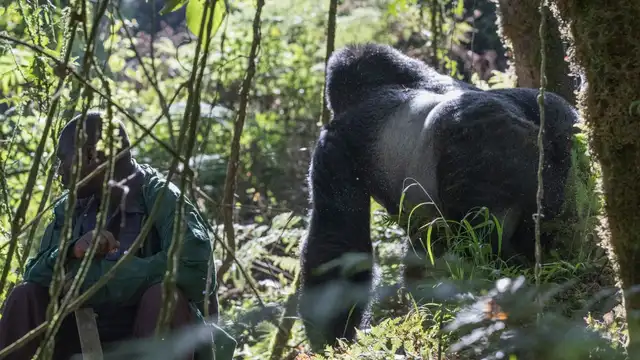
Gorilla trekking Rwanda permits, packing, health rules, porters, photography, and emotional impact everything you need to plan smart and trek responsibly.
Gorilla trekking Rwanda is one of the most powerful wildlife experiences available today, but it requires preparation, awareness, and respect. This isn’t a casual walk in the forest it’s a physically demanding hike through steep, muddy terrain at high altitudes, often lasting several hours. Permits are expensive and limited, and strict health and behavior rules are enforced to protect the gorillas. You’ll be assigned a specific gorilla family based on your fitness level, and once you reach them, you’ll have just one hour to observe and photograph. That hour is sacred, and every moment counts. Packing the right gear, hiring a porter, and being honest about your physical ability all contribute to a safer and more rewarding trek.
Beyond the physical challenge, gorilla trekking Rwanda is deeply tied to conservation and community development. Your permit fee supports anti-poaching efforts, local schools, and health clinics. Photography has clear rules, and cultural sensitivity is expected throughout your visit. Many travelers describe the experience as emotionally overwhelming locking eyes with a silverback or watching young gorillas play leaves a lasting impression. This guide covers the top 10 things you must know before your trek, helping you prepare smartly and respectfully. Whether you're planning months ahead or refining final details, these insights will help you make the most of your gorilla trekking Rwanda experience
best Gorilla trekking Rwanda packages
2 day Gorilla trekking safari in Rwanda
2 Days Nyungwe Chimpanzee and Canopy Walk Safari in Rwanda
3 Days Gorilla and Golden Monkey Trekking Rwanda Tour
3 Days Safari to Rwanda and Uganda Gorilla Trekking
4 Days Luxury Gorilla Tracking Rwanda Tour
4 Days Primate Safari to Rwanda with Gorillas and Chimps
5 Days in Rwanda with Gorillas and Akagera Big Five Safari
8 Days Rwanda Cultural and Primate Experience
3Days Rwanda Safari Holiday with Gorilla Trekking
12 Days Rwanda Safari in Volcanoes, Nyungwe and Akagera National Park
15 Days Great East African Safari (Rwanda, Uganda, Kenya and Tanzania)
Top 10 Things You Must Know About Gorilla Trekking Rwanda
It’s a Physically Demanding Activity But Worth It
Gorilla trekking Rwanda involves hiking through steep, muddy, and high-altitude rainforest terrain, often above 2,500 meters. Treks can last from 30 minutes to over 4 hours each way, depending on the gorilla family's location. To enjoy gorilla trekking Rwanda, you need to be in decent physical shape. Start cardio and leg-strengthening exercises weeks before your trip. The terrain is unpredictable, and weather can shift quickly. The effort is real, but the reward is powerful seeing gorillas in their natural habitat makes every step worth it. Don’t underestimate the challenge, but don’t let it stop you either.
Permits Are Expensive and Must Be Booked Far in Advance
A gorilla trekking Rwanda permit costs $1,500 per person and is essential for conservation. This fee supports park protection, anti-poaching efforts, and local communities. Permits are limited and sell out months ahead, especially during peak seasons like June to September and December to February. To secure your spot for gorilla trekking Rwanda, book 6–9 months in advance through the Rwanda Development Board or a trusted tour operator. Last-minute bookings rarely succeed. Planning early ensures you get your preferred dates and helps avoid disappointment.
You Will Be Assigned a Specific Gorilla Family
During gorilla trekking Rwanda, you won’t choose your gorilla family. Rangers assign you to one of the habituated groups based on your fitness level and trekking preference. Some families are closer to the park boundary, while others require longer hikes. Be honest about your physical ability shorter treks can be just as rewarding. Gorilla trekking Rwanda is carefully managed to protect both visitors and gorillas, and assignments help balance the experience. Trust the process and focus on the quality of the time spent with the gorillas, not the length of the hike.
The Golden Hour Is Strictly Enforced
Once you find the gorilla family during gorilla trekking Rwanda, you’re allowed only one hour with them. This rule protects the gorillas from stress and overexposure to humans. Use your time wisely take photos, but also pause to observe their behavior. Guides will help manage the timing and ensure safety. Gorilla trekking Rwanda is not about quantity but quality. That hour is your chance to witness gorillas eating, playing, and interacting naturally. Respect the limit and make the most of every minute without rushing or over-focusing on your camera.
Health Rules Are Non-Negotiable
Gorilla trekking Rwanda has strict health protocols to protect the gorillas from human diseases. You must stay at least 7 meters away, and if you’re sick with a cold, cough, or fever, you won’t be allowed to trek. Even sneezing or coughing near the gorillas requires turning away. These rules are enforced without exception. Gorilla trekking Rwanda prioritizes the wellbeing of the animals, and your cooperation is essential. If you’re feeling unwell, it’s better to postpone than risk harming the gorillas. Respecting these rules shows care and responsibility.
What to Pack Is Crucial for Your Comfort
Packing smart is key to enjoying gorilla trekking Rwanda. Bring waterproof hiking boots with ankle support, gaiters to protect your legs, and a rain jacket for sudden showers. Gardening gloves help when grabbing vines, and a daypack should carry water, snacks, and your camera. A waterproof bag or cover protects electronics. Gorilla trekking Rwanda takes place in unpredictable mountain conditions, so gear matters. Break in your boots before the trip and test your rainwear. Being prepared means less discomfort and more focus on the experience.
The Porters Are a Game-Changer
Hiring a porter during gorilla trekking Rwanda is highly recommended. For $15–$20, they’ll carry your backpack and assist you through steep or slippery sections. This support makes the trek easier and safer, especially on longer routes. Gorilla trekking Rwanda also benefits from this service economically porters are often locals, and your payment helps support their families and communities. It’s a small cost for a big impact. Many trekkers say hiring a porter was the best decision they made. It’s practical, respectful, and empowering for everyone involved.
The Cultural and Conservation Context Is Profound
Gorilla trekking Rwanda is more than a wildlife experience it’s part of a national conservation success story. A portion of your permit fee funds schools, clinics, and community projects. Visiting places like the Iby’Iwacu Cultural Village adds depth to your trip. Gorilla trekking Rwanda connects you to the people who protect these animals and benefit from tourism. Understanding this context makes the experience more meaningful. You’re not just seeing gorillas you’re supporting a system that values wildlife and human wellbeing together.
Photography Has Specific Rules
During gorilla trekking Rwanda, photography must follow strict guidelines. Flash is banned, and your camera should be on silent mode. Guides will tell you when it’s safe to take photos and may ask you to move if you’re blocking a gorilla’s path. Gorilla trekking Rwanda is about respectful observation, not intrusive documentation. A good zoom lens helps, but you don’t need bulky gear. Bring a rain cover for your camera and focus on capturing moments without disturbing the animals. Follow instructions and prioritize the gorillas’ comfort over your shot.
It Is an Emotionally Overwhelming Experience
Gorilla trekking Rwanda often leaves people deeply moved. Seeing a silverback up close or watching young gorillas play can trigger strong emotions. Their intelligence and behavior feel familiar, and the connection is powerful. Gorilla trekking Rwanda is not just about wildlife it’s about witnessing something rare and real. Be prepared to feel humbled, reflective, or even tearful. Let yourself absorb the moment without rushing. This experience stays with you long after the trek ends, and many travelers say it changed how they see nature and conservation
Best time to go for Gorilla trekking Rwanda
The best time to go for gorilla trekking Rwanda is during the dry seasons: June to September and December to February. These months offer the most reliable conditions for hiking through Volcanoes National Park, with less rain, firmer trails, and clearer visibility for photography and wildlife viewing. The dry season also aligns with Rwanda’s peak travel period, so permits sell out quickly booking 6 to 9 months in advance is strongly advised. During this time, the forest is less slippery, and the chances of uninterrupted trekking are higher, making it ideal for travelers seeking comfort and consistency.
Gorilla trekking Rwanda is possible year-round, but the rainy seasons March to May and October to November bring challenges. Trails become muddy and steep, and visibility can be limited due to mist and rain. However, this period offers fewer crowds and lush, green scenery, which some travelers prefer. It’s also a good time for birdwatching and seeing newborn gorillas. Lodges may offer lower rates during the wet season, but flexibility and preparation are key. If you choose to trek during these months, pack waterproof gear and expect slower hikes. Ultimately, the dry season remains the most practical and rewarding time for gorilla trekking Rwanda
How to get there to gorilla trekking Rwanda
To get to gorilla trekking Rwanda, most travelers fly into Kigali International Airport (KGL), which is well-connected to major hubs like Nairobi, Addis Ababa, and Doha. From Kigali, it’s a 2.5 to 3-hour drive to Volcanoes National Park, the base for all gorilla trekking activities. The road is paved and scenic, passing through rolling hills and small towns. Many tour operators offer private transfers in comfortable vehicles, and some luxury lodges include transport in their packages. It’s best to arrive in Kigali at least a day before your trek to allow time for rest and final preparations.
Once in the park region, most travelers stay in lodges near Kinigi or Musanze, which are just minutes from the park headquarters. On the morning of your trek, you’ll report to the headquarters for a briefing and group assignment. Transport to the trailhead is usually arranged by your lodge or guide. For gorilla trekking Rwanda, having a reliable operator ensures smooth logistics, including permit coordination, transfers, and gear support. If you're combining gorilla trekking Rwanda with other destinations like Akagera or Nyungwe, plan your route carefully to avoid long drives and maximize your time in each location
Best days to spend on gorilla trekking Rwanda
For gorilla trekking Rwanda, plan to spend at least 3 to 4 days in the Volcanoes National Park region to make the most of your experience. This allows one full day for the trek itself, plus buffer days for arrival, acclimatization, and optional activities like golden monkey tracking or cultural visits. Staying multiple days increases flexibility in case of weather changes or permit scheduling. It also gives you time to rest before and after the physically demanding hike. For travelers combining gorilla trekking Rwanda with other destinations like Nyungwe or Akagera, 4 to 6 days in the north ensures a well-paced itinerary without rushing
How much does gorilla trekking Rwanda tour cost
A gorilla trekking Rwanda tour typically costs between $2,000 and $5,000 per person for a 3–5 day package, depending on the level of accommodation, transport, and added activities. The core expense is the gorilla trekking permit, priced at $1,500 per person for foreign non-residents in 2025. This includes park entry, ranger guides, and one hour with the gorillas. Mid-range tours often include private transfers from Kigali, full-board lodging near Volcanoes National Park, and optional cultural visits or golden monkey tracking. Luxury packages may add helicopter transfers, premium lodges, and personalized guiding. Budget options exist but still require the full permit fee. Booking early is essential, especially for peak seasons, as permits are limited and sell out months in advance
Top tips for booking gorilla trekking Rwanda
When booking gorilla trekking Rwanda, the most important step is securing your permit early ideally 6 to 9 months in advance, especially for peak seasons (June–September and December–February). Permits cost $1,500 per person and are limited to protect the gorillas and manage visitor numbers. Work with a reputable tour operator or book directly through the Rwanda Development Board to ensure accuracy and avoid scams. Choose your travel dates based on weather and trail conditions, and confirm your fitness level to help match you with an appropriate gorilla family. If you're planning to visit other parks or regions, build in buffer days to avoid rushed transfers.
Also consider the full package beyond the trek. Book accommodation near Volcanoes National Park Kinigi and Musanze have options ranging from mid-range lodges to luxury retreats. Ask your operator about included services like transfers, meals, porters, and gear rental. If you want to add golden monkey tracking, cultural visits, or extra hikes, include those in your itinerary early. Gorilla trekking Rwanda is a physically demanding and emotionally rich experience, so plan for rest days before or after the trek. Travel insurance that covers medical and cancellation is highly recommended, and always double-check visa and vaccination requirements before arrival
Best heal, safety and cultural tips for gorilla trekking Rwanda
For health and safety during gorilla trekking Rwanda, start by preparing physically cardio and leg-strengthening exercises are essential for handling steep, muddy trails at high altitude. Wear waterproof hiking boots with ankle support, pack insect repellent, and bring at least 2 liters of water. If you’re sick with a cold, cough, or fever, you won’t be allowed to trek, as gorillas are highly vulnerable to human illnesses. Always maintain a 7-meter distance from the gorillas, and turn away if you need to sneeze or cough. Hiring a local porter helps with gear and footing, and supports community livelihoods. Travel insurance that covers medical issues and cancellations is highly recommended.
Culturally, gorilla trekking Rwanda is deeply tied to conservation and community development. Respect local customs by dressing modestly in villages and lodges, and always ask before taking photos of people. Tipping guides, porters, and lodge staff is appreciated and helps sustain local involvement in tourism. Consider adding a visit to the Iby’Iwacu Cultural Village to learn how tourism supports education, healthcare, and conservation. Be punctual for briefings and follow ranger instructions closely they’re trained to protect both visitors and gorillas. Your behavior matters: being respectful, quiet, and cooperative enhances the experience for everyone and supports Rwanda’s conservation success
What to bring for gorilla trekking Rwanda
For gorilla trekking Rwanda, pack waterproof hiking boots with strong ankle support, gaiters to protect your legs from mud and nettles, and a lightweight rain jacket for sudden showers. Bring gardening gloves for gripping vines, a daypack with at least 2 liters of water, energy snacks, and a camera with a silent shutter and zoom lens. Include a waterproof bag or cover for electronics, sunscreen, insect repellent, and a hat. Dress in long-sleeved shirts and trousers in neutral colors to blend into the forest. A walking stick (often provided) and a small first aid kit are useful additions. Don’t forget your passport and permit confirmation these are required at park check-in. Being well-prepared makes gorilla trekking Rwanda safer, more comfortable, and easier to enjoy.
Best places to stay in during gorilla trekking Rwanda
Top places to stay during gorilla trekking Rwanda include One&Only Gorilla’s Nest, Bisate Lodge, and Sabyinyo Silverback Lodge, all located near Volcanoes National Park for easy access to the trekking start point. These lodges offer private cottages, personalized service, and stunning views of the Virunga Mountains. One&Only Gorilla’s Nest is known for its luxury spa and forest immersion, while Bisate Lodge combines eco-conscious design with high-end comfort. Sabyinyo Silverback Lodge offers spacious rooms and strong community ties. Staying close to Kinigi or Musanze ensures timely arrival for your trek briefing and minimizes travel stress. For gorilla trekking Rwanda, choosing a lodge with reliable service, good food, and proximity to the park headquarters makes your experience smoother and more enjoyable
Why book gorilla trekking Rwanda with Lamz Tours and Travel
Booking gorilla trekking Rwanda with Lamz Tours and Travel guarantees a well-organized, ethical, and personalized experience from start to finish. Our team handles everything from securing hard-to-get permits and arranging comfortable transfers to matching you with the right lodge and trek level based on your fitness and preferences. Lamz Tours and Travel avoids generic packages and focuses on traveler needs, offering expert guides, community engagement options, and flexible itineraries that respect both wildlife and local culture. With deep regional knowledge and strong conservation values, Lamz Tours and Travel ensures your gorilla trekking Rwanda tour is smooth, meaningful, and worth every dollar
Ready to plan your safari?
Talk to a Lamz Tours specialist and get a tailor-made quote.
Make an enquiry