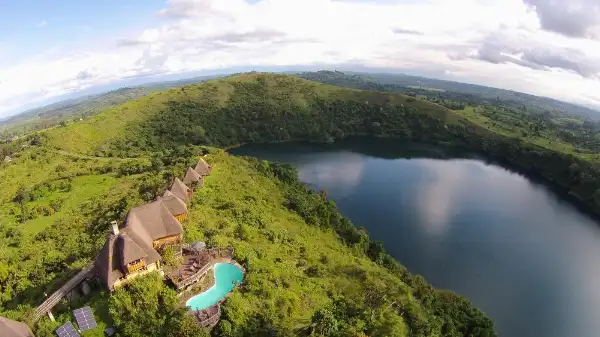
10 reasons to join the Crater Lake Trek on your Uganda Safari in Queen Elizabeth National Park for wildlife, culture, and natural landscapes.
Queen Elizabeth National Park in western Uganda is a wildlife haven, featuring diverse landscapes from savannahs and wetlands to volcanic hills. Among its unique attractions are the crater lakes, formed by ancient volcanic activity, which support wildlife and nearby communities. For travellers on a Uganda safari, the Crater Lake Trek provides an opportunity to explore these lakes on foot, noticing details that vehicles often overlook. The trek provides peaceful trails, birdwatching opportunities, and cultural insights, adding depth and variety to any Uganda safari in Queen Elizabeth National Park.
Our Best Safaris on a Uganda Safari.
1 Day To Jinja, Sezibwa falls and Mabira forest Hike
2-Day Kibale Safari Trekking and Chimpanzee Experience
3-Day Uganda Safari to Kidepo Valley National Park
4-Day Uganda Wildlife Safari Tour to Queen Elizabeth and Lake Mburo National Parks
5 Day Visit Gorillas in Africa Uganda with Golden Monkeys and Chimps
6-Day Bwindi Gorilla Trekking with gorillas in Rwanda
7 Day Best of Uganda Wildlife Safari with Gorilla Experience
8 Day wildlife Uganda safaris with chimps in Kibale forest
9-Day Uganda African Big Five Safari Experiences with Ziwa Rhinos
10 Days Uganda Ultimate Primate Safari
11 day Uganda adventures in Bwindi with the big five
12 Day Uganda, Rwanda primate safaris with the big five in Akagera
14 Days Explore Uganda and Rwanda Gorilla Trekking Safari
15 Day Uganda Safari Parks Round Trip, Gorillas and Chimps Inclusive
1. Walking Adventure on a Uganda Safari in Queen Elizabeth National Park
Many travellers think safaris are only about vehicles, but adding a walking activity brings a refreshing balance, especially on a trip that includes a Uganda safari. The crater lake trek allows visitors to move slowly through Queen Elizabeth National Park, observing nature at ground level rather than passing by quickly. Walking makes it easier to notice plant life, bird calls, and the shapes of volcanic terrain that define this area. Guides share clear explanations about the land while keeping the pace relaxed and comfortable. Regular stops are made for rest, photos, and conversation, making the trek suitable for most fitness levels. This activity breaks up long driving days and helps travellers stay active without feeling tired. It also encourages a deeper appreciation of the park beyond wildlife viewing. By adding a walking element, the itinerary feels more balanced and thoughtfully planned, making the journey richer overall on a Uganda safari.
2. Crater Lake Views During a Uganda Safari Shaped by Volcanic History
The landforms found in Queen Elizabeth National Park add depth to any journey, and the crater lake trek highlights this beautifully during a Uganda safari. As you walk, elevated points open up to wide views of crater lakes formed by ancient volcanic activity. Each lake sits quietly within circular valleys shaped over thousands of years. Guides explain how these formations developed and why they continue to support wildlife and nearby communities. The open views allow travellers to pause and absorb their surroundings without pressure. The contrast between hills, water, and vegetation shows the park’s natural diversity. These moments help visitors understand the scale and structure of the land. Such insight adds meaning to the journey and strengthens appreciation for the destination, leaving a lasting impression from a Uganda safari.
3. Cultural Encounters on a Uganda Safari Along the Crater Lake Trail
Cultural interaction adds strong value to travel, and the crater lake trek naturally creates these moments during a Uganda Safari. The walking route passes through nearby villages where farming and fishing shape daily life. Travellers may meet local residents tending crops or heading to the lakes, often offering friendly greetings. Guides explain how communities depend on the land while living close to protected areas. These interactions give insight into traditions and routines rarely seen from a vehicle. Instead of observing culture from a distance, visitors gain understanding through respectful contact. This connection helps travellers appreciate Uganda beyond wildlife sightings. Seeing how people and nature coexist builds awareness and respect for local life. Such meaningful interactions enrich the journey and add depth to any Uganda safari.
4. Birdlife Encounters on a Uganda Safari During the Crater Lake Trek
Birdlife plays an important role in Queen Elizabeth National Park, and the crater lake trek offers rewarding sightings during a Uganda safari. The mix of forest edges, open paths, and water sources attracts many bird species throughout the year. Walking quietly allows closer observation as birds are less disturbed than during vehicle activities. Guides help identify species through sound, movement, and colour, making the walk informative and engaging. The slow pace allows time to observe behaviour rather than brief sightings. Even travellers new to birdwatching enjoy learning in this calm setting. Bird activity adds movement and sound to the trek, keeping it engaging. These encounters broaden what travellers see beyond mammals alone, adding value to a Uganda safari
5. Gentle Physical Activity on a Uganda Safari Through Natural Landscapes
Long drives are common on safari, so gentle movement becomes important, especially when planning a Uganda safari. The crater lake trek provides a moderate walking activity suitable for many visitors. Trails are manageable, with gentle slopes that keep the walk comfortable. Fresh air and open surroundings help improve energy while clearing the mind. Guides adjust the pace to suit the group and include regular stops for rest and explanations. This ensures the walk remains enjoyable rather than tiring. Staying active in this way supports overall comfort throughout the trip. Many travellers appreciate the chance to stretch their legs while still learning about the environment. This balance between activity and relaxation helps maintain energy across the entire Uganda safari.
6. Learning About Volcanic Geography on a Uganda Safari Crater Lake Trek
Understanding the land adds meaning to travel, and the crater lake trek offers strong educational value during a Uganda safari. Guides explain how volcanic eruptions and land shifts formed the crater lakes millions of years ago. This knowledge helps travellers understand why the soil is fertile and why communities thrive around the lakes. Learning happens naturally during the walk, making it easy to follow and engaging. These explanations deepen respect for nature and conservation. Instead of simply viewing the landscape, visitors gain insight into how it came to exist. This awareness adds depth to every stop along the trail. Knowledge gained during the trek stays with travellers long after the walk ends, strengthening the impact of a Uganda safari
7. Quiet Walking Routes on a Uganda Safari Away From Busy Game Areas
Quiet moments are valuable on any journey, and the crater lake trek provides this calm during a Uganda safari. The walking routes are less crowded than popular game-drive tracks, allowing visitors to enjoy nature without distractions. Natural sounds replace vehicle noise, creating a relaxed atmosphere. This setting makes it easier to focus on surroundings and conversation. Guides maintain an unhurried pace, ensuring comfort throughout the walk. The sense of space and privacy makes the trek feel personal and enjoyable. These calm moments balance busy safari days and help travellers feel refreshed. Peaceful walking routes add emotional value to a Uganda safari.
8. Landscape Photography Opportunities on a Uganda Safari Crater Lake Walk
Photography on safari goes beyond animals, and the crater lake trek supports this well during a Uganda safari. Open viewpoints, rolling hills, and calm water surfaces create strong visual scenes. Because the walk is slow, photographers have time to plan and adjust shots carefully. Natural light during different times of day adds depth and contrast. Even casual photographers capture memorable images due to clear views and minimal disturbance. These photos highlight Uganda’s landscapes rather than wildlife alone. Such variety adds richness to travel memories and storytelling. Landscape images taken during the trek complement game-drive photos and complete the visual story of a Uganda safari.
9. Family-Friendly Trek on a Uganda Safari for All Age Groups
Travel is more enjoyable when activities suit everyone, and the crater lake trek fits well into a Uganda safari for families and mixed groups. The moderate pace allows children, adults, and older travellers to walk comfortably. Guides prioritise safety and adapt routes based on group needs. Children enjoy learning about nature, volcanoes, and village life, while adults value the cultural and educational elements. Walking together encourages conversation and bonding. Shared moments along the trail often become highlights of the trip. This inclusiveness makes the trek a practical addition to group itineraries. Activities that suit all ages help create lasting shared memories on a Uganda safari.
10. Balanced Addition to Wildlife Activities on a Uganda Safari
A well planned itinerary includes variety, and the crater lake trek adds balance to wildlife activities during a Uganda safari. After game drives, boat cruises, or primate tracking, the walk offers a slower pace and a different focus. It highlights landscapes, culture, and geological history, giving a broader view of Queen Elizabeth National Park. This variety prevents fatigue and keeps the journey engaging. Travellers return from the trek refreshed and more connected to the destination. Including walking activities ensures the trip feels complete rather than rushed. The trek adds depth without pressure, strengthening the overall quality of a Uganda safari.
Best Time to Visit on a Uganda Safari to Queen Elizabeth National Park
Planning travel seasons matters, and timing plays an important role when organizing a trip that includes a Uganda safari to Queen Elizabeth National Park. The Park can be visited year-round, but the dry seasons from June to September and December to February are generally preferred. During these months, roads are more accessible, walking trails are safer, and wildlife viewing is easier as animals gather near water sources. The crater lake trek is more comfortable during dry periods because paths are less slippery and visibility across the landscape is clearer. The wet seasons, from March to May and October to November, bring greener surroundings and fewer visitors, which some travellers prefer. However, rainfall can make trekking routes muddy and slow. Choosing the right season depends on travel style, comfort level, and itinerary balance. Understanding seasonal changes helps travellers plan better and enjoy each activity fully on a Uganda safari.
How to Get There on a Uganda Safari to the Crater Lakes Area
Accessing Queen Elizabeth National Park is straightforward, especially for travellers planning a Uganda safari that includes the Crater Lake trek. The Park lies in western Uganda and can be reached by road or air. By road, the journey from Kampala takes approximately six to seven hours, passing through towns, countryside, and changing landscapes. This route allows travellers to see rural Uganda along the way. Domestic flights are also available from Entebbe to airstrips near the park, reducing travel time significantly for those with limited schedules. Once inside or near the park, the crater lake areas are accessed by short drives followed by guided walks. Professional tour operators handle transfers, permits, and timing to ensure smooth movement. Reliable transport and proper planning make reaching the park stress-free and comfortable. Good access is one reason many travellers choose this destination on a Uganda safari.
Things to Do on a Uganda Safari in Queen Elizabeth National Park
A trip built around a Uganda safari in Queen Elizabeth National Park offers a wide range of activities that go beyond traditional game drives. Visitors can enjoy wildlife viewing in different sectors of the park, spotting elephants, buffaloes, lions, and antelopes. Boat trips along the Kazinga Channel provide close views of hippos, crocodiles, and water birds. The crater lake trek adds a walking activity that focuses on landscapes, geology, and village life. Chimpanzee tracking in Kyambura Gorge offers a forest based contrast to open savannah areas. Birdwatching is popular throughout the park due to the varied habitats. Cultural visits to nearby communities provide insight into local traditions and daily life. This mix of activities creates variety and balance, ensuring travellers stay engaged throughout their trip. Such diversity makes the park a strong choice for a well-rounded Uganda safari.
What to Bring for a Uganda Safari and Crater Lake Trek
Packing correctly improves comfort and safety when preparing for a Uganda safari that includes walking activities like the Crater Lake trek. Light, breathable clothing is recommended due to warm daytime temperatures, along with a light jacket for early mornings. Comfortable walking shoes with good grip are essential for uneven trails. A hat, sunscreen, and sunglasses help protect against the sun during open walks. Carrying enough drinking water is important to stay hydrated throughout the trek. Insect repellent is useful, especially near water and vegetation. A small backpack helps keep personal items organised during walks. Cameras or smartphones are useful for capturing landscapes and daily moments along the trail. Personal medications and basic toiletries should also be included. Packing thoughtfully ensures travelers remain comfortable and focused on enjoying their journey during a Uganda safari.
Where to Stay on a Uganda Safari in Queen Elizabeth National Park
Accommodation choices greatly influence comfort during a Uganda safari in Queen Elizabeth National Park. The area offers a wide range of lodges and camps to suit different budgets and travel styles. Luxury lodges provide spacious rooms, good dining, and views over the park or water bodies. Mid range lodges balance comfort and affordability while remaining close to key activity areas. Budget options are also available for travellers seeking simple but clean facilities. Many lodges are strategically located to reduce driving time to game-drive routes, the crater lakes, or the Kazinga Channel. Staying near activity areas allows for flexible scheduling and relaxed mornings. Most lodges offer guided activities, meals, and knowledgeable staff familiar with the park. Choosing the right accommodation ensures rest and convenience, which enhances the overall quality of a Uganda safari.
Health and Safety Tips on a Uganda Safari Tour
Staying healthy and safe is essential when undertaking a Uganda safari, especially one that includes walking activities. Travellers are advised to consult healthcare providers before travel regarding recommended vaccinations. Carrying personal medications and a basic first aid kit is important. Drinking bottled or treated water helps prevent dehydration and illness. During the crater lake trek, following guide instructions ensures safety on trails and around wildlife. Wearing suitable footwear reduces the risk of slipping or injury. Using insect repellent helps protect against bites. Guides are trained to assess conditions and adjust activities when necessary. Travel insurance is strongly recommended for peace of mind. Being prepared and following professional guidance allows travellers to relax and enjoy their journey fully on a Uganda safari.
How much does a safari cost in Uganda?
The cost of a safari in Uganda varies depending on the type of trip, level of accommodation, activities, and duration, making budgeting an important step for travellers planning a Uganda safari. For a standard 3-5days itinerary covering Murchison Falls, Queen Elizabeth, or Kidepo Valley, prices for mid range lodges generally start around $300 to $400 per person per day, including accommodation, meals, park fees, and guided activities. Luxury safaris with premium lodges or private tours can go upwards of $600 to $900 per day. Budget travellers can find more affordable options, particularly for group tours or simpler lodges, with costs around $150 to $200 per day. Add-ons like gorilla trekking permits in Bwindi or chimp tracking in Kibale can increase the cost significantly. The price reflects access to wildlife, guides, transport, and local expertise. Planning with a trusted operator helps match budget with comfort, safety, and activity options, ensuring a memorable Uganda safari.
Is Uganda good for safaris?
Uganda is widely recognised as a prime destination for wildlife travel, making it an excellent choice for a Uganda safari. The country offers diverse ecosystems, from savannahs and wetlands to tropical forests and crater lakes, each supporting a wide variety of animals. Travellers can expect to see elephants, lions, leopards, hippos, buffaloes, and many antelope species, along with hundreds of bird species. Parks like Murchison Falls, Queen Elizabeth, Kidepo Valley, and Bwindi provide different safari experiences, including game drives, boat trips, and guided walks. Uganda’s smaller, less crowded parks compared to other African countries allow for more intimate encounters with wildlife. The combination of biodiversity, easy accessibility, and knowledgeable guides enhances the overall safari experience. Whether for families, birdwatchers, or big game enthusiasts, Uganda provides both comfort and adventure, creating a journey that satisfies diverse traveler interests and expectations on a Uganda safari.
Are there safaris in Uganda?
Yes, Uganda offers a wide range of safari options across the country, making it a compelling destination for travelers seeking wildlife adventures and nature immersion through a Uganda safari. National parks such as Queen Elizabeth, Murchison Falls, Kidepo Valley, and Lake Mburo provide opportunities for game drives, walking safaris, and boat cruises. Visitors can witness large herds of elephants, lions resting under acacia trees, buffaloes grazing, and hippos in rivers. Uganda also offers unique experiences like chimpanzee tracking in Kibale Forest or gorilla trekking in Bwindi Impenetrable Forest. Birdwatchers can enjoy over 1,000 recorded species, including rare and endemic birds. Safari tours can be tailored to suit budgets, group sizes, and interests, with options ranging from basic camping to luxury lodges. Professional guides enhance safety, logistics, and wildlife observation, ensuring travelers get the most from each visit. The variety and accessibility confirm that safaris in Uganda are diverse, exciting, and highly recommended on a Uganda safari.
What is the Big Five safari in Uganda?
The Big Five safari in Uganda refers to observing five of Africa’s most iconic animals lion, leopard, elephant, buffalo, and rhinoceros during a wildlife-focused Uganda safari. While Uganda does not have wild rhinos in all parks, Murchison Falls National Park and Ziwa Rhino Sanctuary allow sightings or tracking of rhinos, completing the Big Five experience. Game drives in savannah areas, such as those in Murchison Falls or Kidepo Valley, provide opportunities to encounter lions, elephants, and buffalo. Leopards, being nocturnal and elusive, require patience and expert guidance. Guided safaris increase the chances of spotting all five species while ensuring safety and understanding of animal behaviour. Visitors can combine game drives with boat trips along rivers, walking safaris, and cultural visits to enhance their trip. The Big Five safari highlights Uganda’s rich biodiversity and makes it a standout destination for travelers seeking iconic wildlife encounters. Seeing these animals is a highlight of any Uganda safari.
Why Book your Uganda Safari With Lamz Tours and Travel
Choosing the right operator matters when planning a Uganda safari, and Lamz Tours and Travel stands out for reliable service and local expertise. The company understands Uganda’s parks, routes, and seasons, allowing them to design balanced itineraries. Lamz Tours and Travel works with experienced guides who know Queen Elizabeth National Park well, including the crater lake trekking areas. Attention to detail, flexible planning, and clear communication help travellers feel supported throughout their entire journey, from arrival to departure. The team prioritises comfort, safety, and smooth logistics, ensuring each activity fits well into the schedule. Lamz Tours and Travel also supports responsible tourism by working with local communities and service providers. Personalised service and practical knowledge make a noticeable difference in trip quality. Booking with a trusted local operator ensures confidence, value, and satisfaction throughout a Uganda safari.
Ready to plan your safari?
Talk to a Lamz Tours specialist and get a tailor-made quote.
Make an enquiry