Top 10 northern circuit highlights during Tanzania safaris, from Serengeti’s Great Migration to Ngorongoro Crater, Tarangire, Kilimanjaro, and cultural tours
Tanzania safaris in the northern circuit are the most popular choice for travelers because they combine world-class wildlife viewing with diverse landscapes and cultural experiences. This region includes famous destinations such as Serengeti National Park, Ngorongoro Crater, Tarangire, and Lake Manyara, each offering unique highlights. From witnessing the Great Migration to spotting tree-climbing lions, the northern circuit provides opportunities to see Africa’s most sought-after animals in concentrated areas. Beyond wildlife, travelers can also enjoy cultural tours, mountain treks, and special activities like hot air balloon rides, making the circuit versatile for different interests. Tanzania safaris here are designed to maximize sightings while balancing comfort and accessibility.
What makes the northern circuit stand out is its ability to cater to both first-time visitors and seasoned safari travelers. The infrastructure is well-developed, with lodges, tented camps, and airstrips that make moving between parks straightforward. Tanzania safaris in this region also offer seasonal variety, from dry-season river crossings in the Serengeti to calving season in the south, ensuring there is always something remarkable to see. Cultural stops like Mto wa Mbu and Lake Eyasi add depth, allowing travelers to connect with local traditions alongside wildlife. For anyone planning a safari, the northern circuit remains the most practical and rewarding choice
Top Tanzania safaris packages
2-days-fly-in-serengeti-safari-in-tanzania
3-days-tanzania-safari-in-serengeti-national-park
5-days-mount-kilimanjaro-marangu-route
6-days-mount-kilimanjaro-machame-route
7-day-climbing-kilimanjaro-via-the-machame-route
8-day-serengeti-ngorongoro-crater-and-zanzibar
The Top 10 Northern Circuit Highlights Not to Miss During Tanzania Safaris
1. Serengeti National Park and Witness the Great Migration
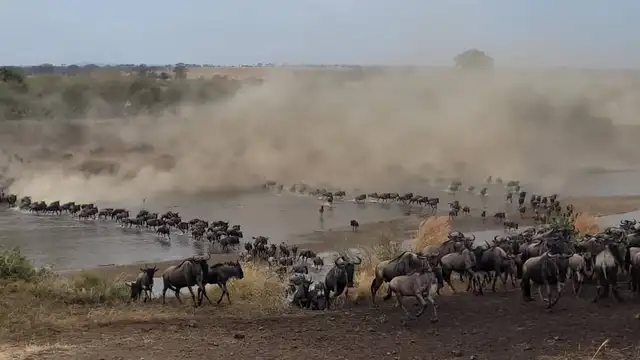
Serengeti National Park is the centerpiece of Tanzania safaris, famous for the Great Wildebeest Migration where over 1.5 million wildebeest and zebras move across its endless plains. The name “Serengeti” comes from the Maasai word Siringit, meaning “endless plains,” and the vast landscape truly feels limitless. Depending on the season, travelers can see dramatic river crossings in the north or the calving season in the south, where predators wait for easy prey. Tanzania safaris here guarantee year-round wildlife action, making it one of the most rewarding safari destinations for those seeking both scale and intensity in animal movements.
2. Ngorongoro Crater Descend into a Natural Wonder
The Ngorongoro Crater is a UNESCO World Heritage Site and the world’s largest intact volcanic caldera, making it a must-see during Tanzania safaris. Often described as a natural enclosure, it supports a permanent population of over 25,000 animals. Visitors can expect to see four of the Big Five in a single game drive, with the endangered black rhino being a highlight. The crater’s unique geography creates one of the highest densities of wildlife in Africa, offering travelers a concentrated safari experience. Tanzania safaris here combine dramatic landscapes with unmatched wildlife viewing, making it a practical choice for those who want maximum sightings in limited time.
3. Tarangire National Park Walk with Giants of the Baobab Valley
Tarangire National Park is known for its striking baobab trees and large elephant herds, making it a distinctive stop on Tanzania safaris. During the dry season from June to October, the Tarangire River becomes the main water source, attracting hundreds of elephants and other animals to its banks. The sight of massive herds gathering in one place is unmatched, offering travelers a unique spectacle. Tanzania safaris in Tarangire also provide opportunities to see giraffes, buffalo, and predators, all framed by the park’s dramatic landscape of termite mounds and ancient trees.
4. Lake Manyara National Park Spot the Elusive Tree-Climbing Lions
Lake Manyara National Park is compact but diverse, offering travelers a different flavor of Tanzania safaris. It is world-famous for its tree-climbing lions, a rare behavior that sets this park apart. The park also features groundwater forests, large troops of baboons, and flocks of flamingos along the lake’s edge. Tanzania safaris here are ideal for those who want variety in a short time, with birdlife, primates, and predators all within easy reach. Its location at the base of the Great Rift Valley escarpment adds to the park’s appeal, making it a convenient and rewarding stop.
5. Mount Kilimanjaro Stand on the Roof of Africa
Mount Kilimanjaro, Africa’s highest peak at 5,895 meters, offers a challenge that complements Tanzania safaris. While climbing requires several days, reaching the summit is a life-changing achievement. For travelers who want more than wildlife viewing, Kilimanjaro provides a chance to test endurance and enjoy diverse ecosystems along the way. Tanzania safaris combined with a Kilimanjaro trek create a balanced itinerary of adventure and wildlife. Even if not climbing, the mountain’s presence dominates northern Tanzania, reminding visitors of the region’s natural grandeur.
6. Hot Air Balloon Safari Over the Serengeti
A hot air balloon safari over the Serengeti adds a unique perspective to Tanzania safaris. Floating silently at sunrise, travelers can watch herds of wildebeest, zebras, and predators from above. The aerial view highlights the vastness of the plains and offers unmatched photographic opportunities. After landing, many tours include a champagne breakfast in the bush, adding a special touch to the experience. Tanzania safaris with this option allow travelers to see the migration and landscapes in a way that ground drives cannot match, making it a highly recommended add-on.
7. Lake Natron and Ol Doinyo Lengai, A Landscape from Another World
Lake Natron is an alkaline lake that serves as the main breeding ground for East Africa’s flamingos, offering a stark but fascinating contrast to traditional Tanzania safaris. Its desolate beauty is enhanced by the nearby Ol Doinyo Lengai volcano, known for its rare natrocarbonatite lava. Adventurous travelers can hike the volcano for a closer look at this geological wonder. Tanzania safaris that include Lake Natron provide both wildlife and unusual landscapes, appealing to those who want something beyond the standard safari circuit.
8. Lake Eyasi, Step Back in Time with the Hadzabe
Lake Eyasi offers cultural depth to Tanzania safaris by connecting travelers with the Hadzabe people, one of the last hunter-gatherer tribes. Visitors can join them on dawn hunts, gaining insight into their traditional way of life. This experience contrasts sharply with wildlife-focused safaris, adding human history and culture to the trip. Tanzania safaris that include Lake Eyasi highlight the diversity of northern Tanzania, showing that the region is not only about animals but also about people who have lived here for centuries.
9. Arusha National Park and Mount Meru A Hidden Gem
Arusha National Park, located near the safari gateway city of Arusha, offers walking safaris, canoeing, and hikes on Mount Meru. Though smaller than other parks, it provides variety for Tanzania safaris, especially for those with limited time. Mount Meru, Tanzania’s second-highest peak, offers stunning views and a less demanding climb compared to Kilimanjaro. Tanzania safaris here allow travelers to enjoy wildlife and outdoor activities in one place, making it a practical extension for those with an extra day before or after visiting larger parks.
10. Mto wa Mbu Cultural Tour A Melting Pot of Traditions
Mto wa Mbu village is a cultural highlight that adds depth to Tanzania safaris. Home to over 120 tribes, it offers visitors a chance to learn about diverse traditions in one place. Tours often include visits to banana farms, local breweries, and craft markets, giving travelers a direct look at everyday life. Tanzania safaris that include Mto wa Mbu balance wildlife with cultural experiences, ensuring travelers leave with a broader understanding of the country. This stop is especially valuable for those who want authentic human connections alongside their safari adventures
Best time to experience Tanzania safaris in the northern circuit
The best time to experience Tanzania safaris in the northern circuit depends on what travelers want to see. From June to October, the dry season offers excellent wildlife viewing as animals gather around rivers and waterholes. This is also when the Great Migration river crossings occur in the northern Serengeti, creating dramatic scenes. The weather is cooler and clearer, making game drives more comfortable. Tanzania safaris during this period are ideal for those who want reliable sightings of large herds, predators, and concentrated wildlife activity. However, it is also the busiest season, so early booking is recommended to secure lodges and camps near prime viewing areas.
From November to March, Tanzania safaris in the northern circuit provide a different but equally rewarding experience. This is the calving season in the southern Serengeti, where thousands of wildebeest give birth, attracting predators and offering intense wildlife action. Birdwatching is excellent, with migratory species adding variety. The landscapes are greener, and crowds are fewer compared to the peak dry season. Travelers who prefer quieter safaris with dramatic predator-prey interactions often choose this time. April and May bring heavy rains, which can make travel challenging, but prices are lower and the scenery is strikingly fresh. Tanzania safaris in these months suit those seeking value and a more private experience
How to get there for Tanzania safaris in the Northern circuit
Most travelers begin Tanzania safaris in the northern circuit by flying into Kilimanjaro International Airport (JRO), which has connections from major hubs like Nairobi, Addis Ababa, Doha, and Amsterdam. From JRO, it is a short transfer to Arusha, the safari hub where tours start. Domestic flights operated by local airlines such as Coastal Aviation and Auric Air connect Arusha or Kilimanjaro to key safari airstrips in the Serengeti, Lake Manyara, and Tarangire. This option saves time compared to long drives and is ideal for those with limited days. Tanzania safaris arranged through tour operators often include these flights, ensuring smooth transfers between parks.
For travelers who prefer overland travel, Arusha is also accessible by road from Nairobi, Kenya, making cross-border safaris possible. Once in Arusha, most Tanzania safaris in the northern circuit are conducted by 4x4 vehicles, allowing flexibility to explore multiple parks. Driving distances vary: Arusha to Tarangire is about 2 hours, to Lake Manyara about 1.5 hours, and to Ngorongoro around 3 hours. Reaching the Serengeti by road takes 6–8 hours, but the journey itself offers cultural and scenic stops along the way. Many operators combine road transfers with domestic flights to balance cost and convenience. Tanzania safaris are best planned with logistics in mind, ensuring travelers maximize time in the parks rather than on the road
How much are Tanzania safaris in the northern circuit
Tanzania safaris in the northern circuit can range widely in price depending on the level of comfort, season, and length of stay. Budget camping safaris start at around $660–$715 per person for 3 days, offering shared vehicles and basic camps. Mid-range lodge or tented camp safaris cost between $1,900–$3,800 per person for 4–7 days, with private vehicles, comfortable accommodations, and guided drives included. Luxury safaris, often fly-in with exclusive lodges, can reach $850–$3,000 per person per night, especially during peak migration months. Costs also vary with add-ons such as hot air balloon rides or cultural tours. Overall, Tanzania safaris in the northern circuit provide options for every budget, from affordable group trips to high-end personalized experiences
Top tips for doing successful Tanzania safaris in the northern circuit
To make Tanzania safaris in the northern circuit successful, planning ahead is key. The region is popular, especially during the dry season from June to October, so booking lodges, camps, and flights early ensures availability near prime wildlife areas. Travelers should also consider the timing of the Great Migration, calving season, or birdwatching periods to match their interests. Choosing a reliable operator with experienced guides is essential, as they know the best routes and times for sightings. Tanzania safaris are most rewarding when logistics are smooth, so confirm transfers, park fees, and permits well in advance.
Packing smartly also makes a big difference. Tanzania safaris in the northern circuit involve varied climates, from cool mornings in Ngorongoro to hot afternoons in Tarangire. Lightweight, neutral-colored clothing, a good hat, sunscreen, and sturdy shoes are practical essentials. Binoculars and a quality camera help capture wildlife moments, while insect repellent is important around Lake Manyara and other areas. Travelers should avoid overpacking but include layers for comfort. Tanzania safaris are more enjoyable when travelers are prepared for both weather and terrain, ensuring they can focus on the wildlife rather than discomfort.
Respecting local culture and wildlife rules is another tip for a successful trip. Tanzania safaris often include cultural visits to villages like Mto wa Mbu or Lake Eyasi, so showing interest and respect for traditions enriches the experience. In the parks, following guide instructions, keeping noise low, and maintaining safe distances from animals protect both travelers and wildlife. Supporting eco-lodges and community projects adds value to the safari while promoting conservation. Tanzania safaris in the northern circuit are not just about seeing animals but also about contributing positively to the environment and communities, making the trip meaningful and responsible
Best places to stay in the northern circuit during Tanzania safaris
The northern circuit offers a wide range of accommodation options for Tanzania safaris, from budget-friendly camps to luxury lodges located inside or near the parks. The best places to stay depend on your budget, travel style, and proximity to wildlife highlights. For travelers starting in Arusha, there are comfortable choices like Arusha Coffee Lodge and budget hotels that serve as convenient bases before heading into the parks. In Tarangire, lodges such as Tarangire Safari Lodge provide close access to elephant herds and baobab landscapes. Near Lake Manyara, options like Lake Manyara Serena Safari Lodge combine comfort with views of the Rift Valley escarpment. Around the Ngorongoro Crater, staying at Ngorongoro Serena Safari Lodge or lodges in Karatu offers easy access to crater game drives. In the Serengeti, choices range from mid-range tented camps to luxury lodges like Four Seasons Safari Lodge Serengeti, located in prime wildlife areas. Tanzania safaris in the northern circuit are most successful when accommodations are chosen based on location, comfort, and access to seasonal highlights, ensuring travelers maximize time in the parks rather than on long transfers
Booking Tanzania safaris with Lamz Tours and Travel
Booking Tanzania safaris with Lamz Tours and Travel ensures a well-organized and personalized experience across the northern circuit. As specialists in East African travel, Lamz Tours and Travel designs itineraries that cover Serengeti, Ngorongoro, Tarangire, and Lake Manyara, while also offering optional add-ons like hot air balloon rides or cultural tours. Our team focuses on matching travelers with the right lodges, camps, and activities based on budget, interests, and seasonal highlights such as the Great Migration or calving season. With expert guides, seamless logistics, and attention to detail, Lamz Tours and Travel makes Tanzania safaris both practical and rewarding, giving travelers confidence that every aspect of their trip from transfers to park permits is handled professionally. This approach allows guests to focus fully on enjoying wildlife and culture
Ready to plan your safari?
Talk to a Lamz Tours specialist and get a tailor-made quote.
Make an enquiry