Find the top 10 African safari experiences in Tanzania from the Great Migration to Big Five sightings plus tips on the best time to visit and plan.
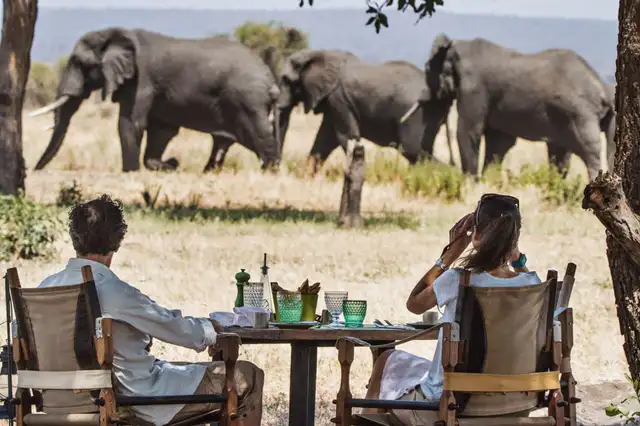
Tanzania is one of Africa’s most rewarding safari destinations, offering travelers a front-row seat to nature’s most dramatic wildlife spectacles. From the thunderous movement of over a million wildebeest in the Serengeti to the rare sight of tree-climbing lions in Lake Manyara, every African safari in Tanzania promises something unique. Whether you're aiming to witness the Big Five, trek with chimpanzees in Mahale, or explore remote predator-rich parks like Ruaha, there’s a safari style to match every interest. Tanzania’s geographic diversity makes it easy to combine landscapes from volcanic craters and riverine forests to endless savanna and coastline. Choosing the right time and parks is essential, with seasonal highlights like the Great Migration and birdwatching during the green season. For first-timers and seasoned travelers alike, booking an African safari in Tanzania ensures access to professional guides, rich cultures, and expertly planned itineraries. This guide breaks down the top 10 most popular experiences, best travel seasons, planning tips, and practical advice to help you make the most of your safari adventure
Top African Safari packages
2-days-fly-in-serengeti-safari-in-tanzania
2-days-tarangire-national-park-and-ngorongoro-crater-safari
3-days-tanzania-safari-in-serengeti-national-park
3-days-tanzania-wildlife-safari
4-days-epic-tanzania-wildlife-and-culture-safari
5-day-kenya-and-tanzania-safari
5-days-circuit-wildlife-safari-in-tanzania
6-days-ndutu-migration-safari-calving-season
8-day-serengeti-ngorongoro-crater-and-zanzibar
8-days-wildlife-and-beach-holiday-tanzania
8-days-wildlife-safari-tanzania
9-days-zanzibar-and-wildlife-safari
10-days-uganda-and-tanzania-safari-gorillas-chimpanzees-and-wildlife
5-days-mount-kilimanjaro-marangu-route
6-days-mount-kilimanjaro-machame-route
7-day-climbing-kilimanjaro-via-the-machame-route
8-days-kilimanjaro-climbing-safari-lemosho-route-mount
9-days-kilimanjaro-climb-lemosho-route
12-days-mount-kilimanjaro-climb-and-tanzania-safari-tour
4-days-tanzania-birding-safari-to-lake-manyara-national-park
Top 10 Most Popular African Safari Experiences in Tanzania
Great Wildebeest Migration in Serengeti
The Great Migration is the core of any African safari focused on seasonal wildlife movement. From December to March, the southern Serengeti sees calving and predator drama, while June to July shifts the action to the Western Corridor’s river crossings. Between August and October, visitors head north for the Mara River spectacle, where wildebeest brave crocodile-infested waters. Planning an African safari around this cycle helps travelers witness nature’s timing at its finest. Staying in mobile camps near migration hotspots maximizes viewing and reduces travel fatigue. It’s vital to book early, especially from July onward, as demand spikes and lodge availability drops sharply.
Ngorongoro Crater Safari
Ngorongoro Crater provides the most compact African safari experience, with a high chance of seeing the Big Five in a single day. As a volcanic basin, its enclosed geography traps wildlife and offers easy access to lions, black rhinos, elephants, and flamingos at Lake Magadi. For travelers with limited time or mobility concerns, the crater's dense game makes it highly efficient. The African safari here is vehicle-based, with well-maintained roads, making it suitable for families and older travelers. To avoid peak-season congestion, aim for shoulder months like May or early November, when crowds lessen but wildlife remains active.
Serengeti National Park Year-Round Game Viewing
Even outside the migration months, Serengeti guarantees a strong African safari experience thanks to its predator-prey dynamics. Lions dominate the plains year-round, supported by agile leopards and swift cheetahs. Game viewing is possible across seasons due to the park’s vast ecosystems. For travelers seeking an African safari focused on predators, central Serengeti is the safest bet. Hot-air balloon safaris add aerial views but can be pricey and weather-dependent. Staying near Seronera offers good access to resident wildlife without constant relocation. Early morning drives give the best chance to see hunting behavior before the heat sets in.
Tarangire National Park the Elephant Paradise
Tarangire is a top choice for an African safari that focuses on elephants and dry-season concentration. From June to October, wildlife flocks to the Tarangire River, making sightings predictable. Travelers who prioritize photography will appreciate the large herds and baobab landscapes. This African safari destination is less visited than Serengeti, offering a quieter setting. It’s also ideal for shorter stays or combining with Lake Manyara and Ngorongoro. Watch for tree-climbing pythons and unique bird species. Lodging ranges from budget-friendly to boutique lodges, and guides here often offer excellent insight on elephant social structures.
Lake Manyara National Park Tree-Climbing Lions experience
Lake Manyara is often selected for a one-day African safari stop between Arusha and Ngorongoro. The park’s compact size makes it easy to explore, and its lions resting in acacia trees create a rare photographic moment. Flamingos spread across the lake during wet months, while dry seasons offer more predator activity. An African safari here works well for bird lovers too over 400 species are documented. Travelers should be prepared for dense forest drives and occasional tsetse flies. Combining Lake Manyara with Ngorongoro and Tarangire enhances value by reducing travel time and exposing guests to different ecosystems.
Selous Game Reserve (Now Nyerere National Park)
Nyerere National Park delivers a remote African safari that focuses on wild dog sightings, boat safaris on the Rufiji River, and walking access to the bush. As Africa’s largest game reserve, it offers space and quiet, especially for travelers avoiding over-tourism. Wildlife density may be lower than northern parks, but the variety hippos, crocs, lions is strong. For African safari goers craving privacy and multi-day exploration, Nyerere suits well. Lodges are few but well-run, often combining fly-in access with guided walks. Booking during the dry season (June to October) improves game visibility and limits mosquito activity.
Ruaha National Park the Predator Haven
Ruaha gives African safari travelers strong chances of watching lions in large prides, along with leopards and cheetahs in rugged terrain. Its dry landscapes and baobabs create a raw visual style that appeals to returning safari guests. This African safari location remains under-visited due to logistics charter flights are common. For travelers wanting to avoid crowds, Ruaha delivers solitude. Staying longer increases the odds of rare predator behavior. Guides here tend to be seasoned, with deep knowledge of territorial patterns. Dry season safaris from June to October are best for wildlife viewing and photography.
Katavi National Park the Remote and Wild
Katavi is designed for seasoned African safari travelers looking for a park with minimal development. Wildlife sightings focus on large hippo gatherings and extensive buffalo herds. The terrain is open, and dry season viewing (July to October) is intense as water sources dwindle. This African safari option suits adventure seekers who prefer raw nature to comfort. Lodges are few and far between, but the quality of guiding is strong. Visitors should be prepared for basic infrastructure and limited internet. Charter flights are required, making it more suitable for those with flexible budgets and tight planning.
Mahale Mountains National Park for Chimpanzee Trekking experience
Mahale is best known for its wild chimpanzees, and it combines beach and forest to produce a rare African safari format. Treks into the forest are physical, but the payoff comes with observing complex primate behavior. Lake Tanganyika offers clear water and swimming options, adding a marine break to the usual African safari rhythm. Lodging is fly-in only, with high-end eco-lodges dominating the area. Treks vary in length based on chimp movement, so guests should stay at least three nights. Footwear, hydration, and fitness prep are key due to steep trails and forest humidity.
Gombe Stream National Park (Jane Goodall’s Chimps)
Gombe is a compact African safari destination focused entirely on chimpanzee trekking. The park is accessible by boat, and visits are deeply personal due to small group limits. The African safari here involves steep forest hikes through narrow trails, suitable for physically prepared travelers. Historical interest is high given Jane Goodall’s long-term research presence. The experience is not wildlife-rich beyond chimps, but the observation of grooming and vocal behavior fascinates many. Basic lodges provide comfort, and the beach setting offers post-hike relaxation. Visitors must follow strict distancing and hygiene protocols to protect the chimpanzees
Best Time to go for African Safari in Tanzania
Dry Season from June to October
This is the prime window for an African safari in Tanzania, especially if wildlife visibility is a top priority. Animals gather around water sources, vegetation thins out, and game viewing becomes more predictable ideal for photographers and first-time safari goers. Parks like Serengeti, Tarangire, and Ruaha offer consistent sightings of predators and large herds during this period. An African safari booked in the dry season also benefits from minimal rain interruptions, cooler temperatures, and fewer mosquitoes. However, demand rises sharply between July and September, so early planning helps secure space at quality lodges and camps.
Green Season from November to May
While not always marketed as peak safari time, the green season in Tanzania delivers value and vibrant landscapes for African safari travelers. Birdwatchers thrive with migratory species flooding parks, and calving season in the southern Serengeti (Dec–Feb) brings predator drama to the open plains. This stretch is perfect for those wanting an African safari without the peak-season crowds or high costs. The scenery is fresh and photogenic, and many camps offer reduced rates. Rain can affect some road conditions, so 4x4 vehicles and flexible plans are recommended when traveling during wetter months
How to get there to African safari in Tanzania
To begin your African safari in Tanzania, most travelers fly into Kilimanjaro International Airport (JRO) for northern parks like Serengeti and Ngorongoro, or Julius Nyerere International Airport (DAR) for southern parks such as Ruaha and Nyerere. From these hubs, domestic flights or guided 4x4 transfers take you to park airstrips or lodges. An African safari is best arranged through a reputable tour operator who handles transport, park permits, and accommodations. Charter flights are essential for remote areas like Katavi and Mahale. If combining your African safari with Zanzibar, flights from Arusha or Dar es Salaam to Zanzibar’s airport are frequent and reliable. Visa-on-arrival is available for many nationalities, and travel insurance, vaccinations, and proper gear are strongly recommended
10 Key Tips for Planning Your African Safari in Tanzania
Choose the Right Season
Timing is critical when planning your African safari. The dry season (June to October) is best for wildlife, as animals congregate at waterholes and visibility improves in sparse vegetation. The wet season (November to May) brings lush greenery, ideal for birding and fewer crowds, but travelers should expect occasional impassable roads. For those chasing the Great Migration, December to March centers on calving in the south, June to July marks Grumeti River crossings, and August to October covers dramatic Mara River crossings. Tailoring your African safari dates to match migration cycles guarantees richer experiences.
Pick the Best Parks for Your Interests
Different parks offer different rewards, so customize your African safari based on what matters most. The Serengeti is perfect year-round for big cats and migration, while Ngorongoro Crater delivers intense Big Five density in a compact setting. Tarangire shines from June to October for elephants and baobabs, and Lake Manyara is ideal in dry months for tree-climbing lions and birding. Southern parks like Nyerere and Ruaha offer raw predator action in quieter settings, best from May to October. Matching your African safari itinerary with seasonal park strengths maximizes game viewing.
Book Early Especially for Luxury Lodges and Migration
Top lodges near migration hotspots, like Mara River camps in the Serengeti, can sell out 6–12 months ahead making early booking essential for a seamless African safari. Lodging inside Ngorongoro Crater is extremely limited, and premium spots like Crater Lodge are often full far in advance. Chimp trekking in Mahale and Gombe requires permits with caps, so securing them early avoids disappointment. Planning your African safari proactively gives you access to better accommodations and guides during peak wildlife activity.
Pack Smart
Your gear directly affects your comfort and efficiency during an African safari. Stick to neutral-colored clothing to blend with nature and avoid attracting insects. Invest in reliable footwear for bush walks and camp wear, plus sun protection like hats and high-SPF sunscreen. A quality pair of binoculars and a zoom lens enhance your viewing, especially from distances. Power banks are vital for charging in off-grid camps. Avoid bringing plastic bags (banned in Tanzania) and drones (illegal in national parks). A thoughtfully packed African safari bag reduces hassle and keeps you prepared.
Health and Safety Tips
Taking health precautions is essential on an African safari. Vaccines for yellow fever, typhoid, and hepatitis are recommended, especially if transiting through endemic areas. Anti-malarial medication should be discussed with your doctor before departure. Stick to bottled water and skip ice in drinks to avoid stomach issues. Always remain inside vehicles during game drives and follow guide instructions approaching wildlife on foot is dangerous. These measures help protect your wellbeing while ensuring your African safari stays safe and enjoyable.
Maximize Wildlife Sightings
To make the most of your African safari, time your game drives when wildlife is active early mornings and late afternoons offer the best chances. Hiring a private guide is worth the expense for spotting elusive animals like leopards or wild dogs. If budget allows, book a sunrise hot-air balloon ride over the Serengeti for a rare aerial perspective. Staying near key habitats and being flexible with your schedule increases the likelihood of memorable sightings during your African safari.
Respect Local Culture
Cultural respect enhances the experience and supports communities during your African safari. When visiting Maasai villages, ask permission before taking photos some charge a small fee. Outside parks, dress modestly in towns to honor local norms. Tipping is customary: $10–$15/day for guides and $5–$10/day for camp staff. Engaging respectfully builds trust and enriches your African safari, adding depth beyond wildlife encounters.
Save Money Without Sacrificing Quality
An African safari can be affordable without compromising quality. Travel during shoulder months like April–May or November for lower rates and fewer visitors. Consider joining small group tours they’re cheaper than private safaris, though less flexible. Mid-range lodges, such as Serengeti Serena, offer comfort without luxury pricing. With smart planning, you can enjoy a memorable African safari experience while staying within budget.
Avoid Common Mistakes
Packing too much is a frequent mistake most lodges offer laundry services, so keep it light. Skipping travel insurance is risky, especially with remote safaris and unpredictable flight schedules. Many African safari camps are off-grid, so don’t expect reliable Wi-Fi. Prepare for limited connectivity and prioritize essentials that support your travel, rather than relying on convenience.
Extend Your Trip
Enhance your African safari by adding a few extra days in Zanzibar for beach downtime Stone Town and the northern beaches are great for unwinding. For adventurous travelers, a Kilimanjaro trek adds a challenging bonus, requiring 7–9 days of hiking. Whether you seek relaxation or adventure, these extensions balance out your African safari and make the trip more rewarding
How much does an African safari cost in Tanzania?
The cost of an African safari in Tanzania varies widely depending on comfort level, season, and itinerary. Budget safaris start around $250–$350 per person per day, mid-range options average $400–$600, and luxury safaris can exceed $1,200 daily. These prices typically include accommodation, meals, park fees, and guided game drives. An African safari in Tanzania during peak migration months or in remote areas like Mahale or Katavi may require charter flights, increasing costs. Group tours are more affordable than private safaris, and traveling in shoulder seasons (April–May, November) can reduce expenses without sacrificing quality
Which safari is best in Tanzania?
The best African safari in Tanzania depends on your interests, but the Serengeti and Ngorongoro Crater offer unmatched wildlife density and year-round game viewing. Serengeti is ideal for witnessing the Great Migration, while Ngorongoro provides a compact setting to spot the Big Five in a single day. For fewer crowds and raw wilderness, Ruaha and Nyerere (Selous) are excellent alternatives. An African safari combining northern parks like Tarangire and Lake Manyara with Serengeti and Ngorongoro balances predator sightings, elephant herds, and unique landscapes. Tailored itineraries based on season and travel style yield the most rewarding experiences
Which month is best for Tanzania safari?
The best month for an African safari in Tanzania is typically between July and September, when dry conditions make wildlife easier to spot and the Great Migration peaks with dramatic river crossings. June and October also offer excellent game viewing with fewer crowds. For calving season and predator action, January to February in the southern Serengeti is ideal. An African safari during the green season (November to May) offers lush scenery and lower prices, though April and May may bring heavy rains that affect road access. Choosing your month depends on priorities like migration, budget, and park accessibility
What is the Big Five safari in Tanzania?
An African safari in Tanzania often focuses on spotting the Big Five: lion, leopard, elephant, buffalo, and black rhinoceros. These animals were historically the most challenging to hunt on foot, but today they symbolize top wildlife viewing goals. Serengeti and Ngorongoro Crater are prime locations for Big Five sightings, with lions and elephants abundant and rhinos best seen in Ngorongoro. Tarangire and Ruaha also offer excellent chances for elephants and buffalo. An African safari designed around the Big Five typically includes multiple parks and expert guides to maximize viewing opportunities across diverse habitats
Why book African safari in Tanzania with Lamz Tours and Travel
Booking your African safari in Tanzania with Lamz Tours and Travel means choosing a provider known for precision, ethical travel, and deep regional expertise. Our itineraries are crafted by seasoned wildlife professionals and conservationists who understand Tanzania’s ecosystems intimately. Whether you're tracking the Great Migration, exploring the Big Five in Ngorongoro, or trekking chimpanzees in Mahale, Lamz Tours and Travel ensures your African safari is tailored to your interests, budget, and travel style. We prioritize sustainability, support local communities, and offer personalized service from luxury lodges to remote fly-in adventures. With a reputation for reliability and exceptional guiding, Lamz Tours and Travel turns your African safari into a seamless, meaningful experience that respects both nature and culture
Ready to plan your safari?
Talk to a Lamz Tours specialist and get a tailor-made quote.
Make an enquiry