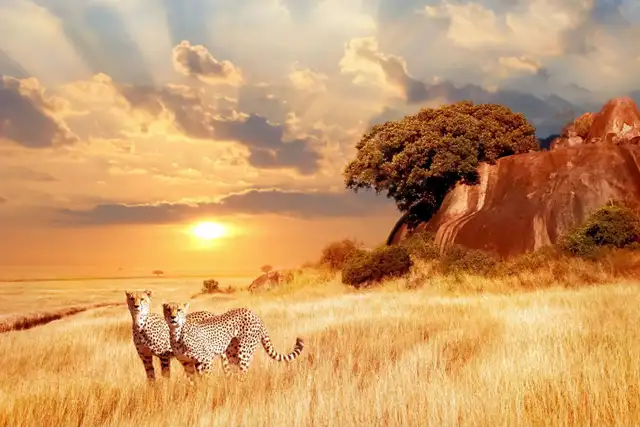
Kenya safaris bring the Great Migration, elephants with Kilimanjaro views, private conservancies, Samburu’s Special Five, and cultural depth across diverse parks
Here are the top things to expect when planning Kenya safaris, each offering a mix of wildlife, landscapes, and cultural depth. From the drama of the Great Migration in the Maasai Mara to the striking elephant herds of Amboseli set against Mount Kilimanjaro, Kenya’s parks deliver experiences that feel both powerful and authentic. Private conservancies add exclusivity with fewer vehicles and unique activities like night drives, while Samburu introduces rare species known as the “Special Five.” Even Nairobi National Park, located just outside the capital, provides a surprising contrast of wildlife against city skyscrapers, making Kenya safaris accessible and diverse.
Beyond wildlife spectacles, Kenya safaris also highlight cultural connections and conservation efforts. Lake Naivasha offers tranquil walking safaris among giraffes and zebras, while Laikipia emphasizes endangered species and community-driven tourism. Meru National Park provides a quieter Big Five experience, and cultural visits to Maasai villages enrich the safari with human heritage. Smaller details, like spotting melanistic leopards or vibrant birdlife, ensure every game drive feels fresh. Together, these experiences show that Kenya safaris are not just about ticking off animals but about engaging with nature, people, and conservation in meaningful ways, making the country one of Africa’s most versatile safari destinations
Best Kenya safaris packages
4-days-masai-mara-safari-tour-package-itinerary
3-days-luxury-fly-in-safari-to-masai-mara
4-day-wildebeest-migration-kenya-vacation-to-mara
4-days-masai-mara-and-lake-nakuru-safari 1. 3-Day Masai Mara Safari
5-days-masai-mara-kenya-safari-tour-package-from-diani-beach
5-days-perfect-masai-mara-tour-and-amboseli-adventure
5-day-kenya-and-tanzania-safari
6-days-circuit-kenya-safari-tour-package-from-masai-mara
7-days-masai-mara-tour-lake-nakuru-lake-naivaha-and-amboseli-tour-package
The Top 10 Incredible Things to Expect on Kenya Safaris
1. The Great Migration in the Maasai Mara
Kenya safaris are defined by the Great Migration in the Maasai Mara, where millions of wildebeest and zebras move across the plains in search of fresh grazing. Between July and October, visitors often witness the dramatic Mara River crossings, with herds battling strong currents and lurking crocodiles. This event is considered one of the most powerful wildlife spectacles in Africa, drawing travelers from around the world. A Kenya safaris experience during this season offers unmatched drama and intensity, making it a highlight for anyone seeking raw wildlife action and unforgettable memories in the heart of the Mara.
2. Elephants with Kilimanjaro as a Backdrop in Amboseli
Amboseli National Park provides one of the most striking views on Kenya safaris, with herds of elephants roaming freely against the snow-capped peak of Mount Kilimanjaro. The park is famous for its “big tuskers,” elephants with impressively large tusks, and its open terrain makes wildlife viewing straightforward and rewarding. Swamps within the park attract a variety of animals, creating excellent opportunities for photography. For travelers, this combination of elephants and Africa’s tallest mountain is a defining image of Kenya safaris, offering both natural beauty and close wildlife interactions in a setting that feels timeless and unique.
3. Exclusive Wildlife Encounters in Private Conservancies
Private conservancies bordering the Maasai Mara elevate Kenya safaris by offering exclusivity and intimacy. Unlike the main reserve, these areas limit vehicle numbers, ensuring sightings of lions, cheetahs, or elephants without crowded scenes. Visitors can enjoy activities not permitted in national parks, such as guided night drives and walking safaris, which add depth to the experience. The conservancies also support local communities, making them both sustainable and rewarding. For travelers seeking privacy and flexibility, Kenya safaris in conservancies like Naboisho deliver a more personal connection to wildlife and landscapes, enhancing the overall safari experience.
4. The Unique Special Five of Samburu
Kenya safaris in Samburu National Reserve introduce visitors to the “Special Five,” species uniquely adapted to its arid environment. These include the Reticulated Giraffe, Grevy’s Zebra, Beisa Oryx, Somali Ostrich, and the long-necked Gerenuk. Spotting all five becomes a rewarding challenge, adding variety beyond the traditional Big Five. The reserve’s rugged terrain and dry climate create a distinctive atmosphere, making wildlife viewing here different from other regions. For travelers, Kenya safaris in Samburu highlight biodiversity and resilience, offering a chance to see rare animals that cannot be found in most other safari destinations.
5. The Surreal Contrast of Nairobi National Park
Nairobi National Park offers a unique twist to Kenya safaris, with wildlife roaming against the backdrop of city skyscrapers. Just minutes from the capital, visitors can see lions, rhinos, giraffes, and zebras in a setting that contrasts urban life with wilderness. Night safaris add another dimension, showcasing nocturnal species and the sounds of the wild under the stars. This park demonstrates how conservation can coexist with modern development, making it a convenient yet rewarding stop. For travelers short on time, Kenya safaris here provide a quick but authentic taste of wildlife without leaving the city behind.
6. Walking with Wildlife at Lake Naivasha
Lake Naivasha offers a slower, more intimate pace for Kenya safaris. Boat rides allow close views of hippos and diverse birdlife, while Crescent Island provides safe walking safaris among giraffes, zebras, and antelopes. With no predators present, visitors can stroll freely, experiencing wildlife without the barrier of a vehicle. This activity adds variety to traditional game drives, creating a more personal connection to nature. For travelers seeking relaxation and immersion, Kenya safaris at Lake Naivasha deliver tranquility and unique opportunities to enjoy wildlife in a peaceful environment.
7. A Haven for Rare and Endangered Species in Laikipia
Laikipia Plateau is a conservation stronghold that enriches Kenya safaris with rare and endangered species. Populations of black rhinos, Grevy’s zebras, and reticulated giraffes thrive here alongside predators like lions and African wild dogs. The region is also known for innovative community partnerships and exclusive lodges offering camel trekking, horseback safaris, and cultural experiences. This blend of conservation and luxury makes Laikipia a standout destination. For travelers, Kenya safaris in Laikipia combine rare wildlife sightings with meaningful engagement in sustainable tourism, ensuring both adventure and responsibility.
8. A Big Five Experience in Meru National Park
Meru National Park provides a remote and uncrowded setting for Kenya safaris, with excellent chances to see the Big Five. Famous from Joy Adamson’s Born Free, the park has recovered strongly through anti-poaching efforts and now hosts a thriving rhino sanctuary. Its lush landscapes and diverse wildlife populations create rewarding game drives where lions, elephants, and buffalo may be spotted with minimal crowds. For travelers, Kenya safaris in Meru deliver both history and wildlife richness, making it a destination that feels authentic and less commercialized compared to more popular parks.
9. Rich and Authentic Cultural Experience
Kenya safaris are not only about wildlife but also about meaningful cultural experiences. Visitors often engage with Maasai communities, learning about traditions, dances, and daily life. In conservancies like Laikipia and Naboisho, local staff share authentic stories, deepening the connection between travelers and the land. These cultural exchanges highlight the importance of community involvement in conservation. For travelers, Kenya safaris that include cultural elements provide a richer perspective, blending wildlife with human heritage and ensuring the safari feels complete and grounded in local realities.
10. The Big Five and Beyond
Kenya safaris deliver far more than the Big Five, offering surprises at every turn. Rare sightings such as melanistic leopards in Laikipia, tree-climbing lions in Samburu, and vibrant birdlife like the Vulturine Guinea Fowl add variety. Smaller species, from playful elephant calves to bat-eared foxes, ensure that each drive feels fresh and rewarding. The abundance of wildlife across different habitats makes Kenya safaris diverse and dynamic, appealing to travelers who want more than just the classic checklist. Every outing holds potential for new discoveries, reinforcing Kenya’s reputation as a premier safari destination
Top Kenya safari parks to visit for Kenya safaris
Kenya safaris offer a wide range of parks that combine wildlife diversity, landscapes, and cultural depth, making them some of the most rewarding destinations in Africa. The Northern Circuit is often the most popular, with the Maasai Mara showcasing the Great Migration, Amboseli delivering elephant herds with Kilimanjaro as a backdrop, and Samburu introducing rare species like the “Special Five.” Nairobi National Park adds a unique urban twist, while Lake Naivasha provides tranquil walking safaris. Together, these areas create a balanced mix of experiences, ensuring Kenya safaris feel both comprehensive and practical for travelers seeking variety.
Beyond the well-known reserves, Kenya safaris also shine in more remote and conservation-focused areas. Laikipia Plateau stands out for endangered species and community-driven tourism, while Meru National Park offers a quieter Big Five experience with fewer crowds. Private conservancies around the Mara enhance exclusivity, allowing activities like night drives and walking safaris. These destinations highlight Kenya’s commitment to both wildlife protection and visitor satisfaction. By combining popular parks with lesser-known gems, Kenya safaris deliver a complete adventure that blends iconic wildlife spectacles with intimate, sustainable experiences, making the country one of Africa’s most versatile safari destinations
What are the safari activities to do during Kenya safaris
Kenya safaris are filled with diverse activities that go beyond traditional game drives, giving travelers multiple ways to connect with nature. Early morning and late afternoon drives remain the core, offering the best chance to see predators and herds when they are most active. Walking safaris in safe areas add a slower pace, letting visitors notice tracks, plants, and smaller animals often missed from vehicles. This mix of activities ensures Kenya safaris feel balanced, combining excitement with deeper appreciation of the environment.
Water-based experiences also play a big role in Kenya safaris. Boat rides at Lake Naivasha allow close views of hippos and birdlife, while conservancies sometimes offer night drives to spot nocturnal species. Hot air balloon rides over the Maasai Mara provide a unique aerial view of herds moving across the plains. These activities add variety, making Kenya safaris more dynamic and memorable.
Cultural interactions enrich Kenya safaris by connecting travelers with local communities. Visiting Maasai villages or engaging with staff in conservancies offers insight into traditions, daily life, and conservation efforts. Learning a few Swahili phrases or sharing meals with locals adds authenticity. These cultural elements ensure Kenya safaris are not only about wildlife but also about people and heritage.
Finally, downtime at lodges or camps is an important part of Kenya safaris. Evenings around the fire, sundowners overlooking the savanna, or spa treatments in luxury camps provide relaxation after busy days. Many lodges also offer stargazing or guided nature walks, adding comfort to the adventure. This balance of activity and rest ensures Kenya safaris remain practical, enjoyable, and tailored to different travel styles
Best time of year to go and experience Kenya safaris
The best time to experience Kenya safaris is during the dry season, which runs from June to October. This period offers the most reliable wildlife viewing because animals gather around water sources and vegetation is sparse, making them easier to spot. It is also the prime time to witness the Great Migration in the Maasai Mara, where millions of wildebeest and zebras cross the plains and rivers, often creating dramatic scenes. Weather conditions are comfortable, with warm days and cooler nights, and fewer mosquitoes compared to the rainy months. For travelers seeking consistent sightings and iconic safari moments, Kenya safaris during the dry season deliver exceptional value.
The green season from November to May also has unique advantages for Kenya safaris, especially for those who prefer fewer crowds and lower costs. The landscape is vibrant after the rains, birdlife is abundant, and calving season brings predator-prey drama, particularly from January to February. While March to May can be very wet, making some roads difficult, November and early December are excellent for quieter safaris with fresh scenery. June, just after the rains, is a favorite for many because it combines greenery, cooler weather, and the early stages of the migration. For travelers who value exclusivity and variety, Kenya safaris in the green season provide a rewarding alternative
How to get there for Kenya safaris experience
Getting to Kenya for safaris is straightforward, with most international travelers flying into Jomo Kenyatta International Airport (NBO) in Nairobi, the country’s main gateway. From here, connections to safari hubs like Wilson Airport provide access to domestic flights heading to the Maasai Mara, Amboseli, Samburu, and other reserves. These small planes save time compared to long road transfers and are ideal for maximizing wildlife viewing days. Road travel is also an option, with safari operators offering private 4x4 transfers that allow you to see rural landscapes along the way. Whether you choose air or road, planning ahead ensures smooth logistics, making Kenya safaris accessible and practical for travelers seeking both convenience and adventure
What is the best safari in Kenya?
The best safari in Kenya often depends on what travelers want to experience, but the Maasai Mara consistently stands out. Known for the Great Migration, it offers dramatic wildlife viewing with millions of wildebeest and zebras crossing the plains and rivers. The Mara also provides excellent chances to see predators like lions and cheetahs in action. For those seeking variety, combining the Mara with Amboseli, Samburu, or Laikipia creates a more complete experience. Kenya safaris in these regions deliver both iconic wildlife spectacles and unique species, making them highly rewarding. Ultimately, the best safari is one that balances your interests, whether focused on migration drama, rare animals, or cultural depth, and Kenya safaris provide all of these options
Does Kenya do safaris?
Yes, Kenya is one of the world’s leading safari destinations, with a long history of wildlife tourism and conservation. The country is home to diverse national parks and reserves, including the Maasai Mara, Amboseli, Samburu, and Tsavo, each offering unique wildlife and landscapes. Kenya safaris are well-organized, supported by experienced guides, and accessible through both road and air connections. Visitors can expect structured game drives, walking safaris, cultural visits, and even hot air balloon rides. With strong infrastructure and a wide range of accommodations, Kenya safaris cater to all budgets and travel styles. This makes Kenya a reliable and practical choice for anyone seeking authentic African safari experiences
Is Uganda or Kenya better for safari?
Choosing between Uganda and Kenya depends on what travelers want most from their safari. Uganda is famous for gorilla trekking in Bwindi and chimpanzee tracking in Kibale, offering unique primate experiences. Kenya, on the other hand, is renowned for its vast savannas, the Great Migration, and diverse Big Five sightings. Kenya safaris provide broader wildlife variety and easier access to multiple parks, while Uganda excels in specialized primate adventures. For travelers focused on classic game drives and migration spectacles, Kenya safaris are often considered better. However, those seeking rare primate encounters may prefer Uganda. Many travelers combine both countries for a richer safari experience that balances wildlife diversity with unique primate viewing
Which safari is better, Masai Mara or Serengeti?
The Maasai Mara in Kenya and the Serengeti in Tanzania are both premier safari destinations, and the choice depends on preferences. The Serengeti is larger, offering extended migration routes and vast landscapes, while the Mara provides concentrated action during the Great Migration months of July to October. Kenya safaris in the Mara are often easier to access, with shorter travel times and more compact viewing areas. The Serengeti, however, allows travelers to follow the migration across different regions throughout the year. For those seeking dramatic river crossings and predator-prey action, the Mara is ideal. For extended, varied migration experiences, the Serengeti excels. Both complement each other, and many travelers combine them for the ultimate safari
What to pack and places to stay in during Kenya safaris
When preparing for Kenya safaris, packing smart is essential to ensure comfort and practicality. Neutral-colored clothing such as khaki, beige, or olive helps blend into the environment and avoids attracting insects. Lightweight layers are important, as mornings and evenings can be cool while midday temperatures rise. A wide-brimmed hat, sunglasses, and sunscreen protect against the sun, while sturdy walking shoes are necessary for bush walks. Binoculars, a good camera with extra batteries and memory cards, insect repellent, and a reusable water bottle are must-haves. Soft-sided luggage is recommended due to weight restrictions on domestic flights. By focusing on essentials, travelers make Kenya safaris smoother and more enjoyable without overpacking.
Accommodation options during Kenya safaris range from budget-friendly camps to luxury lodges, giving travelers flexibility based on their style and budget. Mid-range tented camps near the Maasai Mara or Amboseli provide comfort with close access to wildlife, while luxury lodges offer spacious suites, fine dining, and personalized services in prime viewing areas. Budget travelers can stay in simple guesthouses or mobile camps that still deliver authentic safari experiences. Many lodges and conservancies also emphasize sustainability, blending comfort with eco-friendly practices. Whether choosing rustic charm or high-end luxury, the variety of accommodations ensures Kenya safaris remain practical, rewarding, and tailored to different preferences
Booking Kenya safaris with Lamz Tours and Travel
Booking Kenya safaris with Lamz Tours and Travel guarantees a well-planned and personalized experience that blends wildlife, culture, and comfort. As a trusted operator, Lamz Tours and Travel specializes in designing itineraries that highlight the Maasai Mara, Amboseli, Samburu, and other top reserves, ensuring travelers enjoy the best of Kenya’s diverse safari circuits. All logistics, including park fees, accommodations, transfers, and guided activities, are handled professionally, allowing visitors to focus on the adventure. With expert guides, customized safari vehicles, and a strong commitment to ethical tourism, Lamz Tours and Travel delivers both safety and value. Choosing them for Kenya safaris means enjoying a seamless, tailored trip that balances iconic wildlife spectacles with authentic cultural connections
Ready to plan your safari?
Talk to a Lamz Tours specialist and get a tailor-made quote.
Make an enquiry