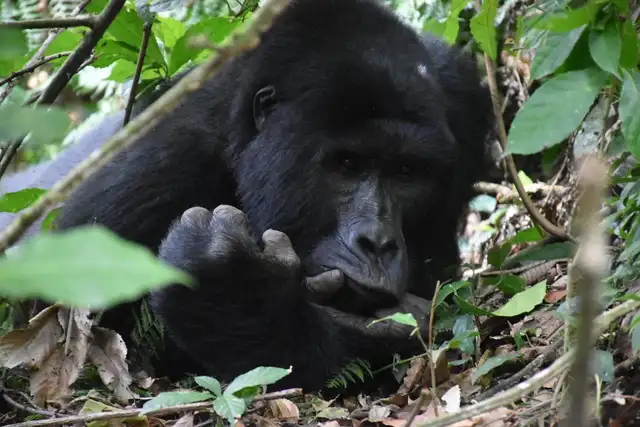
Gorilla trekking Rwanda offers a safe, responsible wildlife experience with conservation etiquette, practical tips, and rewarding forest adventures.
Gorilla trekking in Rwanda is one of the most remarkable wildlife experiences in the world, offering travelers the chance to observe endangered mountain gorillas in their natural habitat. Nestled within the lush forests of Volcanoes National Park, this adventure combines breathtaking scenery with a deep sense of conservation responsibility. Every trek is carefully managed to protect gorilla families while allowing visitors to witness their fascinating behaviors, from playful juveniles to the commanding presence of a silverback. The experience is not only about seeing gorillas up close but also about understanding the delicate balance between tourism and preservation. Rwanda has positioned itself as a leader in sustainable tourism, ensuring that each encounter supports conservation efforts and benefits local communities.
At the heart of gorilla trekking Rwanda lies a commitment to etiquette and respect for wildlife. Visitors are guided by trained rangers who enforce strict rules designed to safeguard gorillas from human impact. From maintaining a safe distance to limiting group sizes, these measures ensure that gorillas remain undisturbed in their forest home. Trekking can be physically demanding, with trails winding through steep terrain and dense vegetation, but the reward is unforgettable: a rare glimpse into the lives of creatures that share nearly 98% of our DNA. This introduction sets the stage for a journey that is both challenging and profoundly meaningful, blending adventure with conservation
Top Gorilla Trekking Rwanda
3 Days Gorilla Trekking Safari in Rwanda
3 Days Chimpanzee Trekking Safari in Nyungwe Forest, Rwanda
4 Days Nyungwe Forest National Park and Lake Kivu Safari
4 Days Golden monkeys And Gorilla Trekking Safari
5 Days Amboseli and Tsavo West Wildlife Safari
6 Days Mount Kilimanjaro Machame Route
8 Day Serengeti, Ngorongoro Crater and Zanzibar
The Top 10 Conservation Etiquette for Gorilla Trekking Rwanda
1. Maintain a Safe Distance
During a Gorilla trekking Rwanda experience, keeping a safe distance of 7–10 meters is vital. Gorillas are highly susceptible to human illnesses, and close contact can transmit diseases like colds or flu. Staying back also keeps them calm, preventing stress or defensive behavior. If a gorilla approaches, remain still and let it pass naturally without moving closer. This rule ensures both your safety and the gorillas’ well-being. Respecting distance is one of the most important conservation practices in Gorilla trekking Rwanda, helping protect these endangered animals while allowing visitors to observe them responsibly.
2. Keep Your Voice Down
Noise control is essential during Gorilla trekking Rwanda. Loud voices or sudden sounds can stress gorillas and disrupt their peaceful forest environment. Speaking in whispers, if necessary, allows you to communicate without disturbing the group. It also helps you appreciate the natural sounds of gorillas interacting, such as chest beats or soft grunts. Keeping quiet ensures the gorillas remain relaxed and natural in their behavior. This practice is a key part of Gorilla trekking Rwanda, as it balances visitor experience with conservation needs, ensuring minimal disturbance to the animals.
3. Don't Use Flash Photography
Flash photography is strictly prohibited during Gorilla trekking Rwanda. A sudden flash can startle gorillas, especially the silverback, and provoke defensive reactions. To avoid this, turn off your flash before entering the forest and adjust your camera settings for low light. This allows you to capture natural images without causing stress. Respecting this rule ensures gorillas remain undisturbed and safe. It also helps visitors enjoy authentic moments without interference. Following this guideline is a crucial part of Gorilla trekking Rwanda, protecting both the animals and the quality of your experience.
4. Never Touch the Gorillas
Touching gorillas during Gorilla trekking Rwanda is forbidden. Physical contact can transmit human diseases and disrupt their natural wild behavior. Even if a young gorilla approaches out of curiosity, resist the urge to reach out. Keeping your hands to yourself ensures the gorillas remain wild and protected. This rule also prevents accidents, as gorillas may react unpredictably to touch. Respecting boundaries is a cornerstone of Gorilla trekking Rwanda, ensuring conservation goals are met while allowing safe and meaningful observation.
5. Don't Trek if You're Sick
Health checks are important for Gorilla trekking Rwanda. Gorillas share 98% of human DNA, making them extremely vulnerable to human illnesses like colds, flu, or respiratory infections. If you feel unwell, report to park authorities, who may allow you to reschedule. This protects gorillas from potentially fatal diseases. Responsible trekking means prioritizing their health over personal plans. This guideline is central to Gorilla trekking Rwanda, ensuring conservation efforts remain strong and gorilla populations stay safe from human-transmitted sickness.
6. Follow Your Guide's Instructions
Guides play a critical role in Gorilla trekking Rwanda. They are trained experts in gorilla behavior and know how to keep both visitors and animals safe. Listening carefully to their briefing and following ranger signals ensures smooth trekking. Guides help manage group movements, prevent stress to gorillas, and handle unexpected situations. Ignoring instructions can put everyone at risk. Respecting guides is a fundamental part of Gorilla trekking Rwanda, as their expertise ensures conservation rules are upheld and the experience remains safe and rewarding.
7. No Eating or Drinking Near Gorillas
Food and drinks are not allowed during Gorilla trekking Rwanda. Eating near gorillas can attract them, leading to unsafe close encounters. Dropped food may also introduce harmful bacteria into their habitat. To prevent this, save snacks and water for before or after the designated one-hour visit. This rule protects gorillas from contamination and keeps the forest clean. It is a vital conservation measure in Gorilla trekking Rwanda, ensuring gorillas remain healthy and their environment stays natural and undisturbed.
8. Leave No Trace
Conservation during Gorilla trekking Rwanda means leaving the forest exactly as you found it. Litter can harm wildlife and spoil the pristine habitat. Carry out all trash, including wrappers, bottles, or tissues, and keep them in your backpack until you return. This practice ensures gorillas and other wildlife live in a clean environment. It also preserves the forest for future visitors. Leaving no trace is a key principle of Gorilla trekking Rwanda, supporting long-term conservation and responsible tourism.
9. Respect the 8-Person and One-Hour Limit
Group size and time limits are enforced during Gorilla trekking Rwanda. Only eight people are allowed per group, and visits are restricted to one hour. These rules reduce stress on gorillas and minimize behavioral disturbance. Staying with your group ensures safety and prevents overcrowding. Limiting time protects gorillas from overexposure to humans. Respecting these limits is essential in Gorilla trekking Rwanda, balancing visitor experience with conservation needs and ensuring gorillas remain undisturbed in their natural habitat.
10. Avoid Direct Eye Contact
During Gorilla trekking Rwanda, avoid direct eye contact with gorillas. A direct stare can be seen as a challenge or act of aggression, especially by the silverback. Instead, maintain a soft, averted gaze, focusing on their shoulders, hands, or the ground nearby. This shows respect and prevents misunderstandings. Avoiding eye contact keeps gorillas calm and ensures safe observation. This simple but important rule is part of Gorilla trekking Rwanda, helping visitors enjoy the experience responsibly while protecting gorilla welfare
What do you wear to gorilla trek Rwanda
For gorilla trekking Rwanda, clothing should be practical and protective. Long-sleeved shirts and long trousers are recommended to guard against scratches from vegetation and insect bites. Neutral colors like green, brown, or khaki help you blend into the forest environment, while bright colors should be avoided. Waterproof jackets and sturdy hiking boots are essential because trails can be muddy and slippery. A hat and lightweight gloves add extra protection. Dressing in layers allows you to adjust to changing temperatures. Proper clothing ensures comfort and safety, making gorilla trekking Rwanda manageable and enjoyable
How hard is the gorilla trek in Rwanda
The difficulty of gorilla trekking Rwanda depends on the gorilla family’s location. Treks can last from one to six hours, often involving steep climbs, muddy paths, and dense vegetation. While not technical, the trek requires stamina and patience. Altitude can also make walking more tiring. Rangers set a steady pace, and porters are available to help carry bags, making the trek more manageable. Though challenging, most healthy adults can complete it successfully. Preparing mentally and physically ensures a smoother experience. Gorilla trekking Rwanda is demanding but rewarding for those ready to walk through natural forest terrain
How much to tip gorilla trekking in Rwanda
Tipping is customary during gorilla trekking Rwanda. For guides, a tip of $10–$20 per person is common, while trackers and porters usually receive $5–$10 each. Porters are especially helpful in carrying bags and assisting on steep trails, so tipping them is appreciated. Tips should be given directly in cash, preferably in local currency or small denominations of dollars. While not mandatory, tipping shows gratitude for the hard work and dedication of the team. It also supports local communities. Including tips in your budget ensures a respectful and smooth gorilla trekking Rwanda experience
Is gorilla trekking cheaper in Uganda or Rwanda
Comparing costs, gorilla trekking Rwanda is more expensive than Uganda. Rwanda’s permit costs $1,500 per person, while Uganda charges $700. The higher price in Rwanda reflects its focus on premium tourism and conservation funding. However, Rwanda offers shorter travel times from Kigali to Volcanoes National Park, making logistics easier. Uganda requires longer transfers to Bwindi or Mgahinga, though it provides more affordable options. Travelers should weigh convenience against cost. Choosing between Uganda and Rwanda depends on budget and travel preferences. Gorilla trekking Rwanda is pricier but more accessible
How fit do you need to be for gorilla trekking
Fitness is important for gorilla trekking Rwanda. Treks can involve hours of walking through steep, muddy, and uneven terrain. While you don’t need to be an athlete, moderate fitness helps manage the hike comfortably. Regular walking, hiking, or stair climbing before the trip prepares your body. Porters are available to assist, making the trek easier for those with less strength. Anyone with reasonable health can complete the trek, but preparation reduces fatigue. Gorilla trekking Rwanda is manageable with basic fitness and determination
What is the best month for gorilla trekking
The best months for gorilla trekking Rwanda are June to September and December to February. These are dry seasons, making trails less muddy and trekking conditions easier. Wildlife viewing is also better because gorillas are more active and accessible. Rainy months like March to May and October to November make trekking harder due to slippery paths, though they offer fewer crowds. Choosing dry months ensures a safer and more comfortable trek. Planning around these seasons helps maximize the experience. Gorilla trekking Rwanda is most enjoyable during dry weather
How to get there for gorilla trekking Rwanda
To get to gorilla trekking Rwanda, most visitors fly into Kigali International Airport, which is the main entry point to the country. From Kigali, it takes about 2–3 hours by road to reach Volcanoes National Park, the home of Rwanda’s mountain gorillas. Transport is usually arranged by tour operators, who provide private vehicles or group transfers. Roads are well-maintained, making the trip straightforward. Travelers should plan to arrive in Kigali at least a day before their trek to allow time for rest and briefing. Permits must be booked in advance, as they are limited and highly regulated. Organizing logistics through a trusted operator ensures a smooth experience. Gorilla trekking Rwanda is accessible and convenient thanks to Rwanda’s compact size and efficient transport system
Best time to go for gorilla trekking Rwanda
The best time for gorilla trekking Rwanda is during the country’s two dry seasons, which run from June to September and December to February. These months provide the most comfortable trekking conditions, with less rainfall, clearer trails, and better visibility in the forest. The dry season also makes hiking through the steep and muddy terrain of Volcanoes National Park more manageable, ensuring a safer and more enjoyable experience. While gorilla trekking is possible year-round, the rainy seasons (March to May and October to November) can make trails slippery and challenging, though they also offer lush scenery and fewer crowds. Ultimately, choosing the dry season maximizes your chances of a smooth trek and rewarding gorilla encounters
Why book gorilla trekking Rwanda with Lamz Tours and Travel
Booking gorilla trekking Rwanda with Lamz Tours and Travel ensures a seamless, personalized, and conservation-focused experience. As specialists in East African safaris, Lamz Tours and Travel offers carefully curated itineraries that highlight Rwanda’s breathtaking landscapes, rich biodiversity, and cultural heritage while prioritizing responsible tourism. Our expert guides provide in-depth knowledge of gorilla behavior and forest ecology, ensuring safe and meaningful encounters in Volcanoes National Park. With attention to detail, they tailor trips to individual preferences, combining gorilla trekking with other adventures such as birding, cultural tours, or scenic lake visits. Choosing Lamz Tours and Travel also supports local communities, as their operations emphasize sustainability and community involvement. This blend of professionalism, conservation ethics, and authentic cultural immersion makes Lamz Tours and Travel a trusted partner for travelers seeking a rewarding gorilla trekking Rwanda trip
Ready to plan your safari?
Talk to a Lamz Tours specialist and get a tailor-made quote.
Make an enquiry