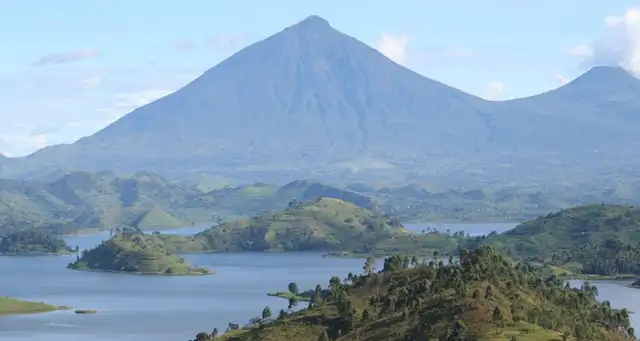
Top spots in Mgahinga National Park on a Uganda Gorilla Treks. Visit gorilla habitats, golden monkey zones, volcanoes, crater lakes, and cultural sites safely.
Mgahinga National Park offers remarkable experiences for anyone on a Uganda Gorilla Treks. Visitors can observe gorillas, see golden monkeys, hike volcanic slopes, and visit crater lakes while learning about the forest ecosystem. The park also provides opportunities to interact respectfully with the Batwa community, gaining cultural insight. With guidance from experienced rangers and structured trekking routes, first-time visitors can enjoy close wildlife encounters and scenic views while ensuring both safety and conservation on a Uganda Gorilla Treks.
Our Best Safaris on a Uganda Gorilla Treks
1 Day To Jinja, Sezibwa falls and Mabira forest Hike
2-Day Kibale Safari Trekking and Chimpanzee Experience
3 Days Gorilla Trekking in Mgahinga Gorilla National Park.
4 Days Fly in Kidepo Valley National Park Safaris
5 Days Safaris To Kibale & Queen Elizabeth National Park
6 Days Murchison Falls and Queen Elizabeth National Park Safari
7 Days Queen Elizabeth Gorillas Trekking In Bwindi and Lake Mburo Safari
8 Days Murchison Chimpanzees Queen Elizabeth and Gorilla Safari
9 Days Best of the Uganda Safari with Gorillas
10 Days Uganda Ultimate Primate Safari
11 Days Gorillas and Chimpanzees Wildlife Safari, Uganda
12 Days Best of Uganda Wildlife Encounter and Cultural Safari
1. Gorilla Families Trekking Area
The Gorilla Families Trekking Area in Mgahinga National Park is the highlight for anyone planning a Uganda Gorilla Treks adventure. This area is home to habituated mountain gorilla groups, allowing visitors to observe them in their natural environment under the guidance of trained park rangers. Trekking to see these gorillas is an immersive experience, as travellers move slowly through dense forests while listening to distant gorilla calls and spotting signs of their presence, such as broken branches or footprints. First-time visitors are often struck by the gorillas’ intelligence, social interactions, and protective family behaviours, creating unforgettable wildlife memories. Guides provide in depth knowledge about gorilla habits, diet, and communication, ensuring that the experience is educational as well as thrilling. Safety is prioritised, with strict regulations on distances, group sizes, and behaviour around the gorillas to protect both visitors and wildlife. A Uganda Gorilla Treks permit not only grants access to these remarkable primates but also contributes directly to conservation efforts, helping sustain the population and the park’s ecosystems for future generations.
2. Virunga Volcanoes Viewpoints
The Virunga Volcanoes are a defining feature of Mgahinga National Park, and the viewpoints scattered across the park are a must-see on any Uganda Gorilla Treks itinerary. From these vantage points, visitors can enjoy breathtaking panoramic views of Mount Sabinyo, Mount Mgahinga, and Mount Gahinga, along with the surrounding lush forests, crater lakes, and distant villages. The viewpoints offer an opportunity to reflect on the park’s geological history and the rich biodiversity it supports. Early mornings or late afternoons provide the most stunning lighting, perfect for photography. Guides explain the volcanic formations, their role in local ecosystems, and how these landscapes support gorillas and other wildlife. First-time visitors are often amazed at the dramatic contrast between rocky peaks and dense tropical forests, creating a unique and memorable setting for trekking. A Uganda Gorilla Treks itinerary that includes these viewpoints combines wildlife observation with breathtaking landscapes, providing a richer and more varied safari experience that blends adventure, education, and natural beauty in one visit.
3. Golden Monkey Habitats
Golden monkeys are one of Mgahinga National Park’s most fascinating primates, and visiting their bamboo forest habitats is a key activity during Uganda Gorilla Treks. These monkeys are highly social, moving in agile groups and displaying striking orange-gold fur that contrasts beautifully with the green bamboo forests. Guided treks allow visitors to observe the monkeys’ playful behaviors, interactions, and vocalizations, often resulting in memorable wildlife encounters. First-time visitors are captivated by how these monkeys coexist with other forest species, including birds, small mammals, and occasional gorilla families in overlapping habitats. Guides provide detailed explanations about their diet, group hierarchy, and behavior, enhancing the educational aspect of the trek. Walking through the bamboo forest also highlights the park’s diverse flora, with rare plants and forest ecosystems on full display. A Uganda Gorilla Treks experience that includes golden monkeys not only offers variety beyond gorilla viewing but also supports conservation programs through trekking fees, helping maintain these endangered species and the habitats they rely on for survival.
4. Mount Sabinyo Base
Mount Sabinyo is one of the three Virunga Volcanoes in Mgahinga National Park, and its base area is a popular stop during Uganda Gorilla Treks itineraries. The base offers excellent opportunities for hiking, wildlife observation, and understanding volcanic ecology. Trails around Mount Sabinyo pass through dense forested areas that are home to gorillas, golden monkeys, birds, and small mammals, allowing trekkers to experience the park’s biodiversity firsthand. Guides provide information on the volcano’s geological formation, local myths, and the relationship between volcanic activity and the surrounding ecosystem. First-time visitors often find the combination of rocky terrain, lush forest, and distant views of crater lakes captivating. The area also serves as a rest point for trekkers before more challenging hikes, allowing travelers to take photographs and observe wildlife from a safe distance. Including Mount Sabinyo Base in a Uganda Gorilla Treks itinerary enhances the adventure by offering both landscape appreciation and additional wildlife observation opportunities, creating a more complete and memorable park experience.
5. Mount Mgahinga Climb
Mount Mgahinga, the park’s namesake volcano, is an essential feature of Uganda Gorilla Treks for travelers seeking a combination of adventure and wildlife observation. Hiking the volcano involves moderate trails through bamboo forests, montane meadows, and volcanic slopes, all of which are habitats for gorillas and golden monkeys. Guides lead visitors along these paths, pointing out unique plant species, animal tracks, and ecological features, providing an educational experience alongside physical activity. First-time trekkers often enjoy the challenge of the climb combined with breathtaking views of the surrounding Virunga Volcanoes and crater lakes. The elevated vantage points allow visitors to see wildlife activity from a distance and take impressive photographs. A Uganda Gorilla Treks itinerary that incorporates Mount Mgahinga ensures a mix of exercise, wildlife encounters, and landscape appreciation, offering a more dynamic safari experience that combines physical activity with the observation of some of East Africa’s most unique and endangered species.
6. Virunga Crater Lakes
The volcanic crater lakes of Mgahinga National Park are serene and visually striking spots included in many Uganda Gorilla Treks itineraries. Formed by past volcanic activity, these lakes provide critical habitats for birds, insects, and small mammals, enhancing the park’s biodiversity. Visitors can enjoy peaceful walks along the edges of the lakes, taking in reflections of surrounding forests and peaks, which make for excellent photography. Guides explain the ecological importance of the lakes and how they support both wildlife and local communities. First-time visitors often find the calmness of the lakes a refreshing contrast to the intensity of gorilla trekking. Walking near the lakes also provides opportunities to spot subtle wildlife activity, such as birds feeding or monkeys moving through nearby forests. Including crater lakes in a Uganda Gorilla Treks itinerary ensures a well rounded experience that combines active trekking, wildlife observation, and moments of tranquillity in a truly unique volcanic landscape.
7. Mgahinga Forest Trails
Mgahinga’s forest trails form the backbone of any Uganda Gorilla Treks experience, connecting gorilla habitats, golden monkey zones, and volcanic slopes. Walking these shaded trails allows visitors to observe animal tracks, bird species, and forest flora up close. First-time trekkers are often amazed at the density and diversity of life, from insects and plants to distant gorilla calls. Guides provide educational insights about the forest ecosystem, animal behavior, and the park’s conservation efforts, making the trek informative and engaging. The trails vary in difficulty, accommodating both moderate hikers and those seeking a more challenging adventure. The dense forest environment provides a sense of immersion, allowing travelers to feel connected to nature while respecting the delicate balance of wildlife habitats. A Uganda Gorilla Treks that incorporates forest trails ensures a comprehensive experience, blending physical activity, learning, and wildlife observation for a richer and more memorable safari adventure.
8. Batwa Community Cultural Sites
Visiting Batwa community sites near Mgahinga National Park adds a cultural dimension to Uganda Gorilla Treks. The Batwa people are indigenous forest dwellers with a rich heritage of music, dance, craft, and ecological knowledge. Guided visits allow travellers to interact respectfully with community members, learn about traditional practices, and understand how locals coexist with gorillas and other wildlife. First time visitors often find these cultural encounters enlightening, gaining perspective on conservation, sustainable livelihoods, and forest stewardship. Supporting Batwa community initiatives through tourism also promotes local economies and preserves traditions. These visits complement wildlife trekking by highlighting the human connection to the park’s ecosystem. Including Batwa cultural experiences in a Uganda Gorilla Treks itinerary creates a more holistic safari, combining education, engagement, and meaningful interactions alongside gorilla observation, enhancing the overall adventure in Mgahinga National Park.
9. Mgahinga Observation Points
Observation points across Mgahinga National Park are essential for safe and rewarding wildlife viewing on Uganda Gorilla Treks. These vantage points allow trekkers to spot gorillas, golden monkeys, birds, and other wildlife without disturbing their natural behaviours. Guides use these locations to explain animal movement patterns, ecological relationships, and the park’s conservation strategies. First time visitors benefit from the opportunity to pause, photograph, and absorb the scenery while maintaining safe distances from wildlife. Observation points also provide rest opportunities during longer treks and enhance the educational component of the journey. Including these sites in a Uganda Gorilla Treks itinerary ensures a balanced experience, combining active trekking, wildlife observation, and learning in a safe, structured manner while maximizing the chance to witness rare primates in their natural habitat.
10. Virunga High Altitude Hikes
High altitude trails on the slopes of the Virunga Volcanoes provide unique perspectives during Uganda Gorilla Treks in Mgahinga National Park. These hikes offer panoramic views of crater lakes, volcanic peaks, and gorilla habitats, adding variety to the trekking experience. Guides explain how altitude affects vegetation, wildlife distribution, and gorilla behavior, providing educational value. First-time visitors enjoy the combination of physical challenge, scenic views, and wildlife spotting, making the hike both rewarding and memorable. These trails also connect multiple points of interest, allowing trekkers to combine volcano observation, forest walks, and gorilla tracking in one itinerary. Including high altitude hikes in a Uganda Gorilla Treks plan ensures a more comprehensive and engaging adventure, balancing exercise, observation, and immersive nature appreciation in one memorable park experience.
Best Time to Visit Mgahinga National Park on a Uganda Gorilla Treks
The best time to plan a Uganda Gorilla Treks in Mgahinga National Park is during the dry seasons from June to September and December to February. These months offer easier trekking conditions, clearer trails, and higher chances of spotting gorillas and golden monkeys. While the wet season between March and May brings lush scenery, trails can be slippery, making trekking more challenging. Early mornings are ideal for observing wildlife, listening to distant gorilla calls, and enjoying the peaceful forest ambience. The volcanoes are often visible in clear weather, providing scenic backdrops for photography. First-time visitors benefit from scheduling their trip during dry months, as it maximises safety, comfort, and wildlife encounters. A Uganda Gorilla Treks during the recommended period allows travellers to move efficiently along the forest trails while enjoying the richness of the park’s biodiversity. Proper timing ensures that each trekking day is rewarding, providing memorable wildlife interactions and safe, accessible routes for all visitors.
How to Get There for a Uganda Gorilla Treks in Mgahinga
Reaching Mgahinga National Park for a Uganda Gorilla Treks requires careful planning, as it is located in southwestern Uganda near the border with Rwanda and the Democratic Republic of Congo. Most visitors fly into Entebbe International Airport and then travel by road to the park, a scenic journey of roughly 500 kilometers through lush countryside, small towns, and tea plantations. Alternatively, travellers can drive from Kigali, Rwanda, via the Gatuna border, making cross-country trips convenient for combined Uganda Rwanda itineraries. 4x4 vehicles are highly recommended because park trails and local roads can be rough, especially during the rainy season. Travellers benefit from working with professional safari operators who handle permits, transportation, and park entry logistics. Choosing a guided option for a Uganda Gorilla Treks ensures seamless transfers, knowledgeable guides, and minimal stress while navigating border points and road conditions. Planning the route carefully enhances the overall safari experience, giving first-time visitors more time to enjoy wildlife, volcanoes, and cultural experiences within Mgahinga National Park.
Things to Do in Mgahinga National Park on a Uganda Gorilla Treks
Mgahinga National Park offers a variety of activities for those on a Uganda Gorilla Treks, ensuring a balanced mix of adventure, wildlife observation, and cultural learning. The primary activity is gorilla trekking, allowing visitors to see habituated gorilla families up close while following expert guides through dense forests. Golden monkey tracking is another highlight, as these rare primates inhabit the bamboo zones on the volcano slopes. Hikes to Mount Mgahinga or Mount Sabinyo provide opportunities for panoramic views, volcano photography, and wildlife spotting. Visitors can also walk forest trails to observe birds, insects, and smaller mammals. Cultural visits to nearby Batwa communities offer insight into local traditions, forest knowledge, and daily life alongside gorilla habitats. First-time trekkers can structure their itinerary to include a combination of hiking, primate tracking, and cultural immersion. A Uganda Gorilla Treks in Mgahinga is rewarding because it blends physical activity, wildlife encounters, and cultural engagement, giving visitors a full understanding of the park’s ecological and human landscapes.
What to Bring for a Uganda Gorilla Treks in Mgahinga
Packing appropriately is crucial for a successful Uganda Gorilla Treks in Mgahinga National Park. Essential items include neutral coloured clothing for blending into the forest, comfortable walking boots, and lightweight rain gear to handle unpredictable weather. Sun protection, including a hat, sunglasses, and sunscreen, is recommended due to the equatorial sun. Binoculars and cameras are vital for capturing gorillas, golden monkeys, and scenic volcano views. Personal items such as insect repellent, a small first aid kit, and sufficient water ensure comfort and safety during long trekking days. Trekking permits, identification, and small amounts of cash for tips or local purchases are also necessary. Guides advise carrying minimal luggage, as trekkers need to move efficiently along forest trails and volcanic slopes. First-time visitors who prepare carefully can fully enjoy their wildlife encounters without distractions. A well-packed Uganda Gorilla Treks allows travelers to focus on gorilla tracking, forest walks, and cultural visits, making the experience both comfortable and memorable.
Health and Safety Tips for a Uganda Gorilla Treks in Mgahinga
Maintaining health and safety is essential for anyone undertaking a Uganda Gorilla Treks in Mgahinga National Park. Travellers should consult a healthcare provider for recommended vaccinations, including yellow fever, typhoid, and hepatitis A, and take malaria prophylaxis due to the tropical environment. Wearing appropriate clothing, using insect repellent, and following hygiene practices reduce risks from insects and waterborne illnesses. During gorilla treks, visitors must maintain the minimum distance, avoid loud noises, and follow ranger instructions to protect both themselves and wildlife. Guides provide briefings on safe trekking, handling encounters with other wildlife, and emergency protocols. Adequate hydration, nutritious snacks, and awareness of altitude or trail difficulty are also important. First-time trekkers benefit from adhering to these guidelines, ensuring a smooth and enjoyable safari. A well prepared Uganda Gorilla Treks allows visitors to focus on wildlife observation, trekking, and cultural experiences while minimising risks, enhancing the overall adventure in Mgahinga National Park.
How Much Does It Cost to Trek with Gorillas in Uganda?
Trekking with gorillas in Uganda is one of the most sought after wildlife experiences, and understanding the costs helps travellers plan effectively for a Uganda Gorilla Treks. The price of a gorilla trekking permit generally ranges from $700 to $1,500 per person, depending on whether you are visiting Bwindi Impenetrable Forest, Mgahinga National Park, or other protected areas. The fees include park entry, ranger guided trekking, and sometimes conservation contributions. Additional costs may cover transportation, accommodation, meals, and optional activities such as nature walks or cultural visits. While the permit cost is high, it supports gorilla conservation, anti-poaching efforts, and local communities, making it a vital contribution. For first-time visitors, budgeting carefully ensures a stress-free experience. Many tour operators, including Lamz Tours and Travel, provide all-inclusive packages that handle permits, transfers, and guiding services, simplifying the logistics. Participating in a Uganda Gorilla Treks is not only an unforgettable adventure but also a meaningful investment in the survival of these endangered primates and the sustainability of Uganda’s national parks.
Is There Gorilla Trekking in Uganda?
Yes, Uganda is one of the few countries in the world where visitors can engage in gorilla trekking, making it a prime destination for Uganda Gorilla Treks. The country is home to over half of the world’s mountain gorilla population, primarily in Bwindi Impenetrable Forest and Mgahinga National Park. Trekking involves guided hikes into dense tropical forests to observe habituated gorilla families, offering a rare opportunity to witness their social interactions, feeding habits, and natural behaviour. The hikes can vary in difficulty, ranging from moderate forest trails to steep mountain paths, depending on the gorilla family’s location. First-time visitors often find the experience both humbling and exhilarating, as gorillas display intelligence, curiosity, and family bonds similar to humans. Trekking is strictly regulated to protect the gorillas and ensure visitor safety, with small group sizes, time limits, and minimum distance rules. Participating in a Uganda gorilla trek allows travellers to see these magnificent animals up close while contributing to conservation efforts and supporting local communities dependent on eco tourism.
Which Month Is Best for Gorilla Trekking in Uganda?
Choosing the right month for gorilla trekking is important to maximise comfort and wildlife viewing during a Uganda Gorilla Treks. The dry seasons, which occur from June to September and December to February, are generally considered the best months for trekking. Trails are more accessible, with less mud and better visibility, making the hikes safer and more comfortable. Wildlife, including gorillas, is easier to spot as they move along established trails and feeding areas. While the wet season from March to May can be challenging due to slippery paths, it also offers lush forest scenery and increased bird activity, providing unique photographic opportunities. First time visitors often prefer the dry months to minimise physical strain and enjoy predictable trekking conditions. Guides play a crucial role in selecting optimal trekking times and routes, ensuring the safety and enjoyment of all participants. Planning a Uganda Gorilla Treks during recommended months enhances the experience, providing smooth access to gorilla habitats while allowing travelers to appreciate the park’s natural beauty fully.
Which Is Better, Gorilla Trekking Uganda or Rwanda?
Choosing between gorilla trekking in Uganda and Rwanda depends on preferences, budget, and itinerary, but both offer memorable experiences as part of a Uganda Gorilla Treks adventure. Uganda is renowned for its larger gorilla population, more diverse trekking locations, and a range of accommodation options that suit both luxury and budget travellers. Trekking in Bwindi Impenetrable Forest or Mgahinga National Park allows visitors to combine wildlife, scenic forests, and cultural interactions. Rwanda, particularly Volcanoes National Park, offers shorter trekking distances, a slightly more structured experience, and world-class luxury lodges, appealing to travellers prioritising convenience. First time visitors to the region often find Uganda’s trekking more adventurous and immersive due to longer hikes and denser forest trails, which enhance the sense of exploration. Both countries contribute significantly to gorilla conservation and require permits for trekking. A carefully planned Uganda Gorilla Treks itinerary can include cross border visits, allowing travelers to experience the highlights of both countries, combining adventure, education, and wildlife observation in one unforgettable journey.
Why Book with Lamz Tours and Travel for a Uganda Gorilla Treks in Mgahinga
Booking with Lamz Tours and Travel ensures a seamless and enriching Uganda Gorilla Treks experience in Mgahinga National Park. The company provides expert guides, comfortable 4x4 vehicles, and pre-arranged trekking permits, making first-time visits stress-free. Their guides are highly knowledgeable about gorilla behaviour, golden monkeys, volcanic landscapes, and local culture, ensuring travellers gain educational insights alongside wildlife observation. Lamz Tours and Travel also customises itineraries based on fitness, interests, and photography preferences, providing flexible options for families, solo travellers, and groups. Safety is prioritised with well-maintained vehicles, structured trekking protocols, and clear health guidelines. Working with Lamz Tours and Travel allows visitors to focus entirely on the park’s wildlife, volcanoes, and cultural sites without worrying about logistics. Every Uganda Gorilla Trek organised by Lamz Tours and Travel supports local communities and conservation initiatives, ensuring that tourism benefits both the travellers and the environment. Choosing Lamz Tours and Travel guarantees a professional, immersive, and memorable gorilla trekking adventure in Mgahinga National Park.
Ready to plan your safari?
Talk to a Lamz Tours specialist and get a tailor-made quote.
Make an enquiry