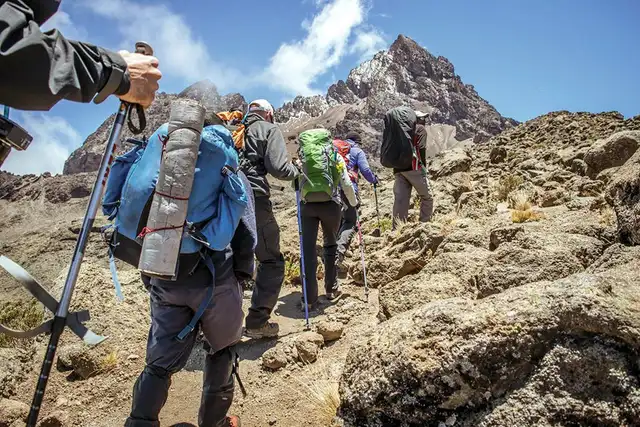
Tips for Kilimanjaro and safari tour combo,for a successful Kilimanjaro and safari tour, focus on physical preparation through regular hiking and endurance training. Acclimatize by choosing longer routes and allowing time for your body to adjust to altitude. Invest in quality gear, including waterproof boots and warm layers. Stay hydrated to combat altitude sickness and follow your guide’s advice for safety. During the safari, choose the right season for wildlife viewing, bring binoculars, and maintain a quiet demeanor. Dress in neutral colors and respect the wildlife by keeping a safe distance. These tips will enhance your adventure and ensure a memorable experience.
Suggested itineraries and popular safari packages
2-days-fly-in-serengeti-safari-in-tanzania
2-days-tarangire-national-park-and-ngorongoro-crater-safari
5-days-mount-kilimanjaro-marangu-route
6-days-mount-kilimanjaro-machame-route
7-day-climbing-kilimanjaro-via-the-machame-route
8-days-kilimanjaro-climbing-safari-lemosho-route-mount
9-days-kilimanjaro-climb-lemosho-route
12-days-mount-kilimanjaro-climb-and-tanzania-safari-tour
Kilimanjaro Tips
Physical Preparation
Training for Kilimanjaro is crucial for success. Engage in regular hiking, focusing on trails that mimic the mountain's conditions. Incorporate cardiovascular exercises like running, cycling, or swimming to build stamina. Strength training, particularly for your legs and core, will help you carry your gear effectively. Consider altitude training when possible, using high-altitude simulators or hiking at elevation. Prior to your trip, embark on multi-day hikes to simulate the experience of climbing Kilimanjaro. This preparation will not only boost your physical fitness but also enhance your mental readiness for the challenges ahead, ensuring a safer and more enjoyable climb.
Acclimatization
Acclimatization is vital for preventing altitude sickness while climbing Kilimanjaro. Choose a longer route, such as the Lemosho or Machame, which allows for gradual ascent and increases your body’s ability to adjust to higher elevations. Spend extra days at key camps to help your body acclimatize. Listen to your body; if you experience symptoms like headaches or nausea, communicate with your guide and consider descending if necessary. Staying hydrated and consuming high-carbohydrate foods can also aid acclimatization. Proper acclimatization not only enhances your chances of reaching the summit safely but also ensures a more enjoyable trekking experience overall.
Proper Gear
Investing in quality gear is essential for a successful Kilimanjaro climb. Start with sturdy, waterproof hiking boots that provide good ankle support, as the terrain can be challenging. Layering is key; pack moisture-wicking base layers, insulating mid-layers, and a waterproof outer shell to adapt to varying temperatures. A comfortable, high-quality sleeping bag rated for cold weather is crucial for a good night's sleep at higher altitudes. Don't forget accessories like gloves, a warm hat, and trekking poles to assist with balance. Having the right gear not only increases your comfort but also enhances your ability to tackle the mountain effectively.
Stay Hydrated
Staying hydrated is critical while climbing Kilimanjaro, as altitude can lead to dehydration. Aim to drink at least three to four liters of water daily. Carry a reliable water purification system, such as purification tablets or a filter, to ensure safe drinking water. It's important to drink consistently throughout the day rather than waiting until you're thirsty, as thirst is often a late indicator of dehydration. Herbal teas and electrolyte-replenishing drinks can also be beneficial. Proper hydration helps combat altitude sickness, maintain energy levels, and improve overall performance, making it a key component of a successful climb.
Guided Tours
Opting for a guided tour on Kilimanjaro is highly recommended for safety and a richer experience. Experienced guides offer invaluable local knowledge, ensuring you navigate the terrain effectively and safely. They can recognize the signs of altitude sickness and provide immediate assistance if needed. Additionally, guides enhance your understanding of the mountain’s ecology, culture, and history, enriching your journey. Porters assist with carrying gear, making your climb more manageable. Choose a reputable tour operator with good reviews and proper certifications to ensure a professional and enjoyable experience, allowing you to focus on the adventure ahead.
Tanzania Safari Tips
Choose the Right Time
Timing your safari is crucial for optimal wildlife viewing. Generally, the dry season, from June to October, is the best time to visit, as animals congregate around limited water sources, making them easier to spot. Research specific migration patterns and seasonal behaviors of animals in the region you plan to visit. Early mornings and late afternoons are prime times for animal activity. Consider local festivals or events that might enhance your experience. By planning your safari during peak wildlife activity, you’ll maximize your chances of witnessing breathtaking animal behaviors and unforgettable moments in the African wilderness.
Binoculars and Camera
Bringing binoculars and a good camera is essential for capturing the wonders of a safari. Binoculars enhance your wildlife viewing experience, allowing you to observe animals from a distance without disturbing them. Choose a pair with a good magnification and clarity. For photography, a digital camera with a zoom lens is ideal for capturing distant wildlife. Ensure you have extra batteries and memory cards, as you’ll want to document every moment. A sturdy camera bag is essential for protection and easy access. By being prepared with the right equipment, you can create lasting memories of your safari adventure.
Stay Quiet
Maintaining a quiet demeanor during your safari is essential for both your enjoyment and the animals' comfort. Many wildlife species are sensitive to noise and may flee at the slightest sound. Keep conversations soft and avoid sudden movements that could startle animals. This approach allows for a more immersive experience, as you'll be able to observe natural behaviors without interference. Your guide will often remind you to stay quiet, as they are trained to enhance wildlife encounters. By respecting the environment and its inhabitants, you'll create a more respectful and rewarding safari experience for everyone involved.
Dress Appropriately
Dressing appropriately for a safari enhances comfort and safety while ensuring a respectful approach to the environment. Opt for neutral-colored clothing, such as khaki, olive, or brown, to blend into the surroundings and avoid startling wildlife. Lightweight, breathable fabrics are ideal for daytime heat, while layering is essential for cooler evenings. Consider wearing a wide-brimmed hat and sunglasses for sun protection. Sturdy, comfortable footwear is crucial for walking safaris. Additionally, insect repellent and sunscreen will protect against bites and sunburn. By dressing wisely, you’ll be more comfortable and ready to fully enjoy your safari experience.
Respect Wildlife
Respecting wildlife is paramount during your safari to ensure a safe and ethical experience. Always maintain a safe distance from animals, as approaching too closely can stress them and lead to dangerous situations. Follow your guide's instructions regarding behavior around wildlife, as they are trained to handle encounters. Avoid feeding animals, as this disrupts their natural behavior and can lead to dependency on humans. Remember that you are a visitor in their habitat, and your actions should reflect a commitment to conservation. By respecting wildlife, you contribute to the preservation of these incredible ecosystems for future generations.
Best Time for Kilimanjaro
The best time to climb Kilimanjaro is during the dry seasons, from June to October and late December to February. These months offer clear skies and stable weather, making for safer climbing conditions. Daytime temperatures are pleasant, while night temperatures can be cold. Choosing these periods increases your chances of reaching the summit successfully and enjoying breathtaking views.
Booking with Lamz Tours and Travel
Booking your Kilimanjaro and safari tour with Lamz Tours and Travel ensures a well-organized and memorable experience. They offer expert guides, personalized itineraries, and comprehensive support throughout your journey. With a focus on safety and sustainability, Lamz Tours and Travel provides quality gear and knowledgeable local guides. Their commitment to customer satisfaction will enhance your adventure, making it unforgettable.
Ready to plan your safari?
Talk to a Lamz Tours specialist and get a tailor-made quote.
Make an enquiry