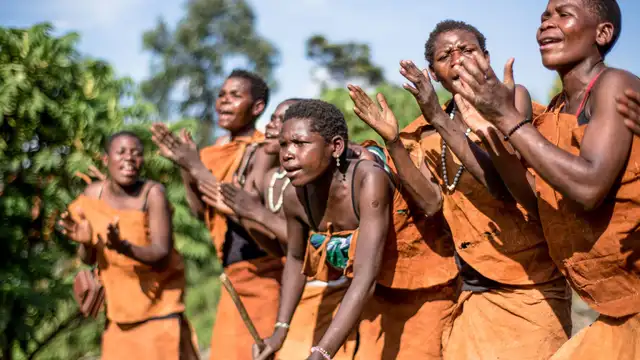
Welcome to Uganda, the (Pearl of Africa), where culture and wildlife intertwine to create a truly mesmerizing experience on the Uganda cultural wildlife safari. This captivating destination offers a blend of rich cultural heritage and unparalleled wildlife encounters, making it the ultimate choice for those seeking adventure and cultural immersion. Imagine misty peaks, lush rainforests, and majestic mountain gorillas all in one breathtaking location. Uganda's diverse cultural tapestry, with over 56 ethnic groups sharing their traditions, music, and art, will leave you captivated by the local way of life. From traditional music and dance to colorful crafts and mouthwatering cuisine, Uganda's cultural treasures are as abundant as its wildlife.
Uganda cultural wildlife safari also leads you to safari adventures in national parks such as Bwindi Impenetrable National Park and Kidepo National Park, where you can witness the incredible biodiversity that calls these natural wonders home. So, if you're ready for a cultural wildlife safari experience that will leave a lasting imprint on your heart, then Uganda is calling your name. Get ready to be swept off your feet by the enchanting beauty of the Pearl of Africa.
Popular Packages for Uganda cultural wildlife safari
3-days-uganda-gorilla-trekking-safari-and-batwa-pygmies-visit-in-bwindi-national-park
3-days-gorilla-trekking-in-mgahinga-gorilla-national-park
5-days-safaris-to-kibale-and-queen-elizabeth-national-park
6-days-cultural-experience-tour-in-uganda
6-days-kidepo-valley-and-murchison-falls-wildlife-safari
6-days-kampala-culture-tour-and-kidepo-valley-wildlife-safari
7-days-african-cultural-tour-uganda
What are the iconic cultural encounters on the Ultimate Uganda cultural wildlife safari experience?
The best highlight cultures to visit for an ultimate Uganda cultural wildlife safari experience include the following
The Batwa People
The Batwa people, also known as the (Pygmies), are one of the most indigenous group of the existing mankind on earth, and mostly met on a Uganda cultural wildlife safari, having a rich cultural heritage deeply rooted in the forests of East Africa, specifically in Uganda, Rwanda, and the Democratic Republic of Congo. They have a history that spans thousands of years, characterized by their traditional lifestyle as skilled hunters and gatherers living in harmony with the natural environment. The Batwa's cultural practices include music, dance, and artistry, all of which reflect their deep connection to the land and its resources.
The ancient history about the Batwa forest keeping tribe
Historically, the Batwa have been known as the original inhabitants of the forest, relying on the forest's resources for sustenance, shelter, and spiritual practices. Their profound knowledge of the forest ecosystem, including medicinal plants and wildlife behaviors, has been central to their way of life. However, the encroachment of modern society has posed significant challenges to the Batwa, including deforestation, land appropriation, and restricted access to their traditional lands.
In contemporary times, the Batwa people face social and economic marginalization due to the loss of their ancestral lands. Efforts are underway by various organizations and activists to support the Batwa in reclaiming their rights, revitalizing their traditions, and promoting sustainable development within their communities.
The Batwa's ancient traditions are deeply intertwined with their environment. Their cultural practices encompass music, dance, storytelling, and animistic beliefs that honor the spirits of nature. Music and dance play a vital role in their celebrations and serve as a means of preserving their identity and heritage. Additionally, language and storytelling are fundamental to the Batwa culture, serving as vessels for passing down knowledge, values, and ancestral tales from one generation to the next.
The Karamojong Tribe
The Karamojong tribe living around the Kidepo valley national park in northeastern Uganda embodies a rich and resilient cultural heritage deeply intertwined with their pastoral lifestyle that makes a Uganda cultural wildlife safari fulfill all the African lifestyle ancient imaginations. Renowned as the "People of Cattle," the Karamojong's way of life revolves around herding and breeding cattle, which symbolize wealth, status, and a profound connection to their ancestral lands. Their existence is intricately woven into the rhythms of nature, showcasing a deep respect for their environment as they move in search of grazing lands and water sources.
The ancient history of the Karamojong cattle warriors
The tribe's historical background is shaped by the interplay of geography, culture, and external influences. Belonging to the larger Nilotic group, the Karamojong have adapted to the arid landscape of Karamoja, developing a pastoralist lifestyle that revolves around cattle herding. Throughout their history, they have faced challenges such as conflicts with neighboring tribes and external pressures from colonial policies and modern state interventions. Despite these adversities, the Karamojong have demonstrated remarkable adaptability, fiercely guarding their customs and social structures.
The traditional clothing and adornments of the Karamojong tribe are vibrant expressions of their way of life and cultural identity. Men wear brightly patterned wraps known as "atar," complemented by beaded necklaces, while women don long, flowing skirts and blouses adorned with intricate beadwork and vibrant patterns. These garments signify social status and family wealth, reflecting the importance of tradition and community within the Karamojong culture.
Central to Karamojong society are the warriors, known as (ngakarimojong), who play a crucial role in protecting the tribe's herds and communities from external threats. They undergo rigorous training and participate in initiation ceremonies that mark their transition into adulthood, reinforcing their commitment to the tribe and fostering a deep sense of belonging and responsibility.
Rituals and ceremonies hold significant importance in Karamojong culture, marking significant life stages and community milestones with color, music, and fervor. From the (Emorimor) rite of passage to vibrant celebrations surrounding the arrival of the rainy season, these events encapsulate the soul of the Karamojong people, fostering a sense of belonging and continuity.
The Karamojong language, Ngakarimojong, reflects the intricacies of their way of life and serves as a vital tool for preserving their culture and history. Traditional greetings, storytelling, and multilingual capabilities further enrich their communication methods, bridging the gap between tradition and modernity.
Highlight wildlife destination to visit in Uganda with high close connection to the cultures
Uganda is a diverse and culturally rich country with a variety of iconic wildlife destinations that offer visitors a close connection to the local cultures. Two of the best destinations to experience this unique combination of wildlife and culture are Bwindi Impenetrable National Park and Kidepo Valley National Park.
Bwindi Impenetrable National Park
This is the most renowned destination and first choice you can take for a Uganda cultural wildlife safari, its renowned for its population of endangered mountain gorillas, and it is also home to the Batwa people, who are indigenous forest-dwelling hunter-gatherers. Visiting Bwindi offers the opportunity to not only track gorillas in their natural habitat but also to learn about the traditional lifestyle and cultural practices of the Batwa community. Visitors can participate in guided walks with Batwa guides, where they can gain insight into the use of medicinal plants, traditional hunting techniques, and the significance of the forest in Batwa culture.
Mgahinga Gorilla National Park
This misty destination in the southwestern part of Uganda is another iconic Uganda cultural wildlife safari destination that offers a close connection to local cultures. In addition to being home to a population of endangered mountain gorillas, the park also has a significant Batwa presence. The Batwa Experience in Mgahinga allows visitors to interact with Batwa community members and learn about their history, traditional skills, and relationship with the forest.
Kidepo Valley National Park
Kidepo valley fulfills true Uganda cultural wildlife safari expectation and traditional ancient way of life and imaginations thought about the remote Africa, just in the northeastern region of Uganda, is known for its stunning landscapes and diverse wildlife, including lions, elephants, and giraffes. The park is also home to the Karamojong and IK people, who have inhabited the area for centuries. A visit to Kidepo provides an opportunity to engage with these pastoralist communities and learn about their unique cultural traditions, including traditional dances, rituals, and the importance of cattle in their way of life. Visitors can also participate in community-led experiences such as homestays, cultural performances, and craft demonstrations to gain a deeper understanding of the local customs and way of life.
How long do you need to make a combined Uganda cultural wildlife safari?
To make a combined Uganda cultural wildlife safari, the ideal duration would be around 7 to 10 days. This timeframe allows for a comprehensive experience that includes visits to cultural heritage sites, interactions with local communities, and wildlife viewing in Uganda's national parks.
When is the best time of the year for Uganda cultural wildlife safari?
The best time of the year for a Uganda cultural wildlife safari is during the dry seasons, which typically occur from December to February and from June to August. During these months, the weather is more predictable, wildlife is easier to spot as they gather around water sources, and road conditions are generally better for traveling between destinations.
Why to choose an operator like Lamz Tours and Travel for Uganda cultural wildlife safari?
Choosing an operator like Lamz Tours and Travel for a Uganda cultural wildlife safari offers several advantages. Lamz Tours and Travel specializes in creating customized itineraries that cater to both cultural and wildlife experiences. Our team holds extensive knowledge of Uganda's diverse cultural heritage and wildlife, ensuring a well-rounded and immersive safari experience. Lamz Tours and Travel prioritizes sustainable tourism practices and works closely with local communities to provide authentic cultural interactions while supporting conservation efforts in Uganda.
Ready to plan your safari?
Talk to a Lamz Tours specialist and get a tailor-made quote.
Make an enquiry