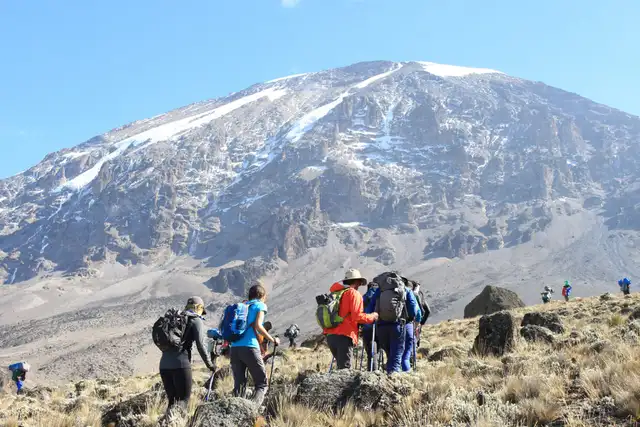
Mount Kilimanjaro, also known as the "Roof of Africa," is one of the world's most iconic and challenging hiking destinations. It is the highest mountain in Africa, standing at 19,341 feet (5,895 meters) tall. Every year, thousands of hikers from all over the world travel to Tanzania to attempt to climb this majestic mountain. But conquering Kilimanjaro requires careful planning and preparation. Located in Tanzania, this majestic peak is not only a geological wonder but also a dream destination for adventure enthusiasts. Kilimanjaro is a stratovolcano, a dormant volcano formed by numerous eruptions over the years. Its distinctive snow-capped peak is a sight to behold, especially against the backdrop of the African savannah. The mountain is part of the Kilimanjaro National Park, a UNESCO World Heritage Site, which encompasses an area of approximately 753 square kilometers.
Reaching the summit of Kilimanjaro is a challenge that attracts thousands of climbers each year. The journey to the top takes you through five distinct climate zones, from lush rainforests teeming with wildlife to arid alpine deserts and ultimately to the icy glaciers near the summit. But conquering Kilimanjaro is not just about the physical feat; it is also an opportunity to immerse yourself in the rich biodiversity of the region. The mountain is home to a variety of flora and fauna, including the endemic Kilimanjaro tree hyrax and various species of birds. As you ascend, you'll witness the changing landscapes and encounter unique plant species adapted to the harsh conditions of high altitudes.
Despite the challenges, the allure of standing atop Africa's highest point and gazing out at the vast landscapes below is an experience that leaves an indelible mark on the hearts of those who reach the summit. It is this allure that draws adventurers from around the world to embark on the ultimate Kilimanjaro hiking safari.
Why people are drawn to this hiking adventure
The allure of climbing Kilimanjaro is undeniable. Standing tall as Africa's tallest mountain, its majestic peak reaches a staggering 5,895 meters (19,341 feet) above sea level. It is not just the physical challenge that draws adventurers from all corners of the globe, but also the awe-inspiring natural beauty and the sense of accomplishment that comes with conquering such a formidable summit.
One of the main reasons people are drawn to this adventure is the sheer magnitude of the mountain itself. Kilimanjaro is a dormant volcano, its dormant status adding an air of mystery and intrigue. The journey to the top takes climbers through five distinct ecological zones, from lush rainforests teeming with wildlife to the barren alpine desert. The changing landscapes provide a captivating experience, allowing climbers to witness the breathtaking diversity of nature as they ascend.
A breakdown of the various routes to the summit
When it comes to conquering Kilimanjaro, choosing the right route is crucial. With several routes to choose from, each offering a unique experience and level of difficulty, it's important to understand the differences before making your decision.
Marangu route
Known as the "Coca-Cola" route, this is the most popular and oldest route on Kilimanjaro. It offers hut accommodations along the way, making it a more comfortable option for those who prefer not to camp. However, its popularity means it can be crowded, and the ascent and descent follow the same path, limiting the opportunity for acclimatization.
Machame route
Often considered the most scenic route, the Machame route is known as the "Whiskey" route. It provides breathtaking views of the surrounding landscape, including the Shira Plateau and Barranco Wall. This route offers better acclimatization opportunities as it follows a "climb high, sleep low" approach. However, it is more challenging than the Marangu route and requires a good level of fitness.
Lemosho Route
The Lemosho route is considered one of the most beautiful routes on Kilimanjaro. It offers a longer and more gradual ascent, allowing for better acclimatization. This route is less crowded, providing a quieter and more peaceful experience. It also offers a high success rate for reaching the summit. However, the longer duration and remote starting point make it a more expensive option.
Rongai route
The Rongai route is the only route that approaches Kilimanjaro from the north. It is less crowded and provides a more remote and wilderness experience. This route offers excellent panoramic views and is known for its diverse scenery. The Rongai route is considered easier than the Machame and Lemosho routes, making it a good option for beginners.
Northern circuit route
The newest and longest route on Kilimanjaro, the Northern Circuit route offers a unique and less-traveled experience. It provides stunning views of the northern slopes of the mountain and offers the highest chance of successful summiting due to its longer duration and better acclimatization. This route is recommended for those seeking a more challenging and adventurous trek.
What to pack on your Kilimanjaro hiking safari
Hiking boots
Ensure that they are well-worn and broken in to prevent discomfort and blisters during the challenging trek. Additionally, pack several pairs of moisture-wicking hiking socks to keep your feet dry and comfortable throughout the expedition.
Warm clothing
Kilimanjaro's climate can vary significantly, from scorching daytime temperatures to freezing cold nights. Be sure to pack lightweight, breathable shirts and trousers for warmer days, as well as insulating base layers and a warm down jacket for colder nights and higher altitudes.
Headlamp or flashlight
It is essential to carry a flashlight because in some case you will have to hike in the early morning hours before the sun arises.
What are the challenges and rewards of hiking Mount Kilimanjaro?
Climbing Kilimanjaro is no easy feat. It presents a unique set of challenges that test not only your physical strength but also your mental fortitude. As you ascend Africa's tallest mountain, the altitude gradually increases, bringing with it a decrease in oxygen levels. This can lead to altitude sickness, causing symptoms such as headaches, nausea, and fatigue. It is crucial to acclimatize properly and listen to your body's signals to prevent any serious health issues.
The physical demands of climbing Kilimanjaro should not be underestimated. The terrain varies from rocky paths to steep slopes, requiring endurance, balance, and agility. Long hours of hiking, sometimes in extreme weather conditions, can take a toll on your body. Training beforehand is essential to build stamina, strengthen your muscles, and improve your cardiovascular fitness. Focus on exercises that target your legs, core, and cardiovascular system to prepare yourself for the demanding trek.
Despite the challenges, the rewards of climbing Kilimanjaro are immeasurable. Standing at the summit, Uhuru Peak, at an elevation of 5,895 meters (19,341 feet), is an awe-inspiring achievement. The breathtaking panoramic views of the surrounding landscapes, bathed in the golden hues of sunrise or sunset, are a sight to behold. The sense of accomplishment and the overwhelming feeling of being on top of the world make every struggle and hardship worthwhile.
What are some of wildlife to encounters while on Ultimate Kilimanjaro Hiking Safari?
As you ascend through the various ecological zones of Kilimanjaro, you'll be treated to sightings of fascinating animals that call this mountain their home. From the lush rainforest zone, where monkeys swing playfully from tree to tree, to the alpine desert zone, where elusive mountain antelopes gracefully navigate the rocky terrain, each encounter is a remarkable experience.
One of the most iconic wildlife encounters on Kilimanjaro is the chance to spot the unique Colobus monkeys. These striking black and white primates are known for their long, flowing tails and distinctive white fringe of fur. Watching them leap effortlessly from branch to branch is a sight that will stay with you long after you've descended from the mountain.
Another remarkable sight is the plethora of bird species that inhabit Kilimanjaro's slopes. From vibrant sunbirds to majestic birds of prey, the diversity of avian life is a treat for bird enthusiasts and nature lovers alike. Keep your eyes peeled for the colorful flashes of feathers and the melodious songs that fill the air.
Why book Kilimanjaro hiking tour with Lamz Tours and Travel
Booking a Kilimanjaro hiking tour with Lamz Tours and Travel is an exceptional choice for adventurers seeking an unforgettable and well-organized experience. With their expertise and dedication to customer satisfaction, Lamz Tours and Travel stands out as a reputable tour operator. From the moment you inquire about the tour, their friendly and knowledgeable staff will guide you through the process, ensuring all your questions and concerns are addressed. They team of experienced guides are certified and possess extensive knowledge of the Kilimanjaro region, providing you with a safe and enjoyable journey to the summit. Moreover, Lamz Tours and Travel meticulously plans each aspect of the tour, including transportation, accommodation, and meals, ensuring a seamless and comfortable experience for all participants.
Ready to plan your safari?
Talk to a Lamz Tours specialist and get a tailor-made quote.
Make an enquiry