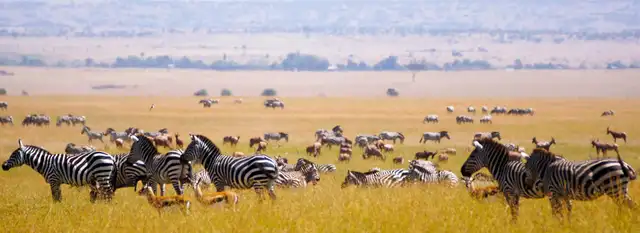
Prime seasons for Tanzania safari trips with wildlife spectacles, cultural events, and special celebrations across Serengeti, Ngorongoro, and beyond.
Best timing for Tanzania safari trips ensures travelers experience the country’s wildlife and landscapes at their most rewarding moments. Tanzania offers distinct safari seasons, each with unique highlights that cater to different interests and budgets. From the dry season between June and October, when the Great Wildebeest Migration river crossings unfold in the Serengeti, to the calving season in January through March, every period brings its own spectacle. Clear skies, concentrated wildlife around waterholes, and reduced mosquito activity make the dry months ideal for first-time visitors and photographers. Meanwhile, the shoulder season balances predator action with fewer crowds, offering excellent value. Choosing the right timing allows travelers to maximize sightings, comfort, and overall safari quality.
Tanzania safari trips ensures that special events such as honeymoons, anniversaries, or cultural celebrations are perfectly aligned with nature’s rhythm. Couples can enjoy romantic bush dinners during the dry season, families can witness wildebeest calves being born in February, and bird lovers can marvel at migratory flocks during the green season. Each safari season provides opportunities not only for wildlife viewing but also for meaningful experiences that blend adventure with relaxation. By planning around these prime times, travelers enjoy smoother logistics, better accommodation options, and a deeper connection to Tanzania’s natural and cultural treasures
Our best Tanzania Safari Trips
2-days-fly-in-serengeti-safari-in-tanzania
2-days-tarangire-national-park-and-ngorongoro-crater-safari
3-days-tanzania-safari-in-serengeti-national-park
3-days-tanzania-wildlife-safari
4-days-epic-tanzania-wildlife-and-culture-safari
5-day-kenya-and-tanzania-safari
5-days-circuit-wildlife-safari-in-tanzania
6-days-ndutu-migration-safari-calving-season
8-day-serengeti-ngorongoro-crater-and-zanzibar
8-days-wildlife-and-beach-holiday-tanzania
The Prime Time to Experience Best Tanzania Safari Trips and special events
The best time for Wildlife and Migration Spectacle from Dry Season Late June to October
The dry season is the most popular time for Tanzania safari trips, offering clear visibility and predictable wildlife movements. This period showcases the dramatic wildebeest river crossings in the Northern Serengeti, where herds face the challenge of the Mara River. With vegetation thin and water sources limited, animals gather around rivers and waterholes, making sightings easier. Fewer mosquitoes also reduce malaria risk, and the weather is pleasant with sunny days and cool mornings. Tanzania safari trips during this season are ideal for photographers and first-time visitors who want reliable game viewing. The main considerations are higher costs and larger crowds, especially in the Serengeti and Ngorongoro Crater, but the wildlife spectacle makes it worth the investment.
The Secret Sweet Spot Shoulder Seasons from January to March
Shoulder seasons provide excellent value for Tanzania safari trips, balancing good wildlife action with fewer crowds. From February to March, the wildebeest calving season in the Southern Serengeti and Ngorongoro Conservation Area offers a chance to see thousands of newborn calves. This attracts predators such as lions, cheetahs, and hyenas, creating intense wildlife activity. Weather is generally warm and dry with occasional short rains, making conditions comfortable. Tanzania safari trips during this time are less expensive compared to peak season, and lodges often have more availability. While river crossings are not part of this period and vegetation can be thicker, the calving spectacle and predator interactions make it highly rewarding for those seeking value and unique wildlife experiences.
The Lush and Green Secret Green Season November, April and Mid-May
The green season is a quieter time for Tanzania safari trips, appealing to travelers who prefer solitude and dramatic landscapes. The parks transform into vibrant green environments, perfect for photography, while migratory birds arrive and resident species display breeding plumage. Lodges often offer discounted rates, and visitors enjoy fewer crowds, making the experience more personal. Tanzania safari trips in this season also feature baby antelopes, adding interest to wildlife viewing. However, heavy rains from April to May can make roads challenging, and animals are more dispersed due to abundant water and thick vegetation. Mosquitoes are more common, so precautions are necessary. This season is best for budget-conscious travelers, bird watchers, and repeat visitors who value peace and natural beauty over concentrated game sightings
Best time for special event on Tanzania safari trips
The best time for special events on Tanzania safari trips depends on the type of experience you want to highlight. For weddings, honeymoons, or anniversaries, the dry season from June to October is ideal. The weather is clear, wildlife is concentrated around waterholes, and the Great Wildebeest Migration river crossings in the Serengeti create a dramatic backdrop. Couples can enjoy private bush dinners, luxury lodges, and sunset game drives, making this period perfect for romantic celebrations. Tanzania safari trips during this season guarantee memorable photos and smooth logistics, though prices are higher due to peak demand.
For cultural events such as traditional ceremonies or local festivals, January to March offers a balance of good weather and fewer crowds. This is also the wildebeest calving season in the Southern Serengeti, where thousands of newborn calves attract predators, adding excitement to game drives. Tanzania safari trips at this time allow travelers to combine wildlife with cultural immersion, visiting Maasai communities or attending local dances and markets. The shoulder season provides better value, making it suitable for group celebrations or family gatherings without the intensity of peak season.
If you want a more private and budget-friendly special event, the green season from November and April to mid-May is a strong choice. The landscape is vibrant, lodges offer discounts, and birdlife is abundant. Tanzania safari trips during this time are perfect for photography workshops, wellness retreats, or intimate celebrations where solitude is valued. Baby antelopes are often seen, adding charm to wildlife drives. While rains can make travel more challenging, the atmosphere is peaceful, and the dramatic skies create unique settings for special occasions.
For milestone events such as birthdays or corporate retreats, combining safari with Lake Kivu or Zanzibar extensions works best in the dry or shoulder seasons. Tanzania safari trips can be paired with beach relaxation, dhow cruises, or cultural tours, giving guests variety and balance. The dry season ensures reliable wildlife viewing, while the shoulder season offers affordability and fewer crowds. Whether it’s a romantic getaway, cultural celebration, or professional gathering, timing your safari around these seasons ensures the event is meaningful, well-organized, and enriched by Tanzania’s natural and cultural treasures
Best destinations to visit for Tanzania safari trips
The best destinations for Tanzania safari trips include the Serengeti, Ngorongoro Crater, and Tarangire National Park, each offering unique wildlife and landscapes.The Serengeti National Park is the crown jewel of Tanzania safari trips, famous for the Great Wildebeest Migration and its vast plains teeming with predators and herbivores. From June to October, visitors can witness dramatic river crossings in the north, while January to March showcases the calving season in the south. The Serengeti is also home to lions, cheetahs, elephants, and giraffes, making it a year-round safari hotspot. Its sheer size and diversity ensure that every game drive feels different, offering travelers endless opportunities for wildlife viewing and photography.
The Ngorongoro Crater is another must-visit destination during Tanzania safari trips. This UNESCO World Heritage Site is a massive volcanic caldera that hosts one of the densest concentrations of wildlife in Africa. Within its walls, travelers can spot the Big Five lion, elephant, buffalo, leopard, and rhino alongside hippos and flamingos in the crater lake. The unique geography creates a natural enclosure, making game viewing highly reliable. Ngorongoro also offers cultural experiences with the Maasai communities living nearby, adding depth to the safari.
For those seeking variety, Tarangire National Park is a standout destination on Tanzania safari trips. Known for its large elephant herds and iconic baobab trees, Tarangire provides a different atmosphere compared to the Serengeti and Ngorongoro. During the dry season, animals gather around the Tarangire River, creating excellent viewing opportunities. The park is less crowded, offering a more intimate safari experience. Bird lovers will also appreciate the diverse species found here, making Tarangire a rewarding stop for both wildlife and landscape enthusiasts
Top best things to do during Tanzania safari trips
One of the most remarkable highlights of Tanzania safari trips is experiencing the Great Wildebeest Migration in the Serengeti. Each year, millions of wildebeest, zebras, and gazelles move across the plains in search of fresh grazing, creating dramatic scenes of survival. From June to October, river crossings at the Mara River showcase nature’s raw power, while February to March in the Ndutu area brings calving season, attracting predators. Travelers can enjoy guided game drives that position them at key migration points, ensuring unforgettable wildlife action. Tanzania safari trips during this event provide photographers and wildlife lovers with unmatched opportunities to capture dramatic moments and appreciate the scale of Africa’s most famous natural spectacle.
The Ngorongoro Crater is a must-see destination during Tanzania safari trips, offering one of the densest concentrations of wildlife in Africa. This UNESCO World Heritage Site is a massive volcanic caldera where visitors can spot the Big Five lion, elephant, buffalo, leopard, and rhino within a single day. The crater floor also hosts hippos, flamingos, and large herds of antelope, making game drives highly rewarding. Beyond wildlife, travelers gain cultural insights by visiting nearby Maasai communities, who live in harmony with the land. Tanzania safari trips here combine breathtaking views from the crater rim with reliable wildlife encounters inside, making it an essential stop for both first-time safari-goers and seasoned travelers seeking variety and depth.
Tarangire National Park is another highlight of Tanzania safari trips, known for its massive elephant herds and striking baobab trees. During the dry season, animals gather around the Tarangire River, creating excellent opportunities to see diverse species such as lions, giraffes, zebras, and wildebeest. Birdwatchers are particularly drawn to Tarangire, with over 500 species recorded, including colorful migratory birds. The park is less crowded compared to the Serengeti and Ngorongoro, offering a more intimate safari experience. Tanzania safari trips here provide a balance of wildlife viewing and peaceful landscapes, making it ideal for travelers who want to enjoy nature without heavy tourist traffic while still experiencing rich biodiversity.
A unique way to enhance Tanzania safari trips is by combining wildlife adventures with relaxation on Zanzibar’s beaches. After days of game drives, travelers can unwind on white sandy shores, swim in turquoise waters, and enjoy spice tours or Stone Town’s cultural heritage. Couples often choose Zanzibar as a romantic extension, while families appreciate the balance of safari excitement and beach leisure. Tanzania safari trips paired with Zanzibar offer variety, allowing visitors to experience both thrilling wildlife and coastal charm. This combination ensures a well-rounded holiday, blending adventure with relaxation, and is especially popular for honeymooners or those seeking a complete East African travel experience.
Cultural immersion is an important part of Tanzania safari trips, and visiting Maasai villages provides authentic insight into local traditions. Travelers can learn about Maasai customs, dress, dances, and daily life, gaining a deeper understanding of how communities coexist with wildlife. These experiences highlight the human side of conservation, showing how tourism supports livelihoods and cultural preservation. Tanzania safari trips that include cultural visits enrich the overall adventure, offering more than just wildlife viewing. Guests leave with stories of resilience, heritage, and connection, making their safari meaningful on multiple levels. It’s an opportunity to appreciate both the natural wonders and the people who call Tanzania home
How much does a Tanzania safari cost?
The cost of Tanzania safari trips varies widely depending on the level of comfort and inclusions. Budget safaris can start at around $250 per person per day, covering basic lodges and group game drives. Mid-range options average $350–$600 per day, offering comfortable accommodations and private guides. Luxury Tanzania safari trips range from $700 to $1,500 per person per day, with exclusive lodges, gourmet meals, and personalized services. Prices also depend on the season, with peak months like June to October being more expensive. Travelers should also budget for park fees, flights, and extras such as cultural tours or Zanzibar extensions
Which safari is best in Tanzania?
The Serengeti National Park is often regarded as the best destination for Tanzania safari trips. Famous for the Great Wildebeest Migration, it offers year-round wildlife viewing with predators and large herds roaming its vast plains. From July to October, visitors can witness dramatic river crossings at the Mara River, while February to March showcases the calving season in Ndutu. Tanzania safari trips in the Serengeti provide diverse experiences, from luxury lodges to mobile camps, ensuring travelers can tailor their adventure. While Ngorongoro Crater and Tarangire are also excellent, the Serengeti’s scale, biodiversity, and migration spectacle make it the top choice for most visitors
Is Kruger or Serengeti better?
Comparing Kruger in South Africa with the Serengeti in Tanzania highlights different strengths. Kruger is larger and offers excellent infrastructure, self-drive options, and reliable Big Five sightings. It is more accessible and often more affordable. However, Tanzania safari trips in the Serengeti are unique for the Great Wildebeest Migration, where millions of animals move across the plains, creating one of the world’s most dramatic wildlife events. The Serengeti also provides vast open spaces and fewer crowds in certain areas, giving a more immersive wilderness feel. Ultimately, Kruger suits travelers seeking convenience and variety, while the Serengeti is unmatched for migration spectacles and classic safari experiences
Best things to bring for Tanzania safari trips
When preparing for Tanzania safari trips, Make sure you pack lightweight neutral-colored clothing, sturdy walking shoes, and a wide-brimmed hat to handle both sun and dust. A good pair of binoculars enhances wildlife viewing, while a camera with extra batteries and memory cards ]ensures you capture every moment. Sunscreen, insect repellent, and reusable water bottles are essential for comfort and protection. A small backpack helps carry daily items, and a light jacket or sweater is useful for cool mornings and evenings. Personal items such as travel documents, cash for tips, and any necessary medication should be included. These basics make Tanzania safari trips smoother, keeping you comfortable and ready to enjoy the wildlife and landscapes without unnecessary stress
Best places to stay in during Tanzania safari trips
The best places to stay during Tanzania safari trips range from luxury lodges to authentic tented camps, each offering comfort close to prime wildlife areas. In the Serengeti, options like Singita Sasakwa Lodge and Four Seasons Safari Lodge Serengeti provide high-end experiences with panoramic views of the plains. Around the Ngorongoro Crater, Ngorongoro Serena Safari Lodge and The Highlands Camp combine stunning crater vistas with unique design. In Tarangire, Tarangire Treetops and Oliver’s Camp are popular for their intimate atmosphere and proximity to large elephant herds. For travelers seeking variety, Ruaha National Park and Nyerere (Selous) National Park also host excellent lodges such as Jongomero Camp and Sand Rivers Selous, making Tanzania safari trips both diverse and rewarding
Why book Tanzania safari trips with Lamz Tours and Travel
Booking Tanzania safari trips with Lamz Tours and Travel ensures a seamless and well-structured experience backed by expert knowledge of East African destinations. The company specializes in organizing personalized itineraries that cover the Serengeti, Ngorongoro Crater, Tarangire, and even extensions to Zanzibar, making each safari unique and rewarding. With professional guides, reliable logistics, and strong community connections, Lamz Tours and Travel guarantees that every detail from permits to accommodation is handled with precision. Tanzania safari trips arranged through them also emphasize conservation and cultural integration, allowing travelers to enjoy wildlife while supporting local communities. Choosing Lamz Tours and Travel means peace of mind, authentic experiences, and a safari crafted to deliver maximum value and lasting memories
Ready to plan your safari?
Talk to a Lamz Tours specialist and get a tailor-made quote.
Make an enquiry