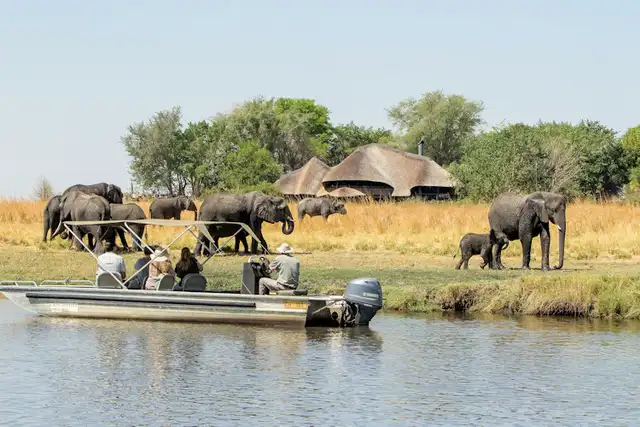
Cheapest months for African safari Botswana are November–March and April–November, offering budget rates, rewarding wildlife, and fewer crowds.
An African safari Botswana offers travelers a chance to experience one of the most diverse and wildlife-rich destinations in Southern Africa at different price points depending on the season. The cheapest months fall between November and March, known as the green season, when lodges and camps reduce rates by up to 50%, making safaris accessible to budget-conscious visitors. April and November serve as shoulder months, balancing affordability with rewarding wildlife sightings, while May to October remains the premium dry season with peak game viewing but higher costs. Whether you choose mokoro rides in the Okavango Delta, river cruises in Chobe, or predator tracking in Moremi, Botswana delivers authentic safari experiences year-round. Booking wisely ensures your African safari Botswana adventure is both memorable and cost-effective.
Our Popular safaris
November–March
The green season from November to March is the most affordable period for African safari Botswana trips. Prices drop significantly, with budget safaris starting around $180 per person per day. Camps that normally charge $1,500 in August may reduce rates to about $700 in January, making this season attractive for cost-conscious travelers. Birdwatching is excellent, with migratory species arriving, and the zebra migration in Makgadikgadi and Nxai Pan adds unique value. Newborn wildlife also enhances sightings, though animals are more dispersed compared to the dry season. Rainfall can make roads muddy, and some Delta camps close, but for travelers prioritizing savings, this is the best time to book African safari Botswana packages.
Budget Value
Choosing November to March for African safari Botswana ensures travelers get the lowest rates without missing out on authentic experiences. Lodges and mobile safaris offer discounts of 30–50%, making extended stays more affordable. This season is particularly rewarding for bird lovers and those interested in dramatic skies and vibrant landscapes. While predator sightings may be less concentrated, the overall diversity remains strong. Travelers should be prepared for occasional showers, but these are usually brief and do not stop game drives. For those who want to stretch their budget while still enjoying wildlife and cultural highlights, the green season provides unmatched value. It’s a practical way to enjoy African safari Botswana without paying peak-season prices.
Practical Considerations
Travelers booking African safari Botswana during November to March should plan for flexible itineraries and rustic conditions. Muddy roads may slow transfers, and some remote camps close due to flooding, but accessible areas like Chobe and Hwange remain open and productive. Group safaris are common, helping reduce costs further, while self-drive options are possible for experienced adventurers. Photography enthusiasts benefit from dramatic skies and lush vegetation, though visibility can be reduced compared to dry months. Overall, this season is ideal for travelers who prioritize affordability and unique experiences over luxury. By choosing green season African safari Botswana packages, visitors gain memorable wildlife encounters at a fraction of the usual cost.
April and November
April and November are transitional months that provide excellent value for African safari Botswana trips. Rates are lower than peak season but slightly higher than the full green season, making them a smart choice for travelers who want affordability without sacrificing quality. Wildlife viewing remains rewarding, especially along the Chobe riverfront and in Hwange, where animals gather near water sources. Crowds are moderate, so visitors enjoy quieter experiences compared to July or August. These months also offer more predictable weather than the rainy season, with fewer disruptions to game drives. For travelers balancing cost and wildlife opportunities, April and November stand out as practical times to book African safari Botswana packages, combining savings with strong sightings.
Weather and Wildlife
During April and November, conditions are more stable compared to the heavy rains of the green season, making African safari Botswana trips smoother and more reliable. April marks the end of the rains, leaving landscapes fresh and vibrant, while November signals the start of the wet season, with wildlife still concentrated around rivers and waterholes. These months are excellent for photography, with clear skies and dramatic sunsets. Birdlife is active, and sightings of elephants, buffalo, and predators remain strong. While not as dense as peak dry season, the balance between cost and wildlife makes these transitional months appealing. Choosing African safari Botswana in April or November ensures rewarding experiences without the high expenses of peak travel.
Practical Benefits
Travelers opting for April or November benefit from moderate crowds and reduced costs, making African safari Botswana more accessible. Lodges and camps often offer discounted rates compared to peak months, while still providing quality services and guided activities. Transfers are smoother than in the rainy season, and most camps remain open, ensuring a wide range of choices. These months are ideal for travelers who want to avoid the busiest safari season yet still enjoy strong wildlife viewing. For those seeking affordability, comfort, and reliable conditions, April and November are practical times to book African safari Botswana packages. They strike the right balance between savings, wildlife, and overall safari experience.
Cost Comparison for the cheapest months for African safari Botswana
Dry Season (May–October)
The dry season is the most popular time for African safari Botswana, offering the best game viewing, Okavango Delta floods, and predator activity. Wildlife gathers around waterholes, making sightings predictable and rewarding. However, this period comes with high costs, as demand peaks and lodges charge premium rates. Travelers can expect prices to be at their highest, often double compared to other seasons. While the experience is excellent, budget-conscious visitors may find it challenging to afford extended stays. For those prioritizing wildlife density and clear visibility, this is the prime time to book African safari Botswana, but it requires a larger budget.
Green Season (November–March)
The green season is the cheapest time for African safari Botswana, with rates dropping 30–50% compared to peak months. Budget safaris start around $180 per person per day, and camps that charge $1,500 in August may reduce to $700 in January. This period offers lush landscapes, newborn animals, and excellent birdwatching, including the zebra migration in Makgadikgadi and Nxai Pan. Downsides include muddy roads, dispersed wildlife, and some Delta camps closing due to flooding. Still, for travelers seeking affordability and fewer crowds, this is the most practical time to book African safari Botswana, delivering strong value despite less concentrated game viewing.
Shoulder Months (April and November)
April and November provide a middle ground for African safari Botswana, offering good sightings and moderate crowds at reasonable prices. Rates are lower than peak season but higher than the full green season, making them ideal for travelers who want balance. Wildlife viewing remains rewarding, especially in Hwange and Chobe riverfront areas, where animals gather near water sources. Weather is more predictable than the rainy season, and most camps remain open, ensuring smoother logistics. For those who want affordability without sacrificing quality, these transitional months are practical times to book African safari Botswana, combining savings with reliable wildlife experiences.
What are the things to do on African safari Botswana
On an African safari Botswana, travelers can enjoy a wide range of activities that highlight the country’s diverse landscapes and wildlife. The Okavango Delta offers mokoro canoe rides through winding channels, giving close views of elephants, hippos, and birdlife. In Chobe National Park, river cruises showcase massive elephant herds and predators along the banks. Moremi Game Reserve is ideal for game drives and predator tracking, while Makgadikgadi salt pans provide unique quad biking, meerkat walks, and stargazing. Walking safaris add a more intimate bush experience, and seasonal highlights like the zebra migration in Nxai Pan enrich the adventure. Helicopter flights over the Delta and rhino tracking at Khama Rhino Sanctuary further expand options. These varied experiences make African safari Botswana both affordable and rewarding.
Booking African safari Botswana with Lamz Tours and Travel
Booking African safari Botswana with Lamz Tours and Travel is a straightforward process that ensures travelers get both value and quality. Our team specializes in tailoring itineraries to match your budget, preferred destinations, and travel style, whether you want mokoro rides in the Okavango Delta, river cruises in Chobe, or predator tracking in Moremi. Most packages include accommodation, park fees, transfers, and guided activities, making logistics simple and cost-effective. By choosing Lamz Tours and Travel, you benefit from expert planning, reliable execution, and authentic experiences that highlight Botswana’s wildlife and landscapes. With options ranging from budget-friendly to more comfortable lodges, their African safari Botswana packages are designed to maximize your time in the bush while keeping costs transparent and manageable.
Ready to plan your safari?
Talk to a Lamz Tours specialist and get a tailor-made quote.
Make an enquiry