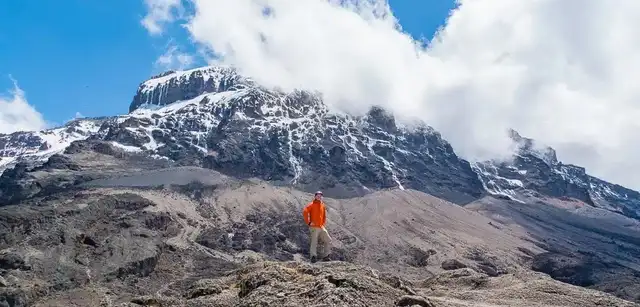
The best time for hiking Mount Kilimanjaro falls during the dry seasons, from late June through October and from late December through early March.
Popular African Safari Packages
3 Days Gorilla Trekking Safari in Rwanda
3 Days Chimpanzee Trekking Safari in Nyungwe Forest, Rwanda
4 Days Nyungwe Forest National Park and Lake Kivu Safari
4 Days Golden monkeys And Gorilla Trekking Safari
5 Days Amboseli and Tsavo West Wildlife Safari
6 Days Mount Kilimanjaro Machame Route
8 Day Serengeti, Ngorongoro Crater and Zanzibar
Best Time for Hiking Mount Kilimanjaro in Tanzania
The best time for hiking Mount Kilimanjaro falls during the dry seasons, specifically from late June through October and from late December through early March. These periods offer the most stable weather conditions for hiking Mount Kilimanjaro, with minimal rainfall, clear skies, and excellent visibility from the summit. Professional guides consistently report the highest success rates for hiking Mount Kilimanjaro during these months, as stable weather patterns reduce the risk of dangerous storms and improve overall climbing conditions.
The June to October window represents peak season for hiking Mount Kilimanjaro, coinciding with Tanzania's dry winter months when precipitation levels drop significantly. During this period, hiking Mount Kilimanjaro benefits from cooler daytime temperatures, crisp clear nights, and minimal cloud cover that can obstruct summit views. Many experienced climbers prefer this timeframe for hiking Mount Kilimanjaro because the stable high-pressure systems create consistent weather patterns that are easier to predict and plan around.
The secondary climbing season from late December through early March also provides excellent conditions for hiking Mount Kilimanjaro, though with slightly different characteristics than the June-October period. This timeframe for hiking Mount Kilimanjaro features warmer temperatures and shorter days, but still maintains the dry conditions essential for safe mountain climbing. Adventure tour operators often recommend this period for hiking Mount Kilimanjaro to travelers who want to avoid peak season crowds while still enjoying favorable weather conditions.
How to Get There to Hiking Mount Kilimanjaro
Reaching the starting point for hiking Mount Kilimanjaro typically begins with flying into Kilimanjaro International Airport (JRO), located approximately 50 kilometers from the mountain's base. Most international travelers planning hiking Mount Kilimanjaro will connect through major African hubs like Nairobi, Addis Ababa, or European cities with direct flights to Tanzania. The airport serves as the primary gateway for hiking Mount Kilimanjaro adventures, offering convenient access to both Moshi and Arusha, the two main staging towns for mountain expeditions.
Ground transportation from the airport to your hiking Mount Kilimanjaro starting point involves a scenic 45-minute drive through Tanzania's Northern Circuit region. Most tour operators specializing in hiking Mount Kilimanjaro include airport transfers in their packages, ensuring seamless transportation to your pre-climb accommodation. Independent travelers planning hiking Mount Kilimanjaro can arrange private transfers, shared shuttles, or rental cars, though most climbing companies recommend against self-driving due to local traffic conditions and navigation challenges.
Alternative access routes for hiking Mount Kilimanjaro include flying into Nairobi's Jomo Kenyatta International Airport and taking ground transportation across the Kenya-Tanzania border. This option for reaching your hiking Mount Kilimanjaro starting point involves a longer journey but can sometimes offer better international flight connections and pricing. Border crossings for hiking Mount Kilimanjaro require valid passports and visas, with most nationalities eligible for visa-on-arrival services at official crossing points between Kenya and Tanzania.
Best Things to Do When Hiking Mount Kilimanjaro
The primary attraction when hiking Mount Kilimanjaro centers around experiencing five distinct climate zones as you ascend from tropical rainforest to arctic summit conditions. Each day of hiking Mount Kilimanjaro reveals dramatically different ecosystems, from lush montane forests filled with colobus monkeys to alpine deserts resembling lunar landscapes. Wildlife spotting opportunities while hiking Mount Kilimanjaro include encounters with blue monkeys, buffalo, elephants at lower elevations, and unique high-altitude species like the Kilimanjaro shrew found nowhere else on earth.
Photography enthusiasts will find endless opportunities while hiking Mount Kilimanjaro, from capturing sunrise over the African plains to documenting the otherworldly beauty of the Barranco Wall. The summit day of hiking Mount Kilimanjaro offers unparalleled photographic moments, including the famous sign at Uhuru Peak and panoramic views across Kenya and Tanzania. Night photography while hiking Mount Kilimanjaro can be spectacular, with minimal light pollution allowing for stunning shots of star-filled skies and the Southern Cross constellation.
Cultural interactions form an integral part of hiking Mount Kilimanjaro, as you'll work alongside local guides and porters who share stories of Tanzanian culture and mountain traditions. Many climbing routes for hiking Mount Kilimanjaro pass through small villages where you can observe traditional farming methods and interact with local communities. Learning basic Swahili phrases enhances your hiking Mount Kilimanjaro experience, as guides and porters appreciate efforts to communicate in their local language and often share more detailed insights about the mountain's cultural significance.
What to Pack for Hiking Mount Kilimanjaro?
Essential gear for hiking Mount Kilimanjaro includes a comprehensive layering system designed to handle extreme temperature variations from tropical heat to sub-zero summit conditions. Your packing list for hiking Mount Kilimanjaro should prioritize moisture-wicking base layers, insulating mid-layers, and completely waterproof outer shells that can withstand both mountain storms and morning frost. Quality hiking boots represent the most critical equipment investment for hiking Mount Kilimanjaro, as improper footwear leads to blisters, injuries, and potential evacuation from the mountain.
Technical equipment for hiking Mount Kilimanjaro includes a four-season sleeping bag rated to -10°C, insulated sleeping pad, and trekking poles for stability on steep sections and scree slopes. Your backpack for hiking Mount Kilimanjaro should be appropriately sized (65-75 liters) with a rain cover, as weather conditions can change rapidly at altitude. Headlamps with extra batteries are essential for hiking Mount Kilimanjaro, particularly during pre-dawn summit attempts when you'll be climbing in complete darkness for several hours.
Personal items for hiking Mount Kilimanjaro include high-SPF sunscreen, quality sunglasses, and lip balm with UV protection, as solar radiation intensifies significantly at high altitude. Water purification tablets or a reliable filtration system are necessary for hiking Mount Kilimanjaro, though many operators provide treated water at camps. Comprehensive first aid supplies for hiking Mount Kilimanjaro should include altitude sickness medication, blister treatment, pain relievers, and any personal prescription medications in quantities exceeding your planned climbing duration.
Where to Sleep, Eat and Drink During Hiking Mount Kilimanjaro
Accommodation during hiking Mount Kilimanjaro varies by route, with some paths offering mountain huts while others require camping in designated areas along the trail. The Marangu route for hiking Mount Kilimanjaro features a series of A-frame huts with basic sleeping quarters and communal dining areas, providing more comfort than camping alternatives. Other routes for hiking Mount Kilimanjaro utilize high-quality mountain tents and temporary campsites, offering a more adventurous but potentially challenging accommodation experience depending on weather conditions.
Meals while hiking Mount Kilimanjaro are typically provided by tour operators and prepared by skilled mountain cooks who specialize in high-altitude cuisine. The food during hiking Mount Kilimanjaro focuses on high-carbohydrate, easily digestible options that provide sustained energy for climbing while being gentle on altitude-affected digestive systems. Breakfast for hiking Mount Kilimanjaro usually includes porridge, eggs, and hot beverages, while dinners feature hearty soups, rice or pasta dishes, and locally-sourced vegetables when available.
Water management during hiking Mount Kilimanjaro requires careful attention to both quantity and quality, as dehydration significantly increases altitude sickness risk. Most operators provide treated water for hiking Mount Kilimanjaro at camps, but climbers should carry purification tablets or filtration devices as backup options. Hot beverages play a crucial role in hiking Mount Kilimanjaro nutrition, providing warmth, calories, and psychological comfort during cold mountain evenings and early morning starts.
Booking a Hiking Mount Kilimanjaro Safari with Lamz Tours and Travel
Selecting the right tour operator for hiking Mount Kilimanjaro significantly impacts your safety, success rate, and overall mountain experience. We specializes in hiking Mount Kilimanjaro expeditions with experienced guides, quality equipment, and comprehensive support services that maximize your chances of reaching the summit. Our approach to hiking Mount Kilimanjaro emphasizes safety protocols, proper acclimatization schedules, and personalized service that adapts to individual climber needs and experience levels.
Contact Lamz Tours and Travel to start planning your hiking Mount Kilimanjaro expedition.
Ready to plan your safari?
Talk to a Lamz Tours specialist and get a tailor-made quote.
Make an enquiry