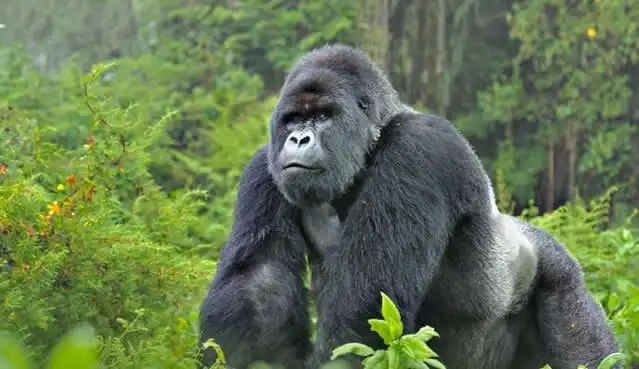
Reasons why gorillas belong on every Uganda safari bucket list, focusing on guided trekking in Bwindi, close gorilla viewing, conservation support, and meaningful wildlife moments in Uganda.
Gorilla trekking in Uganda is a once in a lifetime adventure that takes you deep into the misty forests of Bwindi Impenetrable and Mgahinga National Parks. Guided by expert trackers, you hike through lush vegetation in search of mountain gorilla families, witnessing their gentle interactions, playful juveniles, and strong family bonds. The experience is both thrilling and deeply moving, offering a rare connection with nature. Trekking also supports conservation and local communities, making it meaningful as well as memorable. For wildlife lovers, gorilla trekking is the ultimate highlight of any Uganda safari.
Our Best Safari on Uganda Safari
1 Day To Jinja, Sezibwa falls and Mabira forest Hike
2-Day Kibale Safari Trekking and Chimpanzee Experience
3-Day Gorillas in Bwindi with Lake Mburo Safaris for Budget
4 Day Uganda Tour with Chimp and Gorilla Encounter
5 Days Uganda Safari with Kibale Chimp Tracking and Semuliki Hot Springs
6-Day Gorilla Safari Uganda with the big five adventure
7 Day Uganda African safari from Ziwa rhinos, Murchison falls, Kidepo to Jinja.
8 Day wildlife Uganda safaris with chimps in Kibale forest
9-Day Uganda African Big Five Safari Experiences with Ziwa Rhinos
10 Days Uganda Safari Gorilla, Wildlife and Chimpanzees
1. One of the world’s most powerful wildlife encounters
Gorilla trekking offers one of the closest and most powerful wildlife interactions any traveller can experience, especially on a gorillas-and-chimps-inclusive. Standing a few meters from a massive silverback or watching a baby gorilla cling to its mother gives you a deep sense of connection that photographs and documentaries can never fully convey. The forest atmosphere adds to the intensity the cool air, the soft rustling of leaves, and the quiet presence of the gorilla family create a moment that feels surreal yet incredibly real. Observing their calmness and natural behaviour reminds you how extraordinary these animals are and how rare it is to meet them in their own habitat. Very few wildlife experiences allow such proximity without cages, vehicles, or barriers. This makes gorilla trekking not only unique but also emotionally enriching on any Uganda safari.
2. Deeply moving experience in their natural habitat
Seeing gorillas in their natural habitat creates a profound emotional response, making every Uganda safari deeply memorable. The forest setting thick vines, misty air, soft bird calls feels completely untouched, allowing you to witness gorillas as they truly are, without any artificial influence. Their gentle behaviour, expressive eyes, and slow, deliberate movements are fascinating to observe. Watching how individuals interact peacefully within the group helps you appreciate their intelligence and emotional depth. There is something special about seeing animals that share nearly 98% of our DNA living freely and confidently in the wilderness. This experience often changes how travellers view nature, conservation, and even human connection. The combination of silence, beauty, and the presence of these remarkable creatures makes the encounter deeply meaningful on every Uganda safari.
3. Rare chance to observe behaviour and family bonds up close
Gorilla trekking provides a rare opportunity to study gorilla life at close range, one of the highlights of any Uganda safari. You see how mothers care for their young, how juveniles play and climb, how adults groom one another, and how the silverback leads with quiet authority. Their social structure is complex and surprisingly similar to ours, showing clear signs of communication, emotion, and cooperation. Watching these interactions helps you understand the depth of their relationships and the richness of their daily routines. You may witness moments of humour, curiosity, or tenderness that reveal their personality. Rangers explain each behaviour, helping you interpret gestures and vocalizations that would otherwise go unnoticed, creating a deeper connection on your Uganda safari.
4. Uganda hosts over half of the world’s remaining mountain gorillas
Uganda is the leading destination for gorilla trekking because it protects more than half of the world’s remaining mountain gorilla population, making it the ultimate Uganda safari experience. This gives you a very high chance of locating a gorilla family during your trek. The country has invested heavily in conservation, ranger training, community awareness, and habitat protection, making gorilla trekking in Uganda both ethical and sustainable. Strict trekking rules, limited daily visitors, and constant research help protect the population. Uganda’s conservation success story is widely recognized, and your visit becomes a meaningful contribution to wildlife protection and preservation on any Uganda safari.
5. Adventure-filled trek through lush, misty forests
The trek to find gorillas is an adventure that immerses you fully in Uganda’s rich wilderness, making it a highlight of your Uganda safari. You hike through thick vegetation, climb gentle hills, cross streams, and follow trails created by forest animals. The forest is alive with sound chirping birds, rustling leaves, distant monkey calls and every step reveals new plants, insects, and scenery. Rangers teach you how to read signs like footprints, broken branches, and droppings, making the search both exciting and educational. The trek itself, with its misty atmosphere and anticipation, is as rewarding as meeting the gorillas, leaving lasting memories on your Uganda safari.
6. Authentic and immersive moments away from crowds
Gorilla trekking is carefully managed to ensure a quiet and personal encounter, a truly unique experience on any Uganda safari. Only small groups of eight people are allowed to visit a gorilla family each day, which prevents overcrowding and preserves the natural behaviour of the gorillas. This strict regulation means the forest remains peaceful, making your experience feel private and immersive. You can observe the gorillas without noise, interruptions, or distractions, allowing you to focus entirely on the moment. The calm environment also makes the gorillas more relaxed, providing better viewing opportunities and creating intimate, memorable moments on your Uganda safari.
7. Supports conservation of endangered gorillas
Gorilla trekking plays a vital role in ensuring the survival of mountain gorillas, making it one of the most impactful activities on a Uganda safari. A significant portion of each trekking permit directly funds conservation initiatives such as ranger patrols, veterinary care, habitat monitoring, and anti-poaching operations. These efforts have proven successful, with the gorilla population increasing steadily. Your visit helps fund these life-saving programs, making tourism the strongest weapon against poaching and habitat loss. By trekking here, you contribute to a global conservation effort, making your adventure meaningful and purpose-driven on any Uganda safari.
8. Empowers local communities through tourism
Gorilla tourism brings substantial economic benefits to communities living near Bwindi and Mgahinga, a unique feature of every Uganda safari. Local people are employed as guides, porters, lodge staff, rangers, and performers, creating steady income sources. A portion of every trekking permit is returned to surrounding villages to support schools, health clinics, clean water systems, and road improvements. This partnership encourages communities to protect the gorillas and forests because they benefit directly from conservation success. By visiting these areas, travellers uplift families and preserve local culture, creating a rewarding and socially responsible experience on your Uganda safari.
9. Creates lasting memories and adds deep meaning to your safari
Gorilla trekking is often the most impactful part of any Uganda safari, combining physical adventure, emotional connection, and conservation purpose. The anticipation of the trek, the peacefulness of the forest, and the moment you first see the gorillas create powerful memories. The experience encourages reflection on nature, wildlife protection, and the importance of preserving wild spaces. Knowing that your trek supports wildlife and communities adds purpose and depth to your adventure. It transforms your safari from a sightseeing trip into a meaningful journey full of connection, learning, and appreciation on your Uganda safari.
Suitable Time for Gorilla Trekking On a Uganda Safari
The best time to visit Uganda for a safari, including gorilla trekking, is during the dry seasons, from June to September and December to February. During these months, the roads are more accessible, hiking trails in Bwindi and Mgahinga are easier to navigate, and wildlife is easier to spot as animals gather near water sources. Birdwatching is also at its peak, with migratory species present and colourful forest birds easy to see. The wet seasons, from March to May and October to November, bring heavy rains that can make some roads and trails slippery, but they also transform the landscape into lush green forests, offering a quieter and more private gorilla trekking experience. Early mornings and late afternoons are ideal for game drives, as animals are more active, while morning treks provide cooler temperatures and better visibility, making your Uganda safari both enjoyable and rewarding.
How to Reach Gorilla Destinations on a Uganda Safari
The most common way to reach Uganda for a safari is by air, with Entebbe International Airport serving as the main gateway. Regular flights connect Uganda with major cities in Africa, Europe, and the Middle East. From Entebbe, most travellers take a domestic flight or drive to national parks such as Bwindi, Mgahinga, Queen Elizabeth, or Murchison Falls. Domestic airlines like Uganda Airlines and Eagle Air offer scheduled flights to airstrips near the parks, reducing travel time and making the journey comfortable. For those who prefer road travel, well-maintained highways link Entebbe and Kampala to key safari destinations, offering stunning drives through rural Uganda. Private safari vehicles or guided tours are recommended for convenience, safety, and local insight. Once inside the parks, expert guides ensure you reach gorilla trekking sites efficiently, turning your Uganda safari into a seamless and enjoyable adventure.
Activities to Perform for Gorilla Trekking on a Uganda Safari
A Uganda safari offers a wide range of activities that suit every type of traveller. The highlight is gorilla trekking in Bwindi Impenetrable and Mgahinga National Parks, where you can observe mountain gorillas up close in their natural habitat. Game drives in Queen Elizabeth and Murchison Falls National Parks allow you to spot lions, elephants, hippos, and tree-climbing leopards. Birdwatchers can enjoy spotting hundreds of species across Uganda’s forests and wetlands. Boat cruises along the Kazinga Channel offer stunning wildlife viewing from the water, including hippos, crocodiles, and waterbirds. Adventure seekers can hike the Rwenzori Mountains or climb the Mgahinga volcanoes, while cultural tours introduce visitors to local communities and traditional dances. For nature lovers, chimpanzee trekking in Kibale Forest and relaxing at Uganda’s crater lakes provide unique experiences. Each activity makes a Uganda safari an memorable blend of adventure, wildlife, and culture.
What to Carry for Your Gorilla Trekking on a Uganda Safari.
Packing for a Uganda safari requires careful preparation to ensure comfort and safety. Essential items include sturdy hiking boots for trekking through forests and uneven terrain, and lightweight, breathable clothing in neutral colours to blend into the environment. Rain gear is important, especially during the wet season, along with a hat and sunglasses for sun protection. Binoculars and a good camera allow you to capture wildlife and scenic views, while insect repellent and sunscreen help protect you from bites and sunburn. A small daypack is useful for carrying water, snacks, and personal items during treks. For gorilla trekking, gloves and long-sleeved clothing protect against thorns and insects. Bringing reusable water bottles and a few basic first aid supplies is also recommended. Being well-prepared ensures that every part of your Uganda safari is comfortable, safe, and fully enjoyable.
Accommodation for Your Uganda Safari Gorilla Trekking Experience
Accommodation options for a Uganda safari are diverse, ranging from luxury lodges to mid-range and budget-friendly options, all set amidst stunning natural surroundings. In Bwindi Impenetrable Forest, lodges like Buhoma Lodge and Gorilla Mist Camp offer comfort close to gorilla trekking trails. Mgahinga hosts eco-lodges such as Virunga Lodge, perfect for volcano treks. Queen Elizabeth National Park features lodges like Mweya Safari Lodge, overlooking the Kazinga Channel, while Murchison Falls has Paraa Safari Lodge with spectacular river views. For a more intimate experience, community-run guesthouses provide cultural interaction and support local projects. Many lodges combine comfort with wildlife immersion, offering guided walks, nature trails, and prime photographic spots. Choosing the right accommodation enhances your safari experience, ensuring convenience, safety, and direct access to wildlife adventures while making your Uganda safari both memorable and enjoyable.
Health Tips And Safety for your Gorilla Experience on a Uganda Safari
Staying safe and healthy on a Uganda safari helps ensure a smooth and enjoyable trip. Always follow the instructions given by park rangers and guides, especially during gorilla trekking, as they are trained to manage wildlife behavior and visitor safety. Keep a safe distance from animals and avoid sudden movements or loud noises. Wear sturdy walking shoes, long sleeves, and trousers to protect against insects and rough vegetation. Carry enough drinking water and stay hydrated throughout activities, especially during forest hikes. It is advisable to consult a travel clinic before your trip for recommended vaccinations and malaria prevention. Use insect repellent and sleep under mosquito nets where provided. Pack basic personal medication and inform your guide of any medical conditions. Good hygiene, regular handwashing, and respecting park rules all contribute to a safe and healthy safari in Uganda.
Is Uganda Good for Safari?
Uganda is widely regarded as an excellent safari destination because it offers a rare mix of wildlife, landscapes, and primate experiences in one country. A Uganda Safari allows travelers to enjoy classic game drives with lions, elephants, giraffes, and buffaloes, while also including forest adventures such as gorilla and chimpanzee trekking. The country’s parks are less crowded compared to some other African destinations, creating a more relaxed and personal wildlife experience. Uganda’s scenery ranges from open savannahs and wetlands to rainforests and crater lakes, adding variety to every journey. Professional guides, well-managed parks, and improving road networks make travel smoother and more enjoyable. When combined with warm hospitality and rich cultural encounters, it becomes clear why many travelers consider a Uganda Safari both rewarding and well balanced.
What Is the Big Five Safari in Uganda?
The Big Five safari in Uganda refers to the opportunity to see lions, elephants, buffaloes, leopards, and rhinos within the country’s protected areas. On a Uganda Safari, most of the Big Five can be spotted in Murchison Falls National Park and Queen Elizabeth National Park, where game drives and boat cruises offer excellent viewing chances. Rhinos, once extinct in the wild, can now be tracked on foot at Ziwa Rhino Sanctuary, completing the Big Five experience. Uganda’s advantage lies in how easily these wildlife encounters can be combined with primate trekking and scenic attractions. This creates a more diverse itinerary compared to destinations focused only on savannah wildlife. For travelers seeking variety and depth, a Big Five experience on a Uganda Safari feels both complete and satisfying.
What Is the Biggest Safari in Africa?
Africa’s biggest safari destination is often considered Tanzania’s Serengeti ecosystem, known for its vast plains and large wildlife populations. However, size alone does not define the quality of a safari experience. A Uganda safari may cover smaller park areas, but it delivers remarkable diversity within a compact distance. Travelers can move from savannah wildlife to rainforest primates in just a few days, something not easily achieved in larger ecosystems. Uganda’s parks also feel more intimate, with fewer vehicles around wildlife sightings, allowing guests to enjoy nature without heavy crowds. This balance of accessibility, diversity, and authentic encounters makes Uganda highly appealing. While it may not be the largest, a Uganda safari offers depth, variety, and meaningful wildlife experiences that rival much bigger destinations.
How Much Does It Cost to Go Gorilla Tour in Uganda?
The cost of a gorilla tour in Uganda depends on several factors, including permit fees, accommodation, transport, and the length of the trip. A gorilla trekking permit currently forms the largest portion of the cost, while lodging options range from budget to luxury. On a Uganda safari, travelers can choose packages that fit different budgets without compromising the quality of the gorilla trekking experience. Additional costs may include guide services, park fees, and optional activities such as cultural visits. Despite the investment, many travelers feel the value is strong because the permit supports conservation and community projects. When combined with other wildlife activities, a gorilla trek becomes a meaningful highlight of a Uganda Safari, offering both value and purpose.
Why Book with Lamz Tours and Travel
Booking with Lamz Tours and Travel ensures a seamless, safe, and memorable Uganda safari experience. With extensive local expertise, they create personalised itineraries that combine gorilla trekking, wildlife safaris, cultural tours, and adventure activities to suit your interests. Our professional guides are highly knowledgeable about wildlife, conservation, and Uganda’s history, providing enriching insights throughout your journey. We handles all logistics, including park permits, transport, accommodation, and meals, so you can focus on enjoying your trip. We prioritise comfort, safety, and responsible tourism, ensuring your visit benefits both wildlife and local communities. Whether trekking gorillas in Bwindi, spotting tree-climbing lions in Ishasha, or cruising the Kazinga Channel, We makes every moment of your Uganda safari meaningful, hassle-free, and truly memorable.
Ready to plan your safari?
Talk to a Lamz Tours specialist and get a tailor-made quote.
Make an enquiry