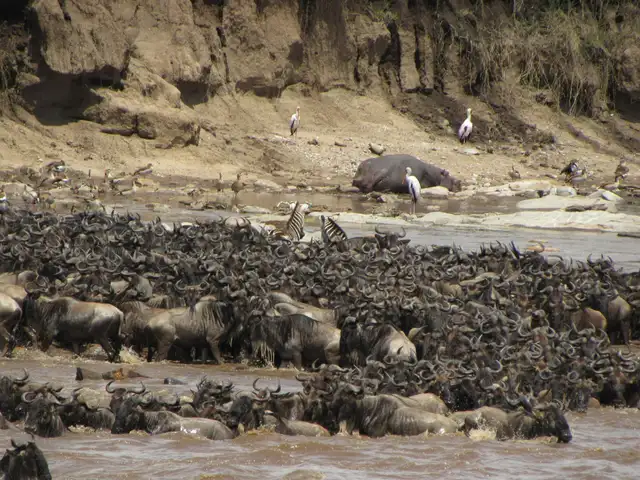
People travel from across the world to enjoy Africa’s finest wildlife reserves. These wild areas are as diverse as they are numerous, supporting an extraordinary wealth of life from mega-mammals to colourful birds and incredible insects. But perhaps nothing inspires more excitement than the joy of viewing the Great Migration, Masai Mara’s most beautiful miracle.
The Masai Mara National Reserve in Kenya is a photographer’s paradise, renowned for its breathtaking landscapes, abundant wildlife, and spectacular annual wildebeest migration. We explore the uniqueness of the Masai Mara, offer new photography ideas, highlight the best points for capturing stunning photographs, and provide practical information on the best time to visit, how to get there, activities to enjoy on any Kenya Safari, and where to stay. Additionally, we’ll touch on famous photography spots in Uganda, making it a comprehensive guide for anyone planning a photography safari in Kenya with Lamz Tours and Travel.
Popular Kenya Packages
The Uniqueness of Masai Mara National Reserve
The Masai Mara National Reserve, located in southwestern Kenya, is part of the larger Serengeti-Mara ecosystem. Spanning approximately 1,510 square kilometres, it is named after the Maasai people and the Mara River that runs through it. The reserve is renowned for its diverse wildlife, including the Big Five (lion, leopard, elephant, buffalo, and rhino), and over 450 bird species, making it a prime destination for birding in Kenya.
What sets the Masai Mara apart is the annual Great Migration, one of the most extraordinary wildlife spectacles on the planet. Between July and October, over 1.5 million wildebeest, zebras, and gazelles traverse the Mara River in search of greener pastures. This migration attracts predators, creating dramatic scenes of survival that are a dream for wildlife photographers.
Photography Tips for Tourists
Aerial Photography: Capture the vastness of the Masai Mara from a hot air balloon. The bird’s-eye view offers unique perspectives of the migration, the Mara River, and the endless savannah.
Night Photography: The Masai Mara is famous for daytime sightings of wildebeest which choose the early morning and late evening to graze without the presence of predators such as leopards and lions. Photographing a moving subject in low light with a long lens is a tricky challenge even for skilled photographers with professional kits, but it’s possible to get good photos with a spotlight by following a few guidelines. At sundowner time, change your camera settings as follows:
1. Choose Aperture mode and set your lens’s aperture to its widest setting. The aperture is indicated on the camera body by a number such as f5.6, f4 or f2.8. Choose the lowest number. This will allow the most amount of light into your camera.
2. Set the ISO to a high sensitivity setting. The ISO will be indicated by a number such as 800, 1600 or 3200. For nighttime photography with a spotlight, you will need ISO 3200 or 6400 if possible.
3. Change your metering mode to Spot metering. The metering mode will usually be indicated by a box (representing the frame) with different markings inside it. Choosing spot metering will tell the camera to measure the light levels and expose only the central area of the scene.
Macro Photography: Focus on the smaller details of the ecosystem, such as insects, flowers, and textures of animal hides. This can provide a different perspective on the rich biodiversity of the Mara.
Cultural Photography: Engage with the Maasai people and capture their vibrant culture, traditional attire, and daily life. This adds a human element to your wildlife photography safari.
Action Shots: Use high-speed photography to capture the dramatic moments of predator-prey interactions, river crossings, and the dynamic movements of the great migration.
Best Points for Photography in Masai Mara
Mara River Crossings: The river crossings are the highlight of the Great Migration. Position yourself at strategic points along the Mara River to capture the dramatic scenes of wildebeest and zebras braving the crocodile-infested waters.
Mara Triangle: This less-crowded area offers excellent opportunities for photographing large herds of animals and the stunning landscapes of the Mara.
Musaira Marsh: Known for its high concentration of big cats, this area is perfect for capturing lions, leopards, and cheetahs in action.
Oloololo Escarpment: The elevated views from the escarpment provide panoramic shots of the Mara plains, especially during sunrise and sunset.
Talek River: This area is rich in wildlife and offers great opportunities for close-up shots of animals drinking and interacting by the river.
Best Time to Visit MasaI Mara for Photography
The best time to visit the Masai Mara for a photography safari is during the dry season, from June to October. This period coincides with the Great Migration, offering the best chances to capture the river crossings and large herds of animals. The dry season also means thinner vegetation, making wildlife easier to spot and photograph.
For birding tours in Kenya, the wet season from November to May is ideal as migratory birds are present, and the landscape is lush and green.
How to Get to Masai Mara National Reserve
Getting to the Masai Mara is relatively straightforward. Most international travelers fly into Jomo Kenyatta International Airport (NBO) in Nairobi. From Nairobi, you can either take a domestic flight to one of the airstrips in the Mara, such as Keekorok or Ol Kiombo, which takes about an hour, or opt for a road trip. The drive from Nairobi to the Masai Mara takes approximately 5-6 hours, depending on the entry gate.
Activities for Tourists in Masai Mara Kenya Safari
Game Drives: Morning and evening game drives offer the best chances to see and photograph wildlife. Our guides are knowledgeable and can take you to the best spots for photography.
Walking Safaris: Experience the Mara on foot with a guided walking safari. This allows for a more intimate connection with nature and opportunities to photograph smaller wildlife and plants.
Hot Air Balloon Safaris: Float above the Mara at sunrise and capture stunning aerial shots of the landscape and wildlife below.
Cultural Visits: Visit a Maasai village to learn about their culture and traditions. This is a great opportunity for cultural photography.
Bird Watching: With over 450 bird species, the Mara is a paradise for bird enthusiasts. Our guided birdwatching tours can help you spot and photograph rare and migratory birds.
Where to Sleep in Masai Mara
Accommodation in the Masai Mara ranges from budget-friendly camps to luxury lodges, all offering unique experiences and amenities. Here are some features to consider:
Proximity to Wildlife: Choose lodges or camps located close to the main wildlife areas for easy access to game drives and photography opportunities.
Comfort and Amenities: Look for lodges that provide comfortable beds, en-suite bathrooms, and other amenities such as swimming pools, spas, and fine dining.
Famous Photography Spots in Uganda
While the Masai Mara is a prime destination for wildlife photography, Uganda also offers incredible photography spots that can be combined with a Kenya and Uganda safari. Here are a few highlights: To begin with Bwindi Impenetrable Forest, home to half of the world’s mountain gorillas, Bwindi offers unparalleled opportunities for gorilla trekking and photography. In addition, Queen Elizabeth National Parkknown for its tree-climbing lions and diverse birdlife, this park is a must-visit for wildlife photographers.
Why Every Photographer Should Visit Masai Mara with Lamz Tours and Travel
A photography safari in the Masai Mara with Lamz Tours and Travel is an experience like no other. Here’s why it should be on every photographer’s bucket list:
Expert Guides: Lamz Tours and Travel employs experienced guides who are knowledgeable about the best photography spots and animal behaviour, ensuring you get the perfect shot.
Customized Itineraries: whether you’re interested in birding tours in Kenya, capturing the Great Migration, or photographing the Big Five, Lamz Tours and Travel can tailor the itinerary to your preferences.
Ready to plan your safari?
Talk to a Lamz Tours specialist and get a tailor-made quote.
Make an enquiry