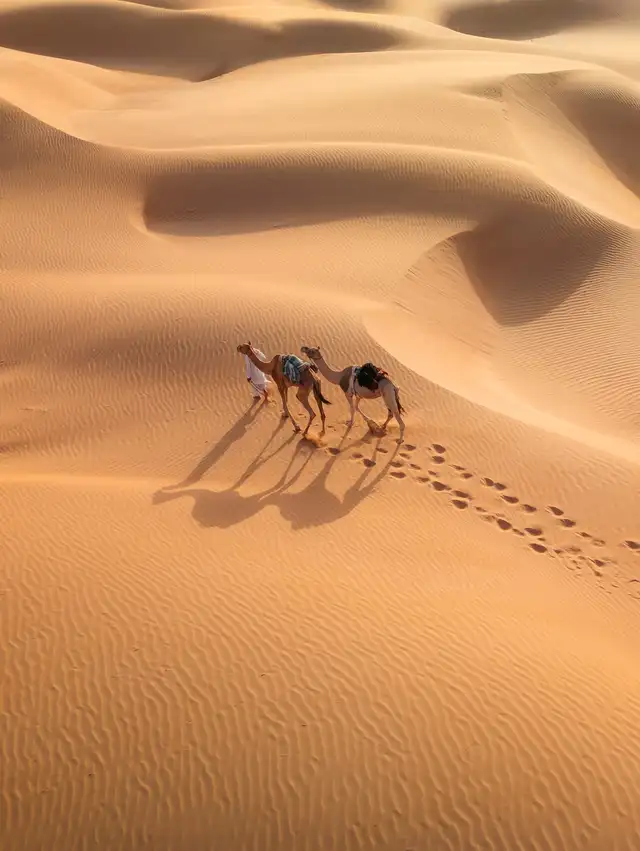
The Namib Desert in Namibia offers several different travel experiences, from red-orange dunes around Sossusvlei to coastal landscapes shaped by Atlantic fog. Start by choosing the places that interest you most, then allow enough time to travel between them.
You might choose a focused Sossusvlei visit or a longer route with dunes, coastal stops and other Namibian destinations. These are different trips, not simply longer and shorter versions of the same tour. For a short visit, choose clear priorities rather than trying to see every Namib landscape.
The wider Namib is a coastal desert extending through Angola, Namibia and South Africa. This guide covers its Namibian attractions and explains place names that are often confused. It also outlines questions to settle before booking.
The itinerary links offer starting points for a discussion with Lamz Tours and Travel. They do not confirm availability, inclusions or operating arrangements. Share your dates, interests and preferred trip length so our team can assess whether a proposed route meets your needs.
Where is the Namib Desert in Namibia?
The Namib lies in southwestern Africa, between the Atlantic Ocean and a higher inland plateau. The desert and Namibia are not the same geographic area. The wider desert crosses national borders, while a Namibia holiday visits selected parts.
Geographic descriptions often give its length as roughly 1,200 miles or more along the Atlantic coast. Estimates vary because sources define its boundaries differently. This measurement helps explain the desert’s size; it does not show how far you will travel on your trip.
Plan your visit around named destinations rather than the desert’s overall outline. Establish where your journey begins, which attractions it includes and where you will stay between visits.
Understanding a Namib Desert map
This north-to-south overview explains the wider geography. It is not a navigation guide, and a regional map does not show which countries your trip includes.
- Angola: the wider desert includes part of the coast. Its presence on a regional map does not mean your Namibia itinerary enters Angola.
- Namibia: this guide covers its Sossusvlei visitor area and coastal landscapes. Check which places appear on your proposed route.
- South Africa: broader definitions extend into the country’s northwest. This geographic connection does not establish a cross-border travel arrangement.
The Namib Desert, Namib Sand Sea, Namib-Naukluft National Park and Sossusvlei describe different places or areas. Their names are not interchangeable. Depending on your route, your planning map should show Windhoek, Sesriem, Sossusvlei, Swakopmund and Walvis Bay.
Pair the map with a daily schedule showing overnight stops and transfers. A shaded desert outline does not explain road access or driving times. It also cannot show how much time remains for activities.
Which country is the Namib Desert in?
Namibia contains the main visitor areas covered here. However, the wider Namib also extends into Angola and South Africa. This guide’s title identifies the Namibian part, not the whole desert.
When booking, separate geography from the places your itinerary covers. A Namib Desert safari may visit only selected Namibian attractions. Check the named stops, arrival point and departure point rather than relying on the tour title.
What makes the Namib Desert distinctive?
The Namib combines an ancient coastal desert, large dunes, Atlantic fog and life adapted to harsh conditions. Its landscapes include gravel plains, clay pans and coastal areas. Red-orange sand is only one part of the landscape.
A visit can therefore take several forms. Dune walks, clay-pan photography visits and outings focused on coastal plants or small animals serve different interests. Choosing between them matters as much as deciding your trip length.
Photographs of dunes beside the ocean and photographs of Deadvlei may show places reached on very different outings. If an image inspired your trip, share it during planning and ask our team to identify the location. This helps avoid booking a route that misses your preferred landscape.
Is it the oldest desert in the world?
The Namib is widely described as the oldest desert on Earth. Published estimates range from roughly 55 to 80 million years, with another reaching 88 million years. These are different estimates, not one settled age.
The estimates concern the history of desert conditions, not the age of every dune visible today. They do not give the modern landscape a precise birthday. A photograph cannot establish how long a particular dune formation has existed.
Comparisons with the Atacama also need care. “Oldest desert,” “driest desert” and “driest place on Earth” are different claims based on different evidence. If geology interests you, request guiding that explains the landscape and the limits of these comparisons.
Sossusvlei, Deadvlei and the sand dunes
If red-orange dunes are your main interest, set aside time for the Sossusvlei area. Do not assume a coastal stop includes it. Even a longer Namibia itinerary may allow only a short dune visit.
Read the proposed schedule closely. Check named attractions, walking requirements and the planned start and finish of each outing. Review the transfer back to your accommodation. These details explain more than a broad phrase such as “a day in the desert.”
Sossusvlei and Deadvlei
Deadvlei is a white clay pan surrounded by large dunes and scattered with old, dead trees. Its pale ground, dark trunks and surrounding sand create strong contrasts. It offers a different photography subject from an open dune slope.
Ask for separate time allocations for Sossusvlei and Deadvlei. An itinerary naming both should explain walking, vehicle access and time at each place. They should not appear as one vague photo stop.
A photographer may want time to watch changing light and try different compositions. Another traveler may prefer a shorter landscape visit. Explain your preferences before the schedule is final, especially when the day also includes a dune climb or onward transfer.
Big Daddy and Dune 45
Big Daddy and Dune 45 appear in guides to dune climbing in the area. Climbing should be optional, with the route, effort and timing explained beforehand. Naming a dune in an itinerary should not imply that everyone must reach its top.
Discuss alternatives for anyone who prefers not to climb. Clarify where the group would separate and what non-climbers would do. Ask how the day will suit different walking preferences.
Some Namib dunes are described as exceeding 300 meters, or nearly 1,000 feet. Do not apply this general figure to a particular dune without checking its height. Height alone does not explain how demanding a walking route will be.
If sunrise matters, confirm current gate arrangements, your proposed accommodation location and transfer time. Ask whether you will reach a named viewpoint at sunrise or simply start the outing early. A sunrise description does not guarantee access.
Sesriem Canyon and the Tsauchab River
Sesriem Canyon and the Tsauchab River offer another view of the Namib beyond dunes and clay pans. Their inclusion should be clear in your itinerary. Ask how a canyon visit fits around other activities.
Check whether walking is included and which conditions need checking. If you plan dune walking and a canyon visit, consider their combined demands. A river name does not mean water will be flowing during your stay.
Ask what the outing explores and how seasonal conditions could change the plan. Do not choose a visit only because a photograph shows water. Make sure the description explains what you can expect to explore.
For a focused visit, review the three-day Namib-Naukluft and Sossusvlei itinerary and four-day Sossusvlei tour outline. Compare time at attractions with transfer time. Before booking, confirm departures, inclusions and the current operating partner with our team.
Namib-Naukluft National Park and the Namib Sand Sea
You will encounter both names when researching the Namib Desert in Namibia. Each describes a particular area. Neither means the whole desert or every desert attraction in Namibia.
UNESCO describes the Namib Sand Sea as a large coastal dune landscape where fog is the primary water source, supporting specially adapted plants and animals. Namib-Naukluft National Park is the protected-area name associated with the linked Sossusvlei itineraries. Knowing the difference helps when comparing maps and tour descriptions.
A proposed park visit should name actual attractions, not just the park. Ask which entry requirements need confirmation and what transport is planned. Check which charges the quote includes. Any arrangements awaiting confirmation should be clearly marked.
World Heritage recognition does not establish opening hours, vehicle requirements or access to an outing. These details need separate confirmation for your dates. A photograph or published tour description cannot replace current access information.
Climate in the Namib Desert in Namibia
The Atlantic coast plays an important role in the Namib’s climate. Coastal fog forms when moist marine air cools over cold waters associated with the Benguela Current. Winds carry fog and low cloud inland.
Fog supplies important moisture to adapted plants and insects and is the primary water source in the Namib Sand Sea. This moisture supports specially adapted life despite the landscape’s dry appearance.
“Desert weather” is too broad a term for packing or planning activities. Consider inland dune days and coastal days separately. Ask for advice about the actual places on your route, rather than one temperature summary for Namibia.
Weather also affects what you hope to experience. Someone seeking clear landscape photographs may have different priorities from someone interested in fog-dependent life. Explain your trip’s purpose so timing advice reflects your interests.
When should you visit?
Choose your timing around dune walking, photography, coastal outings or a wider safari. This guide does not provide verified monthly temperatures, fog patterns or activity schedules. It therefore does not name one best month for everyone.
Separate fixed dates from flexible preferences. If flights or school holidays set your travel window, ask what itinerary would work during that period. If your dates are flexible, request a comparison based on your main interests.
For Thanksgiving, Christmas or New Year travel, confirm departures and accommodation arrangements before buying flights. For spring break or June–August travel, request Namibia-specific seasonal information. Do not expect conditions to match those at home.
Ask for a packing list covering sun protection, walking footwear and suitable layers. Discuss drinking-water provision and rest opportunities. Ask how activities may change with conditions.
Plants and animals of the Namib Desert in Namibia
The Namib supports wildlife adapted to desert conditions, but a regional species list does not predict sightings. The habitats on your route shape a wildlife-focused visit, as do each outing’s purpose and the time allowed for observation.
Regional overviews mention gemsbok, also called oryx, springbok and brown hyenas. They also mention desert-adapted elephants and lions in the wider desert region. Cape fur seals occur along the coast.
This does not mean all these animals occur around Sossusvlei or can be expected on a short trip. A dune-focused visit does not cover every wildlife interest linked to the wider Namib. List the animals or habitats that matter most to you.
Ask how your proposed route addresses those interests. Distinguish a guided wildlife outing from a transfer where animals might be encountered. Neither should promise a particular sighting.
Welwitschia and fog-dependent life
Welwitschia mirabilis and fog-basking beetles are distinctive examples of life associated with the Namib. Welwitschia is a long-lived plant with two persistent leaves. It offers a different focus from the large landscapes featured in many itineraries.
A plant-focused or small-creature outing differs from a dune photography visit. It should have a stated location, purpose and guiding arrangement. Do not assume it happens during any desert visit. Confirm availability before treating it as part of your trip.
Tell our team whether you want a general introduction or a detailed natural-history outing. This helps establish how much time to allow for explanations and how the outing fits around your other interests.
“Desert-adapted,” “native” and “endemic” have different meanings. Adaptation to desert conditions does not mean a species occurs only in Namibia. Any claim that a species occurs only within Namibia needs a checked species name and distribution source.
Places to visit and things to do
Group activities by region before choosing individual outings. Start with the landscapes you want to see. Then consider activities in those places and the travel needed to connect them.
This makes an overcrowded itinerary easier to spot. Several appealing activities may compete for limited time, especially on days with long transfers. Ask which days focus on travel, activities or a mix of both.
Where does the desert meet the ocean?
The Namib follows the Atlantic coast, but coastal visits offer different experiences. The northern Skeleton Coast is described as fog-influenced, with historic shipwrecks and harsh surf. These features do not describe every coastal stop.
If you want dunes beside the sea, ask for the exact outing location and planned route. A coastal town stay, a Skeleton Coast itinerary and a dunes-and-ocean outing are not equivalent. Check which experience your proposal actually includes.
Ask whether the outing involves driving through a landscape, visiting named viewpoints or joining a guided activity. These are different ways to explore. Photographs should illustrate the planned locations, not replace an explanation of the outing.
Activities to discuss with our team
- Dune walking and photography: compare a climb with a less demanding landscape visit. Check walking requirements, available time and alternatives for different activity levels.
- Deadvlei photography: request scheduled time rather than a vague stop. Explain whether photography is your main purpose or one part of a broader day.
- Coastal exploration: establish which stretch of coast and sights are planned. Check how the outing fits your overnight location and onward travel.
- Sandboarding, quad biking or fat biking: check locations, participation requirements, restrictions and availability before adding an activity. Do not assume a general desert itinerary includes access to all three.
- Wildlife and plant interpretation: discuss a habitat-focused outing rather than assuming a general game drive covers every interest. Ask what the guide will explain, without expecting guaranteed sightings.
For photography planning, request correctly labeled examples of the places under discussion. Images should help explain the route. They should not imply that every landscape lies nearby or that your conditions will match the photograph.
Namib versus the Kalahari Desert in Africa
Decide whether you want a focused Namib visit or a route that also includes the Kalahari. A combined itinerary should name its stops in each region. A title mentioning both deserts is not enough.
This guide covers the Namib’s coastal setting and dune attractions. It does not provide a detailed Kalahari geography or wildlife profile. A useful comparison needs actual locations, planned activities and the time needed to connect them.
Compare routes by how you would spend your days, not simply the number of regions included. A broader journey may suit someone seeking variety. A focused route may suit someone wanting more time at particular attractions. Neither is better for everyone.
A focused Namib itinerary
- Purpose: focus on named attractions and your interests, rather than a long list of regions.
- Published examples: review the three-day and four-day Sossusvlei outlines. Their titles do not establish time at each attraction.
- Discuss with our team: compare dune time, walking choices, photography priorities and transfers. Check whether the first and last days are mainly travel days.
- Confirm before booking: obtain access, inclusion, accommodation and transport details. Identify anything still awaiting confirmation.
A focused itinerary should also explain what it leaves out. If you want coastal scenery or a specialist nature outing, ask whether these interests require an extension.
A combined Namib and Kalahari itinerary
- Purpose: include both desert regions through clearly named stops and activities.
- Published example: the eight-day Kalahari and Namib outline offers a starting point for discussing a broader route.
- Discuss with our team: review named stops, travel days and time in each region. Ask how the planned experiences differ.
- Confirm before booking: establish actual Kalahari locations, access, inclusions, accommodation and transport. Do not rely on a regional label alone.
These published lengths are not verified minimum stays or confirmed departures. Review the eight-day Kalahari and Namib itinerary as a starting point. Then compare the balance of travel and activities with your preferred pace.
How to use a Kalahari Desert map
A map showing national borders and a desert region serves a different purpose from a road map. Online maps may use different boundaries. They may also provide little useful detail about the journeys involved.
Mark each proposed overnight stop and connect the travel legs. Compare these with the written schedule. This shows whether each place is an overnight base, an activity location or somewhere passed along the way.
The same approach applies when mapping the Namib Desert in Namibia. A regional outline gives context, not a road itinerary. Request distances and estimated driving times separately, with their assumptions explained.
Planning your arrival and route
Share your intended international flights before finalizing ground arrangements. Arrival and departure times affect transfers and whether you need an arrival overnight. They also affect activity time at both ends of the trip.
If traveling from New York or Atlanta, check current flight options, connections, journey length and baggage conditions before committing to your ground itinerary. This guide assumes no particular service or nonstop route. Flights and the land schedule need to work together.
Entry and transit requirements depend on your nationality and every country on your ticket. Check current official information for the whole journey, including relevant transit points. This guide does not establish those rules. An older travel article cannot confirm current requirements.
A practical route-planning outline
Use this sequence to guide a planning discussion. It is not a timed or confirmed itinerary. Each stage needs details suited to your flights, interests and travel pace.
- Arrival in Windhoek: establish when the first transfer begins and where you meet the transport provider. Discuss whether an arrival overnight is appropriate.
- Sesriem and the Sossusvlei area: schedule dune visits and any canyon outing separately. Clarify walking requirements and how your overnight location affects outings.
- Coastal extension: discuss Swakopmund, Walvis Bay or a clearly described coastal outing. A town name alone does not explain included activities.
- Return or onward travel: check the final transfer against your international departure or next booking. Do this before treating the route as complete.
Request distances and driving times for every leg, with estimates clearly labeled. Ask which days involve longer journeys and how much time is allowed for stops. This matters if your group has different activity needs or prefers a slower pace.
Establish whether the proposal is guided or self-drive. Responsibilities for navigation, vehicles, activity bookings and daily decisions should be clear. Do not assume these details from the tour title.
Budget and accommodation questions
Ask for an itemized quote in United States dollars. Separate confirmed costs from items still awaiting confirmation. Review transfers, park charges, activities, meals and currency-conversion terms. This guide assumes no prices or permit fees.
Compare quotes on the same basis. Check which activities, meals and transfers are included, optional or payable separately. A total alone is hard to assess. Ask for an explanation of every allowance or estimate.
For accommodation serving the Namib Desert, location matters as much as the property description. Ask how each proposed stay affects daily transfers, planned park access and time at attractions. A property described as serving Sossusvlei does not necessarily have any particular access arrangement.
Confirm the named property, room arrangement and included meals. Do not rely only on an accommodation category. Any substitution terms should be clear before you accept the booking.
Explore the published Namibia safari collection for ideas. Then ask our team to explain current operating arrangements and confirm the Namibia-specific details in your proposal.
History, people and the name Namib
Learning about the Namib should include people as well as environmental history. Travel planning should recognize communities rather than present the region as empty scenery. Human history deserves attention alongside the landscape.
This guide does not verify local community histories, current settlement patterns or cultural-visit arrangements. If these subjects interest you, request locally sourced information relevant to your route. Avoid relying on one general account of the whole desert.
Any community experience should explain who hosts it, what participation involves and how consent is arranged. Discuss photography expectations beforehand. An itinerary entry does not itself give permission to photograph people or enter community spaces.
What does the name Namib mean?
The material used for this guide translates Namib as “vast place.” The language attribution and exact translation need checking before being presented as settled facts. This translation needs context and does not fully explain the name’s history.
If language and cultural history matter to your visit, request a locally sourced explanation. Ask how these topics will be covered. A short place-name translation should not replace learning about people connected with the landscape.
Identify the landscapes and communities you hope to learn about, and list the subjects that interest you. Specific interests offer a better basis for arranging explanations than a broad request for a cultural stop.
Book a Namib Desert in Namibia trip with Lamz Tours and Travel
To discuss a trip with Lamz Tours and Travel, share your dates, group size, arrival plans and main interests. Explain whether you want a focused Sossusvlei visit, a coastal extension or a longer route including the Kalahari.
Include walking preferences, photography priorities and activities you would rather skip. Tell us whether your group wants to stay together throughout outings and whether alternatives to dune climbing would be useful.
Before confirming, request a written itinerary and itemized quote. These should cover named stops, transport, accommodation, activities, access arrangements and inclusions. Review travel days as carefully as attraction descriptions. Check that the pace matches your expectations.
Ask our team to confirm the operating partner, current availability and booking terms. Establish how arrangements awaiting confirmation will be resolved. A published outline introduces a possible trip; it is not a confirmed departure.
Frequently asked questions
Is it safe to visit Namibia now?
Current conditions depend on the route, timing and individual traveler. This guide does not establish present safety conditions. It cannot provide a general assurance for every itinerary.
Review current official travel advice and relevant insurance conditions. Discuss transport, health considerations and emergency support for your route. Establish who provides assistance and which arrangements you need to understand before departure.
Does anyone live in the Namib Desert?
Do not assume a landscape is uninhabited because descriptions say little about its people. This guide does not verify settlement patterns across the wider Namib. It therefore provides neither population figures nor a general account of where people live.
Request local information about the areas on your route. Seek guidance on access and permission when visiting places used by communities. This is especially important before photographing people or entering community spaces. Treat these as present-day places, not simply scenery.
What is another name for the Namib Desert?
It is commonly shortened to “the Namib.” The Namib Sand Sea and Namib-Naukluft National Park refer to particular geographic or protected areas. They are not alternative names for the entire desert.
When comparing itineraries, check what each name means within the schedule. A park or sand sea name does not identify every planned visit. The itinerary still needs to specify attractions, activities and overnight stops.
What is the biggest problem in Namibia?
The question needs a subject: economic conditions, conservation and visitor logistics require different evidence. This guide does not rank national problems. A travel concern should not be presented as the country’s single largest challenge.
For your trip, focus on questions the itinerary can address. These include transport, drinking-water provision, access arrangements and current route information. Broader national questions need suitable, current sources beyond a destination guide.
Is Namibia a white or Black country?
A country is not usefully described as belonging to one racial category. This guide does not provide demographic statistics. A binary label would not explain the histories, languages or identities of people you may meet.
For demographic information, use a current, clearly identified source. For travel preparation, learn about local histories, customs and respectful interaction rather than reducing a country to race. Approach the people you meet as individuals.
What animal is only found in Namibia?
This wildlife overview cannot verify an animal found exclusively within Namibia’s borders. That claim needs a checked species name and reliable distribution source. A general description of desert wildlife is not enough.
Being adapted to deserts does not mean a species occurs only in Namibia. Presence in the country does not establish its presence at every destination or guarantee a sighting. If a particular animal matters to your trip, ask which habitat and outing are relevant before choosing your route.
Ready to plan your safari?
Talk to a Lamz Tours specialist and get a tailor-made quote.
Make an enquiry