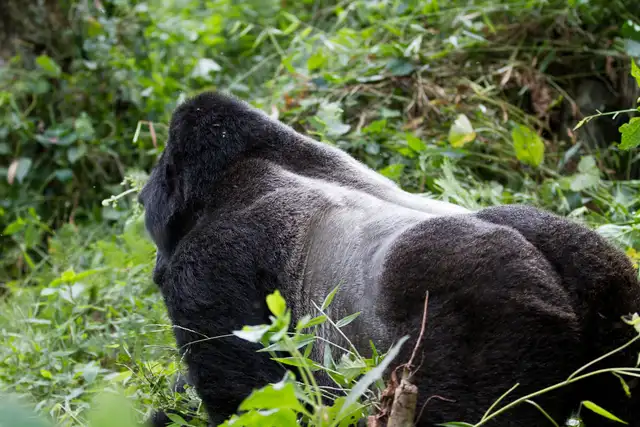
Deep in the heart of Africa, where the sun dips into the savannah and the stars twinkle like diamonds in the night sky, lies a world of untamed wonder. The Masai Mara National Reserve, renowned for its abundant wildlife and breathtaking scenery, is the ultimate destination for any safari enthusiast. Meanwhile, in the lush forests of Uganda, the chance to encounter majestic mountain gorillas in their natural habitat is a once-in-a-lifetime experience that will leave you in awe. In this blog post, we'll take you on a thrilling journey through the unspoiled landscapes of East Africa, where you'll discover the best ways to experience the magic of the Masai Mara and the gorilla habituation process in Uganda.
Why Masai Mara and Gorilla Habituation are must-do experiences
Masai Mara and Gorilla Habituation are two experiences that should be at the top of every traveler's bucket list. Masai Mara, located in Kenya, is renowned for its breathtaking landscapes and diverse wildlife, including the annual wildebeest migration. It offers a truly immersive Kenya safari experience, allowing visitors to witness the circle of life in its purest form.
On the other hand, Gorilla Habituation in Uganda provides a rare opportunity to spend extended time with mountain gorillas as they become accustomed to human presence. This unique experience allows for a deeper understanding of these incredible creatures and their natural habitat.
Why go for Masai Mara safaris
Masai Mara safaris offer a truly unique and unforgettable experience for nature and wildlife enthusiasts. Located in Kenya, Masai Mara is renowned for its breathtaking landscapes and diverse wildlife, including the iconic Big Five - lion, elephant, buffalo, leopard, and rhinoceros.
One of the main reasons to choose Masai Mara for your safari adventure is the opportunity to witness the annual wildebeest migration, hailed as one of the most spectacular natural events on the planet. This awe-inspiring phenomenon sees millions of wildebeest, zebra, and gazelle migrate across the plains in search of greener pastures, attracting predators such as lions and crocodiles.
What are some of activities to encounter on Masai Mara Safaris
Game Drives: One of the most popular activities in the Masai Mara is embarking on game drives. This allows visitors to explore the vast savannahs and witness the incredible wildlife that inhabits the region. From the Big Five (lion, elephant, buffalo, leopard, and rhinoceros) to zebras, giraffes, and wildebeests, the Masai Mara offers a diverse range of animal sightings. Experienced guides lead these game drives, providing valuable insight into the behavior and habitat of the animals.
Hot Air Balloon Safaris: For a unique and breathtaking experience, visitors can opt for a hot air balloon safari over the Masai Mara. This activity provides a bird's-eye view of the landscape and wildlife below, offering a perspective that is truly unparalleled. As the sun rises over the horizon, passengers can witness the Masai Mara come to life from a serene and majestic vantage point.
Cultural Visits: The Masai Mara is not only renowned for its wildlife but also for its rich cultural heritage. Visitors have the opportunity to engage with the local Masai community and gain insight into their traditional customs, rituals, and way of life. This may include visiting a Masai village, interacting with tribal members, and learning about their traditional dances, crafts, and rituals.
Bird Watching: The Masai Mara is home to a wide array of bird species, making it a paradise for birdwatchers. With over 450 bird species recorded in the region, including raptors, waterfowl, and migratory birds, visitors can enjoy observing and identifying these avian inhabitants while exploring the diverse habitats within the reserve.
When is the best time to go for Masai Mara Safaris?
The best time to go for Masai Mara Safaris is during the dry season, which typically runs from July to October. During this time, the vegetation is less dense, making it easier to spot wildlife, and the animals are drawn to the Mara River in search of water, leading to spectacular river crossings. Additionally, the weather is generally mild and sunny, providing optimal conditions for game drives and outdoor activities.
Gorilla habituation in Uganda
This intricate process is not just about observing these majestic creatures, but rather about building a deep and trusting relationship with them. Gorilla habituation in Uganda is the art of gradually introducing humans to the gorillas, allowing them to become comfortable with our presence, and ultimately, fostering a sense of acceptance and trust. It's a delicate balance, requiring patience, dedication, and a deep understanding of the gorillas' behavior and body language. The goal is to create a sense of familiarity, allowing the gorillas to see humans as a normal part of their surroundings, rather than a threat. This is crucial, as it enables us to get closer to these incredible animals, gaining a deeper understanding of their social dynamics, habits, and habitat.
The art of habituation is not just about the gorillas, but also about the humans involved. It requires a level of emotional intelligence, empathy, and respect for these incredible creatures. By approaching the gorillas with sensitivity and understanding, we can create a sense of mutual respect, allowing us to learn from and appreciate these incredible beings.
Why is habituation important for conservation efforts?
As we delve into the world of gorilla habituation, it's essential to understand the significance of this process in the context of conservation efforts. Gorilla habituation in Uganda is more than just a technique to get up close and personal with these majestic creatures; it's a crucial step in ensuring the long-term survival of the endangered mountain gorillas. In a world where human-wildlife conflict is a pressing issue, habituation provides a unique opportunity to bridge the gap between humans and wildlife.
Where does gorilla habituation take place in Uganda
Gorilla habituation takes place in the Bwindi Impenetrable National Park in southwestern Uganda. This UNESCO World Heritage site is home to nearly half of the world's mountain gorilla population, making it an ideal location for gorilla habituation experiences.
How long does a gorilla habituation experience last
A typical gorilla habituation experience lasts for four hours, during which visitors accompany researchers and trackers as they observe and interact with the wild gorillas. The experience begins with an early morning briefing before setting out to locate the gorilla group, followed by several hours of observation and interaction, and concludes with a debriefing session back at the starting point.
Is gorilla habituation safe for visitors?
While wild gorillas are powerful and potentially dangerous animals, the gorilla habituation process is carefully managed by experienced guides and researchers who prioritize both visitor safety and the well-being of the gorillas. Visitors are briefed on safety protocols before encountering on the experience and are accompanied by armed rangers throughout the day.
While wild gorillas are powerful and potentially dangerous animals, the gorilla habituation process is carefully managed by experienced guides and researchers who prioritize both visitor safety and the well-being of the gorillas. Visitors are briefed on safety protocols before encountering on the experience and are accompanied by armed rangers throughout the day.
To book a gorilla habituation experience in Uganda, visitors must secure permits through authorized tour operator like Lamz Tours and Travel or directly from the Uganda Wildlife Authority. Due to the limited availability of permits and high demand for this exclusive experience, it's advisable to make reservations well in advance to ensure a spot on the desired date.
When is the best time to participate in gorilla habituation?
The best time to participate in gorilla habituation is during the dry seasons in Uganda, which typically occur from June to August and December to February. These periods offer favorable weather conditions and clearer hiking trails, making it easier to navigate through the dense forest terrain in search of wild gorilla groups.
What is the cost of gorilla habituation permit in Uganda
The cost of a gorilla habituation permit in Uganda is currently set at $1,500 per person. This permit allows visitors to spend up to four hours with a gorilla family undergoing habituation, providing a unique and immersive experience in the Bwindi Impenetrable National Park. The process of habituating gorillas involves gradually acclimating them to the presence of humans, a crucial step in ensuring their long-term survival and the success of ecotourism initiatives. The cost of the permit reflects the significant resources required to conduct habituation activities, including the presence of skilled guides, trackers, and researchers.
Why book Masai Mara safaris and gorilla habituation in Uganda with Lamz Tours and Travel
When planning a safari adventure, choosing the right tour operator can make all the difference. Lamz Tours and Travel offers unparalleled experiences in two of Africa's most iconic destinations: Masai Mara in Kenya and gorilla habituation in Uganda. Masai Mara is renowned for its breathtaking landscapes and diverse wildlife, including the Big Five. With Lamz Tours and Travel, you can embark on thrilling game drives led by experienced guides who have an intimate knowledge of the area, ensuring that you have the best chance of spotting elusive animals in their natural habitat.
Ready to plan your safari?
Talk to a Lamz Tours specialist and get a tailor-made quote.
Make an enquiry