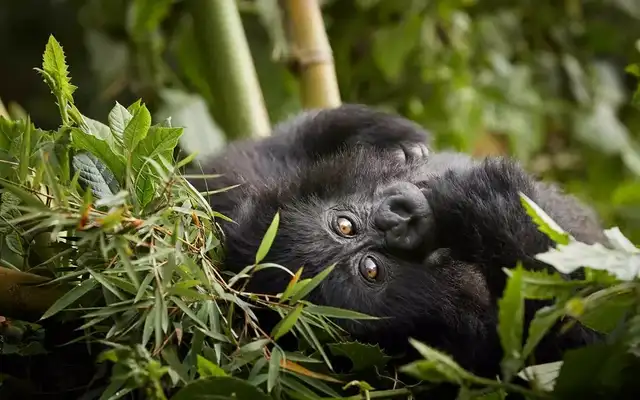
Is it Safe to See Gorillas in Rwanda? Yes, it’s safe to see gorillas in Rwanda. Let’s learn why it is safe to see gorillas in Rwanda. Learn about conservation efforts, trekking guidelines, and safety measures to ensure a memorable and secure experience with these mountain gorillas.
Our Popular Packages
2 day Gorilla trekking safari in Rwanda
3 Days Gorilla Trekking Safari in Rwanda
3 Days Chimpanzee Trekking Safari in Nyungwe Forest, Rwanda
4 Days Golden monkeys And Gorilla Trekking Safari
5 Days Gorilla and Wildlife Safari Tour, Rwanda
5 Days Rwanda Gorilla and Akagera Wildlife Safari
Why It’s Safe to See Gorillas in Rwanda: Rwanda’s Gorilla Conservation Success Story
It’s safe to see gorillas in Rwanda because Rwanda’s commitment to gorilla conservation has been remarkable through the Rwanda Development Board. Rwanda has implemented strict anti-poaching laws, community-based conservation programs, and sustainable tourism practices. These efforts have not only increased the mountain gorilla population but also ensured that gorilla trekking is conducted in a safe and controlled manner. The presence of well-trained park rangers and guides further enhances the safety of visitors.
Gorilla Trekking in Volcanoes National Park
Imagine standing just a few feet away from a family of mountain gorillas, observing their interactions and behaviors in their natural habitat. It’s a thrilling and unforgettable experience! But, is it safe to see gorillas in Rwanda? Absolutely! Rwanda has made significant strides in gorilla conservation and tourism safety, making it one of the best places in the world for gorilla trekking. In our article, we’ll explore the various aspects that ensure your safety while trekking to see these gentle giants.
Understanding Mountain Gorillas: Gentle Giants of the Virunga Mountains
Mountain gorillas are fascinating creatures, known for their gentle nature and complex social structures. Found in the Virunga Mountains, which span Rwanda, Uganda, and the Democratic Republic of Congo, these mountain gorillas are a critically endangered species. Despite their size and strength, mountain gorillas are generally peaceful and non-aggressive, especially when approached with respect and care.
Park Rangers and Guides: Your Expert Companions in Volcanoes National Park
You're not alone when you embark on a gorilla trek in Rwanda. Experienced Park rangers and guides accompany every group, ensuring your safety and providing valuable insights into gorilla behavior and ecology. These experts are trained to handle various situations, from navigating the dense forest to managing close encounters with wildlife. Their presence is a key factor in making gorilla trekking a safe and enjoyable experience.
Gorilla Trekking Rules and Etiquette: Staying Safe While Respecting Wildlife
To ensure the safety of both visitors and gorillas, Rwanda has established a set of rules and guidelines for gorilla trekking. These include maintaining a safe distance from the gorillas, avoiding direct eye contact, and following the instructions of your guide at all times. By adhering to these rules, you can minimize the risk of disturbing the gorillas and ensure a safe and respectful encounter.
When you set out
- Ensure to carry with your payment receipts and permits
- Do not visit the gorillas if you have a cold or other infectious illness
- The minimum age for tracking is 15 years
- Human waste should be buried 30cm (12 inches) deep
- The maximum number of visitors is eight persons per gorilla group
When You Are with The Gorillas:
- Maintain a 10m (32.8ft) distance from the gorilla
- Smoking, eating and drinking are not permitted during the tracking
- If you must sneeze or cough cover your face and turn away from the gorillas, as they can catch coughs and colds from humans
- Visits are limited to one hour per gorilla group per day
- Do not use flash photography.
- Do not leave litter in the forest
How Fit do you need to be for Gorilla Trekking?
Gorilla trekking can be physically demanding, requiring a good level of fitness and stamina. The trek involves hiking through dense forests in Volcanoes National Park, often on steep and uneven terrain. To prepare for the trek, it’s important to engage in regular physical exercise, such as hiking, walking, and strength training. Being physically fit not only enhances your trekking experience but also reduces the risk of injury and fatigue.
What to Wear and Pack: Gearing Up for a Safe Experience
Proper gear is essential for a safe and comfortable gorilla trekking experience. This includes sturdy hiking boots, long-sleeved shirts, and pants to protect against insects and vegetation, as well as waterproof clothing for unpredictable weather. Additionally, packing essentials such as water, snacks, a first aid kit, and a camera will ensure you’re well-prepared for the trek.
- Pack some warm clothes like sweaters for when the weather drastically changes.
- A raincoat is necessary whether you are travelling in the dry or wet season.
- Long-sleeved shirts and trousers protect your skin from insect bites, keep you warm, and protect your skin from tree scratches. The clothes packed should be neutral or in brown, khaki, and green colours. Avoid blue, any other brightly coloured clothes, and black. Also, make sure to avoid jeans.
- First aid kit fully packed with all the medicines prescribed by your doctor, bandages, spirit, iodine, cotton, tummy ache medicines, pain killers, and other things needed to treat scratches during the trek.
- Gaiters, socks, and garden gloves are needed. The socks are used to keep you warm, and during the trek, trousers are tucked into the socks to prevent insects from crawling up your pants. The garden gloves and non-surgical gloves protect your hands from tree scratches during the trek, and the adjustable gaiters are mainly used during the wet season.
- Strong ankle-length boots are necessary to keep your feet steady on the trek, especially during the wet season. They should be well-fitting to avoid blisters and waterproof if you can get them.
Other items that you need to pack include a refillable water bottle, flashlight, extra batteries, camera and extra lenses, binoculars, wet wipes, biodegradable toilet paper, scarf, sandals, sunscreen, insect repellent, a sun hat, and toiletries, among others.
What Weather and Terrain to Expect?
Volcanoes National Park Rwanda’s gorilla habitat is characterized by its lush, mountainous terrain and variable weather conditions. The region experiences two rainy seasons, which can make the trails slippery and challenging to navigate. Understanding the weather patterns and being prepared for different conditions is crucial for a safe gorilla trekking experience. Your guides will provide updates on weather conditions and trail safety, ensuring you’re well-informed before setting out.
Potential Risks and How They’re Mitigated
While gorilla trekking is generally safe, it’s important to be aware of potential risks and how they’re mitigated. These include encounters with other wildlife, such as elephants and buffalo, as well as the physical challenges of the trek. Volcanoes National Park rangers and guides are trained to handle these situations, ensuring your safety at all times. Additionally, the use of established trails and regular maintenance of trekking routes further minimizes risks.
Medical Considerations: Vaccinations, Altitude, and Health Precautions
Before embarking on a gorilla trek, it’s important to consider medical precautions. This includes vaccinations for diseases such as yellow fever and malaria, as well as being aware of the effects of high altitude. Consulting with a healthcare professional and taking necessary precautions will ensure you’re well-prepared for the trek. Additionally, carrying any necessary medications and being aware of your physical limits will contribute to a safe and enjoyable gorilla trekking experience.
Understanding Travel Insurance and Cancellation Policies
Travel insurance is an essential consideration for any trip, including gorilla trekking in Rwanda. It provides coverage for unexpected events, such as trip cancellations, medical emergencies, and lost luggage. Understanding the terms and conditions of your travel insurance policy, as well as the cancellation policies of your tour operator, will give you peace of mind and ensure you’re protected in case of unforeseen circumstances.
Booking Rwanda Gorilla Permit
The Rwanda Development Board determines the cost of gorilla permits,a gorilla trekking permit in Rwanda costs $1,500 for foreign non-residents, and $300 for East African citizens and the Rest of Africa pays $500 per person. This fee includes entry into Volcanoes National Park, the services of experienced ranger guides, and an hour spent with the gorillas. The cost of the permit is higher as compared to Uganda, where the permit is $800 for foreign non-residents and $400-$500 for the Democratic Republic of Congo.
Rwanda offers a discount on the permit (30% discount) to $1050 during the low season. However, this only works if you have booked a safari to either Akagera National Park or Nyungwe after the gorilla trek.
A gorilla permit includes the following:
- Briefing and guidance: Experienced trackers provide a briefing before the trek, sharing essential information about the gorillas and the forest.
- One hour with the gorillas: Once the gorillas are located, you will have one hour to observe and photograph them.
- Park entrance fees: The permit covers the cost of entering the national park.
- Security: Well-trained armed rangers and guides ensure your safety throughout the trek.
Rwanda Beyond Gorilla Trekking
While gorilla trekking is the highlight, there are plenty of other activities to enjoy on a Rwanda safari tour. You can go golden monkey tracking, explore the vibrant city of Kigali, visit the Nyungwe Forest for a canopy walk, or embark on a 3 days Akagera National Park wildlife safari. These activities provide a well-rounded experience of Rwanda’s diverse wildlife and culture
Gorilla Trekking Safari in Rwanda with Lamz Tours and Travel
Choosing the right tour operator can make all the difference in your gorilla trekking experience. Lamz Tours and Travel offers expertly guided tours, ensuring a safe and memorable adventure.
Note that the Rwanda Tourism Board prints only 86 permits per day, so it is important to book early for your trip. After purchasing your permit, expect to track gorilla families in Volcanoes National Park, including the Hirwa gorilla family with 13 members, the Sabinyo gorilla family with eight members, Umubano with 11 gorillas, and Amahoro with 17 gorillas.
Whether you opt for a 3 days gorilla trekking safari in Rwanda or a longer itinerary, you need to book for the gorilla safari in advance because of the high demand for gorilla permits and easy planning.
Contact Us to help you book the gorilla permit and organize your entire safari to Rwanda, depending on your budget. Check out our reviews on TripAdvisor to make the right decision.
Ready to plan your safari?
Talk to a Lamz Tours specialist and get a tailor-made quote.
Make an enquiry