Book with Lamz Tours and Travel to experience the best safaris at Kidepo Valley National Park in the northeastern part of Uganda. The Park is 562.2 kilometers from Kampala via the Gulu Highway. Kidepo Valley National Park encompasses 1,440 square kilometers and shares its borders with South Sudan to the north and Kenya to the east. The park is distinguished by two primary valleys, Kidepo and Narus, encircled by majestic volcanic hills. The altitude ranges from 914 meters in the valleys to an impressive 2,749 meters at the summit of Mt. Morungole in the southeast. 3 forest reserves—Nyangea-Napore in the west, Morungole in the southeast, and Zulia in the east—flank the park. Tourism primarily centers on the park's headquarters in Apoka, situated in the Narus valley.
The landscape unfolds in a rich tapestry of Acacia and Combretum savannah, steppe, and thickets, adorned with Juniperus-Podocarpus forest. Semi-arid plains, punctuated by hills, rocky outcrops, and mountain ranges, characterize the park. Approximately one-third of the park sprawls within the Narus Valley in the south and west, while the remaining two-thirds claim the Kidepo valley in the east and northeast. Life in the park revolves around these two seasonal rivers, with the Narus valley providing water for about six months a year, featuring well-developed Acacia gerrardii woodland. The Kidepo valley, on the other hand, holds water only during the wettest seasons, complemented by Acacia gerrardii woodland, extensive grasslands, tree and shrub steppe, and bushland. The overall vegetation of Kidepo Valley National Park can be aptly described as open savannah, exhibiting considerable variation in structure and composition.
This park experiences distinct seasons, characterized by a protracted dry season from October to March and a lengthy wet season from April to September. The Narus valley, the sole area receiving rain during the dry season, witnesses an annual rainfall of approximately 890 millimeters, while the Kidepo valley receives around 635 millimeters per year. The park is a haven for diverse wildlife, boasting at least 86 mammal species, with 28 being habitat-specific. The park boasts a diverse avian population of 473 species. The park hosts a remarkable array of 692 plant species, including trees, shrubs, lianas, herbs, grasses, and ferns.
Adjacent to the park, at the base of Mount Morungole, reside the Ik tribe, who are integral to the broader Karamojong cluster. Renowned for their distinctive Ik language, falling within the Kuliak subgroup of the Nilo-Saharan language family, the Ik people historically engaged in pastoralism and agriculture, herding cattle and cultivating crops. They sustain themselves through game meat, fruits, leaves, roots, and flowers, showcasing unique skills in harvesting honey with rudimentary tools. The Ik people, traditionally polygamous, view childbearing as a symbol of ancestral blessing.
Tourism Activities at Kidepo Valley National Park
Go on exhilarating game drives to witness the diverse mammal species that call Kidepo Valley National Park in Uganda home. For an unforgettable experience, enlist the expertise of a knowledgeable guide from Lamz Tours and Travel, ensuring a successful and immersive safari experience. Navigate the remote reaches of the park comfortably in a four-wheel-drive safari vehicle, allowing visitors to fully immerse themselves in the park's breathtaking beauty and abundant wildlife. The prominent mammal species in the park include the striped hyena, cheetah, reedbuck, ardwolf, and a variety of gazelles, creating a safari adventure rich in encounters with Africa's remarkable fauna.
Birdwatching at Kidepo Valley National Park
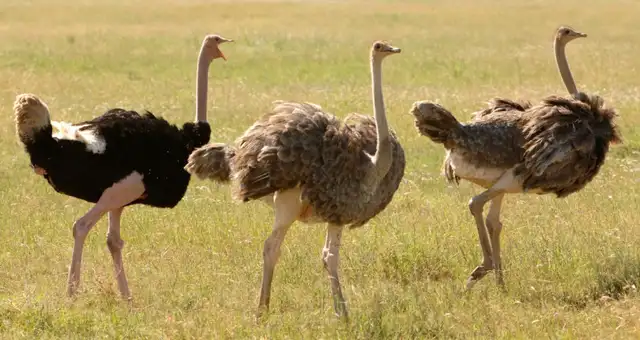
Experience the captivating world of birdwatching during your Kidepo Valley National Park safari in Uganda, a haven for avian enthusiasts. Delight in the diverse and stunning bird species that grace the park, including the Abyssinian roller, Karamoja Apalis, standard-winged nightjar, and the vibrant Kidepo Valley Weaver. Explore the best birding areas around the Narus and Namamukweny Valleys, where hornbills, eagles, ostriches, and a myriad of other species create a birdwatching paradise.
Immerse yourself in a unique cultural experience offered by the Ik and Karamajong people residing around Kidepo Valley National Park. Local guides play a pivotal role in introducing visitors to the communities, providing insights into the traditional lifestyle, beliefs, and practices of the Ik and Karamajong peoples. Engage in a variety of cultural activities, including traditional dances, storytelling, and ceremonies, offering a profound understanding of local customs. The IK and Karamajong people provide an authentic showcase of their traditional way of life, contributing to the preservation of Ugandan culture.
Witness the Kanagorok Hot Springs
Discover the Kanagorok Hot Springs at Kidepo Valley National Park, believed by locals to possess healing powers. The clear and shallow hot waters, surrounded by stunning natural beauty, add allure to this unique natural wonder. Both locals and visitors alike believe in the therapeutic properties of the hot springs, thought to alleviate various ailments, including arthritis and skin conditions.
Go for an exciting nature walk in Kidepo Valley National Park to revel in its diverse and captivating landscape. The park's rocky valleys, surrounding hills, and majestic Morungole Mountains create a visually stunning backdrop for nature enthusiasts. Visitors can be guided through magnificent sceneries, providing a treat for the eyes amidst the park's natural splendor.
What to pack on Kidepo Valley National Park safari in Uganda
A traveler planning a Kidepo Valley National Park safari should pack lightweight and breathable clothing for warm days, long-sleeved shirts and long pants for protection against insects, comfortable walking shoes, and a light jacket or sweater for cooler evenings. Essential items include sunscreen, sunglasses, and a wide-brimmed hat for sun protection, as well as DEET-based insect repellent. A good quality camera and binoculars enhance the wildlife viewing experience, while a small backpack is handy for carrying essentials.
Other necessities include a reusable water bottle, a basic first aid kit, a flashlight or headlamp, travel adapters, personal toiletries, a power bank, and necessary travel documents. Additionally, packing snacks, a travel pillow, a light rain jacket, and checking specific requirements from the tour operator contribute to a well-prepared and enjoyable visit to Kidepo Valley National Park.
Best time to go for a Kidepo Valley National Park safari
Choose the optimal time for a safari in Kidepo Valley National Park, with the dry season from December to March and July to September standing out as ideal periods. Experience peak tourist months from January to February and July to August, offering dry weather that facilitates wildlife spotting around water sources. The climate during these months provides comfort for game drives and other tour activities, with active wildlife migration patterns adding to the safari adventure.
Accommodation options when on a Kidepo Valley National Park safari tour
Select from diverse accommodation options at Kidepo Valley National Park to suit varied budgets and preferences. Luxury travelers can indulge in the exclusive Apoka Safari Lodge, featuring elegantly designed cottages, gourmet dining, and guided wildlife experiences. Mid-range options like Nga'Moru Wilderness Camp and Kidepo Savannah Lodge offer a balance of comfort and affordability. Budget travelers can opt for Apoka's Rest Camp, providing basic yet cozy bandas and camping facilities, ensuring a budget-friendly stay without compromising on the wildlife experience. Secure accommodations through the park's website or a reputable tour travel agency like Lamz Tours and Travel for a seamless and enjoyable safari tour to Kidepo Valley National Park.
How to reach Kidepo Valley National Park
Accessing Kidepo Valley National Park is facilitated by several road route options. Travelers can journey from Kampala through Gulu to Kitgum highway, covering approximately 571 kilometers in 10-12 hours. Alternatively, the route through Kampala via Jinja highway, Mbale, Soroti, Kalongo, and Karenga spans about 705 kilometers, taking approximately 12-14 hours.
All these tour and travel arrangements can be done with Lamz Tours and Travel. Make your reservations for an unforgettable adventure by contacting us through email at info@Lamz Tours and Travel.com and Lamz Tours and Travel@gmail.com for detailed itineraries and booking information. For personalized assistance, kindly reach out via phone call or WhatsApp to +000 000 000 000 and +000 000 000 000, ensuring a smooth and well-guided exploration at Kidepo Valley National Park that will change your life, forever.
Ready to plan your safari?
Talk to a Lamz Tours specialist and get a tailor-made quote.
Make an enquiry