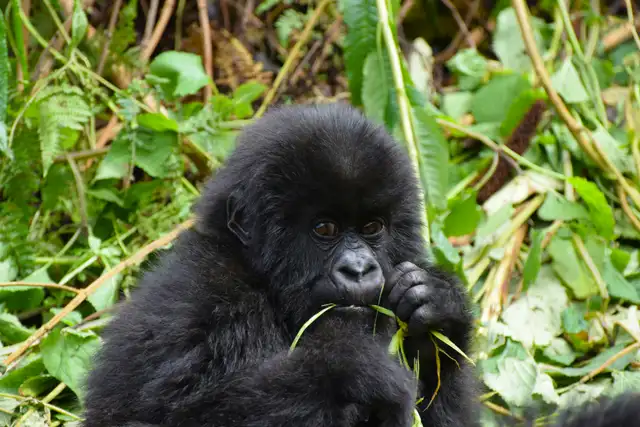
Here is everything you need to know if you’re interested in gorilla trekking in Uganda. This comprehensive guide covers the best locations, timing, preparation tips, and essential advice to ensure a memorable and safe experience.
Popular Gorilla Trekking Packages
2 Days Gorilla Trekking Safari to Bwindi National Park
3 Day Uganda Gorilla Habituation Safari
3 Days Flying Safari to Gorilla Trekking.
3 Days Gorilla Trekking in Mgahinga Gorilla National Park.
3 Days Uganda Gorilla Trekking Safari and Batwa Pygmies Visit in Bwindi National Park
4 Days Golden monkeys And Gorilla Trekking Safari
4 days safari with Gorilla and Queen Elizabeth national park
5 Days wildlife, Gorillas and Chimpanzee Trekking safari In Uganda
7 Days Primates Adventure Safari in Uganda.
10 Days Uganda Ultimate Primate Safari
12 Days Best of Uganda Wildlife Encounter and Cultural Safari
Where to Go for Gorilla Trekking in Uganda
Uganda is home to over half of the world’s mountain gorillas, making it a prime destination for gorilla trekking. The two main locations for this incredible experience are Bwindi Impenetrable National Park and Mgahinga Gorilla National Park.
Bwindi Impenetrable National Park: This UNESCO World Heritage site is renowned for its dense forests and diverse wildlife. It hosts over 50 gorilla families but only 21 families have been habituated and accessible to visitors for trekking, offering multiple trekking in the four sectors of Buhoma, Ruhija, Rushaga, and Nkuringo, each providing unique trekking experiences. The park’s rich biodiversity also makes it a haven for bird watchers, with over 350 bird species recorded.
Mgahinga Gorilla National Park: Part of the larger Virunga Conservation Area, Mgahinga is smaller but equally enchanting. It has one gorilla family the Nyakagezi group that provides a unique opportunity to see gorillas in a less crowded setting. The Park is also home to the Batwa pygmies, offering cultural experiences alongside gorilla trekking. Additionally, Mgahinga is the only park in Uganda where you can see golden monkeys, making it a unique destination for primate enthusiasts.
Both parks offer a chance to combine gorilla trekking with other activities like bird watching safari Uganda, making them ideal for a comprehensive Uganda safari tour.
Best Time to Go for Gorilla Trekking in Uganda
The best time for gorilla trekking in Uganda is during the dry seasons, which are from June to September and December to February. During these months, the trails are less muddy, and the weather is more predictable, enhancing your trekking experience. The dry seasons also coincide with the peak tourist season, so it’s advisable to book your Uganda safari packages well in advance.
However, gorilla trekking is possible year-round, and the rainy seasons (March to May and October to November) can offer fewer crowds and a more intimate experience with the gorillas. The lush, green landscapes during the rainy season provide stunning backdrops for photography. Regardless of when you go, booking your permits early is crucial to secure your spot.
Obtain Your Gorilla Permit Early Enough
Securing a gorilla permit is a must for anyone planning a safari to Uganda. The permits are limited to ensure the safety and conservation of the gorillas, so it’s essential to book well in advance. Permits can be obtained through the Uganda Wildlife Authority or a reputable Uganda tour operator.
In Uganda, the cost of a gorilla permit is $800 per person for foreign non-residents, $700 for foreign residents and UGX 300,000 for East African Citizens. In case you wish to embark on gorilla habituation experience, you need $1500 to help your secure permit which gets you the whole day and 4 hours of magical encounter with mountain gorillas. This fee contributes to the conservation efforts and the local communities, making your gorilla trekking safaris Uganda not only an adventure but also a way to support sustainable tourism. It’s recommended to book your permit at least six months in advance, especially if you plan to trek during the peak season.
Is Gorilla Trekking Safe in Uganda?
Yes,gorilla trekking in Uganda is generally safe when conducted with the guidance of experienced professionals. The Uganda Wildlife Authority (UWA) enforces strict rules to ensure the safety of both visitors and gorillas. These include maintaining a minimum distance from the gorillas, limiting the number of visitors per group, and prohibiting sick individuals from participating in the trek.
Pack Appropriately but Light
Packing for a Uganda primate safari requires careful consideration. Here are some essentials to include:
- Pack some warm clothes like sweaters for when the weather drastically changes.
- A raincoat is necessary whether you are travelling in the dry or wet season.
- Long-sleeved shirts and trousers protect your skin from insect bites, keep you warm, and protect your skin from tree scratches. The clothes packed should be neutral or in brown, khaki, and green colours. Avoid blue, any other brightly coloured clothes, and black. Also, make sure to avoid jeans.
- First aid kit fully packed with all the medicines prescribed by your doctor, bandages, spirit, iodine, cotton, tummy ache medicines, pain killers, and other things needed to treat scratches during the trek.
- Gaiters, socks, and garden gloves are needed. The socks are used to keep you warm, and during the trek, trousers are tucked into the socks to prevent insects from crawling up your pants. The garden gloves and non-surgical gloves protect your hands from tree scratches during the trek, and the adjustable gaiters are mainly used during the wet season.
- Strong ankle-length boots are necessary to keep your feet steady on the trek, especially during the wet season. They should be well-fitting to avoid blisters and waterproof if you can get them.
Other items that you need to pack include a refillable water bottle, flashlight, extra batteries, camera and extra lenses, binoculars, wet wipes, biodegradable toilet paper, scarf, sandals, sunscreen, insect repellent, a sun hat, and toiletries, among others.
Physical Fitness
Gorilla trekking involves navigating through dense forests, muddy and slippery trails, crossing streams, and negotiating over tree roots or fallen branches. The trek can last anywhere from 1 to 8 hours, depending on the location of the gorilla family. Therefore, having high core strength, balance, and stability is advantageous.
Strength Training: Engaging in strength training activities such as squats, lunges, and core workouts can significantly improve your fitness level. These exercises help build the necessary muscle strength and stability required for the trek.
Cardiovascular Fitness: Incorporating cardiovascular exercises like hiking, running, or cycling into your routine can enhance your endurance and stamina, making the trek more manageable.
Flexibility and Balance: Yoga and stretching exercises can improve your flexibility and balance, which are crucial for navigating uneven and slippery terrain.
What’s the appropriate Gorilla Trekking Dressing Code?
Packing for a gorilla trekking safari to Uganda requires some careful planning. Here are some essentials to bring:
- Pack some warm clothes like sweaters for when the weather drastically changes.
- A raincoat is necessary whether you are travelling in the dry or wet season.
- Long-sleeved shirts and trousers protect your skin from insect bites, keep you warm, and protect your skin from tree scratches. The clothes packed should be neutral or in brown, khaki, and green colours. Avoid blue, any other brightly coloured clothes, and black. Also, make sure to avoid jeans.
- First aid kit fully packed with all the medicines prescribed by your doctor, bandages, spirit, iodine, cotton, tummy ache medicines, pain killers, and other things needed to treat scratches during the trek.
- Gaiters, socks, and garden gloves are needed. The socks are used to keep you warm, and during the trek, trousers are tucked into the socks to prevent insects from crawling up your pants. The garden gloves and non-surgical gloves protect your hands from tree scratches during the trek, and the adjustable gaiters are mainly used during the wet season.
- Strong ankle-length boots are necessary to keep your feet steady on the trek, especially during the wet season. They should be well-fitting to avoid blisters and waterproof if you can get them.
Other items that you need to pack include a refillable water bottle, flashlight, extra batteries, camera and extra lenses, binoculars, wet wipes, biodegradable toilet paper, scarf, sandals, sunscreen, insect repellent, a sun hat, and toiletries, among others.
Gorilla Habituation Experience
For those looking for a more immersive experience, consider the gorilla habituation in Uganda. This unique opportunity allows you to spend up to four hours with a gorilla family that is being habituated to human presence. The habituation experience is available in the Rushaga sector of Bwindi Impenetrable National Park and offers a deeper understanding of gorilla behavior and conservation efforts.
The habituation experience is more expensive than regular trekking, with permits costing $1,500. However, the extended time with the gorillas and the insights gained make it a worthwhile investment for wildlife enthusiasts.
Pay Keen Attention During Briefing
Mountain gorillas are an endangered species that were almost extinct due to constant poaching from the locals, but with the coming and conservation ideas of the Uganda Wildlife Authority, gorillas survived. With the help of the government of Uganda, some rules have been set up to continue conserving the natural habitat of the Mountain gorillas. The rules are to be followed by all who intend to go for a gorilla trek for your safety and the safety of the gorillas, and these include:
- Uganda’s gorilla trekking age limit is 15 years, and no one below that age will be allowed to trek the gorillas.
- Feeding of the Mountain gorillas is prohibited.
- After locating the gorillas, the trekkers are allowed a maximum of an hour with the gorillas studying their behavioral patterns and taking photos and videos.
- You need to keep a distance of about 7 to 10 meters away from the gorillas.
- Gorillas are not used to flash photography, so make sure that you turn your camera flash off before taking photos.
- A maximum of 8 people is allowed to trek the assigned gorilla families.
- Holes 30 cm deep are to be dug and covered for hikers planning on using the toilet because there are no toilets within the national park.
- Avoid littering the national park with rubbish by leaving it the way you found it.
- Do not in any way get close to the gorillas to avoid passing on infections in case you are sick.
- No one can eat, smoke, or drink with the gorillas.
- Avoid staring at the gorillas in the eye, don’t put on sunglasses, and in cases where the gorillas approach you, follow the instructions given to you by the guides.
Activities on a Gorilla Trekking Tour Other Than Gorilla Trekking
While gorilla trekking is the highlight, there are plenty of other activities to enjoy on your tour. These include:
Chimpanzee Tracking
While gorilla trekking is the main draw, Uganda offers a wealth of primate experiences. Chimpanzee tracking is a popular activity in Kibale Forest National Park, where you can observe these intelligent creatures in their natural habitat. Kibale is home to over 1,500 chimpanzees, and the park is often referred to as the “Primate Capital of the World” due to its high primate diversity.
Bird Watching
Uganda is a birdwatcher’s paradise, with over 1,000 species recorded across the country. Bwindi Impenetrable National Park alone is home to more than 350 bird species, including several Albertine Rift endemics. Whether you’re an avid birder or a casual observer, bird watching is a delightful addition to any gorilla trekking safari in Uganda.
Nature Walks and Batwa Cultural Experiences
Apart from gorilla trekking, you can engage in nature walks, guided by experienced rangers who will introduce you to the park’s rich flora and fauna. Visiting the local Batwa community is another highlight, offering insights into the traditional lifestyle of the indigenous people who once lived in Bwindi’s forests.
Where to Sleep When on a Gorilla Trekking Safari in Uganda
Luxury Lodges
Uganda offers a range of accommodations to suit every budget. For those seeking luxury, high-end lodges near Bwindi and Mgahinga provide an exceptional experience. These lodges often feature spacious rooms, en-suite bathrooms, private balconies with forest views, and personalized services such as private butlers and gourmet dining. Many luxury lodges are eco-friendly, incorporating sustainable practices to minimize their impact on the environment.
Mid-Range Accommodations
Mid-range accommodations offer a balance between comfort and affordability. These lodges and camps are well-equipped, with cosy rooms, en-suite bathrooms, and locally sourced meals. They are often located close to the park entrances, providing easy access to the starting points for gorilla trekking in Uganda. Mid-range options are ideal for travellers who want a comfortable stay without breaking the bank.
Budget Options on a gorilla trekking Safari
For budget-conscious travellers, there are numerous campsites and budget lodges near Bwindi and Mgahinga. While these accommodations may lack the luxuries of higher-end options, they provide basic amenities, including shared bathrooms and simple meals. Staying in budget accommodations allows you to allocate more of your budget to activities and permits while still enjoying the beauty of Uganda’s wilderness.
Proximity to the Parks
One of the key considerations when choosing accommodation for your gorilla trekking safari in Uganda is proximity to the park. Staying closer to the park entrance minimizes transfer times and allows for a more relaxed start to your trekking day. Additionally, many lodges are situated in areas with abundant wildlife, offering the chance to spot animals from the comfort of your accommodation.
Why Choose Lamz Tours and Travel for Your First Gorilla Trekking Safari in Uganda
Choosing the right tour operator can make all the difference in your gorilla trekking experience. Lamz Tours and Travel offers expertly guided tours, ensuring a safe and memorable adventure.
Note that the Uganda Wildlife Authority prints limited permits per day, so it is important to book early for your trip. After purchasing your permit, expect to track gorilla families in Bwindi Impenetrable National Park or Mgahinga Gorilla National Park.
Whether you opt for a 3 days gorilla trekking safari in Uganda or a longer itinerary, you need to book for the gorilla safari in advance because of the high demand for gorilla permits and easy planning. Contact Us to help you book the gorilla permit and organize your entire safari to Uganda, depending on your budget. Check out our reviews on TripAdvisor to make the right decision.
Ready to plan your safari?
Talk to a Lamz Tours specialist and get a tailor-made quote.
Make an enquiry