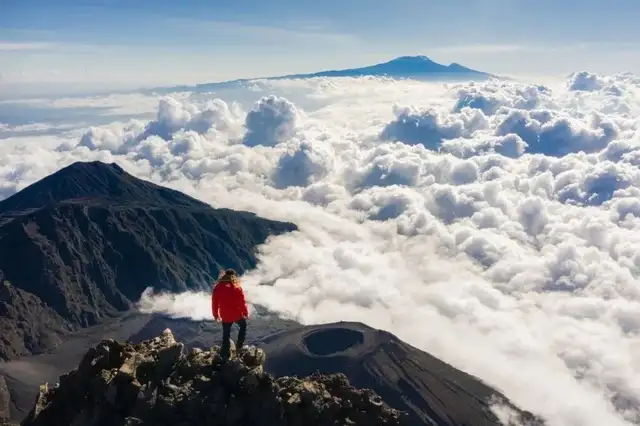
Getting to your Kilimanjaro Safari destination involves flying into Kilimanjaro International Airport (JRO).
Popular African Safari Packages
3 Days Gorilla Trekking Safari in Rwanda
3 Days Chimpanzee Trekking Safari in Nyungwe Forest, Rwanda
4 Days Nyungwe Forest National Park and Lake Kivu Safari
4 Days Golden monkeys And Gorilla Trekking Safari
5 Days Amboseli and Tsavo West Wildlife Safari
6 Days Mount Kilimanjaro Machame Route
8 Day Serengeti, Ngorongoro Crater and Zanzibar
How to Get to Kilimanjaro Safari
Getting to your Kilimanjaro Safari destination involves flying into Kilimanjaro International Airport (JRO), which serves as the primary gateway for most Kilimanjaro Safari expeditions. Located between the cities of Moshi and Arusha, this airport receives international flights from major African hubs like Nairobi, Addis Ababa, and Amsterdam, making your Kilimanjaro Safari journey accessible from anywhere in the world. Most Kilimanjaro Safari operators recommend arriving at least one day before your climb begins to acclimatize and complete final preparations. The airport is approximately 46 kilometers from Moshi, the traditional starting point for most Kilimanjaro Safari adventures, with transfer times averaging 45 minutes to one hour depending on traffic conditions.
Alternative routes to your Kilimanjaro Safari include flying into Julius Nyerere International Airport in Dar es Salaam, followed by a domestic flight to Kilimanjaro Airport or an 8-hour drive through Tanzania's stunning countryside. Many Kilimanjaro Safari packages include airport transfers and pre-climb accommodation in either Moshi or Arusha, eliminating the stress of navigating unfamiliar transportation systems. For budget-conscious travelers planning their Kilimanjaro Safari, overland travel from Nairobi via the Namanga border crossing offers a more affordable but time-consuming option. Regardless of your chosen route, arriving well-rested and prepared sets the foundation for a successful Kilimanjaro Safari experience.
Best Time to Go to Kilimanjaro Safari
The optimal timing for your Kilimanjaro Safari depends on weather patterns, climbing conditions, and personal preferences for crowd levels and scenery. The two prime windows for Kilimanjaro Safari expeditions are January through March and June through October, when clear skies and minimal precipitation create ideal climbing conditions. During these peak seasons, your Kilimanjaro Safari will benefit from excellent visibility, stable weather patterns, and the highest summit success rates. The dry seasons offer the best photographic opportunities for your Kilimanjaro Safari, with stunning views of the surrounding Tanzanian landscape and minimal cloud cover obscuring the mountain's iconic silhouette.
Shoulder seasons for your Kilimanjaro Safari, particularly April-May and November-December, present unique advantages including fewer crowds, lower prices, and lush vegetation following the rainy seasons. However, these periods for your Kilimanjaro Safari may involve more challenging weather conditions, including afternoon thunderstorms and muddy trails that can make the ascent more difficult. Many experienced guides recommend avoiding the long rainy season (March-May) for your Kilimanjaro Safari unless you're prepared for wet conditions and potential delays. The short dry season from late December through February offers some of the clearest views for your Kilimanjaro Safari, though temperatures can be extremely cold on the upper slopes.
Best Things to Do During Kilimanjaro Safari
Your Kilimanjaro Safari offers incredible biodiversity experiences as you traverse through five distinct ecological zones, each hosting unique flora and fauna. Wildlife spotting during your Kilimanjaro Safari includes encounters with colobus monkeys, blue monkeys, and numerous bird species in the montane forest zone, making every step of your journey an adventure. The lower slopes of your Kilimanjaro Safari feature coffee plantations, traditional Chagga villages, and bustling local markets where you can experience authentic Tanzanian culture. Photography opportunities during your Kilimanjaro Safari are endless, from capturing the dramatic sunrise at Stella Point to documenting the otherworldly landscape of the Shira Plateau.
Cultural interactions form an integral part of any memorable Kilimanjaro Safari, with opportunities to learn about the Chagga people's traditional farming methods and their historical relationship with the mountain. Many Kilimanjaro Safari itineraries include visits to local waterfalls, such as the stunning Materuni Falls, where you can enjoy refreshing swims and coffee plantation tours. Night sky viewing during your Kilimanjaro Safari is absolutely spectacular due to minimal light pollution, offering incredible stargazing opportunities and potential aurora viewing at higher altitudes. The sense of achievement upon reaching Uhuru Peak during your Kilimanjaro Safari creates lifelong memories and provides incredible bragging rights among your fellow adventurers.
What to Bring to Kilimanjaro Safari?
Essential gear for your Kilimanjaro Safari includes proper layering systems to handle extreme temperature variations from tropical heat at the base to sub-zero conditions at the summit. Your Kilimanjaro Safari packing list should prioritize moisture-wicking base layers, insulating mid-layers, and waterproof outer shells that can adapt to changing weather conditions throughout your ascent. Quality hiking boots broken in well before your Kilimanjaro Safari are crucial for comfort and blister prevention during the multi-day trek. A four-season sleeping bag rated for temperatures as low as -10°C is essential for your Kilimanjaro Safari, as summit night temperatures can be brutally cold.
Technical equipment for your Kilimanjaro Safari should include trekking poles for stability, a reliable headlamp with extra batteries, and a comprehensive first aid kit for minor injuries and altitude-related issues. Sun protection items are crucial for your Kilimanjaro Safari, including high-SPF sunscreen, quality sunglasses, and a wide-brimmed hat to protect against intense UV radiation at higher altitudes. Hydration systems and water purification tablets are vital for your Kilimanjaro Safari, as staying properly hydrated significantly impacts your acclimatization and summit success rate. Don't forget to pack high-energy snacks, altitude sickness medication, and a good camera to document your incredible Kilimanjaro Safari journey.
Where to Sleep, Eat and Drink During Kilimanjaro Safari
Accommodation options for your Kilimanjaro Safari vary depending on your chosen route, with most expeditions utilizing mountain huts, camping sites, or a combination of both throughout the journey. The Marangu route for your Kilimanjaro Safari features comfortable mountain huts with bunk beds, while other routes require camping in high-quality mountain tents provided by tour operators. Pre and post-climb accommodation for your Kilimanjaro Safari typically includes hotels or lodges in Moshi or Arusha, ranging from budget guesthouses to luxury safari lodges. Most Kilimanjaro Safari packages include all meals during the climb, featuring hearty, high-energy fare designed to fuel your ascent and aid in acclimatization.
Dining during your Kilimanjaro Safari consists of nutritious, carbohydrate-rich meals prepared by skilled mountain chefs who accompany your expedition team. Breakfast for your Kilimanjaro Safari typically includes porridge, eggs, toast, and hot beverages, while lunches feature sandwiches, soup, and fruit to maintain energy levels during trekking. Evening meals during your Kilimanjaro Safari are more substantial, often including rice, pasta, vegetables, and meat dishes that help with recovery and preparation for the next day's challenges. Water procurement during your Kilimanjaro Safari involves treating mountain streams and springs, with most operators providing boiled water or requiring trekkers to use purification tablets for safety.
Booking Kilimanjaro Safari with Lamz Tours and Travel
Partnering with reputable operators like Lamz Tours and Travel for your Kilimanjaro Safari ensures professional guidance, safety protocols, and comprehensive support throughout your mountain adventure. Lamz Tours and Travel specializes in customized Kilimanjaro Safari packages that include experienced guides, quality equipment rental, porter services, and carefully planned itineraries that maximize your chances of summit success. Their team provides detailed pre-departure briefings for your Kilimanjaro Safari, covering everything from physical preparation and gear requirements to cultural etiquette and environmental conservation practices. Booking your Kilimanjaro Safari with Lamz Tours and Travel includes 24/7 support, emergency evacuation insurance, and flexible scheduling to accommodate your travel preferences and fitness level.
Ready to plan your safari?
Talk to a Lamz Tours specialist and get a tailor-made quote.
Make an enquiry